par 


Bienvenue dans cette panne technique critique du Grille d'aération arrière FAW assemblée (Réf.: 5610010-A86-C00). C'est l'un des plus intelligents, pourtant négligé, “logique” composants sur le FAW Jiefang CA4251P66K24T1A3E5 6×4 tracteur semi-remorque diesel. Sa fonction première n'est pas de contrôler la climatisation; c'est un point critique “égalisation de pression” système.

Le “logique” de la Grille d'aération arrière FAW est d'agir comme un sens unique “échappement” valve pour la cabine étanche. Ce single, un composant simple est seul responsable de rendre les portes faciles à fermer. Il assure également une constante, échange d'air frais du système CVC, et (le plus critique) cela crée un “Sens Unique” joint qui empêche les gaz d'échappement dangereux et la poussière de la route d'être *aspirés* dans la cabine.
Ce guide détaillé est essentiel pour les techniciens de cabine, ateliers de carrosserie, et spécialistes des pièces détachées. Le Grille d'aération arrière FAW l'assemblage est un système simple en 3 parties. Nous allons déconstruire ce système, analyser l'ensemble de ventilation arrière’ (MSU 1) comme le primaire “logique” composant, et le deux pièces, système de fixation anti-vibrations (MSU 2 & 3) qui fournit son montage unique “logique.”
L'ensemble de ventilation arrière’ (5610010-A86-C00) est le MSU principal du Grille d'aération arrière FAW système. Ce composant est un “boîte noire” qui n'est pas conçu pour être réparé, seulement remplacé. C'est une persienne, évent rectangulaire, généralement caché de la vue sur la cloison arrière de la cabine, souvent derrière un panneau de garniture intérieure ou sous la couchette.
C'est “logique” est d'agir comme une valve anti-retour, et il remplit trois fonctions essentielles pour la cabine.
1. Le “Claquement de porte” Logique (Libération de pression):
C’est le composant le plus important “logique” pour le conducteur. Une cabine de camion moderne est presque hermétique, boîte scellée. Quand un chauffeur va fermer le lourd, porte bien fermée, ils essaient de comprimer tout l'air à l'intérieur de cette boîte. Cela crée un “oreiller pneumatique” de haute pression qui *repousse* contre la porte, ce qui rend extrêmement difficile le verrouillage sans le claquer.
Le Grille d'aération arrière FAW l'assemblage contient plusieurs poids légers, rabats en caoutchouc flexibles. Quand la porte est fermée, le pic soudain de pression dans la cabine *pousse* ces volets ouverts, permettant à un grand volume d’air de s’échapper instantanément. Ce “exhaler” la logique libère l'oreiller d'air, permettant à la porte de se fermer en douceur et de se verrouiller avec un minimum d'effort.
2. Le “Air frais” Logique (Échappement CVC):
Le CVC de la cabine (Chauffage, Ventilation, et climatisation) le système est un “pression positive” système. Ses fans soufflent constamment du frais (ou recirculé) de l'air *dans* la cabine scellée. Ce “vieux” air, avec le souffle du conducteur (CO2), il doit y avoir un moyen de *sortir*.
Le Grille d'aération arrière FAW agit comme un port d’échappement dédié au système CVC. La légère pression positive du ventilateur suffit à pousser doucement les rabats en caoutchouc pour les ouvrir., permettre obsolète, humide, et de l'air rempli de CO2 pour être évacué silencieusement de la cabine. Ce “logique” un échange d'air constant est essentiel pour maintenir le conducteur alerte et empêcher les vitres de s'embuer.
3. Le “Anti-fumée” Logique (Scellement unidirectionnel):
C'est le “logique” des rabats en caoutchouc eux-mêmes. Ce sont des valves *unidirectionnelles*. Ils ne s'ouvrent que de *l'intérieur vers l'extérieur*.
Lorsque le camion roule à vitesse d'autoroute, l'aérodynamisme de la cabine crée un puissant “sillage” ou “vide” zone directement derrière la cloison arrière. Cette zone à basse pression *aspirerait* de l'air *dans* la cabine par n'importe quelle ouverture disponible.
Cette aspiration tire les rabats du Grille d'aération arrière FAW *bien fermé*, créer une étanchéité parfaite. Ce “logique” est un élément de sécurité essentiel. Il empêche l'aspirateur d'aspirer la poussière de la route, pulvérisation d'eau, et (le plus dangereux) gaz d'échappement de diesel cancérigènes qui peuvent être piégés dans le “sale” air derrière la cabine.
L'ensemble de ventilation arrière’ est un seul MSU. Il n'est pas conçu pour être réparé, seulement remplacé. En tant que composant mécanique, il est sujet à l'échec au cours de la vie du Grille d'aération arrière FAW assemblée.
Mode de défaillance 1: Colmatage. C'est l'échec le plus courant. L'évent, souvent situé bas sur la paroi de la cabine, peut être obstrué par la poussière, fibres isolantes, ou des débris (Par exemple, papier, feuilles).
Mode de défaillance 2: Défaillance des volets (Fissuré ou Coincé). Les rabats en caoutchouc EPDM peuvent devenir cassants et se fissurer avec le temps, ou obtenir “gommeux” et reste fermé.
Dans tous ces cas, le service “logique” c'est simple: le technicien remplace le seul « ensemble de ventilation arrière »’ MSU.
C'est le “logique d'installation” pour le Grille d'aération arrière FAW, et c'est une pièce intelligente de l'ingénierie NVH. Le système utilise une vis et un écrou spécial.
MSU 2: « Vis autotaraudeuse à tête cylindrique à empreinte cruciforme’ (CQ2714816F6) – Quantité 1
Cette vis unique est la fixation. C'est “autotaraudeuse” la logique signifie qu'il est conçu pour couper ses propres fils lorsqu'il est enfoncé.
MSU 3: « Écrou en plastique encastré ventilé’ (Q39805) – Quantité 1
C'est l'élément clé. Ce “écrou en plastique encastré” (ou “composant logiciel enfichable” noix) est le “logique” de l'assemblée. Ce MSU est poussé dans le trou *métallique* de la cloison de la cabine *en premier*. Il s'enclenche.
Le “Logique d'isolement”: L'ensemble de ventilation arrière’ (MSU 1) est alors placé, et la « Vis autotaraudeuse’ (MSU 2) est enfoncé *à travers* la bride d'aération en plastique et *dans* l'écrou en plastique’ (MSU 3).
Cela crée une connexion **plastique sur plastique**. L'ensemble Grille d'aération arrière FAW l'assemblage *n'entre jamais* en contact dur avec la carrosserie métallique de la cabine. Ce “logique” de l'isolement est 100% pour NVH. Il empêche la paroi métallique vibrante de la cabine de transférer son énergie à l'évent en plastique., ce qui provoquerait un “bourdonner” ou “hochet” à l'intérieur de la cabine.
Ces fixations sont des MSU critiques. Si un technicien casse cet écrou en plastique à usage unique, il *doit* être remplacé par une pièce OEM. L'utilisation d'un écrou métallique standard annulerait l'anti-hochet “logique” de l'ensemble du système.
Le tableau suivant fournit l'intégralité, ventilation détaillée de tous 3 types de composants identifiés dans le Grille d'aération arrière FAW ensemble pour tracteur FAW CA4251P66K24T1A3E5.
| Marque | Partie no. | Nom de la pièce | Quantité |
|---|---|---|---|
| 1 | 5610010-A86-C00 | Ensemble de ventilation arrière | 1 |
| 2 | CQ2714816F6 | Vis autotaraudeuse à tête cylindrique à empreinte cruciforme | 1 |
| 3 | Q39805 | Ecrou plastique encastré ventilé | 1 |
Les spécifications pour le Grille d'aération arrière FAW sont définis par son “triple logique” fonctionner comme un dispositif de libération de pression, Aspirateur CVC, et pare-fumée unidirectionnel pour la cabine.
| Demande de véhicule | FAW Jiefang CA4251P66K24T1A3E5 6×4 Tracteur |
| Groupe de composants | Grille d'aération arrière FAW |
| Type de système | Évent d'égalisation de pression dans la cabine (Sens Unique) |
| Logique primaire | Libération d'air de claquement de porte |
| Logique secondaire | Échange d'air frais CVC, Barrière de fumée/poussière/bruit |
| MSU 1 (Évent) | « Ensemble de ventilation arrière’ (5610010-A86-C00) |
| Construction de ventilation | Cadre en plastique ABS avec rabats flexibles en caoutchouc EPDM |
| MSU 2 (Attache) | '…vis autotaraudeuse’ (CQ2714816F6) – Quantité 1 |
| MSU 3 (Attache) | '…écrou en plastique encastré’ (Q39805) – Quantité 1 |
| Logique de fixation | Support plastique sur plastique pour isolation NVH (Anti-hochet) |
| Facilité d'entretien | Tous 3 les composants sont des MSU individuels. L'écrou en plastique est à usage unique. |
Pièces FAW, y compris l'ensemble bloc-cylindres, sont emballés avec soin pour garantir une livraison en toute sécurité. Chaque composant est sécurisé dans des matériaux de protection pour éviter tout dommage pendant le transport. Le réseau logistique garantit des expéditions ponctuelles dans le monde entier, soutenir des opérations de maintenance efficaces. Vous trouverez ci-dessous une image illustrant l'emballage standard des pièces de camion FAW., mettant en valeur l’attention portée aux détails dans la manipulation et le stockage.
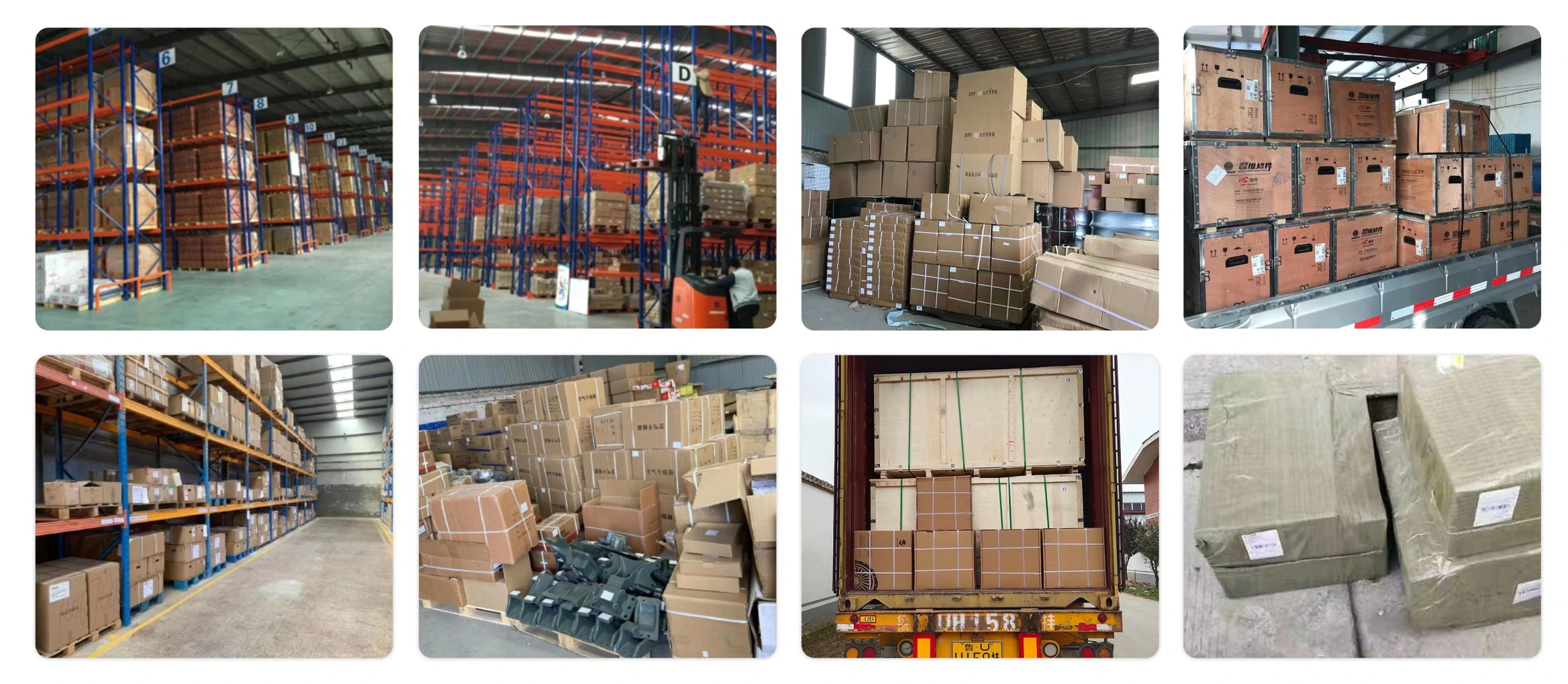
Cette approche d'emballage minimise le risque de corrosion ou de dommages causés par les chocs., s'assurer que les pièces comme l'ensemble bloc-cylindres FAW arrivent en parfait état. Les clients peuvent compter sur la logistique de FAW pour une qualité et une fiabilité constantes.