por 


Bienvenidos a este desglose técnico crítico del Ventilación de aire trasera FAW asamblea (P/N: 5610010-A86-C00). Este es uno de los más inteligentes., todavía pasado por alto, “lógica” Componentes del FAW Jiefang CA4251P66K24T1A3E5 6×4 tractor semirremolque diésel. Su función principal no es la de control del clima.; es un critico “ecualización de presión” sistema.

El “lógica” del Ventilación de aire trasera FAW es actuar como unidireccional “agotador” válvula para la cabina sellada. este sencillo, El componente simple es el único responsable de hacer que las puertas sean fáciles de cerrar.. También asegura una constante, intercambio de aire fresco del sistema HVAC, y (lo más crítico) crea un “Un camino” Sello que evita que los gases de escape peligrosos y el polvo de la carretera sean *aspirados* hacia la cabina..
Esta guía detallada es esencial para los técnicos de cabina., talleres de carrocería, y especialistas en repuestos. El Ventilación de aire trasera FAW El montaje es un sistema simple de 3 partes.. Deconstruiremos este sistema., analizando el 'Conjunto de ventilación de aire trasera’ (Universidad Estatal de Michigan 1) como el principal “lógica” componente, y el de dos piezas, sistema de fijación con aislamiento de vibraciones (MSU 2 & 3) que proporciona su montaje único “lógica.”
El 'Conjunto de ventilación de aire trasera’ (5610010-A86-C00) es la MSU principal del Ventilación de aire trasera FAW sistema. Este componente es un “caja negra” que no está diseñado para ser reparado, solo reemplazado. es una persiana, respiradero rectangular, normalmente oculto a la vista en el mamparo trasero de la cabina, a menudo detrás de un panel de adorno interior o debajo de la litera.
Es “lógica” debe actuar como una válvula unidireccional, y realiza tres funciones críticas para la cabina.
1. El “portazo” Lógica (Liberación de presión):
Este es el componente más importante. “lógica” para el conductor. La cabina de un camión moderno es casi hermética., caja sellada. Cuando un conductor va a cerrar el pesado, puerta bien sellada, Están tratando de comprimir todo el aire dentro de esa caja.. Esto crea un “almohada de aire” de alta presión que *empuja* contra la puerta, haciendo que sea extremadamente difícil engancharse sin golpearlo.
El Ventilación de aire trasera FAW El conjunto contiene varios elementos ligeros., solapas de goma flexibles. Cuando la puerta está cerrada, el aumento repentino en la presión de la cabina *empuja* estas trampillas para abrirse, permitiendo que un gran volumen de aire escape instantáneamente. Este “exhalar” la lógica libera la almohada de aire, permitiendo que la puerta se cierre suavemente y se trabe con el mínimo esfuerzo.
2. El “Aire fresco” Lógica (Escape de climatización):
El sistema HVAC de la cabina (Calefacción, Ventilación, y aire acondicionado) el sistema es un “presión positiva” sistema. Sus fans están constantemente soplando aire fresco. (o recirculado) aire *en* la cabina sellada. Este “viejo” aire, junto con el aliento del conductor (CO2), debe tener una manera de salir *fuera*.
El Ventilación de aire trasera FAW Actúa como el puerto de escape dedicado del sistema HVAC.. La ligera presión positiva del ventilador es suficiente para empujar suavemente las aletas de goma para abrirlas., permitiendo rancio, húmedo, y aire lleno de CO2 que se expulsará silenciosamente de la cabina. Este “lógica” El intercambio constante de aire es fundamental para mantener alerta al conductor y evitar que se empañen los cristales..
3. El “Antihumo” Lógica (Sellado unidireccional):
Este es el “lógica” de las propias aletas de goma. Son válvulas *unidireccionales*. Sólo se abren de *adentro hacia afuera*.
Cuando el camión está a velocidad de autopista., La aerodinámica de la cabina crea una poderosa “rebufo” o “vacío” zona directamente detrás del mamparo trasero. Esta área de baja presión *aspiraría* aire *hacia* la cabina a través de cualquier abertura disponible.
Esta succión tira de las aletas del Ventilación de aire trasera FAW *bien cerrado*, creando un sello perfecto. Este “lógica” es una característica de seguridad crítica. Evita que la aspiradora aspire polvo de la carretera., rociador de agua, y (lo más peligroso) Gases de escape cancerígenos de diésel que pueden quedar atrapados en el “sucio” aire detrás de la cabina.
El 'Conjunto de ventilación de aire trasera’ es una sola MSU. No está diseñado para ser reparado., solo reemplazado. Como componente mecánico, es propenso a fallar durante la vida del Ventilación de aire trasera FAW asamblea.
Modo de falla 1: Atasco. Este es el fallo más común.. el respiradero, A menudo se encuentra en la parte baja de la pared de la cabina., puede obstruirse con polvo, fibras aislantes, o escombros (P.EJ., papel, hojas).
Modo de falla 2: Fallo del flap (Agrietado o atascado). Las aletas de goma EPDM pueden volverse quebradizas y agrietarse con el tiempo., o conseguir “pegajoso” y quédate cerrado.
En todos estos casos, el servicio “lógica” es simple: el técnico reemplaza el conjunto único de ventilación de aire trasera’ Universidad Estatal de Michigan.
Este es el “lógica de instalación” para el Ventilación de aire trasera FAW, y es una pieza inteligente de ingeniería NVH. El sistema utiliza un tornillo y una tuerca especial..
Universidad Estatal de Michigan 2: 'Tornillo autorroscante de cabeza alomada empotrable en cruz’ (CQ2714816F6) – Cantidad 1
Este único tornillo es el sujetador.. Es “autorroscante” La lógica significa que está diseñado para cortar sus propios hilos a medida que se introduce..
Universidad Estatal de Michigan 3: «Tuerca de plástico empotrada y ventilada’ (Q39805) – Cantidad 1
Este es el componente clave. Este “tuerca de plástico incrustada” (o “complemento” tuerca) es el “lógica” de la asamblea. Esta MSU se introduce en el orificio *metálico* del mamparo de la cabina *primero*. Encaja en su lugar.
El “Lógica de aislamiento”: El 'Conjunto de ventilación de aire trasera’ (Universidad Estatal de Michigan 1) luego se coloca, y el 'Tornillo autorroscante’ (Universidad Estatal de Michigan 2) se conduce *a través* de la brida de ventilación de plástico y *dentro* de la 'tuerca de plástico'’ (Universidad Estatal de Michigan 3).
Esto crea una conexión **plástico sobre plástico**. todo el Ventilación de aire trasera FAW El conjunto *nunca* hace contacto fuerte con el cuerpo metálico de la cabina.. Este “lógica” de aislamiento es 100% para NVH. Evita que la pared metálica vibrante de la cabina transfiera su energía al respiradero de plástico., lo que causaría un “zumbido” o “traqueteo” dentro de la cabina.
Estos sujetadores son MSU críticas. Si un técnico rompe esta tuerca de plástico de un solo uso, *debe* ser reemplazado con una pieza OEM. Usar una tuerca de metal estándar anularía el anti-sonajero. “lógica” de todo el sistema.
La siguiente tabla proporciona la información completa, desglose detallado de todos 3 tipos de componentes identificados en el Ventilación de aire trasera FAW Conjunto para el tractor FAW CA4251P66K24T1A3E5..
| Marca | Número de pieza. | Nombre de la pieza | Cantidad |
|---|---|---|---|
| 1 | 5610010-A86-C00 | Conjunto de ventilación de aire trasera | 1 |
| 2 | CQ2714816F6 | Tornillo autorroscante de cabeza plana empotrable en cruz | 1 |
| 3 | Q39805 | Tuerca de plástico empotrada ventilada | 1 |
Las especificaciones para el Ventilación de aire trasera FAW están definidos por su “triple lógica” Funciona como un liberador de presión., extractor de climatización, y barrera de humos unidireccional para la cabina.
| Solicitud de vehículo | FAW Jiefang CA4251P66K24T1A3E5 6×4 Tractor |
| Grupo de componentes | Ventilación de aire trasera FAW |
| Tipo de sistema | Ventilación de ecualización de presión de la cabina (De una sola mano) |
| Lógica primaria | Liberación de aire de golpe de puerta |
| Lógica secundaria | Intercambio de aire fresco HVAC, Barrera contra humos/polvo/ruido |
| Universidad Estatal de Michigan 1 (Respiradero) | 'Conjunto de ventilación de aire trasera’ (5610010-A86-C00) |
| Construcción de ventilación | Marco de plástico ABS con solapas de caucho EPDM flexibles |
| Universidad Estatal de Michigan 2 (Cierre) | '…tornillo autorroscante’ (CQ2714816F6) – Cantidad 1 |
| Universidad Estatal de Michigan 3 (Cierre) | '…tuerca de plástico incrustada’ (Q39805) – Cantidad 1 |
| Lógica de sujetadores | Montaje de plástico sobre plástico para aislamiento NVH (Anti-sonajero) |
| Utilidad | Todo 3 Los componentes son MSU individuales.. La tuerca de plástico es de un solo uso.. |
piezas FAW, incluido el conjunto del bloque de cilindros, Se empaquetan con cuidado para garantizar una entrega segura.. Cada componente está asegurado con materiales protectores para evitar daños durante el transporte.. La red logística garantiza envíos puntuales en todo el mundo., apoyando operaciones de mantenimiento eficientes. A continuación se muestra una imagen que ilustra el embalaje estándar de las piezas de camiones FAW., mostrando la atención al detalle en el manejo y almacenamiento.
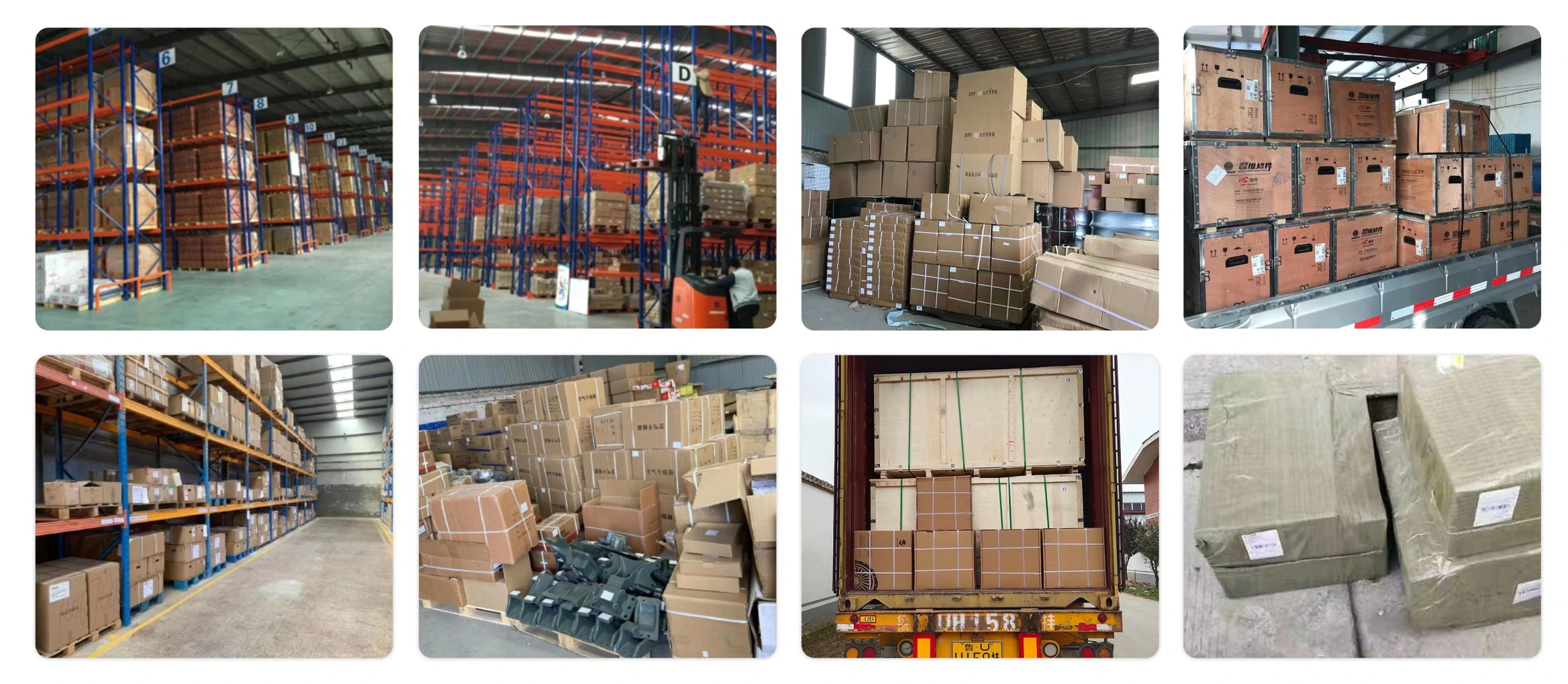
Este enfoque de embalaje minimiza el riesgo de corrosión o daños por impacto., asegurando que piezas como el conjunto de bloque de cilindros FAW lleguen en perfectas condiciones. Los clientes pueden confiar en la logística de FAW para obtener calidad y confiabilidad constantes.