par 


Bienvenue dans ce guide technique crucial sur le Pompe à huile FAW (Partie no. 1011010-81D), le composant qui sert de cœur au système de lubrification du moteur pour le FAW Jiefang CA4251P66K24T1A3E5 6×4 tracteur semi-remorque diesel.
Le Pompe à huile FAW est un volume élevé, pompe volumétrique responsable de l'une des fonctions les plus critiques du moteur: extraire l'huile du carter d'huile et l'alimenter de force sous haute pression vers chaque composant vital, des roulements de vilebrequin aux jets de refroidissement des pistons et au système de soupapes.
Ce guide est une ressource essentielle pour les techniciens professionnels de moteurs, spécialistes de la reconstruction, et gestionnaires de pièces. Nous déconstruirons l'ensemble Pompe à huile FAW assemblage dans ses plus petites unités utilisables, y compris sa soupape de surpression interne, sa plomberie de sortie, et ses composants critiques de montage et d’étanchéité. Un échec du Pompe à huile FAW ce n'est pas un problème mineur; c'est un événement catastrophique qui peut détruire un moteur en quelques minutes.

L'unité principale est l'ensemble de pompe à huile’ (1011010-81D). C'est le complet Pompe à huile FAW unité, un boîtier usiné avec précision contenant le mécanisme central de la pompe. Dans les moteurs diesel lourds, il s'agit généralement d'une pompe de type gerotor ou d'une pompe à engrenages droits. C'est un “déplacement positif” conception, ce qui signifie qu'il bouge d'un fixe, volume d'huile constant à chaque tour du moteur.
Cette pompe n'est pas entraînée par une courroie; c'est un couple élevé, composant entraîné par engrenage. Il est généralement monté profondément à l'intérieur du moteur sur la plaque de roulement principale et est entraîné directement par un engrenage sur le museau du vilebrequin.. Ce direct, “antidérapant” le lecteur est essentiel pour la fiabilité, comme tout échec dans le Pompe à huile FAW le mécanisme d'entraînement entraînerait une pression d'huile nulle et un, grippage catastrophique du moteur.
Le corps du Pompe à huile FAW est généralement moulé à partir d'aluminium ou de fer à haute résistance, avec des tolérances internes extrêmement serrées (mesuré en dix millièmes de pouce) pour son train de roulement. Ces espaces restreints permettent à la pompe de créer la forte aspiration nécessaire pour soulever l’huile du carter et la haute pression nécessaire pour la forcer à travers les roulements et les galeries étroites du moteur.. Toute rayure ou usure à l'intérieur du Pompe à huile FAW le boîtier de l'huile contaminée réduira ces dégagements, entraînant une perte permanente de pression d'huile.
La caractéristique de sécurité la plus importante du Pompe à huile FAW est l'ensemble de soupape de limitation de pression de la pompe à huile’ (1011055-81D). Parce que le Pompe à huile FAW est une pompe volumétrique, sa pression de sortie continuera à grimper indéfiniment à mesure que le régime moteur augmente. Lors d'un démarrage à froid par temps glacial, épais, une huile à haute viscosité peut faire monter cette pression à des niveaux dangereux, suffisamment élevés pour briser la cartouche du filtre à huile ou faire sauter les joints..
Cette valve de limitation de pression, également connu sous le nom de soupape de surpression, est la protection intégrée du moteur. C'est un simple, piston à ressort (ou à bille et à ressort) ensemble intégré directement dans le Pompe à huile FAW logement. Le ressort est calibré avec précision à une pression définie (Par exemple, 90 psi).
En fonctionnement normal, la vanne reste fermée. Si la pression d’huile dépasse le réglage du ressort, la pression force le piston à s'ouvrir, qui découvre un “by-pass” port. Ce port déverse l'excédent, huile haute pression directement dans le côté *entrée* du Pompe à huile FAW ou remettre dans le carter d'huile. Cette action “limites” ou “régule” la pression maximale dans tout le système de lubrification. Une vanne bloquée ouverte entraînera une pression d'huile basse permanente, tandis qu'une vanne bloquée fermée provoquera les pics de pression susmentionnés.. Son bon fonctionnement est essentiel au Pompe à huile FAW.
Une fois que l'huile est mise sous pression par le Pompe à huile FAW et a dépassé la soupape de surpression, il faut l'envoyer vers le reste du moteur. C'est le travail du « Tuyau de sortie de pompe à huile »’ (1011041-81D). C'est un rigide, tuyau pré-courbé qui sert d'artère principale, reliant l’orifice de sortie de la pompe à la galerie d’huile principale du bloc moteur.
Ce tuyau se connecte à l'ensemble connecteur de sortie de pompe à huile’ (1011050-81D), qui est le principal “banjo” ou “bride” raccord qui se boulonne sur le boîtier de la pompe lui-même. Cette connexion doit être scellée contre le plein, haute pression du Pompe à huile FAW.
La liste des pièces spécifie un « anneau d'étanchéité »’ (CQ72324) à cet effet. Il s'agit d'une rondelle d'écrasement critique, probablement en aluminium souple ou en cuivre. Il est installé sur le « Combination Bolt’ (CQ1461050) qui fixe l'ensemble de connecteur au Pompe à huile FAW. Une fois serré, ce joint se déforme pour créer un parfait, joint haute pression. Réutiliser cette laveuse est un risque majeur, car une fuite à ce stade ne serait pas seulement une goutte à goutte; ce serait une catastrophe, pulvérisation à haute pression qui viderait l'huile du moteur en quelques secondes.
Le Pompe à huile FAW doit être monté avec une précision absolue. Son pignon d'entraînement interne doit s'engrener parfaitement avec le pignon de vilebrequin, et ses ports d'admission/sortie doivent s'aligner exactement avec les galeries du bloc moteur. Cet alignement n'est pas réalisé par les boulons; il est réalisé par les deux "Dowel Pins"’ (1011012-D1). Ce sont des broches en acier trempé qui sont enfoncées dans le bloc moteur. Le Pompe à huile FAW le boîtier a deux trous correspondants. Ces chevilles verrouillent la pompe dans sa position, emplacement exact *avant* que les boulons ne soient serrés.
Le corps principal du Pompe à huile FAW est scellé au bloc moteur par les deux « anneaux d'étanchéité »’ (1011042-81D). Ce sont de grandes, joints toriques haute température. Un anneau scelle le “admission” galerie (le côté aspiration basse pression provenant du carter d'huile/tube de récupération). L'autre anneau scelle le “sortie” galerie (le côté haute pression allant au filtre à huile). Une défaillance du joint torique d'admission entraînera l'aspiration d'air par la pompe., entraînant une aération de l'huile et une perte de pression. Une défaillance du joint torique de sortie entraînera le rejet d'huile haute pression directement dans le carter., entraînant également une perte totale de pression d'huile.
Avec la pompe située par les chevilles et scellée par les joints toriques, il est sécurisé par le « boulon combiné’ (CQ1461070) unités. La liste demande quatre de ces boulons, qui sécurisent le logement principal du Pompe à huile FAW au moteur. Ces boulons, qui comportent des rondelles à ressort captives, sont essentiels pour prévenir la Pompe à huile FAW des vibrations pendant sa durée de vie.
Le tableau suivant fournit l'intégralité, ventilation détaillée de tous les composants identifiés dans le « Pompe à huile’ schéma du tracteur FAW CA4251P66K24T1A3E5. Un service professionnel du Pompe à huile FAW nécessite le remplacement obligatoire de tous les joints et bagues d'étanchéité.
| Marque | Partie no. | Nom de la pièce | Quantité |
|---|---|---|---|
| 1 | 1011010-81D | Ensemble de pompe à huile | 1 |
| 2 | CQ1461070 | Boulon combiné | 4 |
| 3 | 1011012-D1 | Goupille de cheville | 2 |
| 4 | 1011042-81D | Anneau de phoque | 2 |
| 5 | 1011041-81D | Tuyau de sortie de pompe à huile | 1 |
| 6 | 1011050-81D | Ensemble connecteur de sortie de pompe à huile | 1 |
| 7 | CQ72324 | Bague d'étanchéité | 1 |
| 8 | 1011055-81D | Ensemble de soupape de limitation de pression de pompe à huile | 1 |
| 9 | CQ1461050 | Boulon combiné | 2 |
Les spécifications pour le Pompe à huile FAW sont définis par sa fonction de distributeur à grand volume, Cœur entraîné par engrenages du système de lubrification du moteur. La fiabilité de l'ensemble Pompe à huile FAW est primordial.
| Demande de véhicule | FAW Jiefang CA4251P66K24T1A3E5 6×4 Tracteur |
| Groupe de composants | Pompe à huile FAW |
| Assemblage principal P/N | 1011010-81D |
| Type de pompe | Déplacement positif (Gerotor ou engrenage droit) |
| Système d'entraînement | Entraînement direct (Pignon de vilebrequin) |
| Régulation de pression | Soupape de limitation de pression intégrée (1011055-81D) |
| Sceaux de la galerie principale | 21 bague d'étanchéité. (1011042-81D) |
| Système d'alignement | 2x goupille de cheville (1011012-D1) |
| Joint de connecteur de sortie | 11 bague d'étanchéité. (CQ72324) |
| Fonction principale | Aspirer, pressuriser, et faire circuler l'huile moteur vers tous les composants internes. |
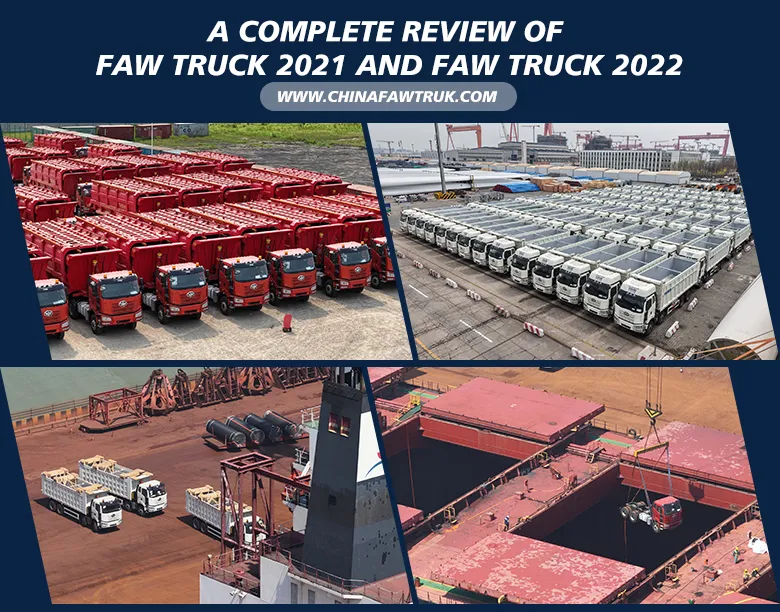
Pièces FAW, y compris l'ensemble bloc-cylindres, sont emballés avec soin pour garantir une livraison en toute sécurité. Chaque composant est sécurisé dans des matériaux de protection pour éviter tout dommage pendant le transport. Le réseau logistique garantit des expéditions ponctuelles dans le monde entier, soutenir des opérations de maintenance efficaces. Vous trouverez ci-dessous une image illustrant l'emballage standard des pièces de camion FAW., mettant en valeur l’attention portée aux détails dans la manipulation et le stockage.
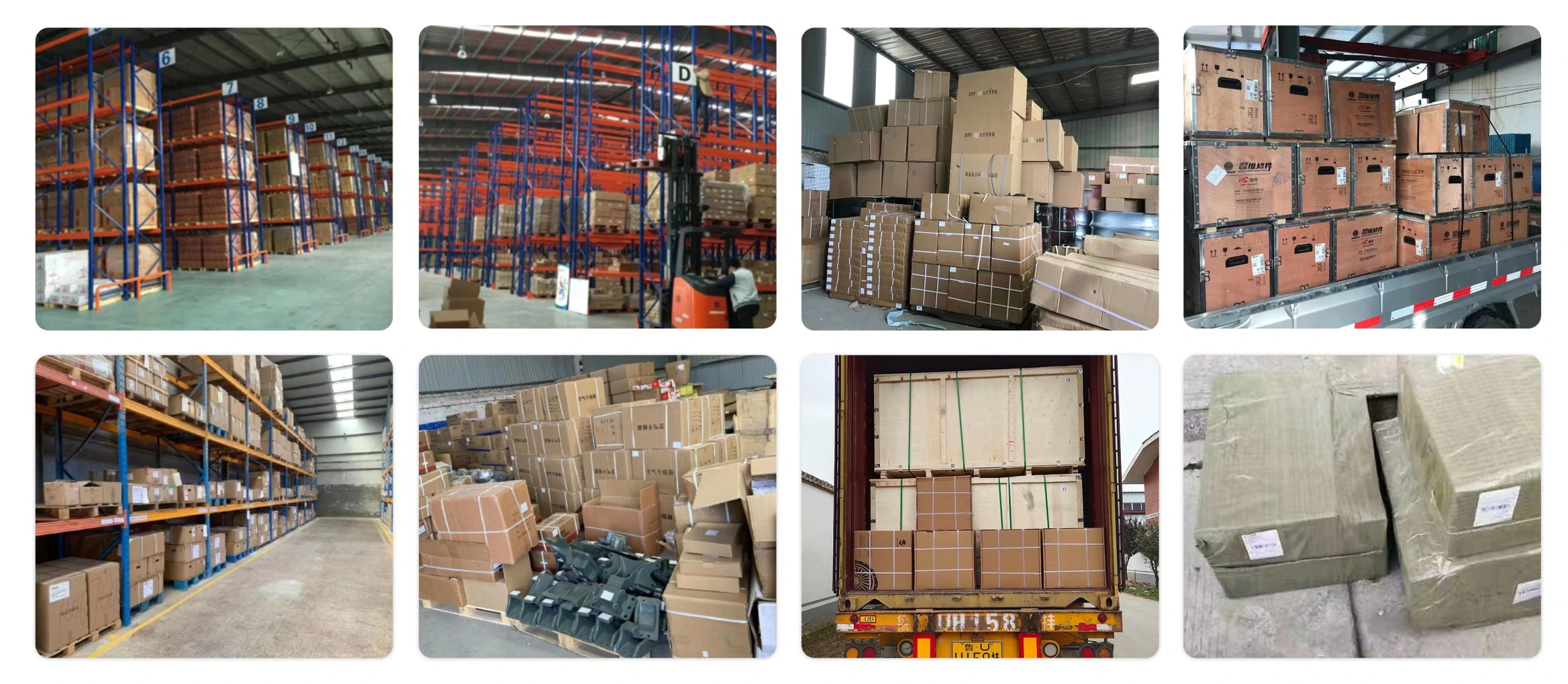
Cette approche d'emballage minimise le risque de corrosion ou de dommages causés par les chocs., s'assurer que les pièces comme l'ensemble bloc-cylindres FAW arrivent en parfait état. Les clients peuvent compter sur la logistique de FAW pour une qualité et une fiabilité constantes.