por 


Bem-vindo a este guia técnico crucial sobre o Bomba de óleo FAW (Parte não. 1011010-81D), o componente que serve como coração do sistema de lubrificação do motor para o FAW Jiefang CA4251P66K24T1A3E5 6×4 trator semirreboque diesel.
O Bomba de óleo FAW é um volume alto, bomba de deslocamento positivo responsável por uma das funções mais críticas do motor: extrair óleo do cárter do cárter e forçá-lo sob alta pressão a todos os componentes vitais, dos rolamentos do virabrequim aos jatos de resfriamento do pistão e ao trem de válvulas.
Este guia é um recurso essencial para técnicos profissionais de motores, especialistas em reconstrução, e gerentes de peças. Vamos desconstruir todo Bomba de óleo FAW montagem em suas menores unidades utilizáveis, incluindo sua válvula de alívio de pressão interna, seu encanamento de saída, e seus componentes críticos de montagem e vedação. Uma falha do Bomba de óleo FAW não é uma questão menor; é um evento catastrófico que pode destruir um motor em minutos.

A unidade principal é o 'Conjunto da Bomba de Óleo’ (1011010-81D). Este é o completo Bomba de óleo FAW unidade, uma carcaça usinada com precisão contendo o mecanismo central da bomba. Em motores diesel pesados, esta é normalmente uma bomba tipo gerotor ou uma bomba de engrenagem reta. É um “deslocamento positivo” projeto, o que significa que se move um fixo, volume constante de óleo a cada rotação do motor.
Esta bomba não é acionada por uma correia; é um torque alto, componente acionado por engrenagem. Ele normalmente é montado profundamente no interior do motor, na placa do rolamento principal, e é acionado diretamente por uma engrenagem no bico do virabrequim.. Este direto, “antiderrapante” drive é essencial para confiabilidade, como qualquer falha no Bomba de óleo FAW mecanismo de acionamento resultaria em pressão de óleo zero e imediata, apreensão catastrófica do motor.
O corpo do Bomba de óleo FAW é normalmente fundido em alumínio ou ferro de alta resistência, com tolerâncias internas extremamente restritas (medido em dez milésimos de polegada) pelo seu conjunto de engrenagens. Essas folgas apertadas são o que permitem que a bomba crie a alta sucção necessária para retirar o óleo do cárter e a alta pressão necessária para forçá-lo através dos estreitos rolamentos e galerias do motor.. Qualquer pontuação ou desgaste dentro do Bomba de óleo FAW carcaça de óleo contaminado reduzirá essas folgas, levando a uma perda permanente de pressão do óleo.
O recurso de segurança mais importante do Bomba de óleo FAW é o ‘Conjunto da válvula limitadora de pressão da bomba de óleo’ (1011055-81D). Porque o Bomba de óleo FAW é uma bomba de deslocamento positivo, sua pressão de saída continuará a subir indefinidamente à medida que a rotação do motor aumenta. Em uma partida a frio em clima congelante, espesso, óleo de alta viscosidade pode fazer com que essa pressão atinja níveis perigosos – altos o suficiente para romper o recipiente do filtro de óleo ou estourar as vedações.
Esta válvula limitadora de pressão, também conhecida como válvula de alívio de pressão, é a proteção integrada do motor. É um simples, pistão com mola (ou bola e primavera) montagem integrada diretamente no Bomba de óleo FAW habitação. A mola é calibrada com precisão para uma pressão definida (Por exemplo, 90 PSI).
Durante a operação normal, a válvula permanece fechada. Se a pressão do óleo exceder o ajuste da mola, a pressão força o pistão a abrir, que revela um “ignorar” porta. Esta porta despeja o excesso, óleo de alta pressão diretamente de volta para o lado de *entrada* do Bomba de óleo FAW ou de volta ao cárter. Esta ação “limites” ou “regula” a pressão máxima em todo o sistema de lubrificação. Uma válvula presa aberta causará pressão de óleo permanentemente baixa, enquanto uma válvula travada causará os picos de pressão mencionados acima. Seu funcionamento adequado é fundamental para o Bomba de óleo FAW.
Uma vez que o óleo é pressurizado pelo Bomba de óleo FAW e passou pela válvula de alívio de pressão, deve ser enviado para o resto do motor. Este é o trabalho do ‘Tubo de saída da bomba de óleo’ (1011041-81D). Este é um rígido, tubo pré-curvado que serve como artéria principal, conectando a porta de saída da bomba à galeria de óleo principal do bloco do motor.
Este tubo se conecta ao conjunto do conector de saída da bomba de óleo’ (1011050-81D), qual é o principal “banjo” ou “mesa” encaixe que é aparafusado na própria carcaça da bomba. Esta conexão deve ser vedada totalmente, alta pressão do Bomba de óleo FAW.
A lista de peças especifica um ‘Anel de vedação’ (CQ72324) para este fim. Esta é uma lavadora de esmagamento crítica, provavelmente feito de alumínio macio ou cobre. Ele é instalado no 'Combination Bolt’ (CQ1461050) que fixa o conjunto do conector ao Bomba de óleo FAW. Quando apertado, esta junta se deforma para criar um perfeito, vedação de alta pressão. Reutilizar esta lavadora é um grande risco, já que um vazamento neste momento não seria apenas um gotejamento; seria uma catástrofe, spray de alta pressão que drenaria o óleo do motor em segundos.
O Bomba de óleo FAW deve ser montado com absoluta precisão. Sua engrenagem interna deve engrenar perfeitamente com a engrenagem do virabrequim, e suas portas de entrada/saída devem estar alinhadas exatamente com as galerias do bloco do motor. Este alinhamento não é conseguido pelos parafusos; é conseguido pelos dois 'pinos de passador’ (1011012-D1). Estes são pinos de aço endurecido que são pressionados no bloco do motor. O Bomba de óleo FAW a caixa tem dois furos correspondentes. Estas cavilhas prendem a bomba em seu único, localização exata *antes* de os parafusos serem apertados.
O corpo principal do Bomba de óleo FAW é selado ao bloco do motor pelos dois 'anéis de vedação’ (1011042-81D). Estes são grandes, anéis de vedação de alta temperatura. Um anel sela o “ingestão” galeria (o lado de sucção de baixa pressão vindo do cárter de óleo/tubo coletor). O outro anel sela o “tomada” galeria (o lado de alta pressão que vai para o filtro de óleo). Uma falha no O-ring de admissão fará com que a bomba sugue ar, levando à aeração do óleo e perda de pressão. Uma falha no O-ring de saída fará com que o óleo de alta pressão seja despejado diretamente de volta no cárter, também resultando em uma perda total de pressão do óleo.
Com a bomba localizada pelas cavilhas e vedada pelos O-rings, é protegido pelo 'Parafuso Combinado’ (CQ1461070) unidades. A lista pede quatro desses parafusos, que protegem a caixa principal do Bomba de óleo FAW para o motor. Esses parafusos, que apresentam arruelas de mola cativas, são fundamentais para prevenir o Bomba de óleo FAW de vibrar solto ao longo de sua vida útil.
A tabela a seguir fornece o completo, detalhamento detalhado de todos os componentes identificados na 'Bomba de Óleo’ diagrama para o trator FAW CA4251P66K24T1A3E5. Um serviço profissional da Bomba de óleo FAW requer a substituição obrigatória de todas as juntas e anéis de vedação.
| Marca | Parte não. | Nome da peça | Quantidade |
|---|---|---|---|
| 1 | 1011010-81D | Conjunto da bomba de óleo | 1 |
| 2 | CQ1461070 | Parafuso de combinação | 4 |
| 3 | 1011012-D1 | Pino-guia | 2 |
| 4 | 1011042-81D | Anel de vedação | 2 |
| 5 | 1011041-81D | Tubo de saída da bomba de óleo | 1 |
| 6 | 1011050-81D | Conjunto do conector de saída da bomba de óleo | 1 |
| 7 | CQ72324 | Anel de vedação | 1 |
| 8 | 1011055-81D | Conjunto da válvula limitadora de pressão da bomba de óleo | 1 |
| 9 | CQ1461050 | Parafuso de combinação | 2 |
As especificações para o Bomba de óleo FAW são definidos por sua função como o alto volume, coração acionado por engrenagem do sistema de lubrificação do motor. A confiabilidade de todo Bomba de óleo FAW é fundamental.
| Aplicação em veículos | FAW Jiefang CA4251P66K24T1A3E5 6×4 Trator |
| Grupo de Componentes | Bomba de óleo FAW |
| Conjunto principal P/N | 1011010-81D |
| Tipo de bomba | Deslocamento Positivo (Gerotor ou engrenagem reta) |
| Sistema de acionamento | Orientado diretamente (Engrenagem do virabrequim) |
| Regulação de pressão | Válvula limitadora de pressão integrada (1011055-81D) |
| Selos da Galeria Principal | 2x Anel de vedação (1011042-81D) |
| Sistema de alinhamento | 2x pino passador (1011012-D1) |
| Vedação do conector de saída | 1x Anel de Junta (CQ72324) |
| Função Primária | Para sucção, pressurizar, e circule o óleo do motor para todos os componentes internos. |
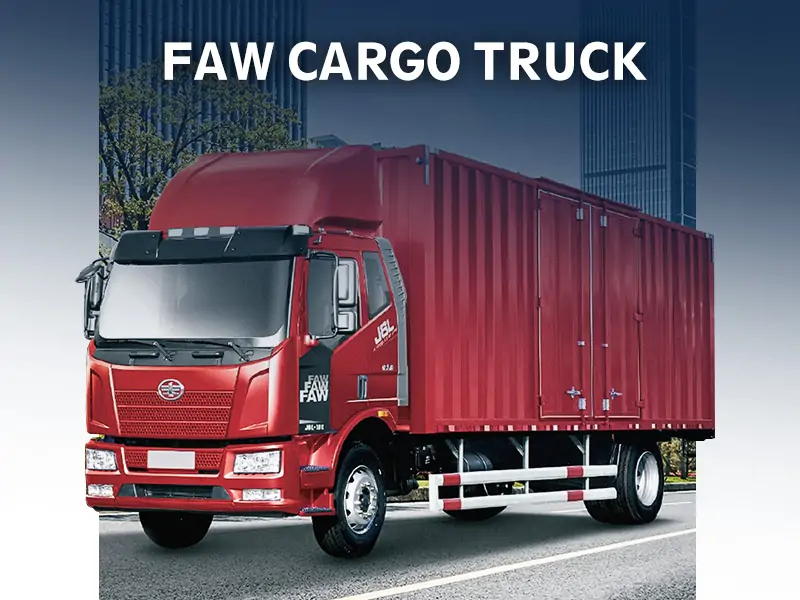
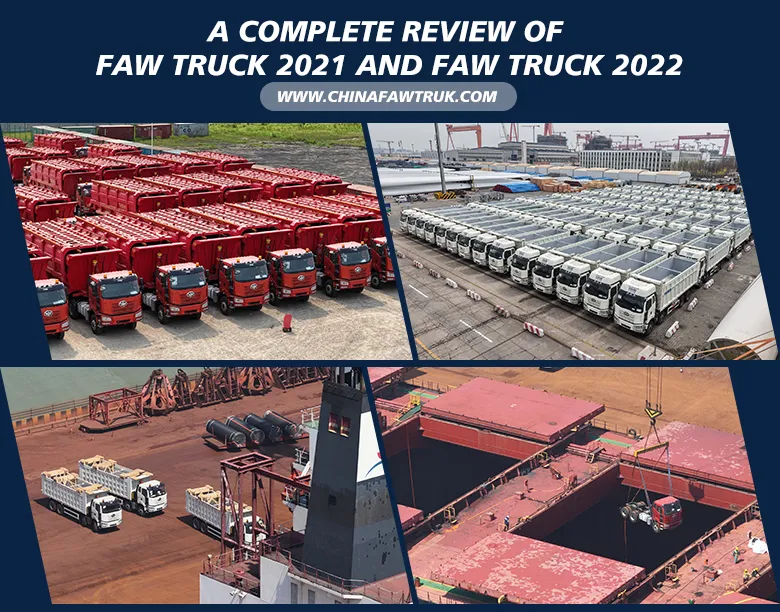
Peças FAW, incluindo o conjunto do bloco de cilindros, são embalados com cuidado para garantir uma entrega segura. Cada componente é protegido por materiais de proteção para evitar danos durante o transporte. A rede logística garante envios pontuais em todo o mundo, apoiando operações de manutenção eficientes. Abaixo está uma imagem ilustrando a embalagem padrão para peças de caminhão FAW, mostrando a atenção aos detalhes no manuseio e armazenamento.
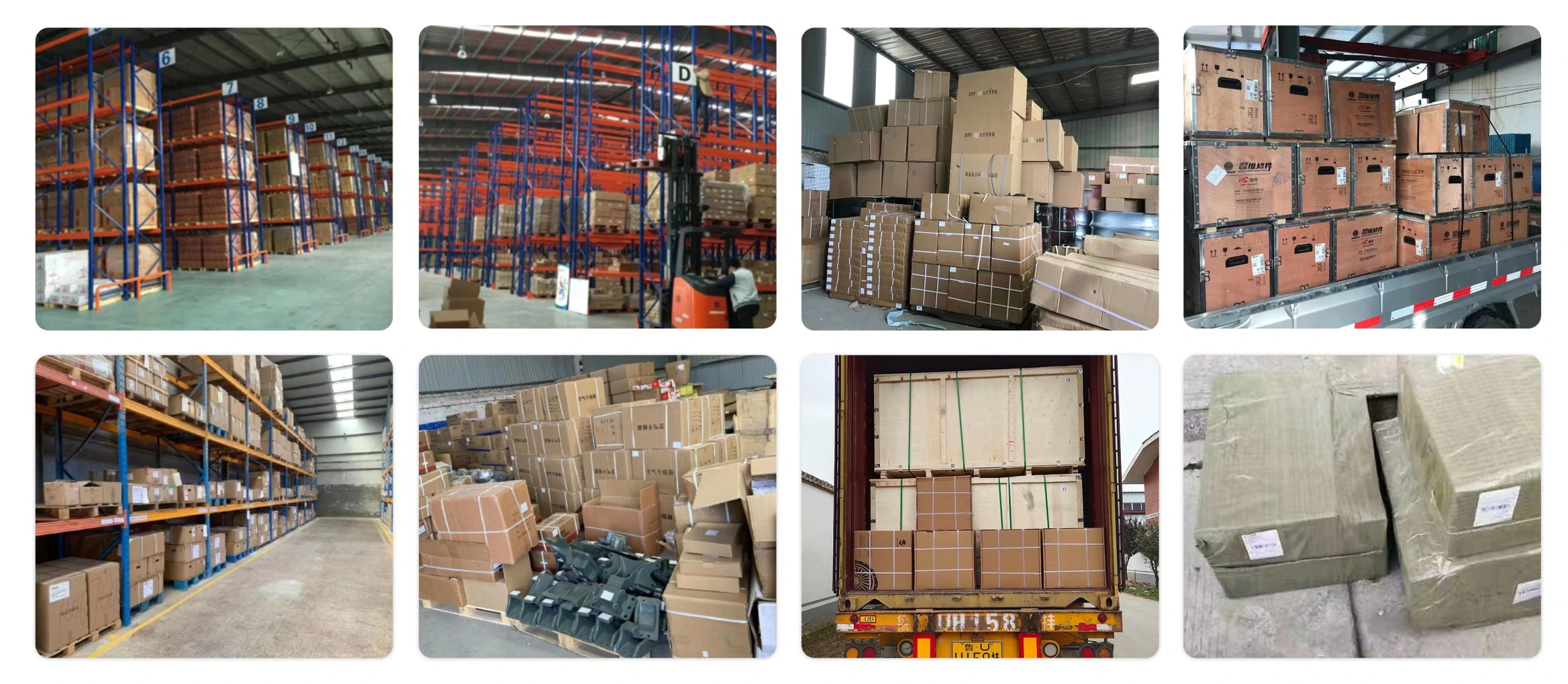
Esta abordagem de embalagem minimiza o risco de corrosão ou danos por impacto, garantindo que peças como o conjunto do bloco de cilindros FAW cheguem em perfeitas condições. Os clientes podem confiar na logística da FAW para obter qualidade e confiabilidade consistentes.