Tige de réaction inférieure de suspension d'équilibre russe FAW: Sécurisation 5 Liens clés pour la géométrie de la transmission arctique
Le Tige de réaction inférieure de suspension d'équilibre assembly is the foundational stabilizer for the rear bogie of the CA3250P66K24L1TE5Z heavy-duty dump truck. Working in tandem with the upper rods, these lower linkages form a parallelogram geometry that maintains the precise pinion angle of the drive axles during the immense torque reactions of acceleration and braking. Conçu avec “65B” arctic-grade rubber joints and high-tensile steel forgings, le Tige de réaction inférieure de suspension d'équilibre system is built to prevent axle wind-up and wheel hop in the sub-zero conditions of the Siberian mining sector. This guide details the structural logic, the bushing technology, and the SPL fastening architecture that defines this critical suspension node.

Tige de réaction inférieure de suspension d'équilibre
Structural Dynamics of the Reaction Rods
La fonction essentielle du Tige de réaction inférieure de suspension d'équilibre is to transmit the tractive force from the wheels to the chassis frame while resisting the torque reaction that tries to rotate the axle housing. This assembly utilizes two distinct rod profiles: le Front Lower Reaction Rod with Rubber Joint Assembly (Partie no. 2919010-65B) connecting the forward drive axle, et le Rear Lower Reaction Rod with Rubber Joint Assembly (Partie no. 2919020-65B) connecting the rear drive axle. These rods are forged from high-strength alloy steel to withstand compressive loads exceeding 15 tons when the truck is fully loaded and climbing a steep grade.
La géométrie du Tige de réaction inférieure de suspension d'équilibre est critique. It must be perfectly parallel to the frame rails to ensure that the axles remain square to the chassis. Any deviation or bending in the rod will cause the axle to steer passively (“thrust angle misalignment”), leading to severe tire scrubbing and unpredictable handling on icy roads. FAW engineers have optimized the cross-sectional area of these rods to provide maximum buckling resistance without adding unnecessary unsprung weight to the suspension system.
Dans le contexte du Tige de réaction inférieure de suspension d'équilibre, the connection points are the areas of highest stress. The forged eyes at either end of the rod are precision-machined to accept the rubber joint assemblies. The transition from the rod shaft to the eye is radiused to eliminate stress risers, a crucial design feature for preventing fatigue cracks in the brittle cold of the Russian winter. This robust construction ensures that the Tige de réaction inférieure de suspension d'équilibre remains the reliable backbone of the vehicle’s propulsion geometry.
Le “65B” suffix on the rod assemblies indicates a specific configuration for the J6P heavy-duty chassis. This specification accounts for the increased articulation range required by off-road dump trucks. Le Tige de réaction inférieure de suspension d'équilibre must allow the axle to tilt significantly when one wheel drops into a deep rut, without the rod binding or hitting the chassis frame. This clearance and articulation capability are what separate a true off-road component from a standard highway part.
Rubber Joint Technology and Vibration Isolation
The interface between the steel rod and the chassis is the rubber joint. Dans le Tige de réaction inférieure de suspension d'équilibre assemblée, these joints serve a dual purpose: they allow for angular movement and they isolate the chassis from high-frequency road vibration. The rubber compound used in the “65B” specification is chemically formulated to remain flexible at -50°C. Standard natural rubber would crystallize and shatter under impact at these temperatures, but the FAW synthetic blend retains its elasticity, préserver l'intégrité du Tige de réaction inférieure de suspension d'équilibre.
The design of the rubber joint typically involves a “silent block” construction, where the rubber is vulcanized between an inner steel sleeve and an outer steel shell. This design eliminates friction and wear, as the movement is accommodated by the internal twisting of the rubber itself. Pour le Tige de réaction inférieure de suspension d'équilibre, this means zero maintenance is required for the joint itself—no greasing is necessary. Cependant, the condition of the rubber is the primary indicator of the rod’s health; deep cracks or separation from the metal sleeve signal immediate replacement.
The torsional stiffness of the rubber joint in the Tige de réaction inférieure de suspension d'équilibre significantly affects the vehicle’s roll stability. If the rubber is too soft, the axle will feel vague; if too hard, it will transmit shock loads to the chassis. FAW has tuned the “65B” joint to provide the optimal balance for a loaded dump truck, ensuring stability during cornering while absorbing the harsh impacts of mining roads. This tuning is specific to the Tige de réaction inférieure de suspension d'équilibre application.
En outre, the inner sleeve of the joint is serrated or textured on its end faces to bite into the mounting brackets. This ensures that when the mounting bolt is torqued, the inner sleeve becomes a solid part of the bracket, forcing all movement to occur within the rubber. This design feature prevents the bolt from pivoting and wearing out the bracket holes, a common failure mode in inferior suspension designs that lack the engineering depth of the Tige de réaction inférieure de suspension d'équilibre.
SPL Fastening Logic and Bolt Security
La sécurité du Tige de réaction inférieure de suspension d'équilibre is guaranteed by the advanced Écrou anti-desserrage à petite bride hexagonale SPL (Partie no. T32724TF2). Le SPL (Verrouillage autonome) nut features a specialized thread deformation technology that creates a mechanical interference fit with the bolt threads. This locking action is independent of bolt tension, meaning the nut will not back off even if the joint settles or thermal contraction reduces the clamping load. Pour le Tige de réaction inférieure de suspension d'équilibre, which endures millions of vibration cycles, this technology is essential.
The assembly utilizes eight units of the Boulon à tête hexagonale (Partie no. CQ1512495T) and four units of the Boulon (Partie no. 2919161-242). Le “T” le suffixe indique une classe de résistance à haute traction, probable 10.9 ou 12.9, providing the shear strength necessary to transmit the truck’s driving force. The length of the CQ1512495T bolt is precise; it must pass through the bracket and the rod’s inner sleeve with enough thread exposed to fully engage the SPL nut’s locking feature. Le Tige de réaction inférieure de suspension d'équilibre relies on these bolts acting as rigid pins that do not bend or stretch under load.
The fastening logic emphasizes high clamping force. The torque applied to the SPL nuts creates friction between the rod’s inner sleeve and the chassis bracket. This friction grip is the primary mechanism for load transfer. The bolts of the Tige de réaction inférieure de suspension d'équilibre are essentially clamping devices. If the torque is insufficient, the friction grip fails, and the full load is transferred to the bolt shank in shear, conduisant à un échec rapide. Donc, adhering to torque specifications is the most critical maintenance step for the Tige de réaction inférieure de suspension d'équilibre.
Corrosion protection for these fasteners is vital in the Russian environment. The bolts and SPL nuts are treated with a specialized zinc-flake coating (Dacromet/Geomet) to prevent rust seizure. Cela garantit que le Tige de réaction inférieure de suspension d'équilibre can be serviced or replaced without the need for destructive removal methods like torching, which could damage the heat-treated brackets or the rubber bushings of adjacent components.
Operational Maintenance and Inspection
Maintenir le Tige de réaction inférieure de suspension d'équilibre requires a proactive approach. Visual inspection should be performed weekly in severe off-road applications. Mechanics should check for any curvature in the rods themselves; a bent Tige de réaction inférieure de suspension d'équilibre effectively shortens the wheelbase on one side, causing the axle to skew and the truck to “crab” down the road. This misalignment destroys tires and puts immense stress on the wheel bearings.
The rubber joints must be inspected for concentricity. If the inner metal sleeve is no longer centered in the outer eye, the rubber has collapsed. This allows the metal parts to contact, sending a harsh metallic clunk through the chassis during acceleration or braking. Remplacer le Tige de réaction inférieure de suspension d'équilibre before the rubber completely fails prevents damage to the mounting brackets, which are much more difficult and expensive to replace.
It is highly recommended to replace the SPL nuts (Partie no. T32724TF2) whenever the Tige de réaction inférieure de suspension d'équilibre est supprimé. The locking feature of these nuts is designed to deform upon installation; reusing them significantly reduces their holding power. Given the low cost of the nuts relative to the risk of a loose suspension link, using new fasteners is a mandatory safety protocol for any reputable fleet workshop.
Enfin, when installing new rods, the bolts should only be fully torqued when the vehicle is at its natural ride height (wheels on the ground). Torquing the bolts while the suspension is hanging (on a lift) pre-twists the rubber bushing. When the truck is lowered, this pre-twist adds constant stress to the rubber, provoquant le Tige de réaction inférieure de suspension d'équilibre bushings to tear prematurely. Following this “ride-height torque” rule is essential for maximizing component life.
Répartition des composants: 159. Balance Suspension Lower Reaction Rod Logic
| Non. |
Numéro de pièce |
Nom de la pièce |
Quantité |
| 1 | T32724TF2 | Écrou anti-desserrage à petite bride hexagonale SPL | 12 |
| 2 | CQ1512495T | Boulon à tête hexagonale | 8 |
| 3 | 2919161-242 | Boulon | 4 |
| 4 | 2919020-65B | Rear Lower Reaction Rod with Rubber Joint Assembly | 2 |
| 5 | 2919010-65B | Front Lower Reaction Rod with Rubber Joint Assembly | 2 |
Conclusion: Axle Stability Guaranteed
Le Tige de réaction inférieure de suspension d'équilibre is the critical link that transforms engine torque into forward motion without compromising the structural integrity of the suspension. By maintaining precise axle location and isolating the chassis from shock loads, it ensures the CA3250P66K24L1TE5Z performs reliably in the harshest conditions. La combinaison de “65B” arctic rubber technology and SPL fastening creates a system that is both durable and serviceable.
Pour les exploitants de flotte, the health of the Tige de réaction inférieure de suspension d'équilibre is a direct indicator of the fleet’s readiness. Regular inspections and timely replacement of worn rods prevent cascading failures that can sideline a truck for days. Utilizing genuine FAW parts ensures that the metallurgical and geometric standards of the original design are met, keeping the logistics chain moving smoothly across the frozen tundra.
Emballage et logistique
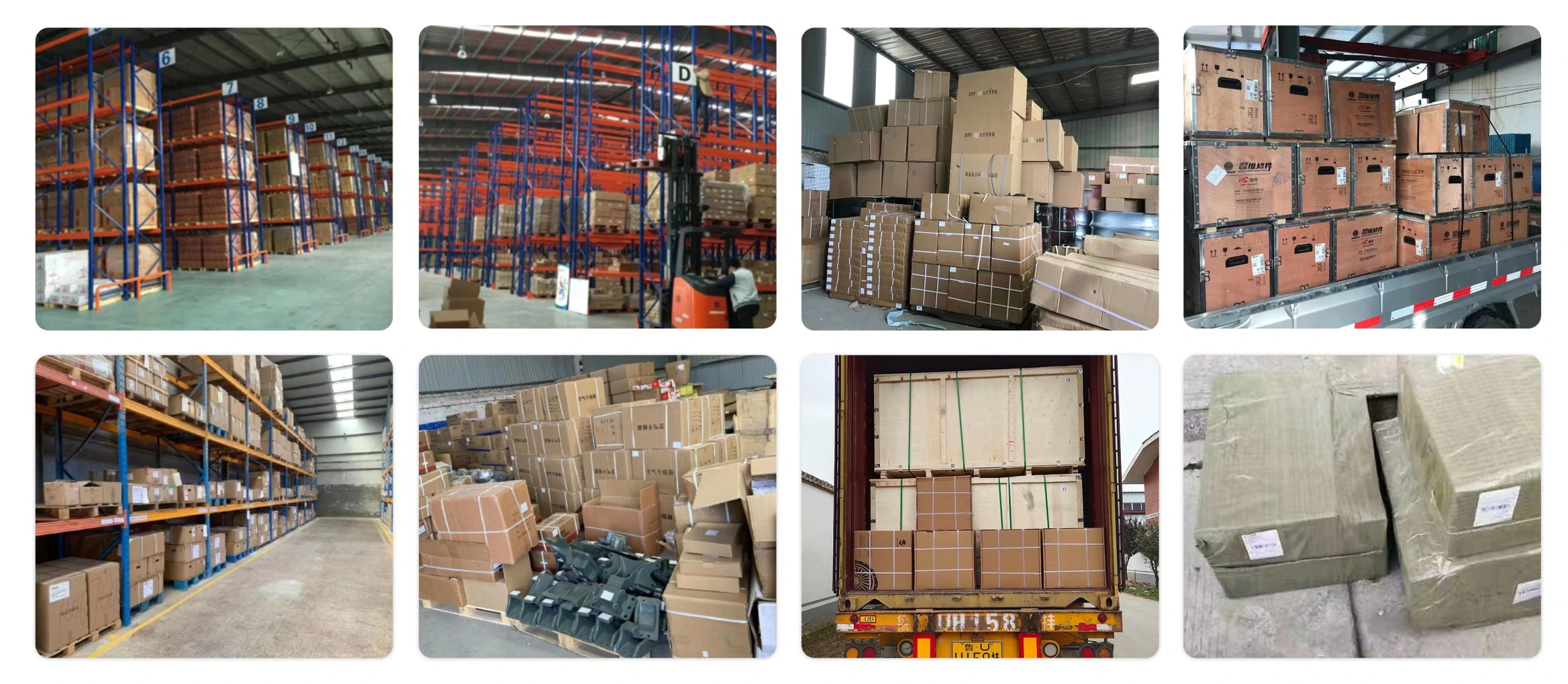
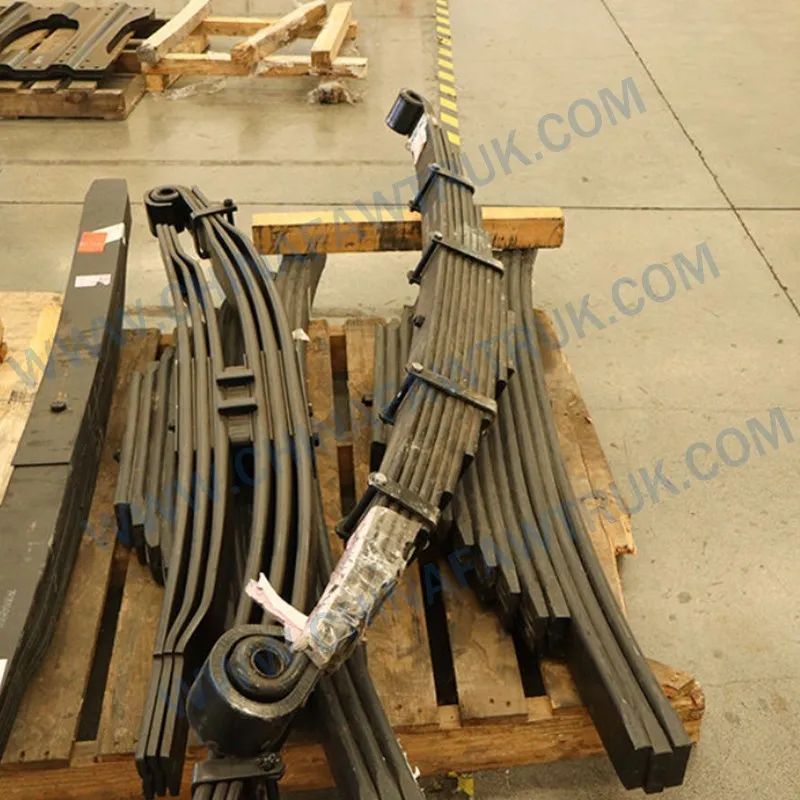
Pièces FAW, y compris l'ensemble bloc-cylindres, sont emballés avec soin pour garantir une livraison en toute sécurité. Chaque composant est sécurisé dans des matériaux de protection pour éviter tout dommage pendant le transport. Le réseau logistique garantit des expéditions ponctuelles dans le monde entier, soutenir des opérations de maintenance efficaces. Vous trouverez ci-dessous une image illustrant l'emballage standard des pièces de camion FAW., mettant en valeur l’attention portée aux détails dans la manipulation et le stockage.
Cette approche d'emballage minimise le risque de corrosion ou de dommages causés par les chocs., s'assurer que les pièces comme l'ensemble bloc-cylindres FAW arrivent en parfait état. Les clients peuvent compter sur la logistique de FAW pour une qualité et une fiabilité constantes.