FAW Russian Front Lower Protective System: 3 Strategic Barriers for Undercarriage Defense
The FAW Russian Front Lower Protective assembly serves as the critical shield for the CA3250P66K24L1TE5Z dump truck’s vulnerable underbelly. Often referred to as the Front Underrun Protection System (FUPS), this assembly is engineered not only to meet safety regulations but to physically protect the engine sump, radiator, and steering linkage from the brutal terrain of the Siberian mining sector. Unlike standard highway guards, the FAW Russian Front Lower Protective system utilizes heavy-gauge steel welded assemblies designed to absorb high-impact energy at -50°C. This technical guide analyzes the structural logic of the mounting brackets, the rigidity of the cross beam, and the fastening protocols essential for arctic durability.

FAW Russian Front Lower Protective
Support Architecture: The Bracket System
The foundation of the FAW Russian Front Lower Protective unit lies in its mounting hardware. The assembly is anchored to the chassis frame rails by the Front Lower Protection Left Bracket (Part No. 2802021-96U) and the Front Lower Protection Right Bracket (Part No. 2802022-96U). These brackets are not simple stamped metal; they are fabricated from heavy-duty steel plate, bent and reinforced to withstand significant shear forces. In the event of a frontal collision with a snowbank or a rock outcropping, these brackets are designed to deform plastically, absorbing kinetic energy before it can damage the main chassis rails.
The design geometry of the FAW Russian Front Lower Protective brackets positions the cross beam at the optimal height to deflect debris away from the sensitive steering components. In the deep ruts of a Russian logging road, ground clearance is vital. These brackets ensure the protective beam sits low enough to be effective but high enough to avoid becoming a plow. The “96U” designation indicates a specific material treatment that maintains ductility in extreme cold, preventing the FAW Russian Front Lower Protective mounts from snapping due to brittle fracture during impact.
Mounting these brackets requires a connection that is immune to vibration. The FAW Russian Front Lower Protective system utilizes the Hexagon Head Flange Bolt (Part No. Q1851440T). Ten of these high-tensile bolts are used to secure the brackets. The flange head design eliminates the need for separate washers, providing a large clamping surface that resists embedding into the bracket material. This ensures that the FAW Russian Front Lower Protective structure remains rigid, maintaining the structural integrity of the truck’s front end even after thousands of kilometers of washboard roads.
The Impact Barrier: Cross Beam Dynamics
Spanning the width of the vehicle is the Front Lower Protection Cross Beam Welding Assembly (Part No. 2802080-70S). This is the primary impact member of the FAW Russian Front Lower Protective system. Constructed from a tubular steel section, it offers a high strength-to-weight ratio. The circular or rectangular profile provides immense resistance to bending, allowing the FAW Russian Front Lower Protective beam to deflect impacts from ice boulders and tree stumps that would otherwise puncture the oil pan or intercooler.
The “Welding Assembly” nomenclature implies that this component includes integrated mounting tabs and reinforcements. The weld quality on the FAW Russian Front Lower Protective beam is critical; the seams must be free of porosity and penetration defects. In the arctic cold, thermal contraction creates tension in welded joints. FAW utilizes a low-hydrogen welding process for the FAW Russian Front Lower Protective beam to prevent cold-cracking, ensuring the barrier remains a unified structure under stress.
Beyond impact protection, the cross beam of the FAW Russian Front Lower Protective assembly plays a role in chassis rigidity. By tying the left and right brackets together, it acts as a lower cross-member, reducing frame twist during cornering. This added stiffness improves the handling characteristics of the dump truck. Fleet managers often inspect the FAW Russian Front Lower Protective beam for deformation; a bent beam is a clear indicator that the truck has suffered a significant undercarriage impact, warranting a closer inspection of the suspension alignment.
Fastening Logic and Vibration Control
The connection between the cross beam and the support brackets in the FAW Russian Front Lower Protective system is a critical maintenance point. This interface utilizes the Bolt (Part No. CQ1501235T) paired with the Spring Washer (Part No. Q40312). The choice of a standard bolt with a spring washer, rather than a flange bolt, suggests a need for specific tension retention. The spring washer acts as a live spring, maintaining preload on the bolted joint even as the FAW Russian Front Lower Protective beam compresses and expands with temperature changes.
There are eight of these bolt-washer combinations securing the beam. If these fasteners were to loosen, the FAW Russian Front Lower Protective beam would rattle, creating noise and eventually elongating the mounting holes. Once the holes are ovalized, the beam cannot be securely tightened again and must be replaced. Therefore, checking the torque on these specific bolts is a mandatory step in the preventative maintenance schedule for the FAW Russian Front Lower Protective assembly.
The bolt grade selected for the FAW Russian Front Lower Protective is Class 10.9 or higher, capable of withstanding high shear loads. This ensures that in a glancing blow, the bolts do not shear off, keeping the protective beam attached to the truck. The engineering behind the FAW Russian Front Lower Protective prioritizes fail-safe modes; it is better for the beam to bend than for it to detach and become a hazard under the wheels.
Arctic Operational Resilience
The operational environment for the FAW Russian Front Lower Protective system is hostile. Deep snow, frozen mud, and chemical de-icers create a perfect storm for corrosion and mechanical stress. The steel components of the FAW Russian Front Lower Protective assembly are treated with a heavy-duty chassis paint and often a wax undercoating to resist rust. Maintaining this coating is essential; once rust compromises the brackets, the structural rating of the entire FAW Russian Front Lower Protective system is degraded.
Furthermore, the open design of the FAW Russian Front Lower Protective assembly prevents the accumulation of packed snow. Solid skid plates can trap tons of snow and ice against the engine, causing overheating or belt slippage. The tubular/beam design of the FAW Russian Front Lower Protective allows snow to pass through while still blocking large, damaging objects. This thoughtful design element highlights the specific adaptation of the FAW Russian Front Lower Protective for northern latitudes.
For operators, the FAW Russian Front Lower Protective bar also serves as a visual indicator of ground clearance. If the driver hears the FAW Russian Front Lower Protective beam scraping, they know they have exceeded the truck’s clearance limits and must back off before damaging the differential or fuel tank. It serves as a tactile “feeler” gauge for the driver in deep snow, adding an extra layer of operational safety to the vehicle.
Component Breakdown: Front Lower Protection Logic Assembly
| No. |
Part Number |
Part Name |
Qty |
| 1 | 2802021-96U | Front Lower Protection Left Bracket | 1 |
| 2 | 2802022-96U | Front Lower Protection Right Bracket | 1 |
| – | Q1851440T | Hexagon Head Flange Bolt | 10 |
| 3 | 2802080-70S | Front Lower Protection Cross Beam Welding Assembly | 1 |
| – | CQ1501235T | Bolt | 8 |
| – | Q40312 | Spring Washer | 8 |
Conclusion: Essential Undercarriage Armor
The FAW Russian Front Lower Protective assembly is a non-negotiable component for any CA3250P66K24L1TE5Z truck operating off-road. It provides the physical barrier necessary to keep the vehicle’s powertrain safe from the hazards of the terrain. By combining robust mounting brackets with a heavy-duty cross beam, FAW has created a system that sacrifices itself to save the truck. Regular inspection of the mounting bolts and the structural condition of the beam ensures that this armor remains ready for the next impact.
Investing in genuine replacement parts for the FAW Russian Front Lower Protective system is critical. Aftermarket substitutes often lack the specific low-temperature ductility of the “96U” and “70S” components, leading to premature failure in winter conditions. By maintaining the integrity of this front protection system, fleet operators safeguard their investment and ensure maximum uptime in the world’s most challenging logistical environments.
Packaging and Logistics
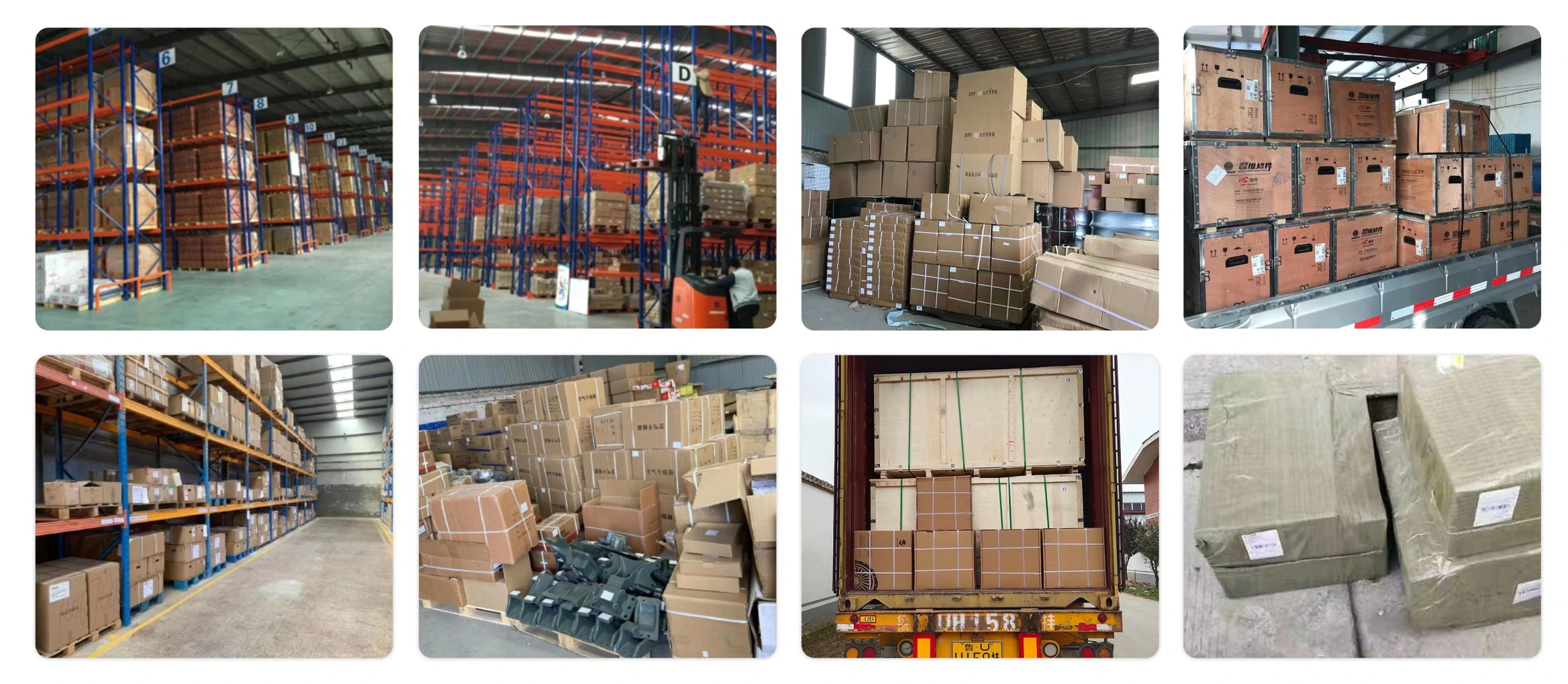
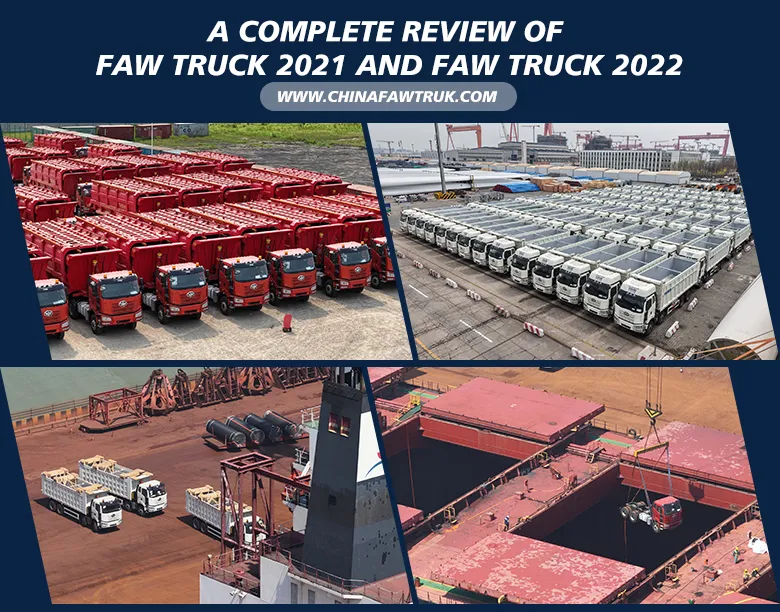
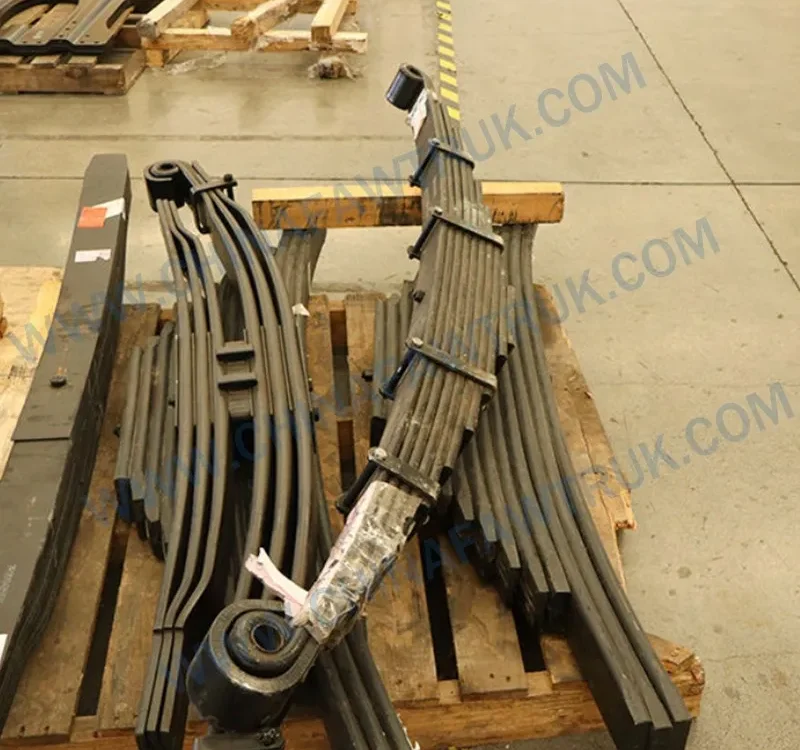
FAW parts, including the Cylinder Block Assembly, are packaged with care to ensure safe delivery. Each component is secured in protective materials to prevent damage during transit. The logistics network guarantees timely shipments worldwide, supporting efficient maintenance operations. Below is an image illustrating the standard packaging for FAW truck parts, showcasing the attention to detail in handling and storage.
This packaging approach minimizes the risk of corrosion or impact damage, ensuring that parts like the FAW Cylinder Block Assembly arrive in perfect condition. Customers can rely on FAW’s logistics for consistent quality and reliability.