FAW Russian Engine Oil Cooler: 28 Vital Components for Supreme Thermal Regulation
The FAW Russian Engine Oil Cooler is the thermal equilibrium device for the CA3250P66K24L1TE5Z heavy-duty engine. It manages the delicate balance between rapid warm-up in Arctic conditions and efficient heat rejection under heavy loads. This guide dissects the complex valve logic, pressure regulation, and sealing architecture that define this essential system.
FAW Russian Engine Oil Cooler
Heat Exchange Architecture: The Core Assembly
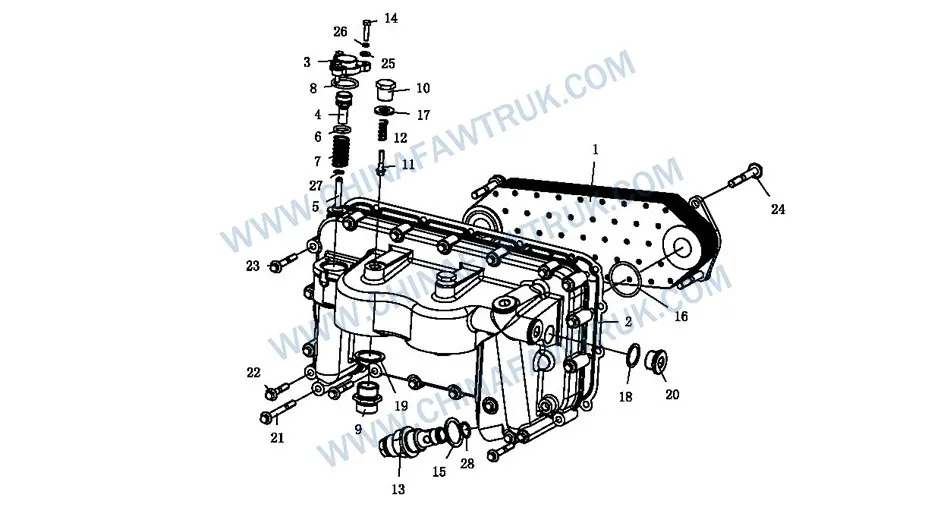
The foundation of the thermal management system is the Oil Cooler Assembly (Part No. 1013010-81D). Within the FAW Russian Engine Oil Cooler architecture, this component utilizes a stacked-plate or shell-and-tube design to maximize the surface area available for heat transfer. As hot oil circulates through the core, it sheds thermal energy into the engine coolant, which is then managed by the radiator.
In the extreme cold of the Russian Federation, the material composition of the housing is critical. It must withstand the thermal shock of hot oil entering a sub-zero aluminum casting without cracking. The FAW Russian Engine Oil Cooler is engineered with reinforced ribbing to handle these internal stresses, ensuring structural integrity during the rapid heating cycles of a morning startup.
Sealing this unit to the engine block requires the Oil Cooler Body Gasket (Part No. 1013012-81D). This is not a standard paper gasket; it is a high-performance composite designed to resist oil saturation and thermal degradation. If this gasket fails, high-pressure oil can leak externally or, worse, cross-contaminate with the coolant system, leading to the dreaded “milkshake” in the sump.
The FAW Russian Engine Oil Cooler system places a heavy reliance on the sealing quality of the O-ring Seal (Part No. GB3452.1_46.2X3.55). Located at critical fluid junctions, these O-rings prevent fluid migration. In Arctic conditions, inferior rubber seals become brittle and fail; FAW uses fluoro-elastomers that remain pliable at -40°C to maintain a hermetic seal.
Cold Start Protection: The Bypass Mechanism
A defining feature of the FAW Russian Engine Oil Cooler is its sophisticated bypass system. When the engine oil is cold and thick, forcing it through the fine passages of the cooler core creates dangerous backpressure. The Valve – Oil Cooler Bypass Valve (Part No. 1013033-53D) is the safety mechanism that prevents the cooler from bursting under this pressure.
This valve is seated against the Valve Seat – Oil Cooler Bypass Valve (Part No. 1013032-53D). When the pressure differential exceeds a calibrated limit, the Spring – Oil Cooler Bypass Valve (Part No. 1013036A53D) compresses, allowing the cold oil to bypass the cooler entirely. This ensures that the engine bearings receive immediate lubrication, even if the oil is too viscous to pass through the heat exchanger.
The entire bypass assembly is contained by the Valve Cover – Oil Cooler Bypass Valve (Part No. 1013031-53D), sealed with a dedicated O-ring – Valve Cover (Part No. 1013037-53D). In the FAW Russian Engine Oil Cooler, maintaining the integrity of this bypass circuit is vital. If the valve sticks open, the oil never cools; if it sticks closed, the cooler core may rupture during a cold snap.
Additionally, the system includes a secondary protection layer involving the Bypass Valve (Part No. 1013052-53D) and its corresponding Valve Seat (Part No. 1013051-53D). This redundancy in the FAW Russian Engine Oil Cooler design underscores the focus on reliability. FAW engineers recognize that in remote Russian logistics routes, a single point of failure cannot be allowed to disable the vehicle.
System Stability: Pressure Regulation Assembly
Maintaining consistent oil pressure is the primary function of the Pressure Regulating Valve Assembly (Part No. 1013060-81D). Situated within the cooler housing, this component acts as the master controller for system pressure. In the FAW Russian Engine Oil Cooler, this valve bleeds off excess pressure generated by the oil pump at high RPMs, returning it to the sump.
The precision of this valve determines the health of the engine. If the pressure is too low, bearings will touch metal-to-metal; if too high, seals will blow out. The FAW Russian Engine Oil Cooler uses a precision-ground piston and spring within this assembly to ensure a linear response to engine speed changes, preventing pressure spikes that could damage the cooler core.
Connections to the full-flow filter are managed by the Connecting Bolt – Full Flow Oil Filter (Part No. 1013041-53D). These robust fasteners serve a dual purpose: securing the filter housing and providing a fluid passage. The metallurgy of these bolts in the FAW Russian Engine Oil Cooler is toughened to resist the shear loads applied during filter removal and installation.
To seal the various ports and test points, the assembly utilizes the Hexagon Socket Plug (Part No. Q/WC3410_M27X1.5). These plugs are essential for diagnostic access. Mechanics can remove them to attach mechanical pressure gauges, allowing for verification of the FAW Russian Engine Oil Cooler performance without disassembling the engine.
The Clamping Strategy: Bolts and Washers
The structural integrity of the FAW Russian Engine Oil Cooler relies on a specific family of fasteners. The primary clamping load is provided by 16 units of the Hex Flange Bolt (R Type) (Part No. Q1820855), supported by smaller quantities of varying lengths like Part No. Q18208100 and Q1821070. The “R Type” designation indicates a reduced shank or specific elasticity designed to maintain tension during thermal expansion.
The flange head design eliminates the need for separate washers, providing a stable platform that resists vibration loosening. This is crucial for the FAW Russian Engine Oil Cooler, which is bolted directly to the vibrating engine block. A loose bolt here would result in an immediate and massive oil leak.
Sealing the banjo connections and plugs requires a variety of copper washers, including the Copper Washer (Part No. Q/WC3403_27X35) and smaller sizes like Q/WC3403_20X28. In the FAW Russian Engine Oil Cooler system, copper is the material of choice because it work-hardens upon compression, forming a permanent seal that is immune to the freeze-thaw cycles of the Russian climate.
Smaller fasteners, such as the Hexagon Head Bolt (Part No. CQ1500625), secure the cover plates and valve housings. Combined with the Spring Washer (Part No. Q40306) and Washer (Part No. Q40106), these ensure that even the lightest components remain secure. Every bolt in the FAW Russian Engine Oil Cooler is a critical component in the fight against oil loss.
Component Breakdown List
The following table details the comprehensive 28-part breakdown for the FAW Russian Engine Oil Cooler. Using the exact part numbers is mandatory to ensure the pressure ratings and thermal properties match the OEM specification for the CA3250P66K24L1TE5Z.
| No. |
Part Number |
Part Name |
Qty |
| 1 |
1013010-81D |
Oil Cooler Assembly |
1 |
| 2 |
1013012-81D |
Oil Cooler Body Gasket |
1 |
| 3 |
1013031-53D |
Valve Cover – Oil Cooler Bypass Valve |
1 |
| 4 |
1013032-53D |
Valve Seat – Oil Cooler Bypass Valve |
1 |
| 5 |
1013033-53D |
Valve – Oil Cooler Bypass Valve |
1 |
| 6 |
1013034-53D |
O-ring – Oil Cooler Bypass Valve |
1 |
| 7 |
1013036A53D |
Spring – Oil Cooler Bypass Valve |
1 |
| 8 |
1013037-53D |
O-ring – Valve Cover |
1 |
| 9 |
1013041-53D |
Connecting Bolt – Full Flow Oil Filter |
2 |
| 10 |
1013051-53D |
Valve Seat |
2 |
| 11 |
1013052-53D |
Bypass Valve |
2 |
| 12 |
1013053A53D |
Spring |
2 |
| 13 |
1013060-81D |
Pressure Regulating Valve Assembly |
1 |
| 14 |
CQ1500625 |
Hexagon Head Bolt |
3 |
| 15 |
CQ72322 |
Sealing Washer |
1 |
| 16 |
GB3452.1_46.2X3.55 |
O-ring Seal |
2 |
| 17 |
Q/WC3403_20X28 |
Copper Washer |
2 |
| 18 |
Q/WC3403_27X35 |
Copper Washer |
3 |
| 19 |
Q/WC3403_30X40 |
Copper Washer |
2 |
| 20 |
Q/WC3410_M27X1.5 |
Hexagon Socket Plug |
3 |
| 21 |
Q18208100 |
Hex Flange Bolt (R Type) |
3 |
| 22 |
Q1820845 |
Hex Flange Bolt (R Type) |
1 |
| 23 |
Q1820855 |
Hex Flange Bolt (R Type) |
16 |
| 24 |
Q1821070 |
Hex Flange Bolt (R Type) |
4 |
| 25 |
Q40106 |
Washer |
3 |
| 26 |
Q40306 |
Spring Washer |
3 |
| 27 |
Q43108 |
Shaft Elastic Retaining Ring |
1 |
| 28 |
Q7342422A |
O-ring Rubber Seal |
1 |
Diagnostic Protocols for Thermal Health
Inspecting the FAW Russian Engine Oil Cooler requires vigilance. Look for signs of external leakage around the Oil Cooler Body Gasket. Oil stains here can indicate loose bolts or a degraded gasket. Never attempt to stop a leak by over-tightening the bolts, as this can warp the aluminum housing. Instead, replace the gasket and torque to spec.
Internal leaks are more insidious. Check the engine coolant for an oily sheen, which indicates oil pressure is forcing lubricant into the water jacket past a failed O-ring Seal. Conversely, check the dipstick for “mayonnaise” sludge, a sign that coolant has breached the cooler core and entered the oil sump.
Finally, verify the operation of the Bypass Valve. If the engine takes an unusually long time to reach operating oil temperature, the valve may be stuck open. If the oil filter canister bulges or bursts on a cold start, the valve is likely stuck closed. Regular oil analysis can detect the wear metals associated with these thermal failures before they destroy the engine.
Conclusion: The Thermostat of Lubrication
The FAW Russian Engine Oil Cooler is a sophisticated thermal management system that does far more than just cool oil. It regulates pressure, ensures cold-start safety, and protects the engine from thermal shock. Every component, from the Pressure Regulating Valve Assembly to the specific copper washers, plays a vital role in this ecosystem.
For fleet owners operating in the unforgiving Russian climate, maintaining this assembly with genuine FAW parts is non-negotiable. Generic coolers often lack the internal reinforcement and precise valve calibration required to survive -40°C starts. By investing in the authentic FAW Russian Engine Oil Cooler, you ensure that your fleet remains reliable, efficient, and profitable, regardless of the weather.
Packaging and Logistics
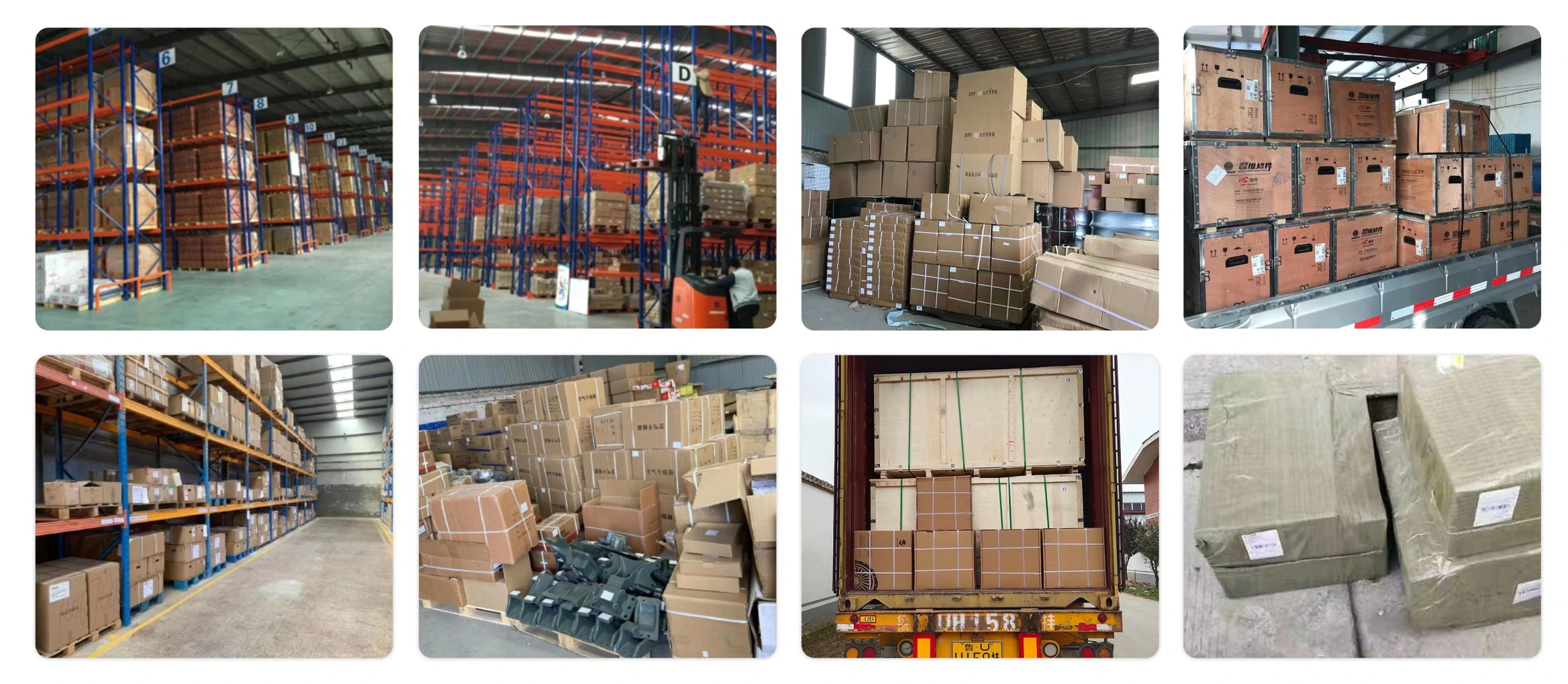
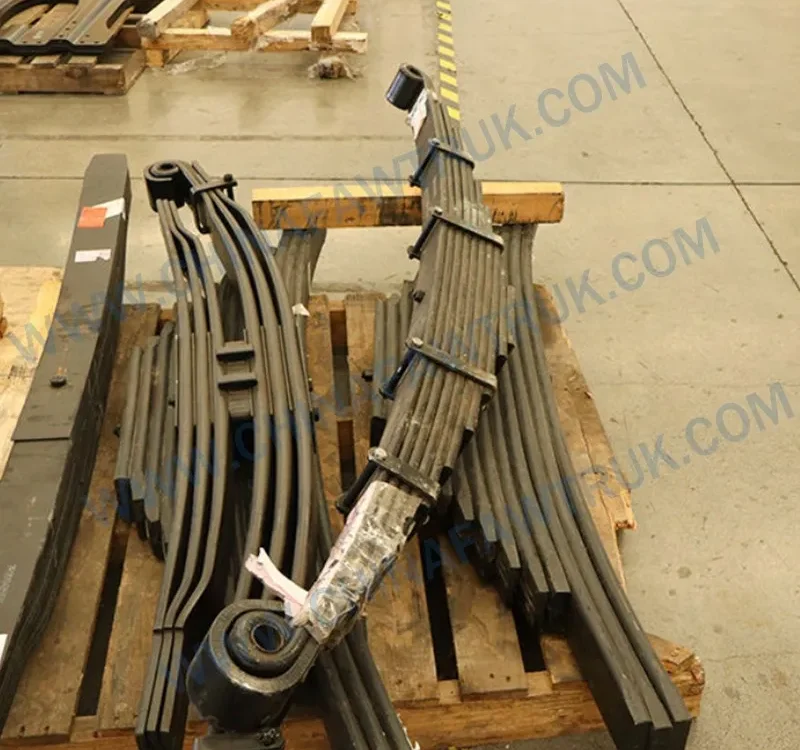
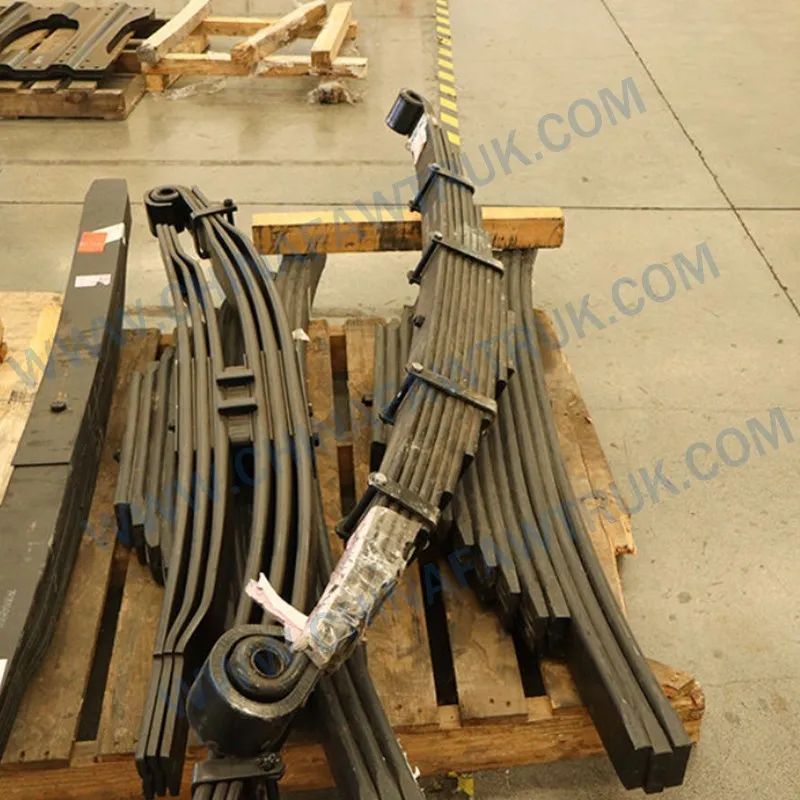
FAW parts, including the Cylinder Block Assembly, are packaged with care to ensure safe delivery. Each component is secured in protective materials to prevent damage during transit. The logistics network guarantees timely shipments worldwide, supporting efficient maintenance operations. Below is an image illustrating the standard packaging for FAW truck parts, showcasing the attention to detail in handling and storage.
This packaging approach minimizes the risk of corrosion or impact damage, ensuring that parts like the FAW Cylinder Block Assembly arrive in perfect condition. Customers can rely on FAW’s logistics for consistent quality and reliability.