FAW Russian Pump Inlet Pipeline: Engineering 5 Vital Components for Flawless Coolant Circulation
The FAW Russian Pump Inlet Pipeline assembly is the hydraulic gateway for the cooling system of the CA3250P66K24L1TE5Z dump truck. Situated at the critical junction between the radiator return and the water pump, this logic assembly manages suction pressure and flow velocity. In the extreme cold of the Russian Federation, ensuring a cavitation-free supply of coolant is essential for engine survival. This guide analyzes the 5 strategic components ensuring thermal stability.

FAW Russian Pump Inlet Pipeline
Flow Dynamics: The Rigid Pipeline Architecture
The central artery of the system is the Water Pump Inlet Pipe (Part No. 1303062-74A). Within the FAW Russian Pump Inlet Pipeline assembly, this rigid conduit plays a definitive role in fluid mechanics. Unlike flexible hoses that can collapse under high suction vacuum, this metal pipe maintains a constant cross-sectional area. This structural rigidity is crucial when the engine is operating at high RPMs, where the water pump generates significant negative pressure at the inlet. A collapsing line would starve the pump, leading to immediate overheating.
The internal geometry of the Water Pump Inlet Pipe is smoothed to minimize hydraulic friction losses. In the context of the FAW Russian Pump Inlet Pipeline, reducing turbulence is vital for preventing cavitation. Cavitation occurs when pressure drops create vapor bubbles that violently collapse against the metal, pitting the surface and eroding the pump impeller. By optimizing the bend radii and internal surface finish, FAW engineers ensure a laminar flow of coolant, even when the fluid is thick and viscous during a -40°C cold start.
Material selection for the pipe involves high-grade steel treated with a robust anti-corrosion coating. Russian winter roads are heavily treated with chloride salts. The position of the FAW Russian Pump Inlet Pipeline low on the engine block exposes it to corrosive spray. The protective plating prevents external rust from compromising the pipe wall thickness. Internally, the metal resists the erosive effects of high-velocity coolant flow, ensuring that the critical connection between the thermostat housing and the pump remains intact for the vehicle’s lifespan.
Sealing Logic: The Water Pump Gasket
The interface between the pipe and the pump housing is secured by the Water Pump Inlet Pipe Gasket (Part No. 1307031-81D). In the FAW Russian Pump Inlet Pipeline logic, this is a zero-failure component. A leak here does not just mean coolant loss; it introduces air into the cooling system. Aerated coolant loses its heat transfer efficiency and accelerates corrosion within the engine block. Therefore, the sealing integrity of this gasket is paramount for the overall health of the powertrain.
The gasket material is engineered to withstand extreme thermal cycling. The FAW Russian Pump Inlet Pipeline experiences rapid temperature changes, going from sub-zero ambient to operating temperatures of over 90°C. Standard gasket materials can relax or creep under these conditions, leading to clamping force loss. The FAW specification utilizes a composite material that retains its resilience and thickness, ensuring that the seal remains tight despite the expansion and contraction of the mating metal flanges.
Furthermore, the gasket profile is designed to match the flange face of the Water Pump Inlet Pipe perfectly. This precision alignment prevents the gasket from protruding into the flow path, which would create turbulence. In the high-flow environment of the FAW Russian Pump Inlet Pipeline, even minor flow disruptions can reduce pumping efficiency. By integrating precise physical dimensions with advanced material science, this simple gasket ensures the hydraulic integrity of the entire cooling loop.
Fastening Dynamics: Specificity in Hardware
The structural security of the pipeline is maintained by a set of specialized bolts. The FAW Russian Pump Inlet Pipeline assembly uses Bolt – For Water Pump Inlet Pipe (Part No. 1303067-74A) and Bolt – For Thermostat (Part No. 1307019-53D). These are not interchangeable generic fasteners. Their length, thread pitch, and tensile strength are calculated to provide the exact clamping load required to compress the gasket without warping the pipe flange.
Over-tightening a standard bolt could crush the gasket or crack the casting of the water pump. Under-tightening leads to leaks induced by engine vibration. The specific bolts listed in the FAW Russian Pump Inlet Pipeline BOM feature specific shank lengths to ensure they engage the maximum number of threads in the engine block without bottoming out. This maximizes the pull-out strength, essential for resisting the vibrational loads of a heavy-duty diesel engine.
Additionally, the assembly utilizes the Hexagon Flange Bolt Coarse Shank (Standard) (Part No. Q1840825). The flange head design eliminates the need for a separate washer, increasing the surface area under the bolt head. This distributes the load more evenly across the pipe bracket, preventing metal fatigue and stress fractures. In the FAW Russian Pump Inlet Pipeline, maintaining rigid attachment points is critical to prevent harmonic resonance that could eventually snap the rigid pipe.
System Integration: The Thermostat Connection
The FAW Russian Pump Inlet Pipeline is not an isolated component; it is the bridge between the thermostat housing and the water pump. This positioning is strategic. By feeding the pump directly from the thermostat bypass and the radiator return, it regulates the temperature of the fluid entering the engine. During the warm-up phase, the bypass allows coolant to circulate without passing through the radiator, accelerating engine heating.
The precise alignment of the Water Pump Inlet Pipe is essential for this multi-port connection. If the pipe is bent or misaligned during installation, it places pre-load stress on the thermostat housing. Over time, thermal cycling will exacerbate this stress, leading to cracks and leaks. The FAW Russian Pump Inlet Pipeline components are manufactured with tight geometric tolerances to ensure a stress-free fit, facilitating easy assembly and long-term reliability.
Furthermore, the diameter of the pipeline is matched to the flow rate of the water pump. A mismatch here would create flow restriction or pressure drops. The FAW Russian Pump Inlet Pipeline is tuned to the specific hydraulic characteristics of the CA3250P66K24L1TE5Z engine, ensuring optimal coolant velocity for heat transfer at the cylinder liners. This holistic design approach guarantees that the cooling system performs at peak efficiency regardless of the external load or temperature.
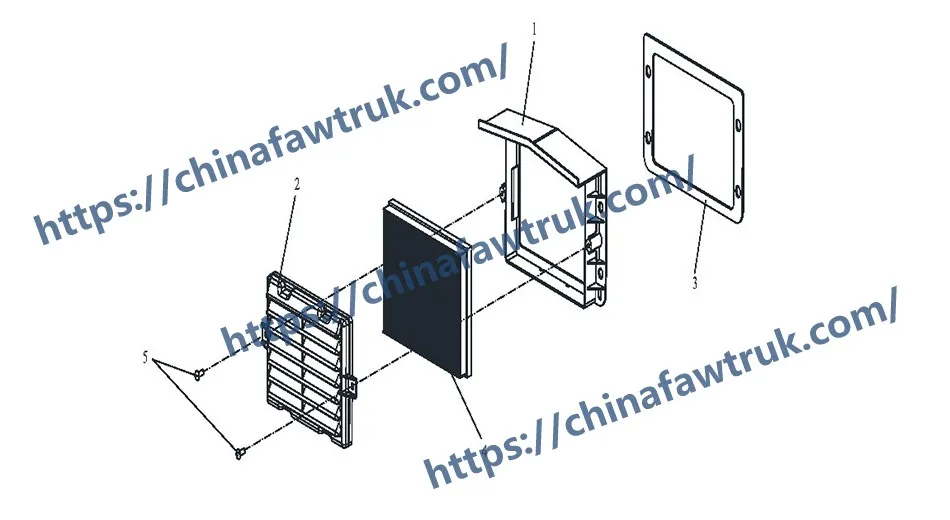
Component Breakdown: 93. Water Pump Inlet Pipeline Logic Assembly
| No. |
Part Number |
Part Name |
Qty |
| 1 |
1303062-74A |
Water Pump Inlet Pipe |
1 |
| 2 |
1303067-74A |
Bolt – For Water Pump Inlet Pipe |
1 |
| 3 |
1307019-53D |
Bolt – For Thermostat |
1 |
| 4 |
1307031-81D |
Gasket – Water Pump Inlet Pipe |
1 |
| 5 |
Q1840825 |
Hexagon Flange Bolt Coarse Shank (Standard) |
2 |
Conclusion: The Hydraulic Foundation
The FAW Russian Pump Inlet Pipeline logic assembly is a deceptively simple yet physically critical component of the engine’s cooling architecture. It defines the efficiency of the water pump, the integrity of the coolant seal, and the overall thermal stability of the vehicle. By resisting corrosion, vibration, and cavitation, it ensures that the engine can survive the brutal conditions of the Russian winter.
For fleet managers, the lesson is clear: never compromise on the quality of these 5 parts. Using a generic bolt or a poorly machined aftermarket pipe can lead to disastrous pump failure. By investing in the genuine FAW Russian Pump Inlet Pipeline components, operators secure the hydraulic foundation of their fleet, ensuring reliable performance and maximum uptime in the most demanding environments on earth.
Packaging and Logistics
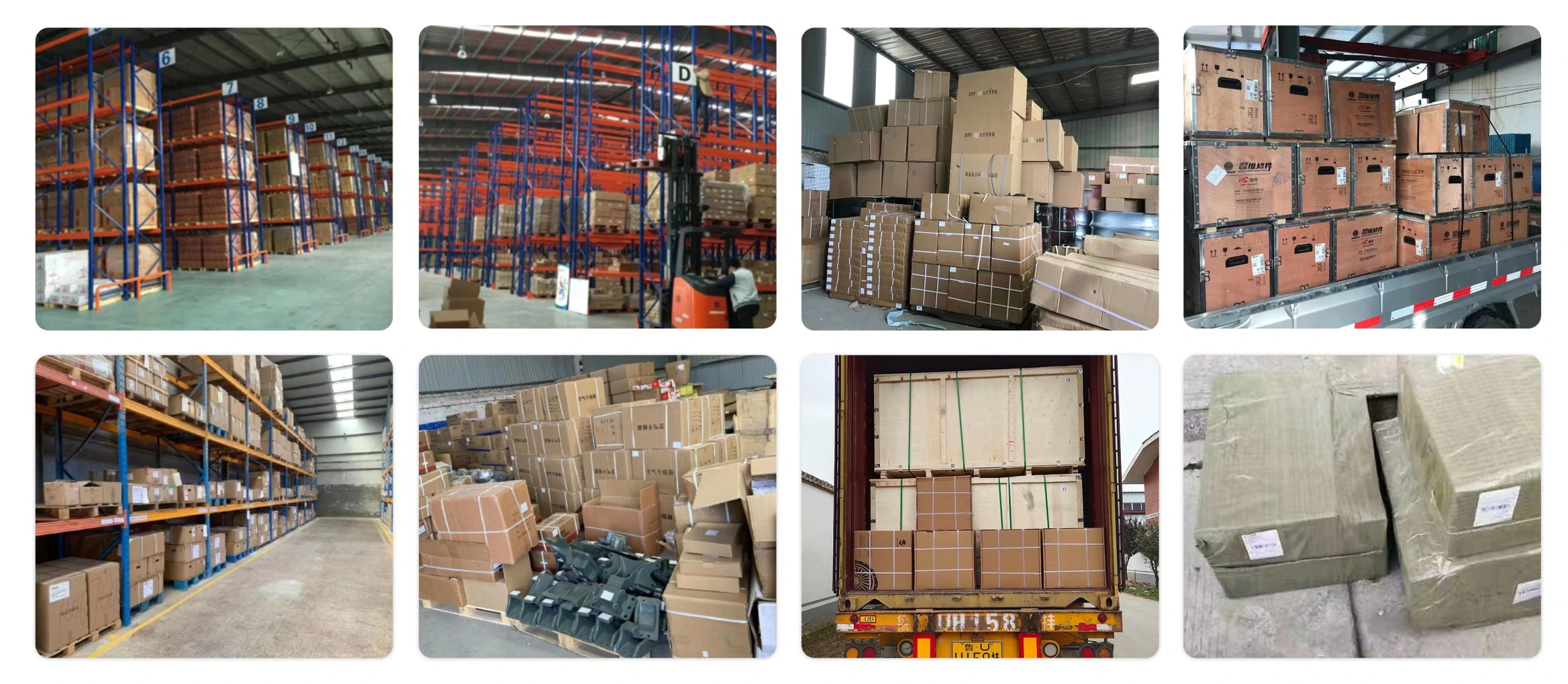
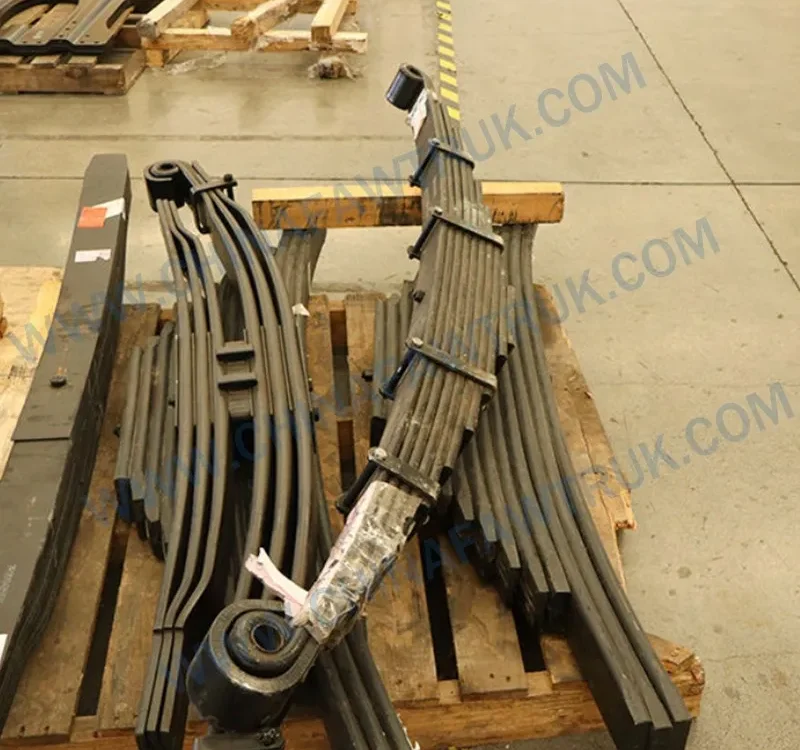
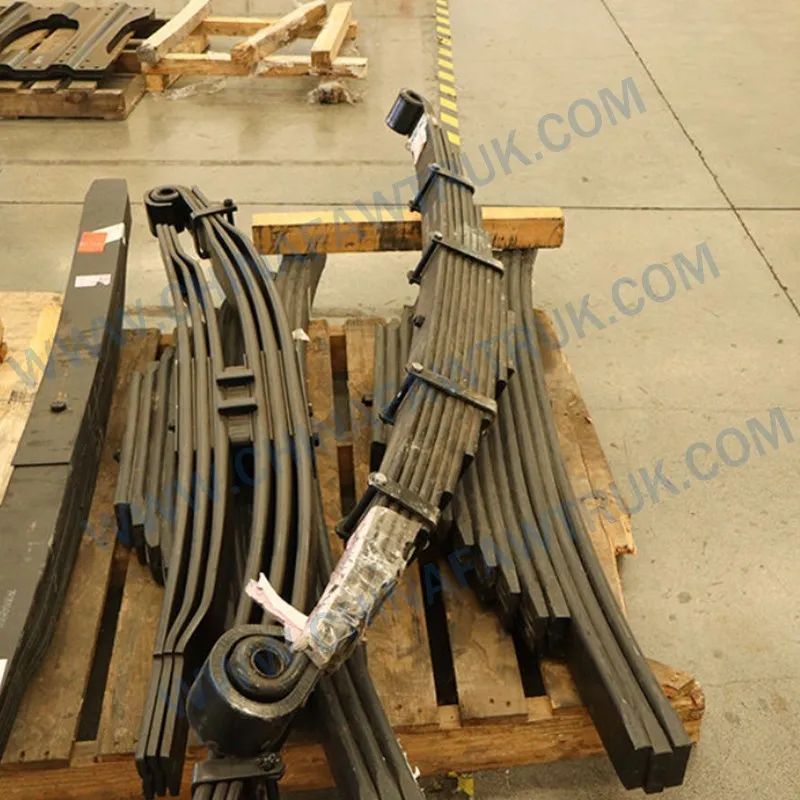
FAW parts, including the Cylinder Block Assembly, are packaged with care to ensure safe delivery. Each component is secured in protective materials to prevent damage during transit. The logistics network guarantees timely shipments worldwide, supporting efficient maintenance operations. Below is an image illustrating the standard packaging for FAW truck parts, showcasing the attention to detail in handling and storage.
This packaging approach minimizes the risk of corrosion or impact damage, ensuring that parts like the FAW Cylinder Block Assembly arrive in perfect condition. Customers can rely on FAW’s logistics for consistent quality and reliability.