por 


Bem-vindo a este guia técnico crítico sobre o Conjunto lógico do sensor do eixo dianteiro FAW (Conjunto 550). Este é o completo, alta precisão “detecção de velocidade da roda” sistema para o eixo de direção dianteiro do FAW Jiefang CA4251P66K24T1A3E5 6×4 trator semirreboque diesel. Esta montagem é a principal “olhos e ouvidos” para o sistema de freio antibloqueio do veículo (Abs) e controle de tração.

O Conjunto lógico do sensor do eixo dianteiro FAW é um conjunto de componentes com um vital “lógica” função: medir com precisão a velocidade de rotação de cada roda dianteira e relatá-la, em tempo real, para o computador ECU e ABS principal do caminhão. Esses dados são a base de todos os sistemas modernos de segurança ativa.
Este guia detalhado é um recurso essencial para técnicos profissionais e especialistas em peças. Vamos desconstruir todo Conjunto lógico do sensor do eixo dianteiro FAW em seu 3 principais componentes utilizáveis: o ‘Conjunto do sensor de velocidade da roda’ (3550360-6S), o ‘assento do sensor’ (3550111B1H), e a 'manga do sensor’ (3550361-6S). Uma falha nisso Conjunto lógico do sensor do eixo dianteiro FAW pode comprometer a segurança do caminhão.
O Conjunto lógico do sensor do eixo dianteiro FAW é a entrada sensorial para os sistemas de segurança ativa mais críticos do caminhão. Isso é “lógica” não é mecânico, mas eletrônico. Ele responde a uma pergunta, centenas de vezes por segundo: “Quão rápido esta roda está girando?” Esses dados são essenciais tanto para o Sistema de Frenagem Antibloqueio (Abs) e o sistema de controle de tração (TCS).
**Frenagem Antibloqueio (Abs) Lógica:** Quando um motorista executa uma “parada de pânico” em uma estrada molhada ou gelada, a imensa força das câmaras de freio pode “trancar” as rodas dianteiras. Um volante travado não tem capacidade de direção; o caminhão simplesmente seguirá em frente, independentemente da direção do motorista. O Conjunto lógico do sensor do eixo dianteiro FAW impede isso. No momento em que um sensor (3550360-6S) relata uma velocidade da roda de “zero” (um bloqueio), o computador ABS comanda instantaneamente o solenóide do freio (veja Montagem 539) para liberar e reaplicar o freio naquela roda específica, “bombeando” é muito mais rápido do que qualquer ser humano. Esse “antibloqueio” a lógica mantém a roda *apenas* à beira de travar, fornecendo potência máxima de parada e, ao mesmo tempo, permitindo que o motorista *contorne* o obstáculo.
**Controle de tração (TCS) Lógica:** Este mesmo Conjunto lógico do sensor do eixo dianteiro FAW fornece dados para tração. Se o caminhão estiver em uma superfície de tração dividida (Por exemplo, uma roda no gelo, um na calçada) e o motorista acelera, a roda no gelo girará inutilmente. A ECU vê isso “rotação” através do sensor e pode aplicar automaticamente uma pequena quantidade de freio *apenas naquela roda*, qual “tolos” o diferencial em enviar torque para a roda que tem tração. Toda esta rede de segurança é construída com base nos dados fornecidos pelo Conjunto lógico do sensor do eixo dianteiro FAW.
A estrela do Conjunto lógico do sensor do eixo dianteiro FAW é o ‘Conjunto do sensor de velocidade da roda’ (3550360-6S). A lista de peças pede dois, um para cada roda dianteira. Este é o eletrônico “escolher” que gera o sinal de velocidade.
Isto é tipicamente um “Efeito Hall” ou “relutância magnética” sensor. Isso é “lógica” é detectar campos magnéticos. Ele é montado através do ‘assento do sensor’ (3550111B1H) de modo que sua ponta fique posicionada a uma fração de milímetro do 'anel ABS’ (a “anel de tom” com dentes, que faz parte do conjunto do cubo da roda, veja Montagem 523).
À medida que o cubo da roda gira, os dentes do anel ABS passam pela ponta do sensor. Cada “dente” e “brecha” cria um “pulso” no campo magnético. O sensor lê esses pulsos e os envia como um sinal digital (a “onda quadrada”) para a ECU. A *frequência* desses pulsos é diretamente proporcional à velocidade da roda. A ECU conta esses pulsos e sabe, com extrema precisão, quão rápido a roda está girando.
Este é o ponto de falha mais comum no Conjunto lógico do sensor do eixo dianteiro FAW. O sensor em si é uma unidade eletrônica selada, mas vive em um ambiente hostil. Pode ser danificado por:
Uma falha neste sensor acionará imediatamente uma luz de advertência do ABS no painel e desativará os sistemas ABS e de controle de tração., revertendo o caminhão para o padrão, frenagem não lógica.
O ‘Sensor de freio da roda dianteira do assento’ (3550111B1H) é o “suporte” para o Conjunto lógico do sensor do eixo dianteiro FAW. A lista de peças pede dois destes. Este componente é muito mais do que um simples suporte; é um **dispositivo de alinhamento de precisão**.
Isso é “lógica” é segurar o 'Sensor de velocidade da roda’ na posição *exata* correta e no ângulo *exato* correto em relação ao anel de tom do ABS. O “entreferro” (a distância entre a ponta do sensor e os dentes do anel) é a tolerância mais crítica em todo o Conjunto lógico do sensor do eixo dianteiro FAW.
* **Se a lacuna for muito grande,** o pulso magnético dos dentes que passam será muito fraco para o sensor ler, resultando em um “sem sinal” falta. * **Se a lacuna for muito pequena,** o anel ABS giratório (que pode ter um pequeno “oscilar” ou “acabar”) pode atingir a ponta do sensor, destruindo-o.
Este ‘assento do sensor’ é aparafusado à manga de eixo não rotativa (veja Montagem 510). Ele foi projetado para ser rígido, montagem não flexível que pode suportar a vibração constante da roda e as altas temperaturas do tambor de freio. Uma falha deste componente (Por exemplo, uma rachadura, ou um parafuso se soltando devido à vibração) fará com que o sensor perca seu alinhamento, resultando em falha do Conjunto lógico do sensor do eixo dianteiro FAW e o sistema ABS.
A ‘manga do sensor’ (3550361-6S) é o componente final do Conjunto lógico do sensor do eixo dianteiro FAW. A lista pede dois desses. Este componente “lógica” é de proteção e ajuste preciso.
Esse “manga” é uma bucha, normalmente feito de um material não corrosivo como o bronze, latão, ou um polímero de alta temperatura. O ‘Sensor de velocidade da roda’ é inserido *através* desta manga, que é pressionado no 'assento do sensor’ (3550111B1H).
Isso fornece duas funções. Primeiro, garante um conforto, ajuste perfeito, centralizar o sensor no furo do suporte e evitar que ele vibre. Segundo, e o mais importante, evita **grisamento e corrosão**. O ‘assento do sensor’ geralmente é ferro fundido ou aço, e o ‘Sensor de velocidade da roda’ corpo pode ser de alumínio ou plástico. Em um sal alto, ambiente de águas altas (como uma ponta de roda), esses dois metais diferentes iriam corroer e “aproveitar” junto.
Esta manga funciona como um “isolador,” evitando esta corrosão. Esse “lógica” garante que o sensor possa ser removido para manutenção anos depois, sem quebrar. Uma luva com falha ou faltando causará um sensor emperrado, que quase certamente será destruído após a remoção, transformando uma simples inspeção em uma substituição cara de todo o Conjunto lógico do sensor do eixo dianteiro FAW.
A tabela a seguir fornece o completo, detalhamento de todos 3 componentes identificados no 'Conjunto lógico do sensor do eixo dianteiro’ (550) diagrama para o trator FAW CA4251P66K24T1A3E5.
| Marca | Parte não. | Nome da peça | Quantidade |
|---|---|---|---|
| 1 | 3550111B1H | Sensor de freio da roda dianteira do assento | 2 |
| 2 | 3550361-6S | Manga do sensor (desenho de aprovação pendente) | 2 |
| 3 | 3550360-6S | Conjunto do sensor de velocidade da roda | 2 |
As especificações para o Conjunto lógico do sensor do eixo dianteiro FAW são definidos por sua função como principal ferramenta de coleta de dados para os sistemas de segurança ativa do veículo. O Conjunto lógico do sensor do eixo dianteiro FAW é de alta precisão, sistema crítico de segurança.
| Aplicação em veículos | FAW Jiefang CA4251P66K24T1A3E5 6×4 Trator |
| Grupo de Componentes | Conjunto lógico do sensor do eixo dianteiro FAW |
| Sensor principal P/N | 3550360-6S (Conjunto do sensor de velocidade da roda) |
| Suporte de montagem P/N | 3550111B1H (Assento do sensor) |
| Bucha/Luva P/N | 3550361-6S (Manga do sensor) |
| Lógica do Sistema | Fornece sinal de pulso para ABS, TCS, e sistemas ESC |
| Tipo de sensor | Sensor de efeito Hall ou relutância magnética |
| Componente de acoplamento 1 | Anel ABS / Anel de tom (na montagem do cubo 523) |
| Componente de acoplamento 2 | Junta de direção dianteira (no conjunto do eixo 510) |
| Função Primária | Para medir com precisão a velocidade de rotação da roda dianteira e transmiti-la aos computadores de segurança do veículo. |
Peças FAW, incluindo o conjunto do bloco de cilindros, são embalados com cuidado para garantir uma entrega segura. Cada componente é protegido por materiais de proteção para evitar danos durante o transporte. A rede logística garante envios pontuais em todo o mundo, apoiando operações de manutenção eficientes. Abaixo está uma imagem ilustrando a embalagem padrão para peças de caminhão FAW, mostrando a atenção aos detalhes no manuseio e armazenamento.
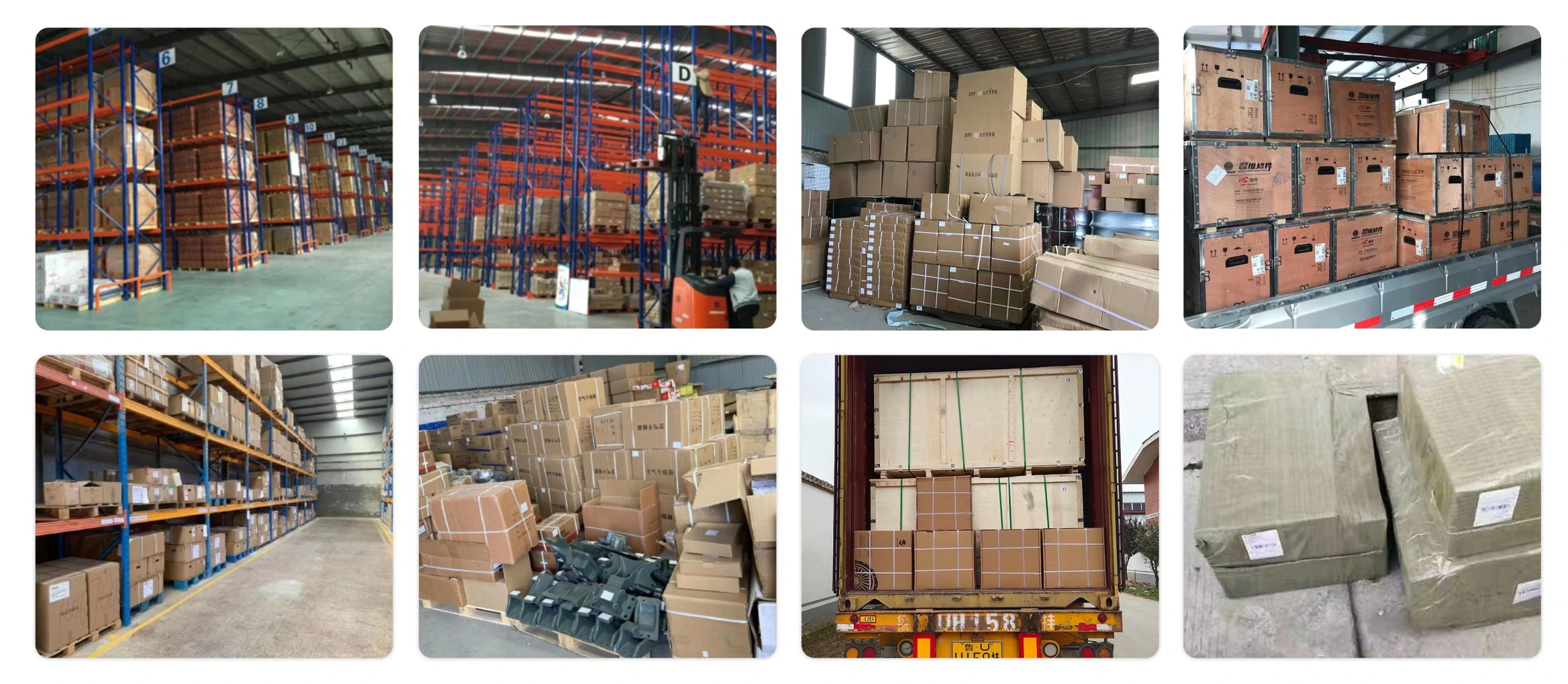
Esta abordagem de embalagem minimiza o risco de corrosão ou danos por impacto, garantindo que peças como o conjunto do bloco de cilindros FAW cheguem em perfeitas condições. Os clientes podem confiar na logística da FAW para obter qualidade e confiabilidade consistentes.