FAW Russian Engine Control Unit: 3 Advanced Components Commanding Arctic Performance
The FAW Russian Engine Control Unit is the digital mastermind of the CA3250P66K24L1TE5Z dump truck. It processes sensor data to optimize fuel injection and emissions in sub-zero conditions. This guide dissects the specialized mounting architecture required to protect this sensitive electronic brain from vibration and thermal shock.

FAW Russian Engine Control Unit
Computing Power: The ECU Assembly
At the center of the vehicle’s electronic architecture lies the Engine Control Unit Assembly (Part No. 3601115-22E). This is not a standard off-the-shelf computer; the “22E” suffix denotes a specific calibration map tailored for the FAW Russian Engine Control Unit application. In the Russian Federation, engines face extreme cold soak conditions where temperatures can drop to -50°C. Standard electronics often fail to boot or suffer from solder joint fractures under these conditions.
The FAW Russian Engine Control Unit is ruggedized with military-grade conformal coating on its internal printed circuit boards (PCB). This coating prevents condensation—a common issue when a hot engine cools down in freezing air—from causing short circuits across the microprocessors. The housing itself is a finned aluminum heatsink, designed to dissipate the heat generated by the high-current injector drivers while sealing the internals against road salt and moisture.
This assembly is responsible for calculating fuel timing, turbocharger boost pressure, and urea injection rates in real-time. The FAW Russian Engine Control Unit monitors dozens of sensors simultaneously. If the logic detects that the engine is cold, it adjusts the injection strategy to prioritize combustion stability and heat generation, ensuring the truck starts and runs smoothly without stalling, even on the coldest Siberian mornings.
Furthermore, the Engine Control Unit Assembly serves as the diagnostic hub for the entire powertrain. It stores fault codes and operational data that are vital for maintenance teams. Protecting this component is paramount; physical damage to the casing or vibration-induced failure of the connector pins will immobilize the vehicle immediately. The engineering focus is entirely on survivability and processing speed.
Suspension Logic: The Support Rod System
Mounting a sensitive computer directly to a vibrating diesel engine requires a sophisticated interface. The FAW Russian Engine Control Unit utilizes four units of the Support Rod (Part No. 3601124-51B) to achieve this. These rods act as stand-offs, creating a physical air gap between the hot engine block and the ECU housing. This gap is crucial for convective cooling, allowing air to circulate behind the unit.
More importantly, the Support Rod functions as a vibration isolator. The length and stiffness of these rods are tuned to a specific frequency that dampens the harmonic resonance of the engine. If the FAW Russian Engine Control Unit were bolted flush to the block, the high-frequency vibrations would be transmitted directly to the PCB components, leading to fatigue failure of capacitors and processors over time.
The material construction of the Support Rod is a high-tensile steel alloy, often treated with zinc-nickel plating to resist corrosion. In the corrosive environment of Russian roads, where magnesium chloride and salt are used for de-icing, standard steel supports would rust and weaken. A failed support rod puts stress on the wiring harness connectors, leading to intermittent electrical faults that are notoriously difficult to diagnose.
By using a four-point mounting system, the FAW Russian Engine Control Unit is stabilized in all three spatial axes. This geometric stability ensures that the heavy electrical connectors do not wiggle or fret against their pins. The Support Rod design transforms the mounting system from a simple bracket into a tuned suspension system for the vehicle’s most critical electronic asset.
Anchoring the Logic: The Bolt System
Securing the assembly requires four units of the specialized Bolt (Part No. 3601128-51B). These fasteners are critical to the integrity of the FAW Russian Engine Control Unit. They thread through the ECU housing and the support rods, anchoring the entire stack to the engine block. The torque applied to these bolts sets the preload for the vibration isolation system.
In many automotive applications, the ECU case ground is established through its mounting bolts. Therefore, the Bolt used in the FAW Russian Engine Control Unit must provide a clean, low-resistance electrical path. The surface finish of these bolts is conductive yet corrosion-resistant. If these bolts corrode or loosen, the ECU may experience “floating ground” issues, leading to sensor errors and erratic engine behavior.
The FAW Russian Engine Control Unit operates in an environment of constant thermal cycling. As the engine heats up and cools down, the bolts undergo expansion and contraction. The specific metallurgy of Part No. 3601128-51B is chosen to match the thermal expansion coefficient of the engine block, preventing the bolts from stretching or snapping under thermal load.
Maintenance protocols strictly advise against replacing these specific bolts with generic hardware. A standard bolt may lack the requisite shear strength or corrosion protection. Furthermore, improper torque on these bolts can crack the aluminum housing of the FAW Russian Engine Control Unit, destroying the environmental seal and exposing the delicate electronics to moisture intrusion.
System Integration and Reliability
The FAW Russian Engine Control Unit does not function in isolation; it is the hub of a vast sensor network. The physical stability provided by the mounting logic ensures that the harness connections remain secure. A loose ECU can cause the heavy wire bundles to vibrate, leading to wire fatigue and open circuits.
In the context of Russian logistics, where trucks often operate thousands of kilometers from the nearest service center, the reliability of the FAW Russian Engine Control Unit is non-negotiable. The combination of the ruggedized Engine Control Unit Assembly, the isolating Support Rod, and the secure Bolt creates a system capable of surviving millions of vibration cycles.
This “logic assembly” is designed to be maintenance-free, but visual inspections are recommended. Checking for corrosion on the Support Rods or looseness in the Bolts can prevent a breakdown. The FAW Russian Engine Control Unit is built to outlast the mechanical components of the engine, provided its structural mounting remains compromised.
Any replacement of the FAW Russian Engine Control Unit requires precise matching of part numbers. The “22E” designation indicates specific software maps for the Russian emissions standards and fuel quality. Using an incompatible ECU can result in engine damage or failure to start.
Component Breakdown List
The following table lists the precise components of the FAW Russian Engine Control Unit logic assembly. While the part count is low, the specificity of each component is critical for the electronic stability of the CA3250P66K24L1TE5Z.
| No. |
Part Number |
Part Name |
Qty |
| 1 |
3601124-51B |
Support Rod |
4 |
| 2 |
3601115-22E |
Engine Control Unit Assembly |
1 |
| 3 |
3601128-51B |
Bolt |
4 |
Diagnostic Protocols for Electronic Health
Inspecting the FAW Russian Engine Control Unit is primarily a visual task. Check the Support Rod mounting points for cracks or rust jacking. If rust builds up between the rod and the block, it can stress the ECU housing. Ensure the Bolt heads are not corroded; if a bolt snaps during a routine check, the ECU vibration isolation is compromised.
Examine the wiring harness connection at the Engine Control Unit Assembly. The locking lever must be fully engaged. In cold weather, plastic connectors become brittle; handle them with care to avoid snapping the latches. Any sign of green corrosion on the pins indicates moisture ingress, likely requiring a harness repair and potentially a new ECU if the pins are rotted.
If the vehicle experiences intermittent shutdowns or “phantom” codes over rough terrain, suspect the mounting hardware of the FAW Russian Engine Control Unit. A loose ground caused by a backing-out Bolt can wreak havoc on the 5V sensor reference circuit. Retorque the mounting bolts to factory spec to ensure a solid electrical and mechanical bond.
Conclusion: Protecting the Brain
The FAW Russian Engine Control Unit is the most technologically advanced component on the truck, yet it relies on simple mechanical engineering for its survival. The synergy between the ruggedized ECU, the tuned Support Rods, and the secure Bolts allows delicate silicon chips to function in an environment of high heat and intense vibration.
For fleet owners, treating this assembly with respect is vital. Never weld on the chassis without disconnecting the FAW Russian Engine Control Unit, and never jump-start the truck with high voltage. By maintaining the physical integrity of the mount and the electrical integrity of the connections, you ensure that the brain of your CA3250P66K24L1TE5Z continues to command peak performance for the life of the vehicle.
Packaging and Logistics
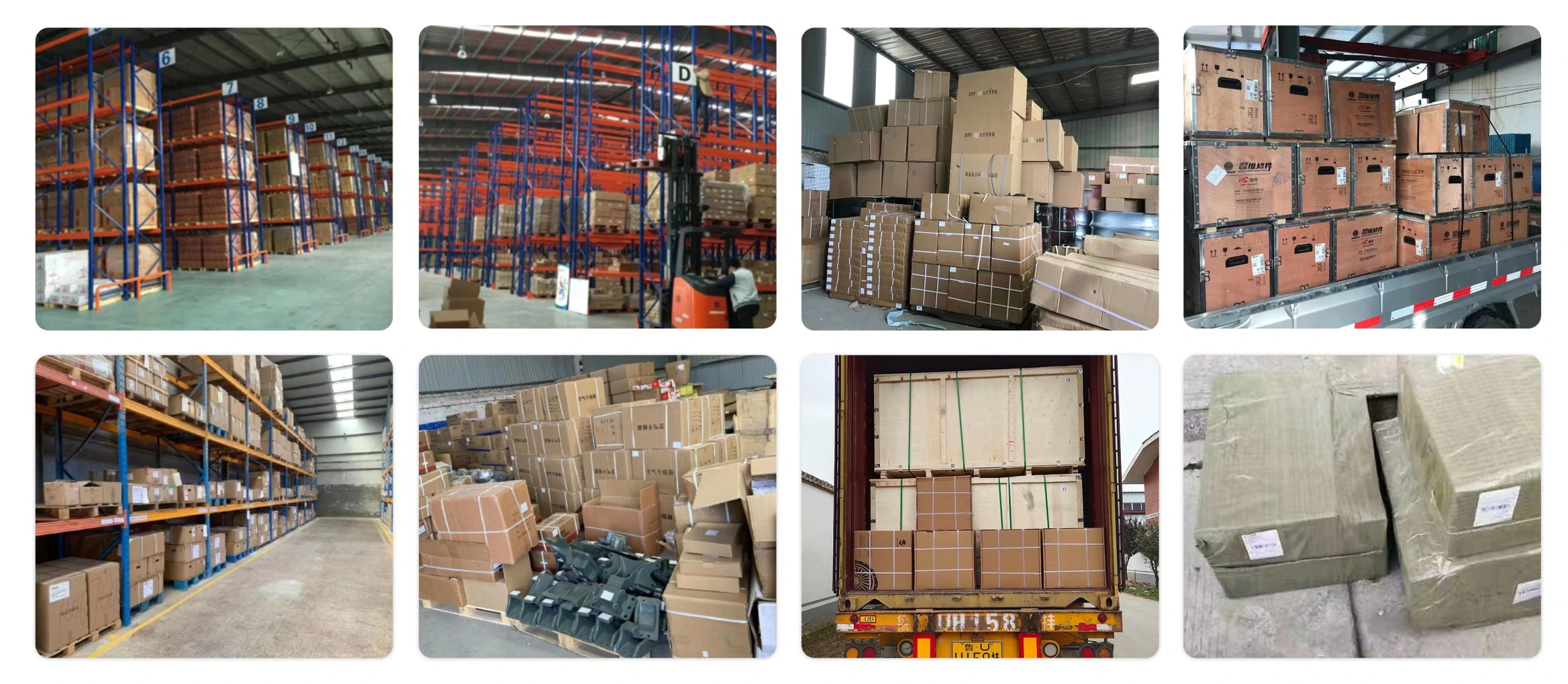
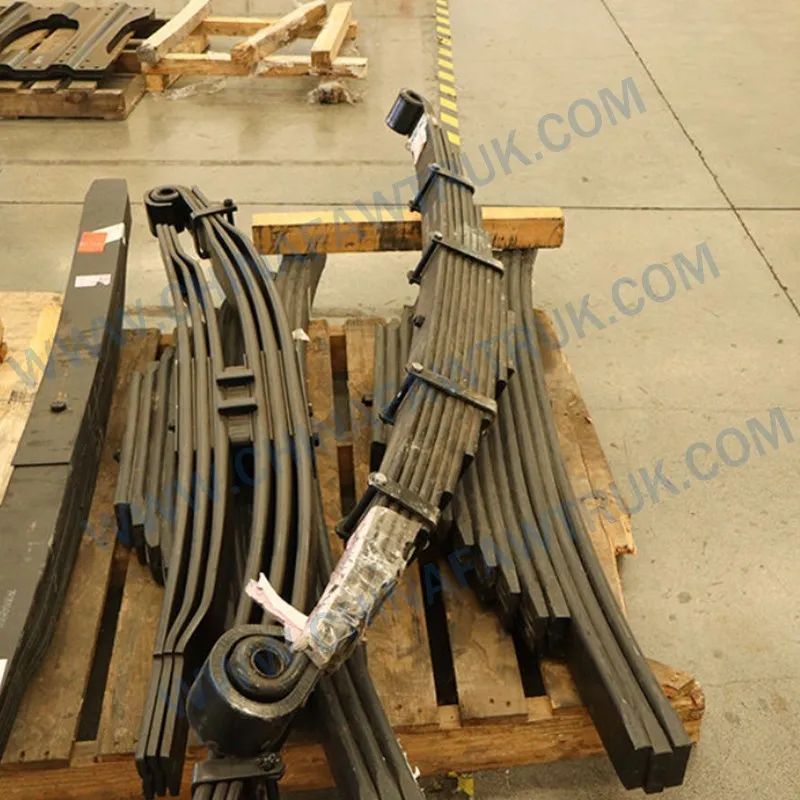
FAW parts, including the Cylinder Block Assembly, are packaged with care to ensure safe delivery. Each component is secured in protective materials to prevent damage during transit. The logistics network guarantees timely shipments worldwide, supporting efficient maintenance operations. Below is an image illustrating the standard packaging for FAW truck parts, showcasing the attention to detail in handling and storage.
This packaging approach minimizes the risk of corrosion or impact damage, ensuring that parts like the FAW Cylinder Block Assembly arrive in perfect condition. Customers can rely on FAW’s logistics for consistent quality and reliability.