Unidade de controle de motor russo FAW: 3 Componentes avançados comandando o desempenho do Ártico
O Unidade de controle de motor russo FAW é o cérebro digital do caminhão basculante CA3250P66K24L1TE5Z. Processa dados de sensores para otimizar a injeção de combustível e as emissões em condições abaixo de zero. Este guia disseca a arquitetura de montagem especializada necessária para proteger este cérebro eletrônico sensível contra vibrações e choques térmicos.

Unidade de controle de motor russo FAW
Poder de computação: A Assembleia da ECU
No centro da arquitetura eletrônica do veículo está o Conjunto da unidade de controle do motor (Parte não. 3601115-22E). Este não é um computador padrão pronto para uso; o “22E” sufixo denota um mapa de calibração específico adaptado para o Unidade de controle de motor russo FAW aplicativo. Na Federação Russa, os motores enfrentam condições extremas de imersão em frio, onde as temperaturas podem cair até -50°C. A eletrônica padrão geralmente falha na inicialização ou sofre fraturas nas juntas de solda nessas condições.
O Unidade de controle de motor russo FAW é robusto com revestimento isolante de nível militar em suas placas de circuito impresso internas (PCB). Este revestimento evita que a condensação – um problema comum quando um motor quente esfria no ar gelado – cause curtos-circuitos nos microprocessadores. A caixa em si é um dissipador de calor de alumínio com aletas, projetado para dissipar o calor gerado pelos drivers dos injetores de alta corrente enquanto veda o interior contra sal e umidade da estrada.
Esta montagem é responsável por calcular o tempo de combustível, pressão de reforço do turbocompressor, e taxas de injeção de uréia em tempo real. O Unidade de controle de motor russo FAW monitora dezenas de sensores simultaneamente. Se a lógica detectar que o motor está frio, ajusta a estratégia de injeção para priorizar a estabilidade da combustão e a geração de calor, garantindo que o caminhão dê partida e funcione suavemente sem parar, mesmo nas manhãs mais frias da Sibéria.
Além disso, o Conjunto da unidade de controle do motor serve como centro de diagnóstico para todo o trem de força. Armazena códigos de falha e dados operacionais que são vitais para as equipes de manutenção. Proteger este componente é fundamental; danos físicos à carcaça ou falha induzida por vibração dos pinos do conector imobilizarão o veículo imediatamente. O foco da engenharia está inteiramente na capacidade de sobrevivência e na velocidade de processamento.
Lógica de Suspensão: O sistema de haste de suporte
Montar um computador sensível diretamente em um motor diesel vibrante requer uma interface sofisticada. O Unidade de controle de motor russo FAW utiliza quatro unidades do Haste de suporte (Parte não. 3601124-51B) para conseguir isso. Essas hastes atuam como suportes, criando um espaço de ar físico entre o bloco do motor quente e a carcaça da ECU. Esta lacuna é crucial para o resfriamento convectivo, permitindo que o ar circule atrás da unidade.
Mais importante, o Haste de suporte funciona como um isolador de vibração. O comprimento e a rigidez dessas hastes são sintonizados em uma frequência específica que amortece a ressonância harmônica do motor.. Se o Unidade de controle de motor russo FAW foram aparafusados ao bloco, as vibrações de alta frequência seriam transmitidas diretamente aos componentes do PCB, levando à falha por fadiga de capacitores e processadores ao longo do tempo.
A construção material do Haste de suporte é uma liga de aço de alta resistência, frequentemente tratado com revestimento de zinco-níquel para resistir à corrosão. No ambiente corrosivo das estradas russas, onde cloreto de magnésio e sal são usados para descongelamento, suportes de aço padrão enferrujariam e enfraqueceriam. Uma haste de suporte com falha coloca pressão nos conectores do chicote elétrico, levando a falhas elétricas intermitentes que são notoriamente difíceis de diagnosticar.
Usando um sistema de montagem de quatro pontos, o Unidade de controle de motor russo FAW é estabilizado em todos os três eixos espaciais. Esta estabilidade geométrica garante que os conectores elétricos pesados não se mexam ou se preocupem com seus pinos. O Haste de suporte O design transforma o sistema de montagem de um simples suporte em um sistema de suspensão ajustado para o ativo eletrônico mais crítico do veículo.
Ancorando a Lógica: O sistema de parafusos
Garantir a montagem requer quatro unidades especializadas Parafuso (Parte não. 3601128-51B). Esses fixadores são críticos para a integridade do Unidade de controle de motor russo FAW. Eles passam pela carcaça da ECU e pelas hastes de suporte, ancorando toda a pilha ao bloco do motor. O torque aplicado a esses parafusos define a pré-carga para o sistema de isolamento de vibração.
Em muitas aplicações automotivas, o aterramento da caixa da ECU é estabelecido através de seus parafusos de montagem. Portanto, o Parafuso usado no Unidade de controle de motor russo FAW deve fornecer uma limpeza, caminho elétrico de baixa resistência. O acabamento superficial desses parafusos é condutor, mas resistente à corrosão. Se esses parafusos corroerem ou se soltarem, a ECU pode experimentar “solo flutuante” problemas, levando a erros de sensor e comportamento errático do motor.
O Unidade de controle de motor russo FAW opera em um ambiente de ciclo térmico constante. À medida que o motor aquece e esfria, os parafusos sofrem expansão e contração. A metalurgia específica da Parte No.. 3601128-51B é escolhido para corresponder ao coeficiente de expansão térmica do bloco do motor, evitando que os parafusos estiquem ou quebrem sob carga térmica.
Os protocolos de manutenção desaconselham estritamente a substituição desses parafusos específicos por hardware genérico. Um parafuso padrão pode não ter a resistência ao cisalhamento necessária ou a proteção contra corrosão. Além disso, o torque inadequado nesses parafusos pode quebrar a carcaça de alumínio do Unidade de controle de motor russo FAW, destruindo o selo ambiental e expondo os delicados componentes eletrônicos à entrada de umidade.
Integração e confiabilidade do sistema
O Unidade de controle de motor russo FAW não funciona isoladamente; é o centro de uma vasta rede de sensores. A estabilidade física fornecida pela lógica de montagem garante que as conexões do chicote permaneçam seguras. Uma ECU solta pode fazer com que os feixes de fios pesados vibrem, levando à fadiga do fio e circuitos abertos.
No contexto da logística russa, onde os caminhões geralmente operam a milhares de quilômetros do centro de serviço mais próximo, a confiabilidade do Unidade de controle de motor russo FAW não é negociável. A combinação do robusto Conjunto da unidade de controle do motor, o isolamento Haste de suporte, e o seguro Parafuso cria um sistema capaz de sobreviver a milhões de ciclos de vibração.
Esse “montagem lógica” foi projetado para ser livre de manutenção, mas inspeções visuais são recomendadas. Verificação de corrosão no Hastes de suporte ou folga no Parafusos pode evitar um colapso. O Unidade de controle de motor russo FAW é construído para durar mais que os componentes mecânicos do motor, desde que sua montagem estrutural permaneça comprometida.
Qualquer substituição do Unidade de controle de motor russo FAW requer correspondência precisa de números de peças. O “22E” a designação indica mapas de software específicos para os padrões de emissões russos e qualidade de combustível. Usar uma ECU incompatível pode resultar em danos ao motor ou falha na partida.
Lista detalhada de componentes
A tabela a seguir lista os componentes precisos do Unidade de controle de motor russo FAW montagem lógica. Embora a contagem de peças esteja baixa, a especificidade de cada componente é crítica para a estabilidade eletrônica do CA3250P66K24L1TE5Z.
| Não. |
Número da peça |
Nome da peça |
Quantidade |
| 1 |
3601124-51B |
Haste de suporte |
4 |
| 2 |
3601115-22E |
Conjunto da unidade de controle do motor |
1 |
| 3 |
3601128-51B |
Parafuso |
4 |
Protocolos de diagnóstico para saúde eletrônica
Inspecionando o Unidade de controle de motor russo FAW é principalmente uma tarefa visual. Verifique o Haste de suporte pontos de montagem para rachaduras ou ferrugem. Se a ferrugem se acumular entre a haste e o bloco, pode estressar o alojamento da ECU. Certifique-se de que Parafuso cabeças não estão corroídas; se um parafuso quebrar durante uma verificação de rotina, o isolamento de vibração da ECU está comprometido.
Examine a conexão do chicote elétrico no Conjunto da unidade de controle do motor. A alavanca de travamento deve estar totalmente engatada. No tempo frio, conectores de plástico ficam quebradiços; manuseie-os com cuidado para evitar quebrar as travas. Qualquer sinal de corrosão verde nos pinos indica entrada de umidade, provavelmente exigindo um reparo no chicote e potencialmente uma nova ECU se os pinos estiverem podres.
Se o veículo sofrer desligamentos intermitentes ou “Fantasma” códigos em terrenos acidentados, suspeitar do hardware de montagem do Unidade de controle de motor russo FAW. Um terreno solto causado por um recuo Parafuso pode causar estragos no circuito de referência do sensor de 5V. Reaperte os parafusos de montagem de acordo com as especificações de fábrica para garantir uma ligação elétrica e mecânica sólida.
Conclusão: Protegendo o Cérebro
O Unidade de controle de motor russo FAW é o componente tecnologicamente mais avançado do caminhão, ainda assim, depende de engenharia mecânica simples para sua sobrevivência. A sinergia entre a ECU robusta, o sintonizado Hastes de suporte, e o seguro Parafusos permite que delicados chips de silício funcionem em um ambiente de alto calor e vibração intensa.
Para proprietários de frotas, tratar esta assembleia com respeito é vital. Nunca solde o chassi sem desconectar o Unidade de controle de motor russo FAW, e nunca dê partida no caminhão com alta tensão. Mantendo a integridade física da montagem e a integridade elétrica das conexões, você garante que o cérebro do seu CA3250P66K24L1TE5Z continue a comandar o desempenho máximo durante a vida útil do veículo.
Embalagem e Logística
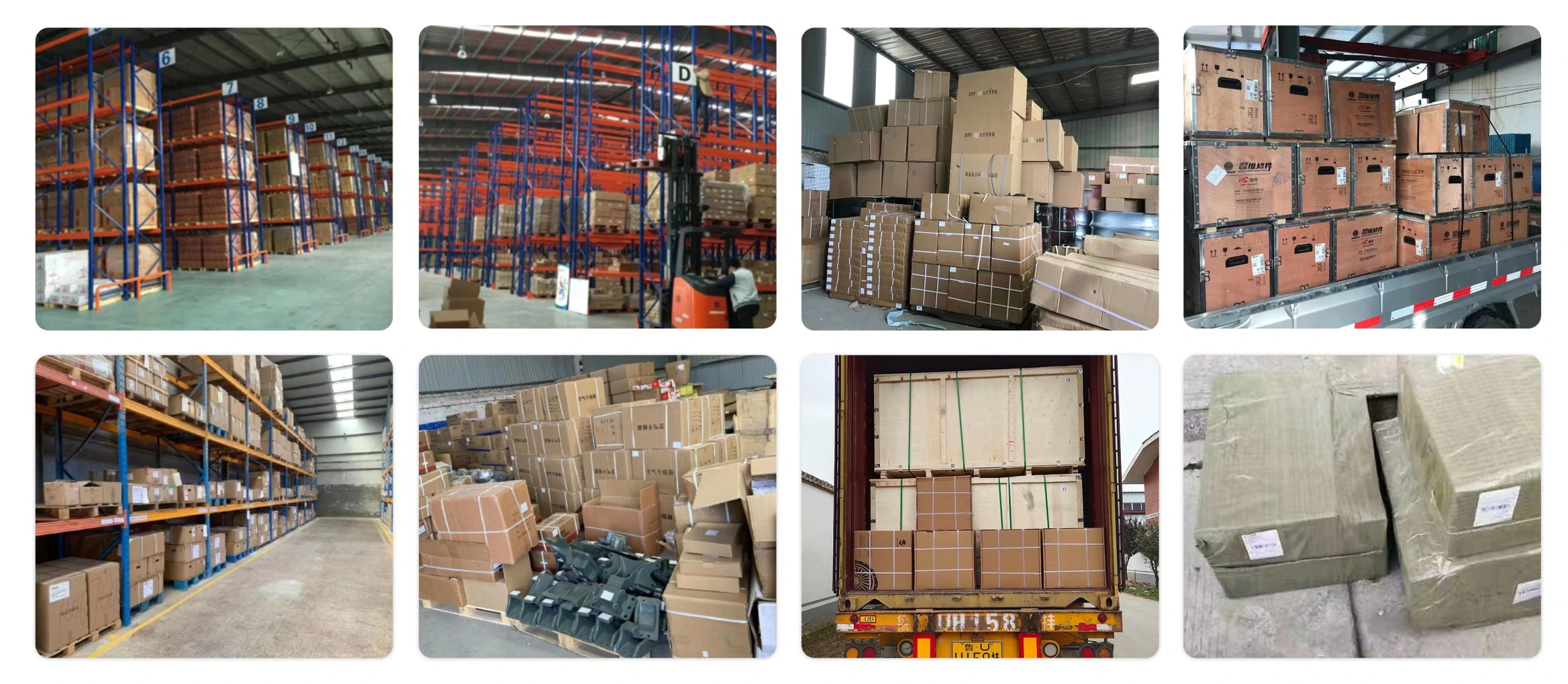
Peças FAW, incluindo o conjunto do bloco de cilindros, são embalados com cuidado para garantir uma entrega segura. Cada componente é protegido por materiais de proteção para evitar danos durante o transporte. A rede logística garante envios pontuais em todo o mundo, apoiando operações de manutenção eficientes. Abaixo está uma imagem ilustrando a embalagem padrão para peças de caminhão FAW, mostrando a atenção aos detalhes no manuseio e armazenamento.
Esta abordagem de embalagem minimiza o risco de corrosão ou danos por impacto, garantindo que peças como o conjunto do bloco de cilindros FAW cheguem em perfeitas condições. Os clientes podem confiar na logística da FAW para obter qualidade e confiabilidade consistentes.