Inside the FAW Russian Cylinder Head Assembly: Engineering 13 Components for Arctic Survival
The FAW Russian Cylinder Head Assembly is the thermal control center of the CA3250P66K24L1TE5Z dump truck. It manages extreme combustion forces while channeling coolant through intricate passages. For Russian operators, this component is the first line of defense against sub-zero start-up failures, ensuring the engine seals perfectly even at -40°C.

FAW Russian Cylinder Head Assembly
The Iron Foundation: Casting and Valve Geometry
The structural core of the engine is the Cylinder Head (Part No. 1003011-81D). This is not a simple metal lid; it is a complex gray iron casting engineered for thermal stability.
In the FAW Russian Cylinder Head Assembly, the alloy composition is critical. It includes specific trace elements like chromium to resist “thermal fatigue.” This phenomenon occurs when the engine cycles between freezing ambient air and 90°C operating temperatures. Standard iron would eventually crack between the valve bridges, but this reinforced casting maintains its integrity.
Pressed into this casting are the Intake Valve Seat (Part No. 1003012-81D) and the Exhaust Valve Seat (Part No. 1003013-81D). These rings are the hardest components in the entire assembly.
They must endure the repetitive impact of the valves closing thousands of times per minute. The exhaust seats, in particular, face temperatures exceeding 600°C. FAW utilizes a sintered steel material for these seats, ensuring they do not recede or “pit” under high-load conditions, which would cause a loss of compression.
Ensuring the valves strike these seats perfectly is the job of the Valve Guide (Part No. 1003014-81D). There are 24 guides in total, providing a stable path for the valve stems.
These guides are made from a phosphor-bronze alloy. This material is self-lubricating, a vital feature during cold starts in Russia when engine oil is thick and slow to circulate to the top of the head. This prevents the valves from seizing in their bores during those critical first seconds of ignition.
Fluid Dynamics: Fuel, Oil, and Coolant Separation
The FAW Russian Cylinder Head Assembly utilizes a direct injection system, housed within the Injector Copper Sleeve (Part No. 1003016-81D). This sleeve is a masterpiece of thermal management.
The fuel injector tip gets incredibly hot during combustion. The copper material of the sleeve draws this heat away instantly and transfers it to the engine coolant surrounding the sleeve. This prevents “vapor lock” inside the injector and ensures precise fuel metering even when the engine is under maximum load on a steep gradient.
Sealing this critical interface is the O-ring (Part No. 1003018-53D). Situated at the top of the copper sleeve, this small elastomer ring has a massive responsibility.
It separates the diesel fuel return rail from the engine coolant. If this O-ring fails, fuel will contaminate the cooling system, leading to hose degradation and overheating. FAW uses a high-grade Viton (FKM) rubber for this O-ring, selected for its resistance to chemical attack and its ability to remain flexible in Arctic temperatures.
Internal oil pressure is managed by the Hexagon Socket Taper Screw Plug (Part No. Q61903). Unlike standard bolts, this plug features a tapered thread profile (NPT style).
As it is tightened into the FAW Russian Cylinder Head Assembly, the threads deform slightly to create a hermetic seal without the need for a washer. This ensures that the high-pressure oil galleries feeding the rocker arms maintain full pressure, guaranteeing valve train lubrication.
Camshaft Alignment and Freeze Protection
The overhead camshaft is secured by a series of precision caps. The Camshaft Upper Bearing Cap Assembly – No. 1 to 6 (Part No. 1003070-81D) handles the radial loads.
These caps are line-bored together with the head casting. This ensures perfect concentricity, allowing the camshaft to float on a microscopic film of oil. Misalignment here would cause immediate bearing failure.
The rear of the shaft is held by the Camshaft Upper Bearing Cap Assembly – No. 7 (Part No. 1003075-81D). This cap is wider and typically manages the thrust loads, preventing the camshaft from walking forward or backward during operation.
To guarantee this alignment during assembly, the head uses the Locating Pin (Part No. 1003079-81D). With 14 pins installed, they lock the bearing caps in the exact X-Y coordinates required before the bolts are even tightened.
Finally, the FAW Russian Cylinder Head Assembly is equipped with a passive safety system against ice: the “Bowl-shaped Plugs” (Core Plugs). The assembly uses three variants: CQ72222, CQ72226, and CQ72248.
These steel discs seal the casting holes left during manufacturing. However, in Russia, they serve a secondary purpose. If the coolant freezes and expands, these plugs are designed to pop out, relieving the pressure and saving the expensive iron casting from cracking.
Component Breakdown List
The table below lists the exact components for the FAW Russian Cylinder Head Assembly. Fleet managers should use these part numbers to ensure compatibility with the CA3250P66K24L1TE5Z cold-weather engine specification.
| No. |
Part Number |
Part Name |
Qty |
| 1 |
1003011-81D |
Cylinder Head |
1 |
| 2 |
1003012-81D |
Intake Valve Seat |
12 |
| 3 |
1003013-81D |
Exhaust Valve Seat |
12 |
| 4 |
1003014-81D |
Valve Guide |
24 |
| 5 |
1003016-81D |
Injector Copper Sleeve |
6 |
| 6 |
1003018-53D |
O-ring |
6 |
| 7 |
1003070-81D |
Camshaft Upper Bearing Cap Assembly – No. 1 to 6 |
6 |
| 8 |
1003075-81D |
Camshaft Upper Bearing Cap Assembly – No. 7 |
1 |
| 9 |
1003079-81D |
Locating Pin |
14 |
| 10 |
CQ72222 |
Bowl-shaped Plug |
13 |
| 11 |
CQ72226 |
Bowl-shaped Plug |
20 |
| 12 |
CQ72248 |
Bowl-shaped Plug |
8 |
| 13 |
Q61903 |
Hexagon Socket Taper Screw Plug |
2 |
Critical Diagnostics for Head Integrity
Maintaining the FAW Russian Cylinder Head Assembly requires a specific focus on the injector interface. The most common failure mode in aged engines is the seal on the Injector Copper Sleeve.
Technicians should perform a cooling system pressure test whenever the injectors are removed for service. If pressure drops without an external leak, the coolant is likely entering the cylinder through a failed sleeve seal.
Another diagnostic priority is checking for valve recession. Mechanics must measure how far the valve stem protrudes from the head.
If the Intake Valve Seat wears down, the valve sinks into the head. This closes up the valve lash, potentially holding the valve open during combustion. This will burn the valve face rapidly, leading to a complete loss of cylinder pressure.
Finally, inspect the Bowl-shaped Plugs for external corrosion. Road salts used in Russian winters can rot these plugs from the outside in.
A pinhole leak here is often misdiagnosed as a cracked head. Proactively replacing these plugs during any major engine overhaul is a cheap insurance policy against coolant loss and overheating.
Conclusion: Engineering for Reliability
The FAW Russian Cylinder Head Assembly is a masterpiece of integrated engineering. It combines structural strength, thermal management, and precision fluid control into a single component.
From the durability of the Camshaft Upper Bearing Cap Assembly to the sealing efficiency of the O-ring, every part plays a vital role. There are no “minor” parts in this assembly. A failure in a simple freeze plug can stop the truck just as effectively as a broken valve.
For operators of the CA3250P66K24L1TE5Z, understanding this complexity underscores the need for genuine parts. Aftermarket castings often lack the specific alloy composition required to resist Arctic thermal shock. By maintaining the FAW Russian Cylinder Head Assembly to factory specifications, you ensure your fleet delivers reliable power in any weather.
Packaging and Logistics
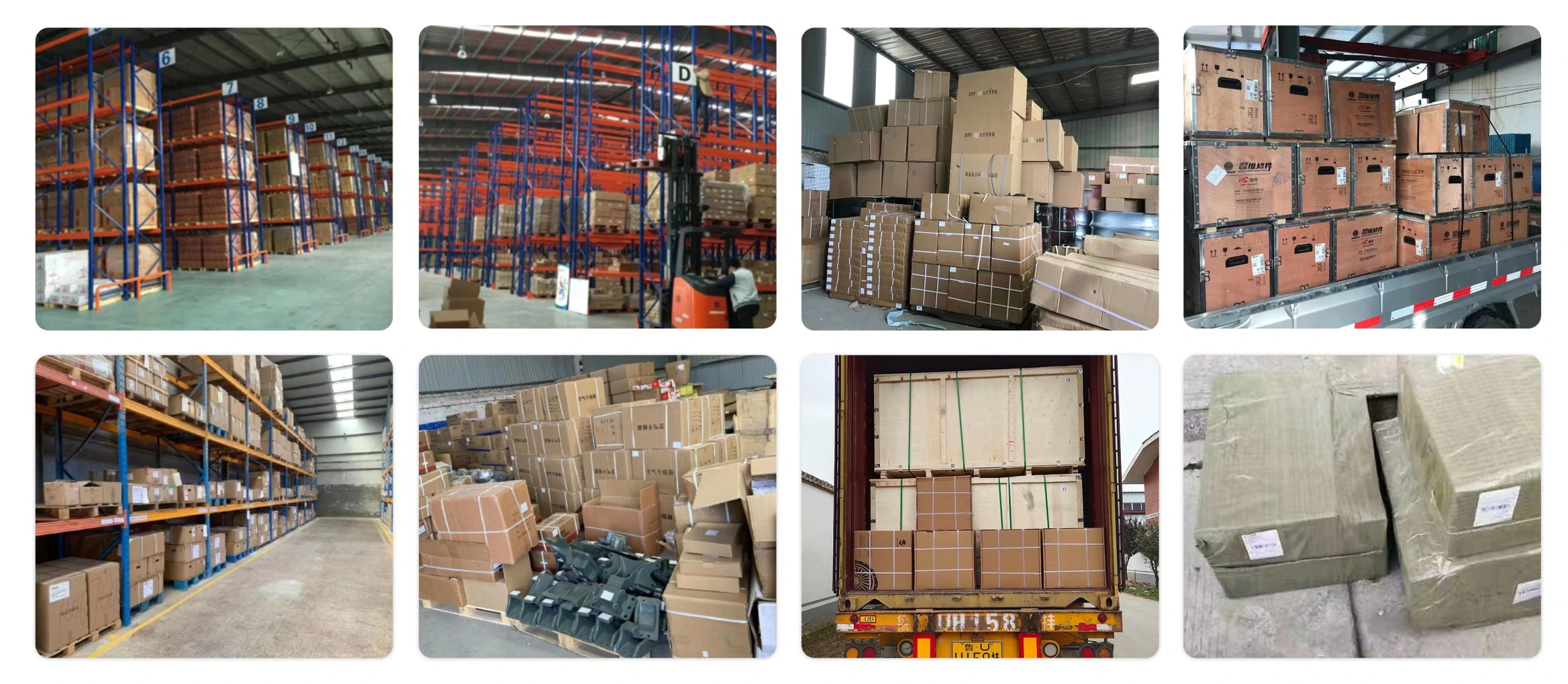
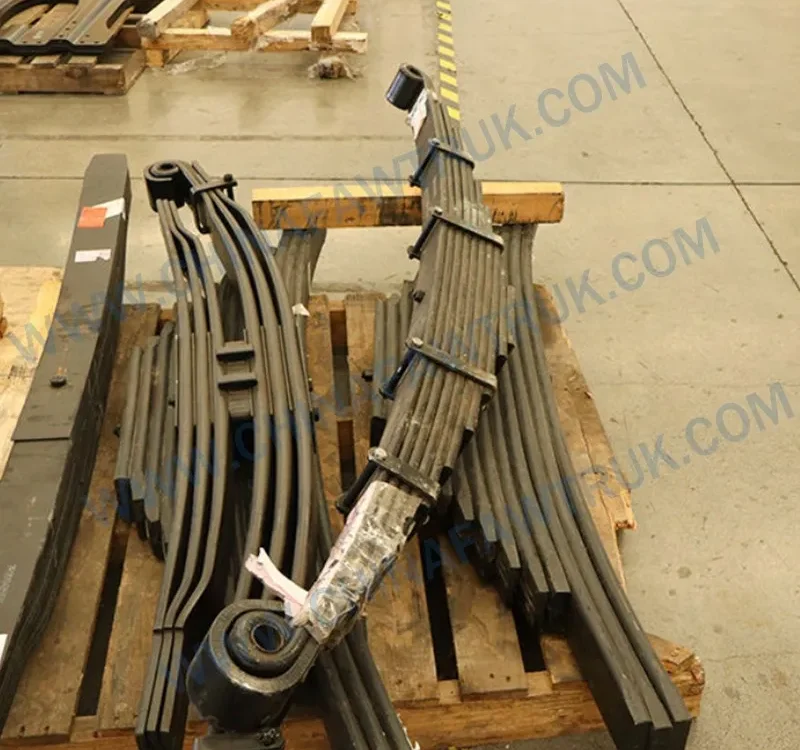
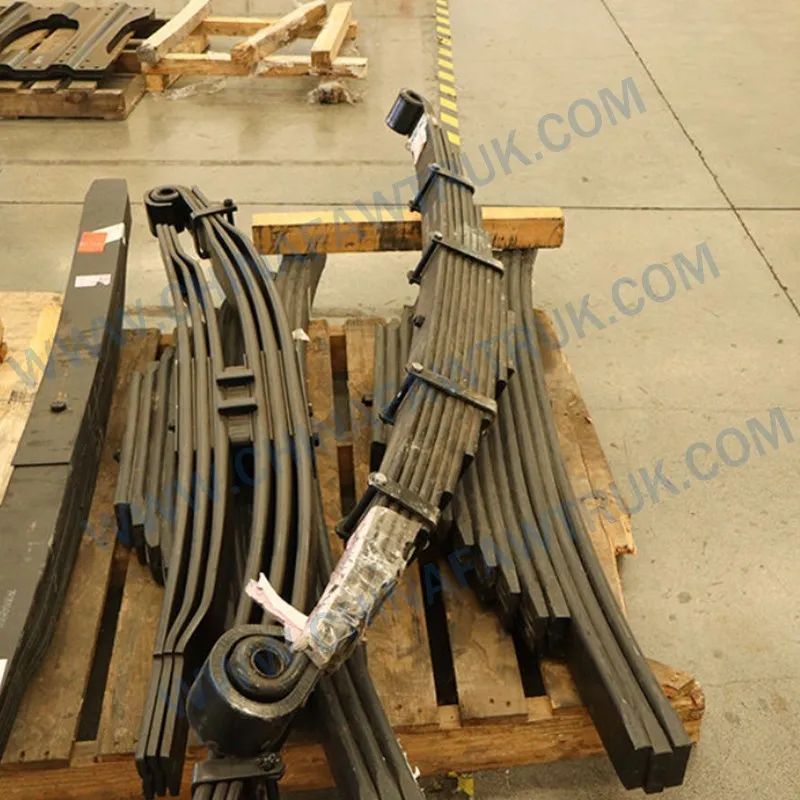
FAW parts, including the Cylinder Block Assembly, are packaged with care to ensure safe delivery. Each component is secured in protective materials to prevent damage during transit. The logistics network guarantees timely shipments worldwide, supporting efficient maintenance operations. Below is an image illustrating the standard packaging for FAW truck parts, showcasing the attention to detail in handling and storage.
This packaging approach minimizes the risk of corrosion or impact damage, ensuring that parts like the FAW Cylinder Block Assembly arrive in perfect condition. Customers can rely on FAW’s logistics for consistent quality and reliability.