Carcasa del eje trasero ruso FAW: La base estructural para la estabilidad de la carga útil de servicio pesado
El Carcasa del eje trasero ruso FAW El conjunto sirve como la columna vertebral inquebrantable del sistema de tracción trasera del camión volquete CA3250P66K24L1TE5Z.. Diseñado específicamente para la dura topografía de la Federación Rusa., Esta unidad estructural soporta la inmensa carga vertical de la carga útil mientras reacciona al violento par del tren motriz.. El Carcasa del eje trasero ruso FAW Garantiza una alineación precisa de los engranajes y una protección robusta en condiciones ambientales extremas de hasta -40 °C..

Conjunto lógico de carcasa del eje trasero ruso FAW
Diseño de Vivienda: La fortaleza de carga
El componente central de esta asamblea es el Conjunto de carcasa del eje trasero (Número de pieza. 2401010-A7E). Esta enorme estructura funciona como un puente., abarcando la distancia entre los cubos de las ruedas mientras sostiene los sensibles engranajes diferenciales. En el contexto de la Carcasa del eje trasero ruso FAW, La carcasa generalmente se fabrica con acero fundido de alta resistencia o una pieza soldada de acero fabricado., Diseñado para ofrecer la máxima rigidez con un peso optimizado.. La especificación del material es fundamental para el mercado ruso; Debe poseer una alta tenacidad al impacto a temperaturas bajo cero para evitar fracturas frágiles cuando el camión completamente cargado atraviesa congelado., caminos mineros llenos de baches.
El diseño geométrico del Conjunto de carcasa del eje trasero Incorpora una central reforzada. “banjo” Sección que resiste las fuerzas de separación generadas por los engranajes de anillo y piñón.. Los tubos del eje son integrales a la carcasa., Proporcionar los puntos de montaje para las ballestas de suspensión y las placas de respaldo de freno.. dentro del Carcasa del eje trasero ruso FAW arquitectura, el espesor de la pared es variable, ser más grueso en los puntos de mayor tensión cerca de los asientos de los resortes y el soporte del diferencial para manejar los momentos de flexión, mientras que es ligeramente más delgado en áreas de baja tensión para reducir el peso no suspendido. Esta sofisticada ingeniería garantiza que la carcasa mantenga una perfecta alineación de los semiejes en todas las condiciones de carga..
La protección de superficies es otro aspecto vital del Carcasa del eje trasero ruso FAW. El exterior está tratado con un revestimiento especializado de alta resistencia que resiste la abrasión de los escombros del camino y la corrosión química de las sales utilizadas en el invierno.. Esta capa protectora previene la degradación estructural con el tiempo., Asegurar que la capacidad de carga de la carcasa permanezca constante durante toda la vida útil del vehículo.. La robustez del Conjunto de carcasa del eje trasero Es el factor principal que determina la capacidad de sobrecarga y la durabilidad de todo el sistema de tracción trasera..
Transferencia cinética: Los semiejes de servicio pesado
Transmitir la fuerza de rotación del diferencial a las ruedas son los Medio eje izquierdo (Número de pieza. 2403081B483) y el Medio eje derecho (Número de pieza. 2403082B483). Estos componentes son las arterias cinéticas de la Carcasa del eje trasero ruso FAW asamblea. Fabricado en acero de aleación forjado., Están endurecidos por inducción para crear una superficie resistente al desgaste en las estrías y al mismo tiempo conservan una dureza., Núcleo dúctil capaz de absorber cargas de choque de torsión.. Esta dualidad es esencial para sobrevivir a la “resbalón” Eventos de tracción comunes en las carreteras rusas heladas, donde los picos de torsión pueden ser instantáneos y severos.
La geometría spline en el Medio eje izquierdo y Medio eje derecho Está mecanizado con precisión para acoplarse perfectamente con los engranajes laterales del diferencial y la brida de transmisión del cubo de la rueda.. En el Carcasa del eje trasero ruso FAW sistema, estos ejes son del “totalmente flotante” diseño. Esto significa que solo transmiten par motor y no soportan peso del vehículo.. El peso lo soportan enteramente los tubos de la carcasa del eje., permitiendo que los ejes se concentren exclusivamente en la propulsión. Este diseño aumenta significativamente la confiabilidad de los semiejes., ya que están aislados de las cargas de flexión causadas por la carga útil.
El “B483” El sufijo en los números de pieza probablemente indica una longitud específica o una clasificación de torsión adaptada al ancho del chasis y la relación de transmisión del CA3250P66K24L1TE5Z.. Instalación de un eje incorrecto en el Carcasa del eje trasero ruso FAW puede provocar que las estrías se desenganchen o que toquen fondo contra el eje transversal del diferencial.. La metalurgia de alta calidad garantiza que estos ejes puedan soportar millones de ciclos de carga sin fallas por fatiga., Proporcionar el suministro de energía confiable necesario para operaciones de transporte pesado en ubicaciones remotas..
Lógica fluida: Mantenimiento y Protección
La longevidad de los engranajes y rodamientos dentro del Carcasa del eje trasero ruso FAW Depende en gran medida del mantenimiento de un entorno de lubricación limpio.. El conjunto presenta el Tapón cónico de cabeza hexagonal (Número de pieza. CQ61810) para llenado y control de nivel. Más importante aún, utiliza el Tapón magnético cónico con casquillo hexagonal (Número de pieza. T62104M) como punto de drenaje. Este enchufe magnético actúa como un filtro pasivo., Captura de partículas ferrosas finas arrojadas por los engranajes durante el funcionamiento normal.. Eliminando estas virutas de metal abrasivas de la suspensión en el aceite, El tapón evita el desgaste prematuro de los rodamientos de precisión..
El diseño de rosca cónica del Tapón cónico de cabeza hexagonal y Tapón magnético cónico con casquillo hexagonal crea un ajuste de interferencia autosellante. Esto elimina la necesidad de juntas perecederas que podrían fallar en el frío extremo del invierno ruso.. En el Carcasa del eje trasero ruso FAW, mantener un sello hermético es primordial. Incluso una pequeña fuga de aceite puede provocar un fallo catastrófico de la lubricación., mientras que la entrada de agua puede emulsionar el aceite y destruir el diferencial.. El diseño robusto del tapón garantiza un sellado seguro en condiciones de alta vibración..
Inspección periódica del Tapón magnético cónico con casquillo hexagonal Proporciona valiosa información de diagnóstico a los mecánicos de flotas.. La cantidad y el tipo de desechos acumulados en el imán pueden indicar la salud de los componentes internos.. Las virutas grandes pueden sugerir daños en los dientes del engranaje, mientras que el exceso de pasta fina puede indicar problemas en el rodamiento. Este componente simple pero efectivo es la piedra angular de la estrategia de mantenimiento preventivo para el Carcasa del eje trasero ruso FAW, Permitir a los operadores detectar problemas antes de que provoquen averías..
Control de presión: El sistema de respiración
Un crítico, pero a menudo se pasa por alto, componente de la Carcasa del eje trasero ruso FAW es el Tapón de respiradero (Número de pieza. T905). Mientras el eje opera, La fricción de los engranajes y rodamientos genera calor., haciendo que el aire dentro de la carcasa se expanda. Sin ventilación funcional, Esta presión interna se acumularía y forzaría al aceite de engranajes a pasar los sellos del cubo de la rueda o el sello del piñón., provocando fugas y contaminación de los frenos. El respiradero permite que este aire expandido escape., mantener el equilibrio de presión.
En cambio, cuando el camión se adentra en un río helado o en un banco de nieve, El rápido enfriamiento de la carcasa hace que el aire interno se contraiga., creando un vacío. El Tapón de respiradero Está diseñado como una válvula de retención unidireccional o laberinto que permite que el aire vuelva a entrar sin aspirar agua o suciedad.. En el contexto de la Carcasa del eje trasero ruso FAW, esta funcionalidad es vital. La contaminación del agua es la principal causa de falla de los ejes en entornos todoterreno. El respiradero T905 garantiza que el ambiente interno permanezca seco y presurizado correctamente..
La ubicación del Tapón de respiradero en el Conjunto de carcasa del eje trasero es estratégico, colocado lo suficientemente alto para evitar la inmersión durante profundidades de vadeo estándar. Sin embargo, en condiciones extremas, se puede conectar a una manguera remota. Mantener el respiradero limpio y libre de barro seco o hielo es fundamental. Un respiradero obstruido en el Carcasa del eje trasero ruso FAW garantiza fallo del sello, haciendo de este pequeño componente un foco clave para las inspecciones diarias en el duro teatro de operaciones ruso..
Desglose de componentes: 132. Conjunto lógico de carcasa del eje trasero y semieje
| No. |
Número de pieza |
Nombre de la pieza |
Cantidad |
| 1 | 2403082B483 | Medio eje derecho | 1 |
| 2 | 2401010-A7E | Conjunto de carcasa del eje trasero | 1 |
| 3 | T905 | Tapón de respiradero | 1 |
| 4 | T62104M | Tapón magnético cónico con casquillo hexagonal | 1 |
| 5 | CQ61810 | Tapón cónico de cabeza hexagonal | 1 |
| 6 | 2403081B483 | Medio eje izquierdo | 1 |
Conclusión: La base de la capacidad de carga útil
El Carcasa del eje trasero ruso FAW es un testimonio del diseño funcional donde la rigidez estructural se une a la eficiencia cinética. Es más que un rayo estático; Es un sistema dinámico que protege la transmisión., soporta la carga útil, y facilita la transferencia de energía al suelo. La integración de materiales de alta resistencia., Tratamiento térmico avanzado para los semiejes., y un robusto sistema de ventilación y lubricación garantiza que este conjunto pueda sobrevivir a las brutales condiciones de la Federación Rusa..
Para propietarios de flotas y personal de mantenimiento, comprender la lógica de este ensamblaje es clave para reducir el tiempo de inactividad. Acciones simples como limpiar el tapón del respiradero e inspeccionar el tapón de drenaje magnético en el Carcasa del eje trasero ruso FAW puede prevenir fallas importantes. Al priorizar el mantenimiento de estos componentes críticos y utilizar piezas FAW genuinas para los reemplazos, Los operadores salvaguardan la fiabilidad y rentabilidad de sus operaciones de transporte pesado..
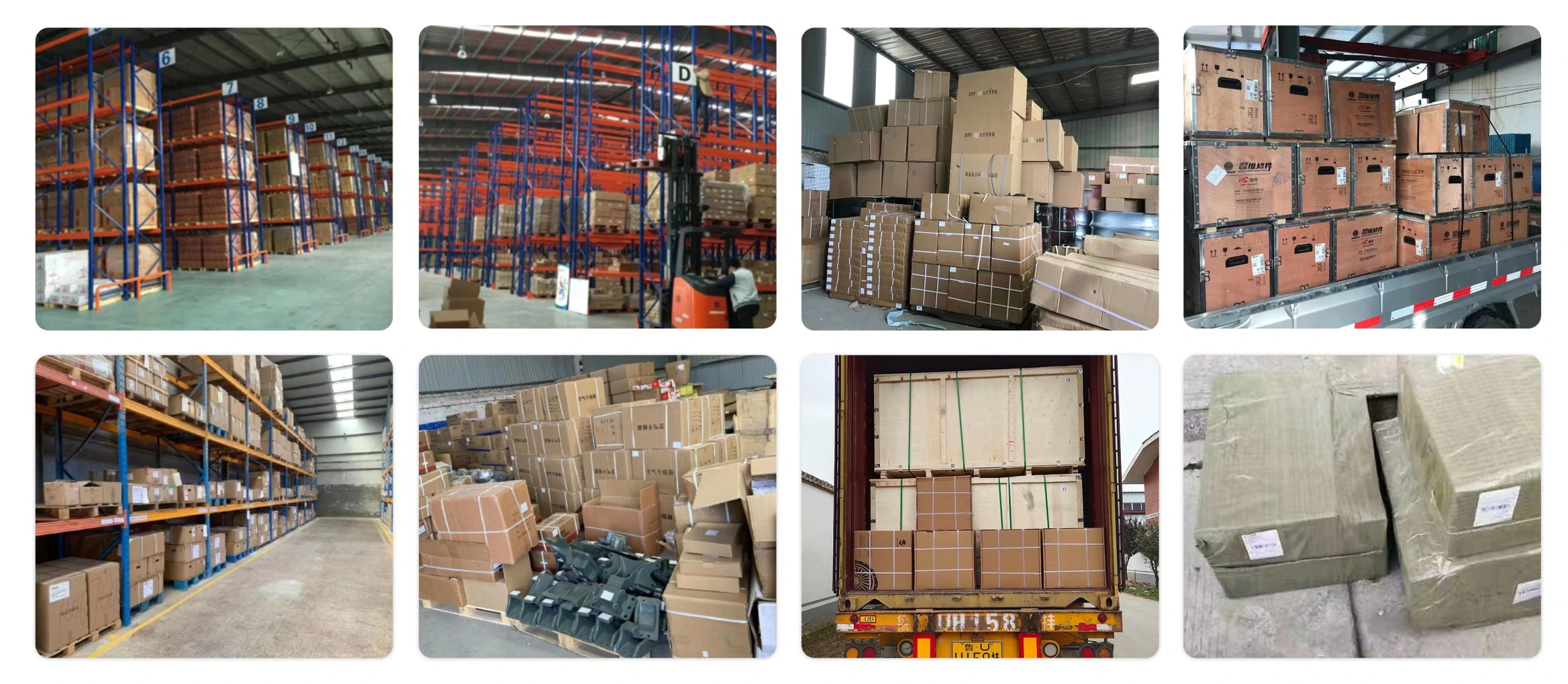
Embalaje y Logística
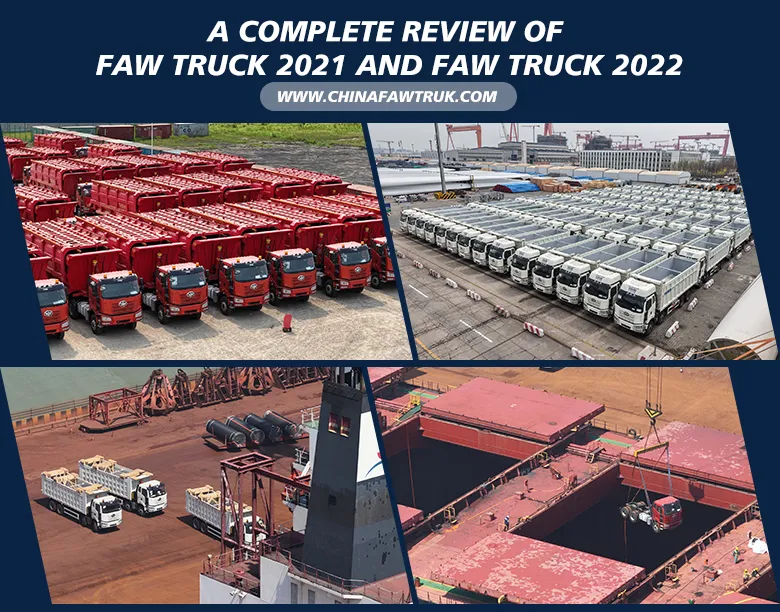
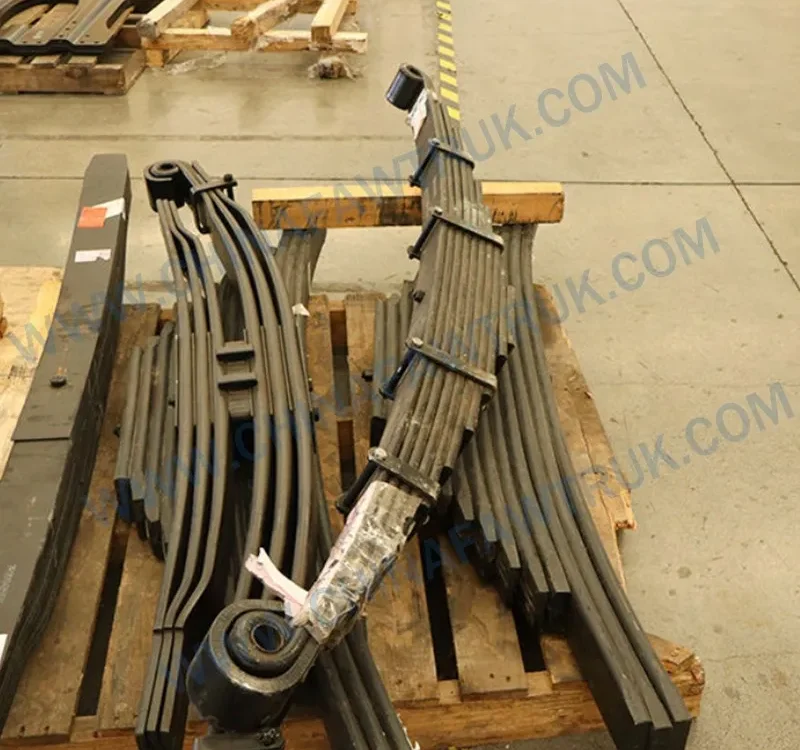
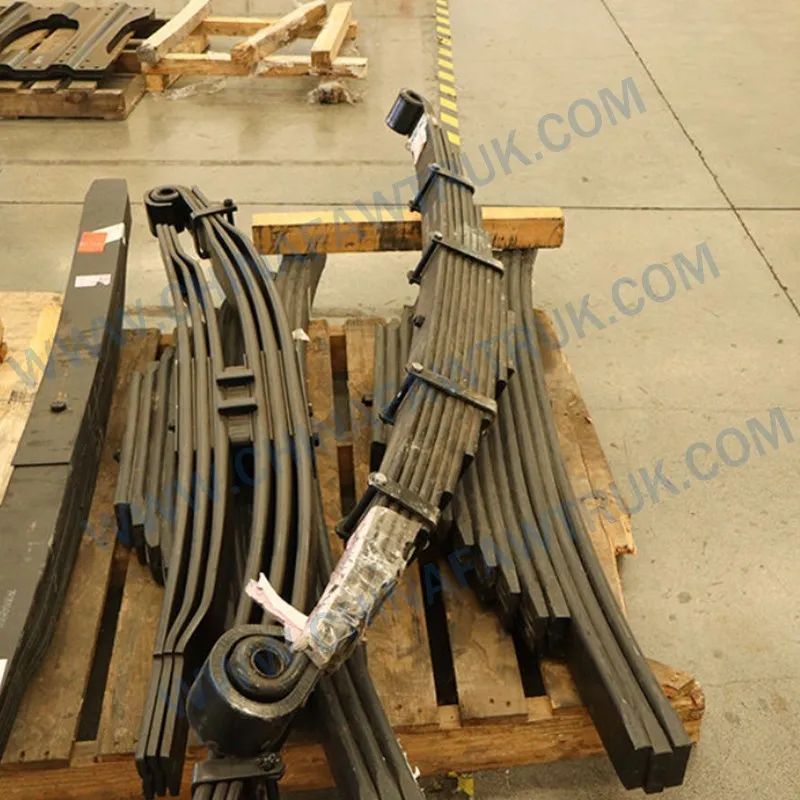
piezas FAW, incluido el conjunto del bloque de cilindros, Se empaquetan con cuidado para garantizar una entrega segura.. Cada componente está asegurado con materiales protectores para evitar daños durante el transporte.. La red logística garantiza envíos puntuales en todo el mundo., apoyando operaciones de mantenimiento eficientes. A continuación se muestra una imagen que ilustra el embalaje estándar de las piezas de camiones FAW., mostrando la atención al detalle en el manejo y almacenamiento.
Este enfoque de embalaje minimiza el riesgo de corrosión o daños por impacto., asegurando que piezas como el conjunto de bloque de cilindros FAW lleguen en perfectas condiciones. Los clientes pueden confiar en la logística de FAW para obtener calidad y confiabilidad constantes.