Carcaça do eixo traseiro russo FAW: A base estrutural para estabilidade de carga útil em serviços pesados
O Carcaça do eixo traseiro russo FAW a montagem serve como a espinha dorsal inflexível do sistema de tração traseira do caminhão basculante CA3250P66K24L1TE5Z. Projetado especificamente para a topografia punitiva da Federação Russa, esta unidade estrutural suporta a imensa carga vertical da carga útil enquanto reage ao violento torque do trem de força. O Carcaça do eixo traseiro russo FAW garante alinhamento preciso das engrenagens e proteção robusta em condições ambientais extremas até -40°C.

Conjunto lógico da carcaça do eixo traseiro russo FAW
Projeto de Habitação: A fortaleza que suporta carga
O componente central desta montagem é o Conjunto da carcaça do eixo traseiro (Parte não. 2401010-A7E). Esta enorme estrutura funciona como uma ponte, abrangendo a distância entre os cubos das rodas enquanto embala as sensíveis engrenagens diferenciais. No contexto do Carcaça do eixo traseiro russo FAW, o alojamento é normalmente fabricado em aço fundido de alta resistência ou em aço soldado fabricado, projetado para oferecer máxima rigidez com peso otimizado. A especificação do material é crítica para o mercado russo; deve possuir alta resistência ao impacto em temperaturas abaixo de zero para evitar fraturas frágeis quando o caminhão totalmente carregado atravessa congelado, estradas de mineração esburacadas.
O desenho geométrico do Conjunto da carcaça do eixo traseiro incorpora uma central reforçada “banjo” seção que resiste às forças de separação geradas pelas engrenagens de coroa e pinhão. Os tubos do eixo são parte integrante da carcaça, fornecendo os pontos de montagem para as molas de suspensão e as placas de apoio do freio. Dentro do Carcaça do eixo traseiro russo FAW arquitetura, a espessura da parede é variável, sendo mais espesso em pontos de alta tensão próximos aos assentos da mola e suporte diferencial para lidar com momentos fletores, embora ligeiramente mais fino em áreas de baixo estresse para reduzir o peso não suspenso. Esta engenharia sofisticada garante que a carcaça mantenha o alinhamento perfeito dos semi-eixos sob todas as condições de carga.
A proteção de superfície é outro aspecto vital do Carcaça do eixo traseiro russo FAW. O exterior é tratado com um revestimento especializado para serviços pesados que resiste à abrasão causada por detritos rodoviários e à corrosão química causada por sais rodoviários usados no inverno.. Esta camada protetora evita a degradação estrutural ao longo do tempo, garantindo que a classificação de carga da carcaça permaneça consistente durante toda a vida útil do veículo. A robustez do Conjunto da carcaça do eixo traseiro é o principal fator que determina a capacidade de sobrecarga e a durabilidade de todo o sistema de tração traseira.
Transferência Cinética: Os semi-eixos para serviços pesados
Transmitindo a força rotacional do diferencial para as rodas são os Meio eixo esquerdo (Parte não. 2403081B483) e o Meio eixo à direita (Parte não. 2403082B483). Esses componentes são as artérias cinéticas do Carcaça do eixo traseiro russo FAW conjunto. Fabricado em liga de aço forjado, eles são endurecidos por indução para criar uma superfície resistente ao desgaste nas estrias, mantendo uma resistência resistente, núcleo dúctil capaz de absorver cargas de choque torcional. Esta dualidade é essencial para sobreviver ao “deslizamento” eventos de tração comuns em estradas russas geladas, onde os picos de torque podem ser instantâneos e severos.
A geometria spline no Meio eixo esquerdo e Meio eixo à direita é usinado com precisão para combinar perfeitamente com as engrenagens laterais do diferencial e o flange de acionamento do cubo da roda. No Carcaça do eixo traseiro russo FAW sistema, esses eixos são do “totalmente flutuante” projeto. Isso significa que eles transmitem apenas o torque de condução e não carregam peso do veículo. O peso é suportado inteiramente pelos tubos da carcaça do eixo, permitindo que os eixos se concentrem puramente na propulsão. Este design aumenta significativamente a confiabilidade dos semi-eixos, pois estão isolados das cargas de flexão causadas pela carga útil.
O “B483” O sufixo nos números das peças provavelmente indica um comprimento específico ou classificação de torque adaptada à largura do chassi e à relação de transmissão do CA3250P66K24L1TE5Z. Instalando um eixo incorreto no Carcaça do eixo traseiro russo FAW pode levar ao desengate da estria ou ao fundo contra o eixo transversal do diferencial. A metalurgia de alta qualidade garante que esses eixos possam suportar milhões de ciclos de carga sem falha por fadiga, fornecendo o fornecimento confiável de energia necessário para operações pesadas em locais remotos.
Lógica Fluida: Manutenção e Proteção
A longevidade das engrenagens e rolamentos dentro do Carcaça do eixo traseiro russo FAW depende fortemente da manutenção de um ambiente de lubrificação limpo. A montagem apresenta Plugue cônico de cabeça hexagonal (Parte não. CQ61810) para enchimento e verificação de nível. Mais importante, ele utiliza o Plugue magnético cônico com soquete hexagonal (Parte não. T62104M) como o ponto de drenagem. Este plugue magnético atua como um filtro passivo, capturando partículas ferrosas finas derramadas pelas engrenagens durante a operação normal. Ao remover essas aparas de metal abrasivo em suspensão no óleo, o plugue evita o desgaste prematuro dos rolamentos de precisão.
O design de rosca cônica do Plugue cônico de cabeça hexagonal e Plugue magnético cônico com soquete hexagonal cria um ajuste de interferência autovedante. Isto elimina a necessidade de juntas perecíveis que poderiam falhar no frio extremo do inverno russo. No Carcaça do eixo traseiro russo FAW, manter uma vedação hermética é fundamental. Mesmo um pequeno vazamento de óleo pode levar a uma falha catastrófica de lubrificação, enquanto a entrada de água pode emulsionar o óleo e destruir o diferencial. O design robusto do plugue garante vedação segura sob alta vibração.
Inspeção regular do Plugue magnético cônico com soquete hexagonal fornece informações de diagnóstico valiosas para mecânicos de frota. A quantidade e o tipo de detritos coletados no ímã podem indicar a saúde dos componentes internos. Lascas grandes podem sugerir danos aos dentes da engrenagem, enquanto a pasta fina excessiva pode indicar problemas no rolamento. Este componente simples, mas eficaz, é a base da estratégia de manutenção preventiva para o Carcaça do eixo traseiro russo FAW, permitindo que os operadores detectem problemas antes que resultem em avarias.
Controle de pressão: O sistema de respiro
Uma crítica, mas muitas vezes esquecido, componente do Carcaça do eixo traseiro russo FAW é o Plugue de respiro (Parte não. T905). À medida que o eixo opera, o atrito das engrenagens e rolamentos gera calor, fazendo com que o ar dentro da caixa se expanda. Sem ventilação funcional, esta pressão interna aumentaria e forçaria o óleo da engrenagem a passar pelas vedações do cubo da roda ou pela vedação do pinhão, levando a vazamentos e contaminação dos freios. O respiro permite que esse ar expandido escape, mantendo o equilíbrio de pressão.
Por outro lado, quando o caminhão entra em um rio congelado ou banco de neve, o rápido resfriamento da caixa faz com que o ar interno se contraia, criando um vácuo. O Plugue de respiro é projetado como uma válvula de retenção unidirecional ou labirinto que permite a reentrada do ar sem sugar água ou sujeira. No contexto do Carcaça do eixo traseiro russo FAW, esta funcionalidade é vital. A contaminação da água é a principal causa de falha do eixo em ambientes off-road. O respiro T905 garante que o ambiente interno permaneça seco e pressurizado corretamente.
A localização do Plugue de respiro no Conjunto da carcaça do eixo traseiro é estratégico, colocado alto o suficiente para evitar a submersão durante profundidades normais de vadear. No entanto, em condições extremas, pode ser conectado a uma mangueira remota. Manter o respiro limpo e livre de lama seca ou gelo é essencial. Um respiro entupido no Carcaça do eixo traseiro russo FAW garante falha na vedação, tornando este pequeno componente um foco principal para inspeções diárias no duro teatro operacional russo.
Divisão de Componentes: 132. Carcaça do eixo traseiro e conjunto lógico do semieixo
| Não. |
Número da peça |
Nome da peça |
Quantidade |
| 1 | 2403082B483 | Meio eixo à direita | 1 |
| 2 | 2401010-A7E | Conjunto da carcaça do eixo traseiro | 1 |
| 3 | T905 | Plugue de respiro | 1 |
| 4 | T62104M | Plugue magnético cônico com soquete hexagonal | 1 |
| 5 | CQ61810 | Plugue cônico de cabeça hexagonal | 1 |
| 6 | 2403081B483 | Meio eixo esquerdo | 1 |
Conclusão: A base da capacidade de carga útil
O Carcaça do eixo traseiro russo FAW é uma prova do design funcional onde a rigidez estrutural encontra a eficiência cinética. É mais do que um feixe estático; é um sistema dinâmico que protege o sistema de transmissão, suporta a carga útil, e facilita a transferência de energia para o solo. A integração de materiais de alta resistência, tratamento térmico avançado para os semi-eixos, e um sistema robusto de ventilação e lubrificação garante que esta montagem possa sobreviver às condições brutais da Federação Russa.
Para proprietários de frotas e pessoal de manutenção, entender a lógica desta montagem é fundamental para reduzir o tempo de inatividade. Ações simples como limpar o bujão de respiro e inspecionar o bujão de drenagem magnético no Carcaça do eixo traseiro russo FAW pode evitar falhas graves. Priorizando a manutenção desses componentes críticos e utilizando peças genuínas FAW para substituições, os operadores salvaguardam a fiabilidade e a rentabilidade das suas operações de transporte pesado.
Embalagem e Logística
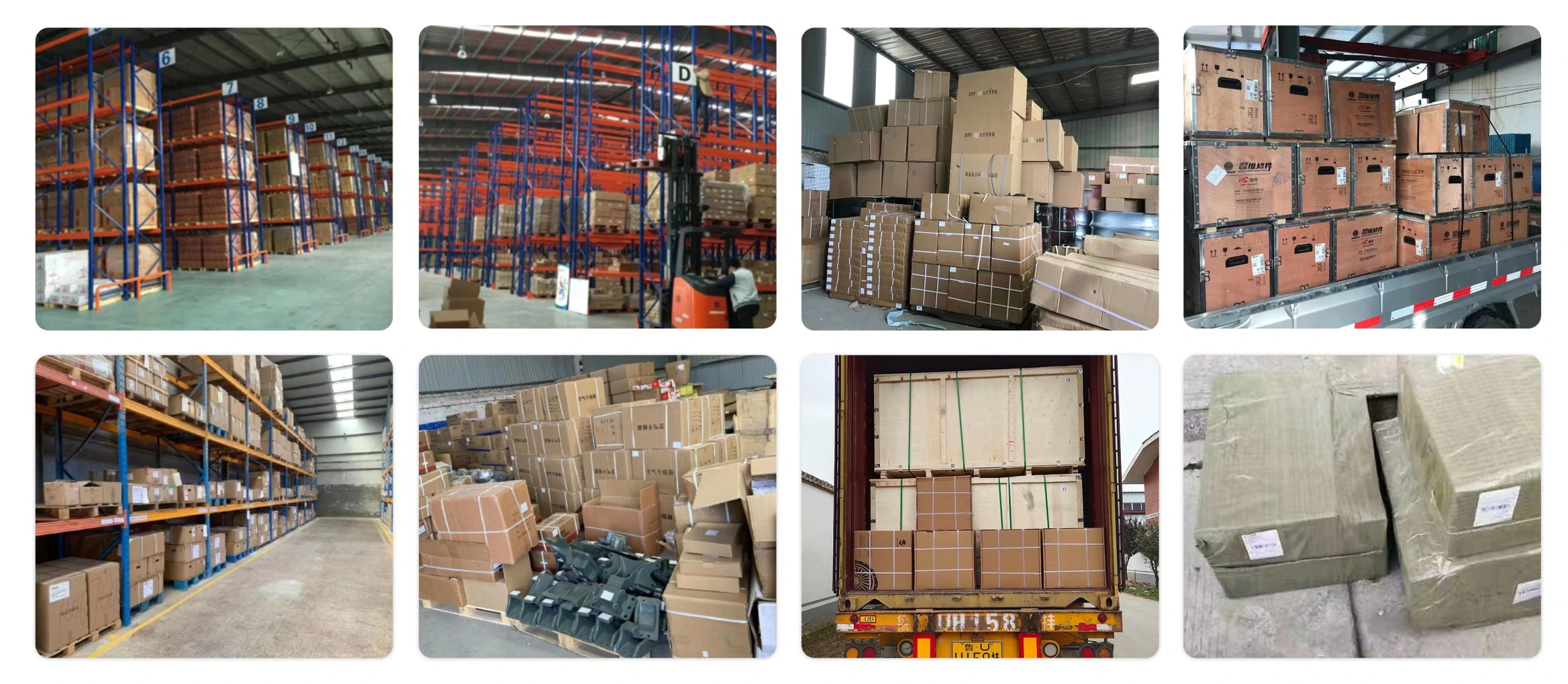
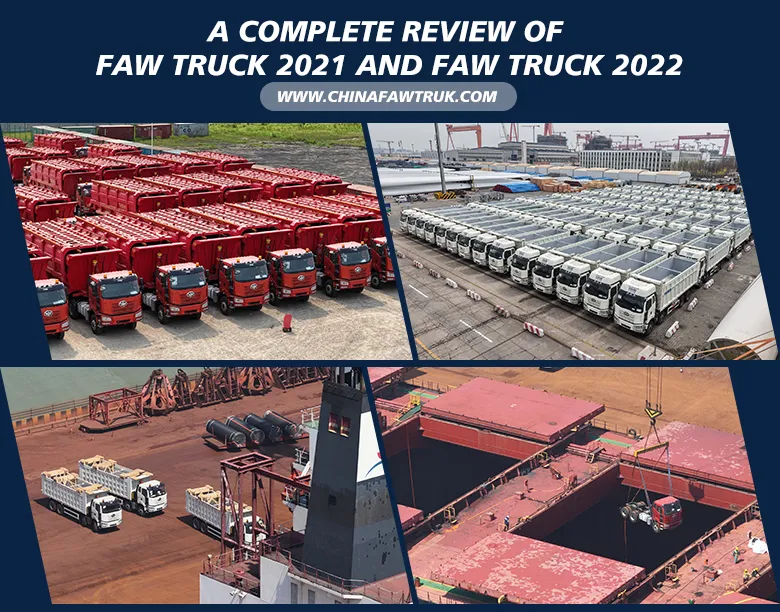
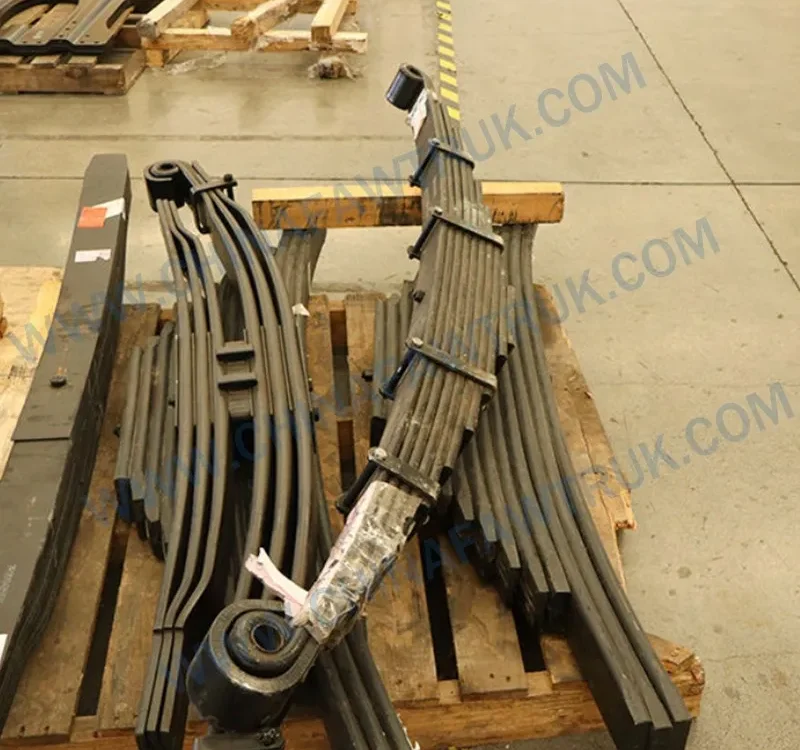
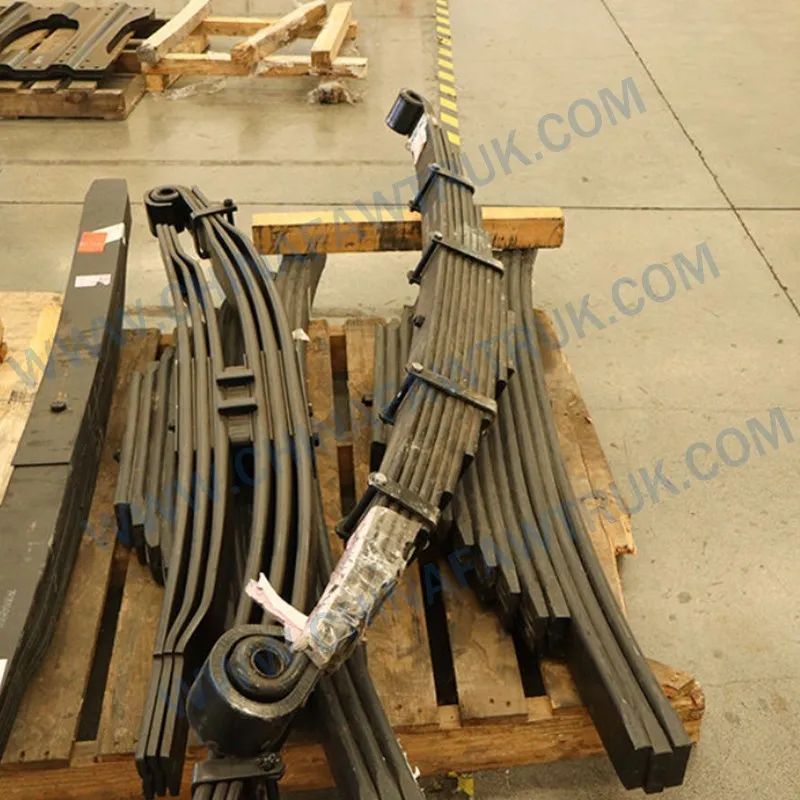
Peças FAW, incluindo o conjunto do bloco de cilindros, são embalados com cuidado para garantir uma entrega segura. Cada componente é protegido por materiais de proteção para evitar danos durante o transporte. A rede logística garante envios pontuais em todo o mundo, apoiando operações de manutenção eficientes. Abaixo está uma imagem ilustrando a embalagem padrão para peças de caminhão FAW, mostrando a atenção aos detalhes no manuseio e armazenamento.
Esta abordagem de embalagem minimiza o risco de corrosão ou danos por impacto, garantindo que peças como o conjunto do bloco de cilindros FAW cheguem em perfeitas condições. Os clientes podem confiar na logística da FAW para obter qualidade e confiabilidade consistentes.