por 


Esta es una guía técnica completa para el Parabrisas FAW J6P Montaje para FAW Jiefang CA3250P66K2L1T1E 6×4 camión volcado. Esta deconstrucción analiza la 3 tipos de componentes primarios, detallando el panel de vidrio crítico, la tira de sellado necesaria, y las mangas de límite especializadas que garantizan la integridad de la visión delantera.
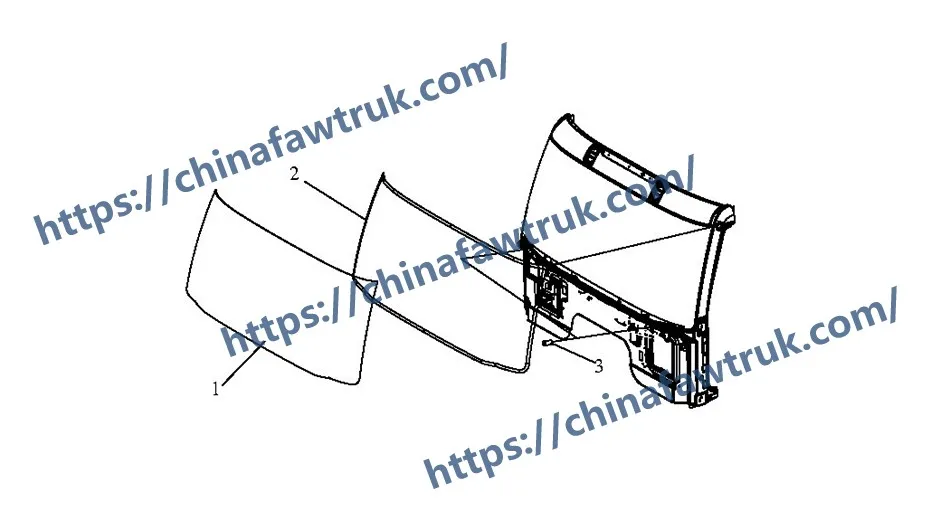
El Parabrisas FAW J6P es más que un simple trozo de vidrio; Es un componente estructural y de seguridad crítico de la cabina.. En un vehículo comercial, La ventana frontal debe ser de vidrio laminado de seguridad., diseñado para permanecer intacto tras el impacto, protegiendo así a los ocupantes y evitando que objetos extraños entren en la cabina. La gran área de visualización proporcionada por este panel de vidrio es esencial para que el conductor mantenga el conocimiento de la situación en entornos complejos de construcción y carreteras..
La aparente simplicidad del ensamblaje (solo tres tipos de piezas principales) contradice la precisión de ingeniería requerida para la instalación.. La integridad de todo el sistema visual delantero depende completamente de la calidad del propio vidrio., la longevidad del sello de goma, y el ajuste preciso de las mangas de límite. La falla del sistema de sellado puede provocar la entrada de agua., ruido del viento, y eventual corrosión de la estructura de la cabina alrededor de la abertura del vidrio. Esta deconstrucción analizará la composición y la lógica de instalación de los tres componentes clave del conjunto del **Parabrisas FAW J6P**.
Este componente es el elemento funcional principal del sistema de parabrisas.. Su composición de materiales está estrictamente regulada para máxima seguridad y claridad óptica., que impacta directamente el desempeño del conductor.
1. Componente: «Vidrio del parabrisas delantero’ (5206011-A01) – Cantidad 1
Este (compensación 1) es el panel de vidrio grande real. El Lógica del vidrio de seguridad dicta que debe ser vidrio laminado, compuesto por dos capas de vidrio unidas con una capa de polivinilbutiral (PVB) película. Esta construcción asegura que si el vidrio se fractura, las piezas quedan adheridas a la capa de PVB, evitando que fragmentos afilados vuelen y manteniendo la integridad estructural. La calidad óptica del vidrio es fundamental para evitar distorsiones que podrían causar fatiga al conductor o problemas de juicio., especialmente durante la conducción nocturna.
el grande, La forma curva de todo el conjunto de la ventana delantera está diseñada con precisión para proporcionar la máxima visibilidad frontal y periférica., Un factor clave en la calificación de seguridad de la cabina.. Esta gran superficie acristalada también contribuye significativamente a la rigidez torsional general de la cabina.. Cualquier desviación de las especificaciones OEM para el panel de vidrio puede comprometer la integridad de toda la cabina., conduciendo al fracaso.
El reemplazo adecuado del parabrisas requiere equipo de elevación especializado y un estricto cumplimiento de procedimientos específicos de unión o sellado.. El cristal frontal juega un papel estructural., lo que significa que un procedimiento de sustitución amateur puede debilitar gravemente la estructura de la cabina.
Este grupo de componentes proporciona el sello ambiental crítico alrededor del perímetro de la ventana frontal.. Su función es innegociable para la protección de la cabina y el confort acústico..
1. Componente: «Tira de sellado del parabrisas delantero’ (5206022-A01) – Cantidad 1
Este (compensación 2) es el burlete principal o junta de goma. El Lógica de barrera de agua dicta que esta tira flexible de caucho o polímero está diseñada para llenar el espacio entre el panel de vidrio (compensación 1) y la abertura metálica de la cabina. Esto evita que el agua, polvo, y ruido del viento al entrar en la cabina. El daño o endurecimiento de la tira selladora es la causa más común de fugas y ruido en la cabina.. La instalación de esta tira suele ser una tarea de alta precisión., Requiere agentes adhesivos para garantizar que el sello mantenga su integridad bajo tensión dinámica..
2. Componente: 'Manga límite – Parabrisas delantero’ (5206036-A01) – Cantidad 2
Este (compensación 3) es un espaciador u ojal especializado. Se utilizan dos de estos, colocado estratégicamente alrededor de la abertura de vidrio. El Lógica de posicionamiento es critico: Estas fundas garantizan que el panel de vidrio esté colocado correctamente dentro del marco de la cabina antes de aplicar el sello final.. Esto establece el espacio perfecto alrededor del vidrio., permitiendo que la tira de sellado (compensación 2) comprimir uniformemente. La colocación incorrecta de estas fundas límite puede provocar una presión desigual en el vidrio frontal., causando grietas por tensión o sellado deficiente.
El rendimiento acústico general de la ventana frontal depende de la perfecta cooperación entre el vidrio, la tira de sellado, y las mangas límite. Estos componentes trabajan juntos para proporcionar un silencio, seco, entorno de cabina estructuralmente sólido para el conductor.
Los protocolos de instalación y mantenimiento del parabrisas son tan críticos como los propios componentes, dadas las implicaciones de seguridad de una ventana frontal defectuosa.
1. Refuerzo estructural de la cabina
La estructura de la cabina alrededor de la abertura de la ventana delantera está fuertemente reforzada.. El Lógica del pilar A dicta que los soportes metálicos a ambos lados del vidrio deben ser capaces de soportar una carga significativa en caso de vuelco. Una ventanilla delantera correctamente instalada contribuye en gran medida a la rigidez torsional de la cabina.. Esta integración estructural se logra mediante el uso de adhesivo de poliuretano de alto módulo. (no figura en la lista de materiales pero es necesario para la instalación) que une rígidamente el vidrio al marco de la cabina, Transformar el vidrio en un miembro estructural..
2. Consecuencias de fallas y reemplazos
Un modo de falla común para el vidrio frontal es el agrietamiento debido a astillas de piedra o puntos de presión localizados debido a un marco irregular.. Si se produce una grieta, el elemento de seguridad del vidrio laminado evita su rotura total. Sin embargo, la integridad está comprometida, y todo el panel debe ser reemplazado inmediatamente. Usar sellos inadecuados o no utilizar los manguitos de límite (compensación 3) durante el reemplazo puede provocar puntos de tensión localizados, lo que podría causar que una ventana recién instalada se agriete prematuramente bajo la vibración normal de la carretera..
3. Factores ambientales en el uso intensivo
En un camión volquete que opera sobre polvorientos, terreno irregular, los sellos (compensación 2) de la ventana delantera están sujetos a extremos. La constante flexión y vibración del chasis requieren alta calidad., material de sellado duradero. Inspección periódica de la tira de sellado en busca de grietas., contracción, o huecos es imprescindible el mantenimiento preventivo. La entrada de agua causada por un sello defectuoso puede dañar los componentes electrónicos de la cabina ubicados debajo del tablero, lo que provoca costosas fallas secundarias en el sistema eléctrico del vehículo.
La vida útil continua del vehículo depende en gran medida de la robustez de cada componente principal.. Todo el sistema de ventanilla delantera desempeña su papel de elemento estructural., seguridad, y componente medioambiental para el conductor. Cada elemento del conjunto de la ventana delantera debe cumplir con las especificaciones precisas del OEM para ofrecer un rendimiento confiable durante todo el ciclo de vida operativo del vehículo..
La siguiente tabla proporciona la información completa, desglose detallado de todos 3 tipos de componentes en el Parabrisas FAW J6P Montaje para FAW Jiefang CA3250P66K2L1T1E 6×4 camión volcado. Esta lista es esencial para pedir repuestos y realizar un servicio completo del Parabrisas FAW J6P.
| Marca | Número de pieza. | Nombre de la pieza | Cantidad |
|---|---|---|---|
| 1 | 5206011-A01 | Vidrio del parabrisas delantero | 1 |
| 2 | 5206022-A01 | Tira de sellado del parabrisas delantero | 1 |
| 3 | 5206036-A01 | Manga límite – Parabrisas delantero | 2 |
Las especificaciones para el Parabrisas FAW J6P se definen por su vidrio laminado de seguridad, Garantizar tanto la visibilidad del conductor como la integridad estructural de la estructura de la cabina..
| Solicitud de vehículo | FAW Jiefang CA3250P66K2L1T1E 6×4 Camión de la basura |
| Grupo de sistema | Parabrisas FAW J6P |
| Tipo de vidrio | Vidrio de seguridad laminado (Componente estructural) |
| Panel de vidrio N/P | 5206011-A01 |
| Componente de sellado | «Tira de sellado del parabrisas delantero’ (5206022-A01) |
| Componente de alineación | 'Manga límite – Parabrisas delantero’ (5206036-A01) |
| Función primaria | Visibilidad del conductor y rigidez torsional de la cabina. |
| Tipos de componentes totales | 3 |
| Sistema asociado | Exterior de la cabina / Barrera de seguridad. El Parabrisas FAW J6P es fundamental para la visión hacia adelante. |
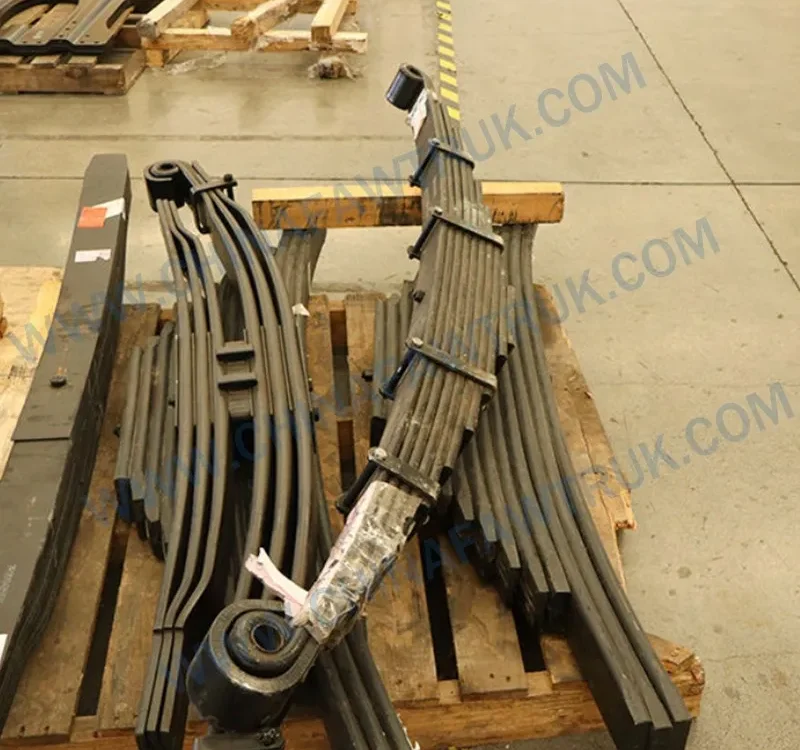
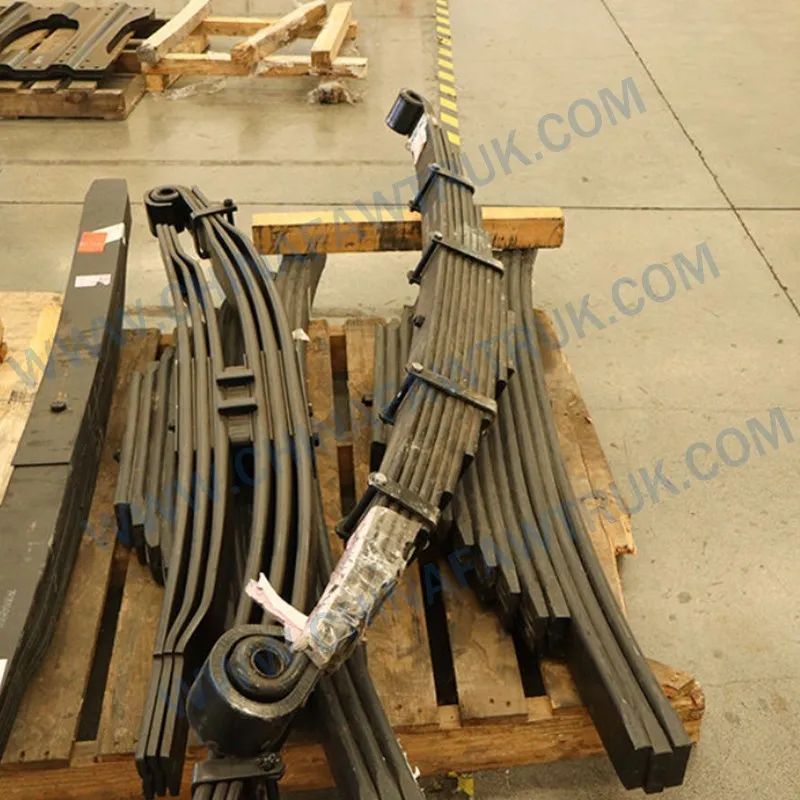
piezas FAW, incluido el conjunto del bloque de cilindros, Se empaquetan con cuidado para garantizar una entrega segura.. Cada componente está asegurado con materiales protectores para evitar daños durante el transporte.. La red logística garantiza envíos puntuales en todo el mundo., apoyando operaciones de mantenimiento eficientes. A continuación se muestra una imagen que ilustra el embalaje estándar de las piezas de camiones FAW., mostrando la atención al detalle en el manejo y almacenamiento.
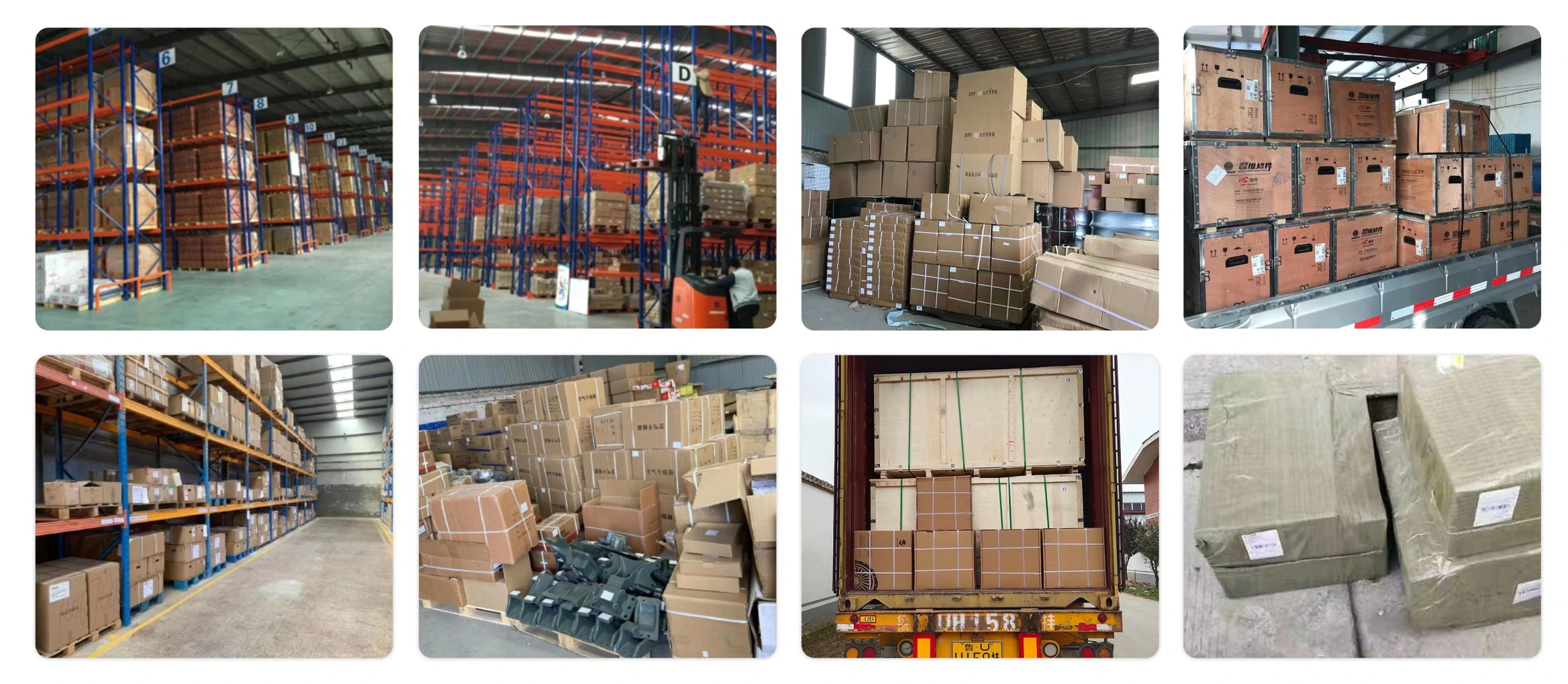
Este enfoque de embalaje minimiza el riesgo de corrosión o daños por impacto., asegurando que piezas como el conjunto de bloque de cilindros FAW lleguen en perfectas condiciones. Los clientes pueden confiar en la logística de FAW para obtener calidad y confiabilidad constantes.