por 


Este é um guia técnico completo para o Pára-brisas FAW J6P montagem para o FAW Jiefang CA3250P66K2L1T1E 6×4 caminhão despejando. Esta desconstrução analisa o 3 tipos de componentes primários, detalhando o painel de vidro crítico, a tira de vedação necessária, e as mangas limite especializadas que garantem a integridade da visão frontal.
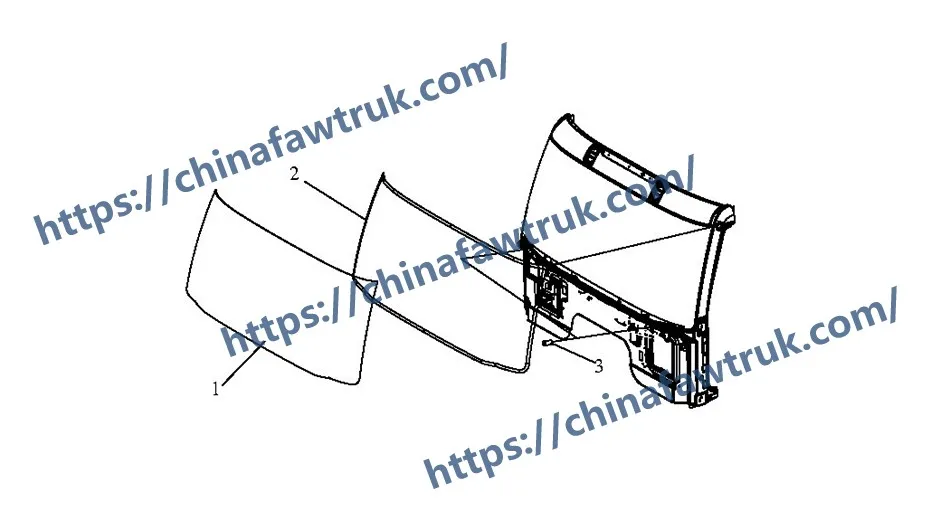
O Pára-brisas FAW J6P é mais do que apenas um pedaço de vidro; é um componente estrutural e de segurança crítico da cabine. Em um veículo comercial, a janela frontal deve ser de vidro laminado de segurança, projetado para permanecer intacto após o impacto, protegendo assim os ocupantes e evitando que objetos estranhos entrem na cabine. A grande área de visualização proporcionada por este painel de vidro é essencial para que o condutor mantenha a consciência situacional em construções complexas e ambientes rodoviários.
A aparente simplicidade da montagem – apenas três tipos de peças principais – desmente a precisão de engenharia necessária para a instalação. A integridade de todo o sistema visual frontal depende inteiramente da qualidade do próprio vidro, a longevidade da vedação de borracha, e o ajuste preciso das mangas limite. A falha do sistema de vedação pode levar à entrada de água, barulho do vento, e eventual corrosão da estrutura da cabine ao redor da abertura de vidro. Esta desconstrução analisará a composição e lógica de instalação dos três componentes principais da montagem **FAW J6P Windscreen**.
Este componente é o principal elemento funcional do sistema de pára-brisas. Sua composição de material é estritamente regulamentada para máxima segurança e clareza óptica, que afeta diretamente o desempenho do motorista.
1. Componente: ‘Vidro do para-brisa dianteiro’ (5206011-A01) – Quantidade 1
Esse (Comp. 1) é o grande painel de vidro real. O Lógica de vidro de segurança determina que isso deve ser vidro laminado, consistindo em duas camadas de vidro unidas por uma camada de polivinil butiral (PVB) filme. Esta construção garante que se o vidro estiver fraturado, as peças permanecem aderidas à camada de PVB, evitando que fragmentos afiados voem e mantendo a integridade estrutural. A qualidade óptica do vidro é crítica para evitar distorções que podem causar fadiga ao motorista ou prejudicar o julgamento, especialmente durante a condução noturna.
O grande, a forma curva de todo o conjunto da janela frontal é projetada com precisão para fornecer visibilidade frontal e periférica máxima, um fator chave na classificação de segurança da cabine. Esta grande área envidraçada também contribui significativamente para a rigidez torcional geral da cabina. Qualquer desvio das especificações OEM para o painel de vidro pode comprometer a integridade de toda a estrutura da cabine, levando ao fracasso.
A substituição adequada do pára-brisas requer equipamento de elevação especializado e adesão rigorosa a procedimentos específicos de colagem ou vedação. O vidro frontal desempenha um papel estrutural, o que significa que um procedimento de substituição amador pode enfraquecer gravemente a estrutura da cabina.
Este grupo de componentes fornece a vedação ambiental crítica em torno do perímetro da janela frontal. Sua função não é negociável para proteção da cabine e conforto acústico.
1. Componente: ‘Faixa de vedação do pára-brisa dianteiro’ (5206022-A01) – Quantidade 1
Esse (Comp. 2) é a vedação primária ou junta de borracha. O Lógica da Barreira de Água determina que esta tira flexível de borracha ou polímero seja projetada para preencher a lacuna entre o painel de vidro (Comp. 1) e a abertura metálica da cabine. Isto evita que a água, pó, e ruído do vento ao entrar na cabine. Danos ou endurecimento da tira de vedação são a causa mais comum de vazamentos e ruídos na cabine. A instalação desta faixa costuma ser uma tarefa de alta precisão, exigindo agentes de ligação adesiva para garantir que a vedação mantenha sua integridade sob tensão dinâmica.
2. Componente: 'Manga Limite – Pára-brisas dianteiro’ (5206036-A01) – Quantidade 2
Esse (Comp. 3) é um espaçador ou ilhó especializado. Dois deles são usados, estrategicamente colocado ao redor da abertura de vidro. O Lógica de Posicionamento é crítico: essas mangas garantem que o painel de vidro esteja corretamente posicionado dentro da estrutura da cabine antes da aplicação da vedação final. Isso define a lacuna perfeita ao redor do vidro, permitindo que a tira de vedação (Comp. 2) comprimir uniformemente. A colocação incorreta dessas mangas limitadoras pode causar pressão desigual no vidro frontal, causando rachaduras por tensão ou má vedação.
O desempenho acústico geral da janela frontal depende da cooperação perfeita entre o vidro, a tira de vedação, e as mangas limite. Esses componentes trabalham juntos para fornecer um ambiente silencioso, seco, e ambiente de cabine estruturalmente sólido para o motorista.
Os protocolos de instalação e manutenção do pára-brisas são tão críticos quanto os próprios componentes, dadas as implicações de segurança de uma janela frontal com falha.
1. Reforço Estrutural da Cabine
A estrutura da cabina em torno da abertura da janela dianteira é fortemente reforçada. O Lógica do Pilar A determina que os suportes metálicos em ambos os lados do vidro devem ser capazes de suportar uma carga significativa em caso de capotamento. Uma janela frontal instalada corretamente contribui significativamente para a rigidez torcional da cabine. Esta integração estrutural é conseguida através da utilização de adesivo de poliuretano de alto módulo (não listado na lista técnica, mas necessário para instalação) que une rigidamente o vidro à estrutura da cabine, transformando o vidro em um membro estrutural.
2. Consequências de falha e substituição
Um modo de falha comum para o vidro frontal é a rachadura devido a lascas de pedra ou pontos de pressão localizados em uma moldura irregular.. Se ocorrer uma rachadura, o recurso de segurança do vidro laminado evita estilhaçamento total. No entanto, a integridade está comprometida, e todo o painel deve ser substituído imediatamente. Usar vedações inadequadas ou deixar de utilizar as mangas limite (Comp. 3) durante a substituição pode levar a pontos de tensão localizados, o que pode fazer com que uma janela recém-instalada quebre prematuramente sob a vibração normal da estrada.
3. Fatores Ambientais no Uso Pesado
Em um caminhão basculante operando em pó, terreno irregular, os selos (Comp. 2) da janela frontal estão sujeitos a extremos. A constante flexibilidade e vibração do chassi exigem alta qualidade, material de vedação durável. Inspeção regular da tira de vedação quanto a rachaduras, encolhimento, ou lacunas é essencial a manutenção preventiva. A entrada de água causada por uma falha na vedação pode danificar os componentes eletrônicos da cabine localizados abaixo do painel, levando a falhas secundárias caras no sistema elétrico do veículo.
A vida útil contínua do veículo depende muito da robustez de cada componente principal. Todo o sistema de janelas frontais desempenha seu papel como elemento estrutural, segurança, e componente ambiental para o motorista. Cada elemento do conjunto da janela dianteira deve atender às especificações precisas do OEM para oferecer desempenho confiável durante todo o ciclo de vida operacional do veículo.
A tabela a seguir fornece o completo, detalhamento de todos 3 tipos de componentes no Pára-brisas FAW J6P montagem para o FAW Jiefang CA3250P66K2L1T1E 6×4 caminhão despejando. Esta lista é essencial para solicitar peças de reposição e realizar um serviço completo do Pára-brisas FAW J6P.
| Marca | Parte não. | Nome da peça | Quantidade |
|---|---|---|---|
| 1 | 5206011-A01 | Vidro do pára-brisa dianteiro | 1 |
| 2 | 5206022-A01 | Tira de vedação do pára-brisa dianteiro | 1 |
| 3 | 5206036-A01 | Manga Limite – Pára-brisas dianteiro | 2 |
As especificações para o Pára-brisas FAW J6P são definidos pelo seu vidro laminado de segurança, garantindo a visibilidade do motorista e a integridade estrutural da estrutura da cabine.
| Aplicação em veículos | FAW Jiefang CA3250P66K2L1T1E 6×4 Caminhão basculante |
| Grupo de sistemas | Pára-brisas FAW J6P |
| Tipo de vidro | Vidro laminado de segurança (Componente Estrutural) |
| Painel de vidro P/N | 5206011-A01 |
| Componente de vedação | ‘Faixa de vedação do pára-brisa dianteiro’ (5206022-A01) |
| Componente de alinhamento | 'Manga Limite – Pára-brisas dianteiro’ (5206036-A01) |
| Função Primária | Visibilidade do motorista e rigidez torcional da cabine |
| Total de tipos de componentes | 3 |
| Sistema Associado | Exterior da cabine / Barreira de Segurança. O Pára-brisas FAW J6P é fundamental para a visão frontal. |
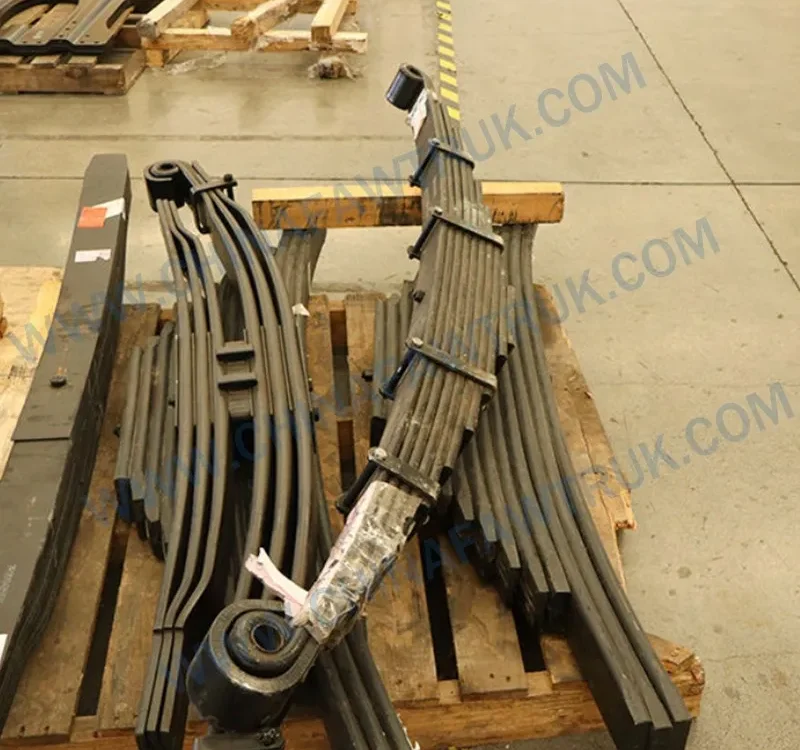
Peças FAW, incluindo o conjunto do bloco de cilindros, são embalados com cuidado para garantir uma entrega segura. Cada componente é protegido por materiais de proteção para evitar danos durante o transporte. A rede logística garante envios pontuais em todo o mundo, apoiando operações de manutenção eficientes. Abaixo está uma imagem ilustrando a embalagem padrão para peças de caminhão FAW, mostrando a atenção aos detalhes no manuseio e armazenamento.
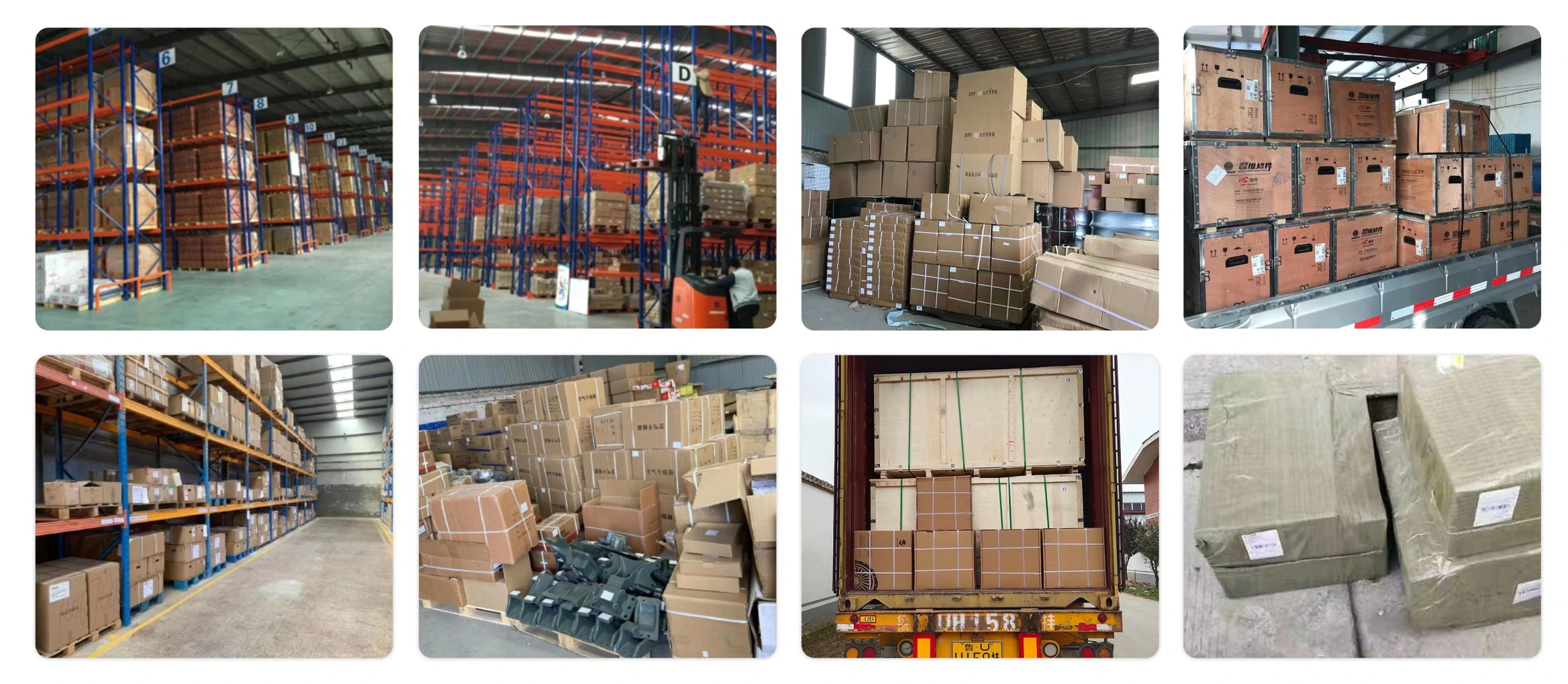
Esta abordagem de embalagem minimiza o risco de corrosão ou danos por impacto, garantindo que peças como o conjunto do bloco de cilindros FAW cheguem em perfeitas condições. Os clientes podem confiar na logística da FAW para obter qualidade e confiabilidade consistentes.