por 


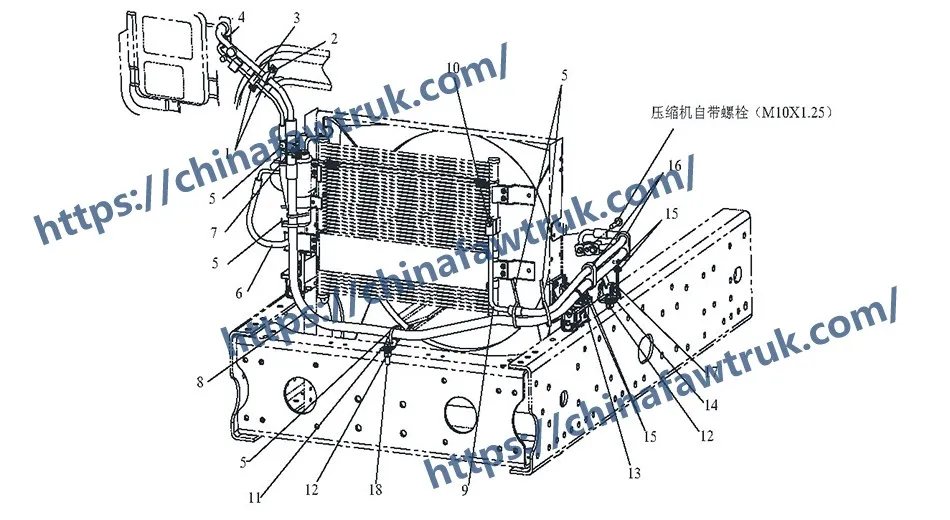
Esta es una deconstrucción técnica completa del Intercooler FAW J6P asamblea (Capítulo 39). Este es el “Enfriador de aire de carga” Para FAW Jiefang CA3250P66K2L1T1E 6×4 camión volcado. Esto no es un “radiador” (que enfría el agua); esto es un “Impulsar la lógica” dispositivo. Su único propósito es enfriar el calor., aire comprimido del turbocompresor *antes* de entrar al motor, que es fundamental para el poder, eficiencia, y emisiones.

El “turbocompresor” (Capítulo 16) comprime el aire para crear “aumentar,” pero esta compresión hace que el aire esté extremadamente caliente (150°C+). El aire caliente es “menos denso,” lo que significa que tiene menos oxígeno. El Intercooler FAW J6P es el “Lógica de eficiencia” dispositivo que soluciona esto. Funciona como un “aire-aire” intercambiador de calor. Enfría este aire caliente, haciéndolo “frío y denso.”
Este “Lógica del aire denso” es la clave. Frío, el aire denso contiene *más oxígeno*. Más oxígeno permite que el motor queme combustible de manera más completa., cual (A) crea *más poder* y (B) *reduce las temperaturas de combustión*, cual es el primario “Lógica de control de emisiones” para reducir NOx. Un fracaso en el Intercooler FAW J6P sistema (como un “fuga de refuerzo”) es una pérdida catastrófica de potencia y eficiencia.
Esta guía técnica es un recurso esencial para los técnicos de chasis y administradores de flotas.. analizaremos todo 14 componentes. Vamos a deconstruir el “Lógica de intercambio central” (el propio intercooler), el “Lógica de plomería del lado caliente” (del turbo), el “Lógica de plomería del lado frío” (al motor), y el “Sellando & Lógica de protección” (las abrazaderas críticas, juntas, y red de guardia).
Este componente es el “corazón” de todo Intercooler FAW J6P sistema. es el “caballo de batalla” donde tiene lugar todo el intercambio de calor.
1. Componente: 'Conjunto de intercooler’ (1119010-70Ud.)
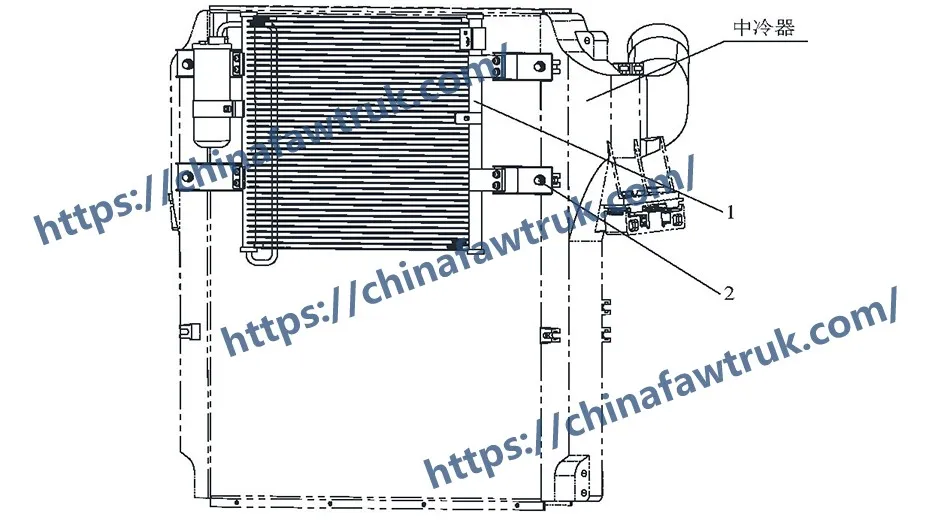
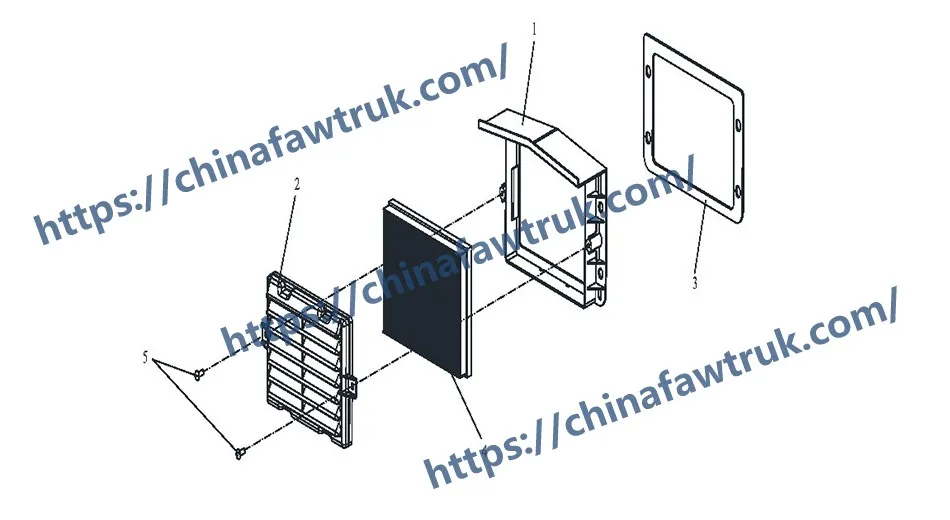
Este (compensación 1) es el “Lógica del intercambio de calor.” es un grande “aire-aire” intercambiador de calor, lo que significa “aire” (del turbo) fluye *dentro* de él, y “aire” (desde el exterior) fluye *a través* de él. Está montado en la parte delantera del camión., delante del 'conjunto del radiador’ (Capítulo 37), para recibir el “más frío” “aire ram.”
Es “Lógica del lado caliente” ¿Es tan caliente? (150°C+), aire a alta presión del turbocompresor (ver núcleo 2) se ve obligado a una “tanque de entrada” en un lado. Este aire caliente luego viaja a través de docenas de “tubos” o “núcleos” que corren a lo ancho del conjunto.
Es “Lógica de enfriamiento” es eso “aire ambiente” (frío, aire exterior) se fuerza *a través* del *exterior* de estos tubos a medida que el camión se mueve. Este “Lógica del aire ambiente,” mejorado por el ventilador del motor (Capítulo 20), “mechas” el calor *fuera* del aire de carga y “deshecho” en la atmósfera.
Es “Lógica del lado frío” es que el ahora “frío, denso” (P.EJ., 50°C) El aire de carga se recoge en el “tanque de salida” allende. este aire, ahora rico en oxígeno, Está listo para ser enviado al motor. (ver núcleo 3). el principal “Lógica del fracaso” por un Intercooler FAW J6P es un “grieta” o “punción” por vibraciones o escombros del camino, lo que provoca un “fuga de refuerzo” (un silbido, una pérdida de poder, y humo negro).
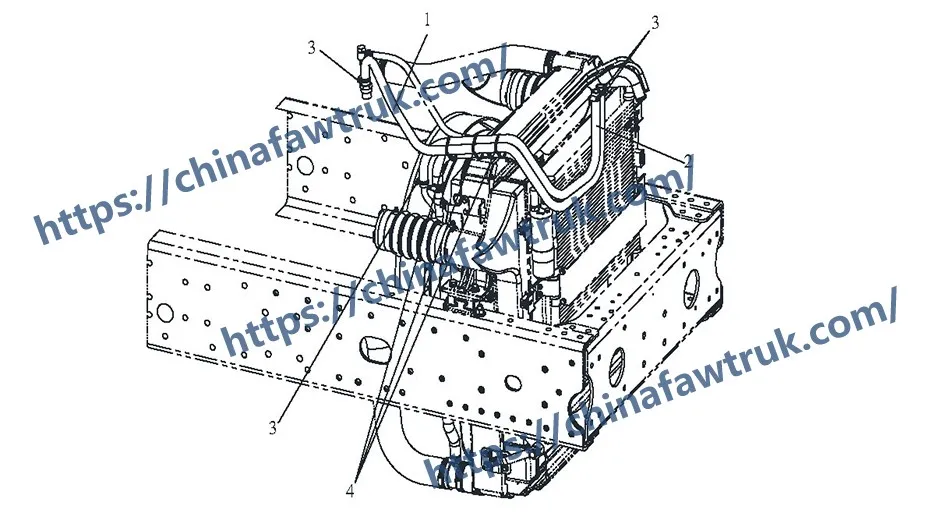
Este grupo es el “Camino de entrada.” Es “lógica” es transportar el *caliente, alta presión* (30+ PSI) aire desde el turbocompresor al Intercooler FAW J6P con cero fugas.
1. Componente: 'Manguera de salida del turbocompresor’ (1119057A263)
Este (compensación 7) es el “Lógica de origen.” Se conecta directamente al “salida del compresor” del turbocompresor. Es un sistema de alta ingeniería, manguera de silicona reforzada multicapa. *debe* ser “silicona” para resistir el “ataque dual” de (A) calor extremo de más de 150°C y (B) “niebla de aceite” de los cojinetes del turbo. Una manguera de goma estándar “derretir” o “disolver.”
2. Componente: 'Conjunto de manguera de conexión corrugada de entrada’ (1119050-50A)
Este (compensación 3) es el “Lógica de aislamiento de vibraciones.” El “motor” (con el turbo, compensación 7) “giros” en sus monturas, pero el “chasis” (con el **Intercooler FAW J6P**, compensación 1) no. Este “acanalado” (estilo fuelle) la manguera es una “junta flexible” eso “parejas” el motor a las tuberías del chasis. Es “flexibilidad” es lo que evita que la vibración del motor “agrietamiento por fatiga” los tubos rígidos.
3. Componente: 'Tubo de entrada del intercooler’ (1119031-14B)
Este (compensación 4) es el “Lógica de conductos rígidos.” Es el tubo preformado de acero o aluminio el que “cierra la brecha” entre los flexibles “acanalado” manguera (compensación 3) y el 'conjunto del intercooler’ (compensación 1) entrada. Es rígido para evitar que “globo” bajo impulso.
Este grupo tiene la “opuesto” lógica: para transportar el ahora *frío, aire* denso *de* la Intercooler FAW J6P *a* el colector de admisión del motor con cero fugas.
1. Componente: 'Conjunto de manguera de conexión corrugada de salida’ (1119060-50A)
Este (compensación 12) es el “Lógica de vibración del lado frío.” es el flexible “acoplador” que conecta la *salida* del 'conjunto del intercooler’ (compensación 1) al 'Tubo de entrada del motor’ (compensación 9). Me gusta comp 3, es “acanalado” a “absorber” el “movimiento diferencial” entre el intercooler montado en el chasis y el motor vibratorio.
2. Componente: 'Tubo de entrada del motor’ (1119062-14B)
Este (compensación 9) es el “Lógica de entrega final.” es el rígido, tubo preformado que “entrega” el frio, denso, aire rico en oxígeno al componente final: el colector de admisión del motor.
3. Componente: 'Junta del tubo de entrada’ (1119064-50A)
Este (compensación 8) es el “Lógica del sello final.” Este es un “Unidad reparable más pequeña” (SSU) de *extrema* importancia. Él “sellos” el 'Tubo de entrada del motor’ (compensación 9) al colector de admisión del motor.
un fracaso (a “explosión de junta”) aquí hay un “fuga de refuerzo” eso causa un “silbido” sonido, una pérdida de poder, y humo negro. Aún peor, si la fuga está en el “succión” lado del turbo (Si corresponde, Aunque es poco probable aquí), va a “absorber” *sin filtrar, aire sucio*. Este “Lógica del aire sucio” voluntad “polvo” el motor, “chorro de arena” los pistones y cilindros y provocando un “reconstrucción total del motor.”
Este último grupo contiene las SSU que “sostener” el Intercooler FAW J6P sistema juntos y “proteger” por daño físico.
1. El “Lógica de sellado” (Componentes 2, 6)
Esto incluye el 'Abrazadera de manguera de alta resistencia’ (T67610006A) – Cantidad 4 y 'Abrazadera de manguera de alta resistencia’ (T6767606A) – Cantidad 2. Estas seis abrazaderas son las “Lógica a prueba de impulsos.” un sencillo “engranaje helicoidal” abrazadera (de una ferretería) quería “deslizar” o “banda” bajo impulso.
Estos son “Perno en T” o “Servicio pesado” abrazaderas. Su “lógica” es proporcionar una vista de 360 grados, “alto par” “fuerza de sujeción” en las mangueras reforzadas (compensación 3, 7, 12). Esto es lo que evita que las mangueras “soplando” los tubos rígidos debajo 30+ PSI de presión de sobrealimentación.
2. El “Lógica de protección” (Componente 14)
'Conjunto de red de guardia’ (1310010A50AJ). Este (compensación 14) es el “Lógica de la armadura física.” El conjunto del intercooler’ (compensación 1) está hecho de… “suave” aluminio, con papel fino “aletas.” un solo “roca” o grande “bicho” arrojado desde la carretera a alta velocidad “punción” el núcleo o “aplanar” las aletas (bloqueando el flujo de aire).
Esta 'red de guardia'’ es un “sacrificatorio” pantalla. Es “atornillado” (compensación 13) frente al Intercooler FAW J6P. Es “lógica” es para “absorber el impacto” de escombros del camino, “sacrificando” mismo a “proteger” el caro, delicado núcleo del intercooler detrás de él.
3. El “Cierre” Lógica (Componentes 5, 10, 11, 13)
Este es el “Lógica de hardware.” Incluye todos los 'Pernos de brida hexagonal’ (compensación 5, 10), «Pernos de conexión’ (compensación 11), y 'Pernos combinados’ (compensación 13). Estos son “bridado” (autobloqueante) perno. Este “Lógica a prueba de vibraciones” es esencial para “seguro” la 'red de guardia'’ (compensación 14) y los 'Tubos de entrada/salida’ (compensación 4, 9) a sus puntos de montaje, asegurándose de que nunca “traqueteo” perder.
La siguiente tabla proporciona la información completa, desglose detallado de todos 14 tipos de componentes en el Intercooler FAW J6P asamblea (Capítulo 39) Para FAW Jiefang CA3250P66K2L1T1E 6×4 camión volcado.
| Marca | Número de pieza. | Nombre de la pieza | Cantidad |
|---|---|---|---|
| 1 | 1119010-70Ud. | Conjunto de intercooler | 1 |
| 2 | T67610006A | Abrazadera de manguera resistente | 4 |
| 3 | 1119050-50A | Conjunto de manguera de conexión corrugada de entrada | 1 |
| 4 | 1119031-14B | Tubo de entrada del intercooler | 1 |
| 5 | Q1840825 | Perno de brida hexagonal | 1 |
| 6 | T6767606A | Abrazadera de manguera resistente | 2 |
| 7 | 1119057A263 | Manguera de salida del turbocompresor | 1 |
| 8 | 1119064-50A | Junta del tubo de entrada | 1 |
| 9 | 1119062-14B | Tubo de entrada del motor | 1 |
| 10 | Q1840870 | Perno de brida hexagonal | 2 |
| 11 | 1119063-50A | Perno de conexión | 2 |
| 12 | 1119060-50A | Conjunto de manguera de conexión corrugada de salida | 1 |
| 13 | CQ1460816 | Perno combinado | 4 |
| 14 | 1310010A50AJ | Conjunto de red de guardia | 1 |
Las especificaciones para el Intercooler FAW J6P El sistema se define por su función como unidad primaria de refrigeración del aire de carga para maximizar la potencia y la eficiencia del motor..
| Solicitud de vehículo | FAW Jiefang CA3250P66K2L1T1E 6×4 Camión de la basura |
| Grupo de sistema | Intercooler FAW J6P, Plomería & Asamblea de protección |
| Lógica primaria | Refrigeración por aire de carga (Intercambio de calor aire-aire) |
| Lógica secundaria | Sellado de presión de refuerzo, Aislamiento de vibraciones & Protección física |
| Componente central | 'Conjunto de intercooler’ (1119010-70Ud.) |
| “lado caliente” Plomería | 1119057A263, 1119050-50A, 1119031-14B |
| “Lado frío” Plomería | 1119060-50A, 1119062-14B |
| Sello crítico (Motor) | 'Junta del tubo de entrada’ (1119064-50A) |
| Hardware de sellado (Abrazaderas) | T67610006A (Cantidad 4), T6767606A (Cantidad 2) |
| Hardware de protección | 'Conjunto de red de guardia’ (1310010A50AJ) |
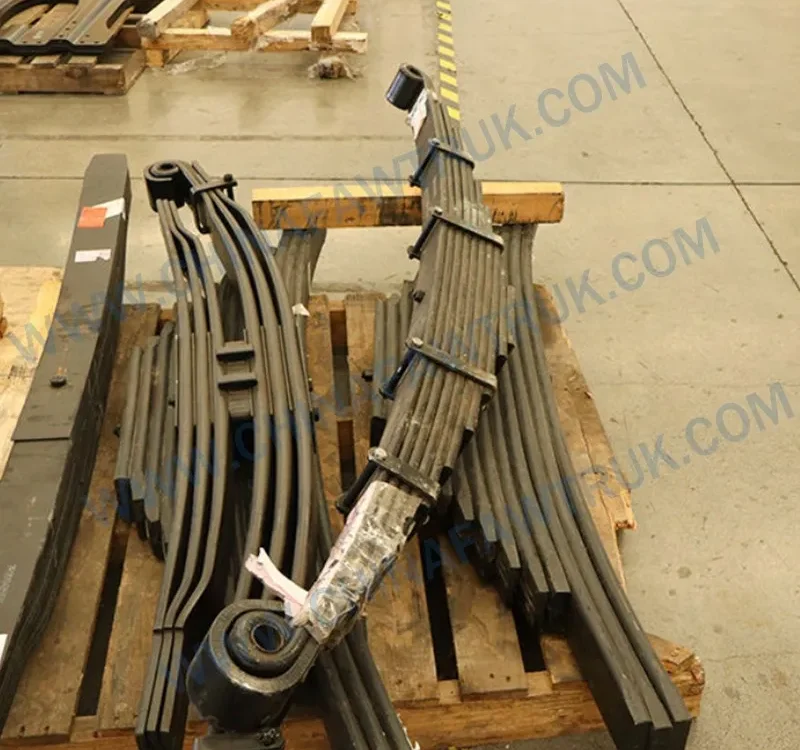
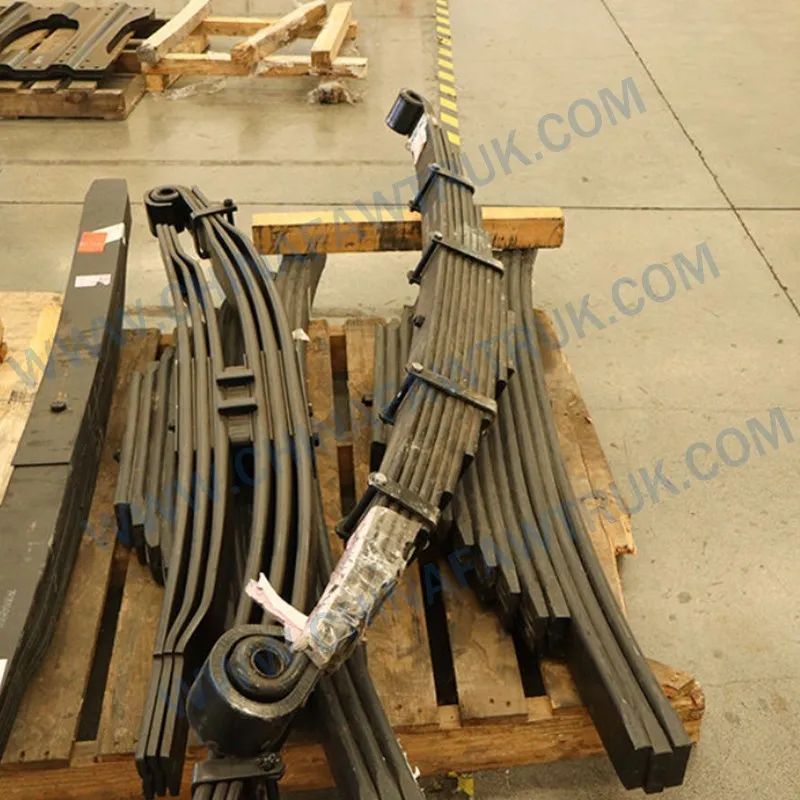
piezas FAW, incluido el conjunto del bloque de cilindros, Se empaquetan con cuidado para garantizar una entrega segura.. Cada componente está asegurado con materiales protectores para evitar daños durante el transporte.. La red logística garantiza envíos puntuales en todo el mundo., apoyando operaciones de mantenimiento eficientes. A continuación se muestra una imagen que ilustra el embalaje estándar de las piezas de camiones FAW., mostrando la atención al detalle en el manejo y almacenamiento.
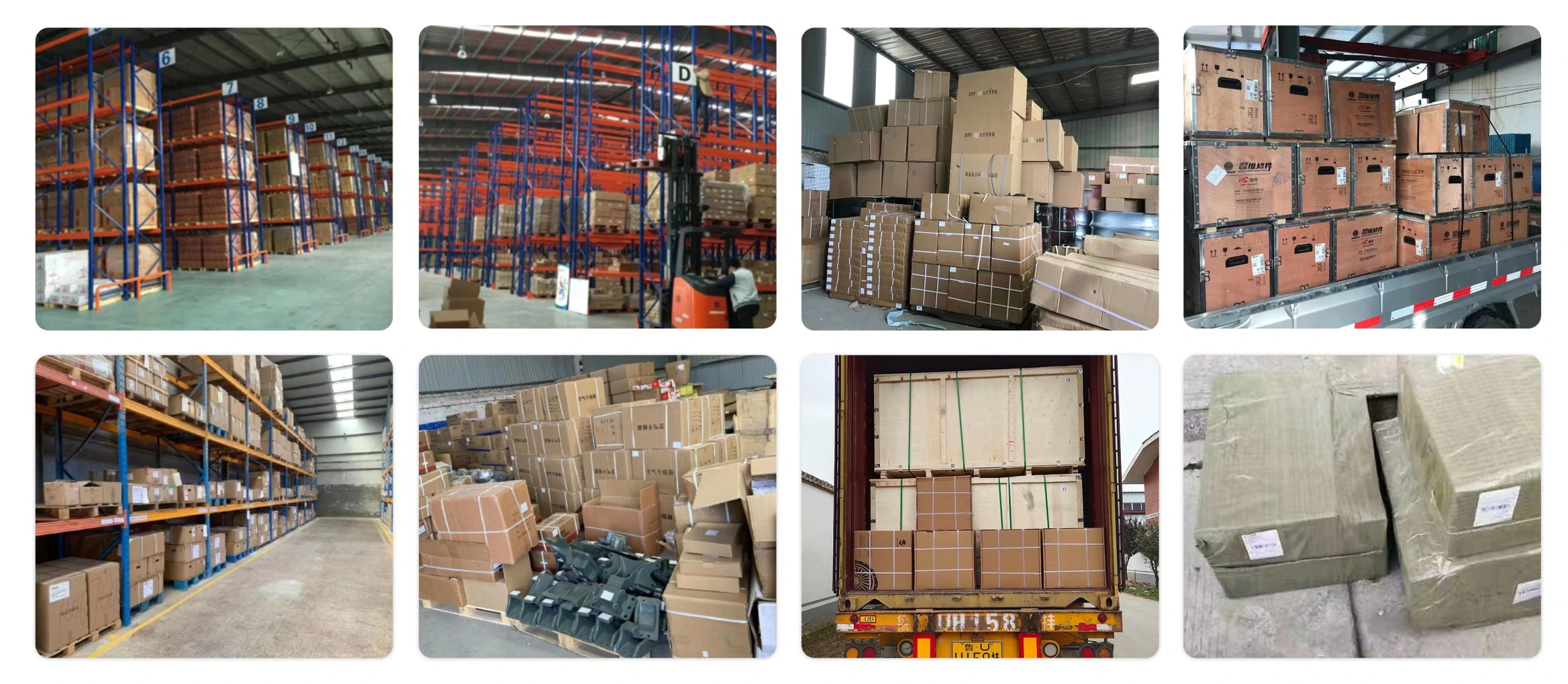
Este enfoque de embalaje minimiza el riesgo de corrosión o daños por impacto., asegurando que piezas como el conjunto de bloque de cilindros FAW lleguen en perfectas condiciones. Los clientes pueden confiar en la logística de FAW para obtener calidad y confiabilidad constantes.