Placa de parada lateral da mola traseira russa FAW: Protegendo 20 Componentes Estratégicos para Alinhamento de Eixos
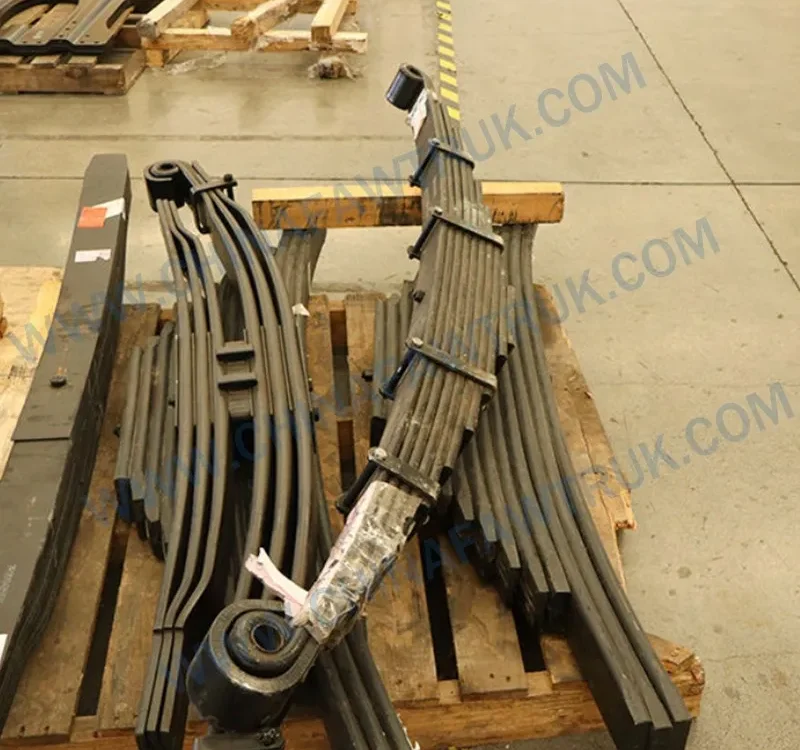
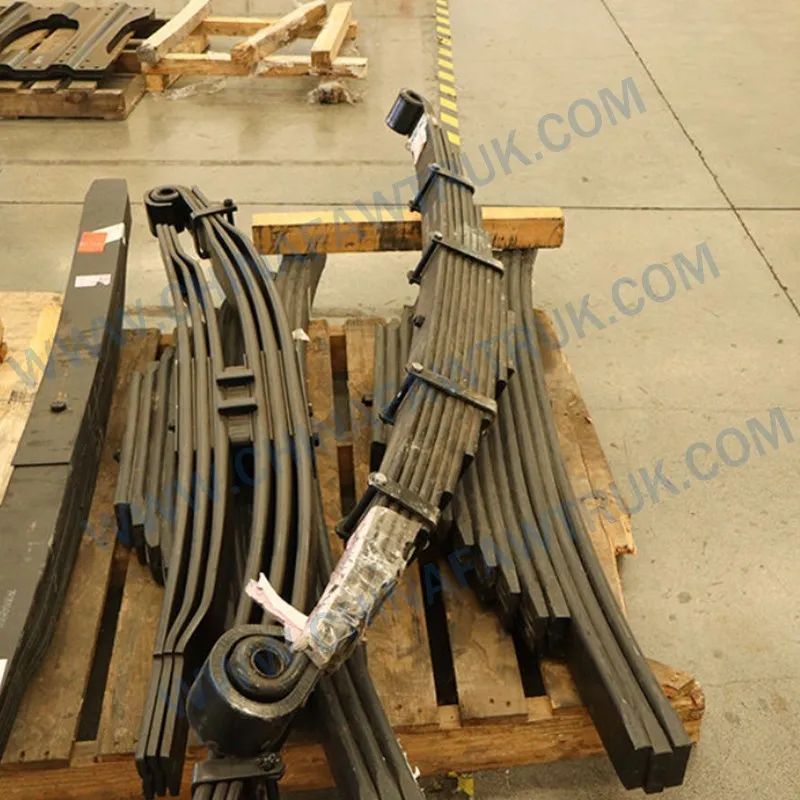
O Placa de batente lateral da mola traseira a montagem lógica é um sistema de estabilização vital para o caminhão basculante CA3250P66K24L1TE5Z, projetado especificamente para manter a integridade geométrica do bogie traseiro. Nas condições extenuantes do Norte da Rússia, cargas laterais geradas durante curvas ou travessia de terreno inclinado podem forçar a pilha de molas a se deslocar ou “espalhe-se.” O Placa de batente lateral da mola traseira impede esta migração lateral, garantindo que a suspensão transfere cargas verticais de forma eficiente sem comprometer o alinhamento do eixo. Este guia analisa as placas limite para serviços pesados e os parafusos de flange de haste grossa que formam este sistema de retenção essencial.

Placa de parada lateral da mola traseira russa FAW
Dinâmica lateral e integridade da suspensão
A função principal do Placa de batente lateral da mola traseira é atuar como uma barreira física contra o movimento lateral das folhas da mola. Em um sistema de suspensão multifolhas, as placas de aço individuais são empilhadas e fixadas por um parafuso central. No entanto, sob cargas pesadas em curva ou quando o caminhão está trabalhando em um declive lateral em uma pedreira, forças de cisalhamento laterais significativas são aplicadas à pilha. Sem o Placa de batente lateral da mola traseira, as folhas podem ser tesouras ou espalhar-se, reduzindo a taxa efetiva da mola e potencialmente permitindo que as folhas entrem em contato com os pneus ou a estrutura do chassi.
Esta montagem utiliza quatro unidades do Placa Limite Lateral – Mola da folha traseira (Parte não. 2912439-64C). Posicionado ao lado do pacote de molas, essas placas criam um canal rígido que confina as folhas. O “64C” designação indica uma liga específica de aço de alta resistência escolhida por sua resistência ao desgaste. À medida que a suspensão circula, as bordas das folhas da primavera podem esfregar contra o Placa de batente lateral da mola traseira. Uma placa de aço macio padrão ranhuraria rapidamente, criando jogo no sistema. O componente FAW é endurecido para resistir a esta abrasão, mantendo um ajuste de tolerância apertado para a vida útil do veículo.
A presença do Placa de batente lateral da mola traseira é fundamental para manter o “ângulo de impulso” dos eixos traseiros. Se o conjunto de molas se deslocar lateralmente, o eixo que ele suporta também mudará. Esse desalinhamento causa “rastreamento de cães,” onde a traseira do caminhão viaja em um caminho diferente da frente. Esta condição é perigosa nas estradas geladas da Rússia, pois reduz a estabilidade e causa rápida, desgaste irregular dos pneus. O Placa de batente lateral da mola traseira atua como guardião do alinhamento, garantindo que o caminhão siga fielmente, independentemente da carga.
Além disso, no frio extremo de -50°C, as molas de lâmina tornam-se mais rígidas e as cargas de choque são transmitidas de forma mais abrupta. O Placa de batente lateral da mola traseira deve absorver o componente lateral desses choques. O design da placa inclui pontos de montagem reforçados para evitar fissuras por fadiga nos furos dos parafusos, um ponto de falha comum em componentes de reposição inferiores que não possuem o “64C” especificação metalúrgica necessária para operações no Ártico.
Arquitetura de fixação de alto cisalhamento
A rigidez estrutural do Placa de batente lateral da mola traseira depende inteiramente do seu sistema de fixação. A assembleia emprega 16 unidades do Parafuso de flange hexagonal (Parte não. Q1841865T). Este parafuso específico é descrito como um “Haste Grossa” (Tipo padrão), indicando um perfil de rosca robusto projetado para máximo poder de retenção em peças fundidas ou estruturas para serviços pesados. O “1865T” o código provavelmente denota um diâmetro M18 com comprimento de 65 mm e uma classe de resistência de alta resistência, como 10.9.
A escolha de um parafuso de flange para o Placa de batente lateral da mola traseira é deliberado. O flange integrado atua como uma arruela, distribuindo a força de fixação por uma área mais ampla da placa. Isso evita que a cabeça do parafuso se encaixe no Placa de batente lateral da mola traseira sob a imensa vibração da condução off-road. A incorporação leva a uma perda de tensão de pré-carga, o que permite que a placa chacoalhe e eventualmente corte os parafusos. O design do flange garante que a carga de fixação seja mantida uniformemente em toda a superfície de contato.
O “Haste Grossa” a especificação do parafuso é significativa para resistência ao cisalhamento. A parte não rosqueada da haste (o comprimento do aperto) é dimensionado para ficar exatamente dentro do plano de cisalhamento entre o Placa de batente lateral da mola traseira e o suporte de montagem. Isso garante que as forças laterais atuem na haste de aço sólido do parafuso, não na seção roscada mais fraca. Este detalhe de engenharia aumenta enormemente a resistência ao cisalhamento da montagem, evitando que os parafusos se quebrem quando o caminhão desliza lateralmente em um sulco.
A aplicação de torque é crítica para o Placa de batente lateral da mola traseira parafusos. Porque existem quatro parafusos que prendem cada placa, eles devem ser apertados em uma sequência específica para garantir que a placa fique plana contra sua montagem. O aperto irregular pode introduzir tensão na placa, levando a rachaduras prematuras. O Placa de batente lateral da mola traseira O sistema depende da aderência de fricção gerada por esta força de fixação para permanecer imóvel contra o impulso lateral da suspensão.
Durabilidade do Ártico e Ciência dos Materiais
Operar no inverno russo apresenta desafios únicos para o Placa de batente lateral da mola traseira. Em temperaturas que chegam a -50°C, os metais se contraem e a resistência ao impacto diminui. O aço utilizado para Placa Limite Lateral – Mola da folha traseira (Parte não. 2912439-64C) é selecionado por sua baixa temperatura de transição dúctil-frágil. Embora o aço padrão possa quebrar como vidro se for atingido por uma pedra nessas temperaturas, a placa FAW retém ductilidade suficiente para se deformar levemente sem falha catastrófica.
A corrosão é outra grande ameaça. O Placa de batente lateral da mola traseira está localizado na zona de pulverização das rodas, constantemente exposto à umidade, lama, e produtos químicos corrosivos para descongelamento. Os componentes passam por um tratamento de superfície especializado – provavelmente um revestimento de flocos de zinco ou um revestimento eletrônico resistente – para evitar ferrugem. Se a ferrugem se formasse entre a placa e as folhas da primavera, criaria uma pasta abrasiva que acelera o desgaste nas bordas da mola. Manter o acabamento superficial do Placa de batente lateral da mola traseira é essencial para a longevidade de todo o conjunto de molas.
Os parafusos (Parte não. Q1841865T) também apresentam revestimento resistente à corrosão. No contexto da manutenção, isso garante que o Placa de batente lateral da mola traseira pode ser removido para manutenção sem que os parafusos fiquem presos nos furos. Parafusos apreendidos muitas vezes requerem queima para serem removidos, que danifica a têmpera dos componentes da suspensão circundantes. O revestimento de alta qualidade no Placa de batente lateral da mola traseira os fixadores são um pequeno detalhe que reduz significativamente os custos de manutenção a longo prazo.
Adicionalmente, o desenho do Placa de batente lateral da mola traseira inclui folgas generosas para evacuação de lama e gelo. Se o espaço entre a placa e a mola fosse muito apertado, gelo compactado pode exercer pressão sobre a mola, alterando sua taxa ou causando ligação. O design FAW permite o movimento necessário, evitando o acúmulo de detritos, garantindo o Placa de batente lateral da mola traseira desempenha sua função sem interferir na articulação da suspensão.
Diretrizes de inspeção e substituição
Os gestores de frota devem exigir inspeções regulares dos Placa de batente lateral da mola traseira. O sinal mais comum de desgaste são ranhuras na face interna da placa onde as folhas da mola fazem contato. Embora algum polimento seja normal, sulcos profundos indicam que o Placa de batente lateral da mola traseira fez seu trabalho, mas atingiu o fim de sua vida útil. O desbaste da placa reduz sua resistência estrutural, arriscando falhar durante um evento de carga lateral grave.
O 16 os parafusos de montagem devem ser verificados quanto ao aperto. Um solto Placa de batente lateral da mola traseira vai chocalhar, fazendo com que os furos dos parafusos se alonguem. Uma vez que os buracos são ovalizados, o próprio suporte de montagem pode precisar de reparo ou substituição. Recomenda-se aplicar uma chave dinamométrica a estes parafusos em cada intervalo de manutenção do chassi para garantir que a força de fixação seja mantida. O Placa de batente lateral da mola traseira depende dessa rigidez para funcionar.
Ao substituir o conjunto, use sempre parafusos novos. Os parafusos Q1841865T estão sob alta tensão e sujeitos à fadiga. Reutilizando parafusos velhos no Placa de batente lateral da mola traseira convida ao risco de cisalhamento do parafuso. Além disso, garantindo que as superfícies de contato estejam limpas e livres de ferrugem antes de instalar o novo Placa de batente lateral da mola traseira garante uma conexão mecânica sólida.
Usando peças genuínas FAW para o Placa de batente lateral da mola traseira garante que a dureza do aço corresponda às folhas da mola. Usar uma placa muito dura pode desgastar as molas; uma placa muito mole se desgastará prematuramente. O componente 2912439-64W especificado de fábrica atinge o equilíbrio tribológico correto para o sistema.
Divisão de Componentes: Lógica da placa limitadora lateral da mola traseira
| Não. |
Número da peça |
Nome da peça |
Quantidade |
| 1 | Q1841865T | Parafuso de flange hexagonal (Haste Grossa / Tipo padrão) | 16 |
| 2 | 2912439-64C | Placa Limite Lateral – Mola da folha traseira | 4 |
Conclusão: Estabilidade lateral garantida
O Placa de batente lateral da mola traseira é um componente fundamental para a segurança e estabilidade do caminhão basculante CA3250P66K24L1TE5Z. Ao confinar rigorosamente a pilha de molas de lâmina, garante um comportamento previsível e evita o desgaste acelerado do sistema de suspensão. A combinação do “64C” placa resistente ao desgaste e robusta “1865T” Os parafusos de flange criam uma solução durável capaz de suportar as forças laterais do transporte pesado no Ártico Siberiano.
Mantendo o Placa de batente lateral da mola traseira é uma tarefa simples, mas crítica. Garantir que os parafusos estejam apertados e que as placas não estejam desgastadas protege as caras molas de lâmina e a carcaça do eixo contra danos. Os operadores de frota que priorizam a condição dessas placas limite se beneficiarão da redução do tempo de inatividade e do aumento da segurança dos veículos nas estradas desafiadoras do setor de mineração.
Embalagem e Logística
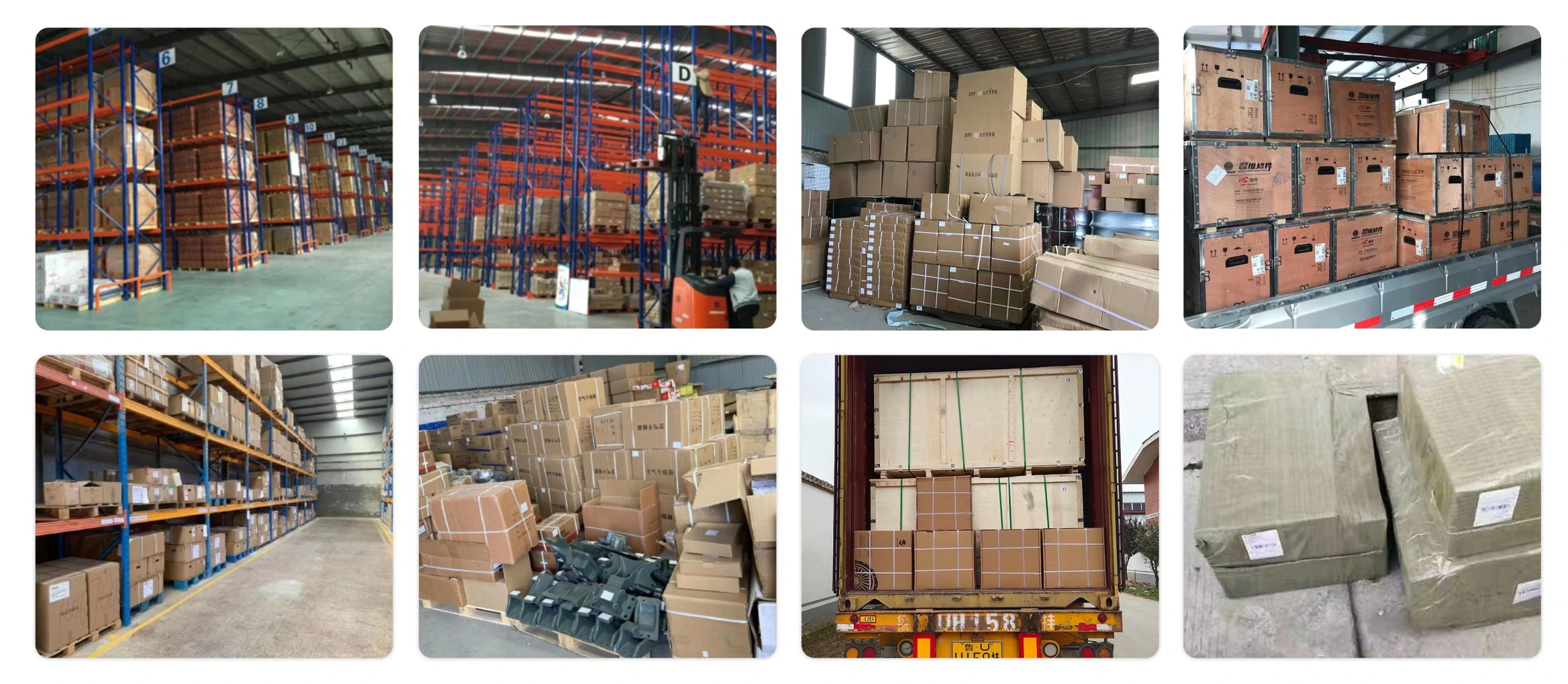
Peças FAW, incluindo o conjunto do bloco de cilindros, são embalados com cuidado para garantir uma entrega segura. Cada componente é protegido por materiais de proteção para evitar danos durante o transporte. A rede logística garante envios pontuais em todo o mundo, apoiando operações de manutenção eficientes. Abaixo está uma imagem ilustrando a embalagem padrão para peças de caminhão FAW, mostrando a atenção aos detalhes no manuseio e armazenamento.
Esta abordagem de embalagem minimiza o risco de corrosão ou danos por impacto, garantindo que peças como o conjunto do bloco de cilindros FAW cheguem em perfeitas condições. Os clientes podem confiar na logística da FAW para obter qualidade e confiabilidade consistentes.