Lógica do sensor do eixo traseiro russo FAW: Salvaguarda 12 Elementos de precisão para integridade de dados ABS impecável
O Sensor de eixo traseiro russo FAW o conjunto lógico atua como sistema nervoso digital para a arquitetura de frenagem do caminhão basculante CA3250P66K24L1TE5Z. Operar no implacável clima da Sibéria exige mais do que apenas resistência mecânica; exige feedback eletrônico preciso. Esta montagem captura dados críticos de velocidade da roda, habilitando o sistema de frenagem antibloqueio (Abs) para modular a pressão e evitar derrapagens perigosas em gradientes gelados. Garantir a calibração e proteção do Sensor de eixo traseiro russo FAW é o fator mais importante na manutenção do controle de estabilidade do veículo durante as operações de inverno.
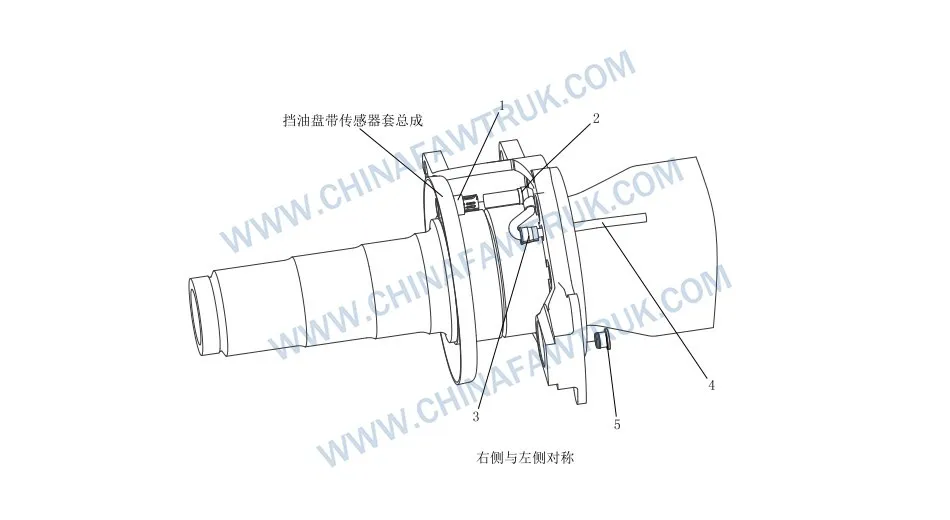
Sensor de eixo traseiro russo FAW
| Não. |
Número da peça |
Nome da peça |
Quantidade |
| 1 | 3550361-6S | Manga do sensor | 2 |
| 2 | 3550360-6S | Conjunto do sensor de velocidade da roda | 2 |
| 3 | 3550381Ba0s | Manga de posicionamento | 4 |
| 4 | 3550351Ba0s | Manga protetora de borracha | 2 |
| 5 | 3502861-A0b | Plugue – Suporte de freio traseiro | 2 |
A tecnologia central: Sensor de velocidade indutivo
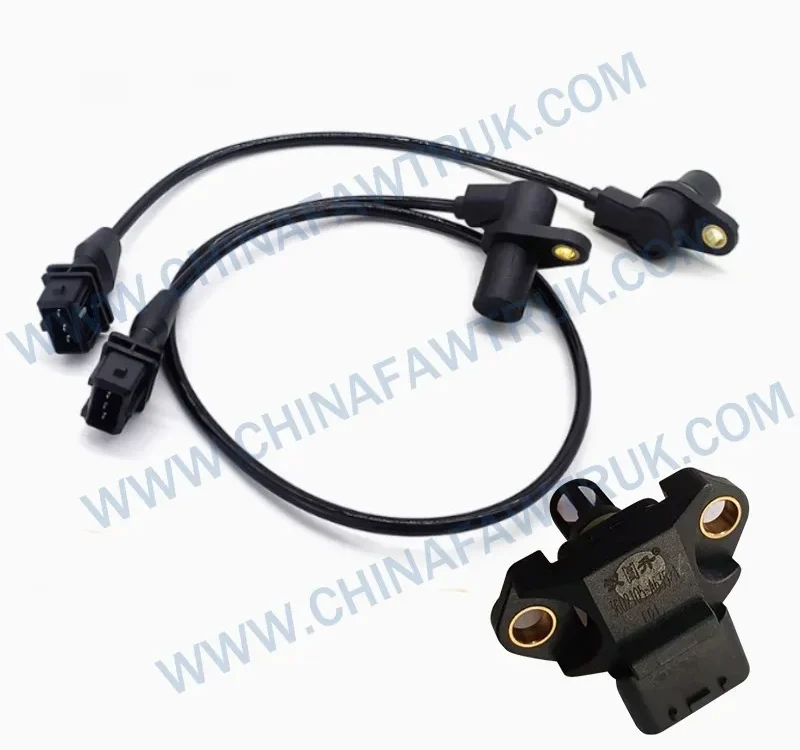
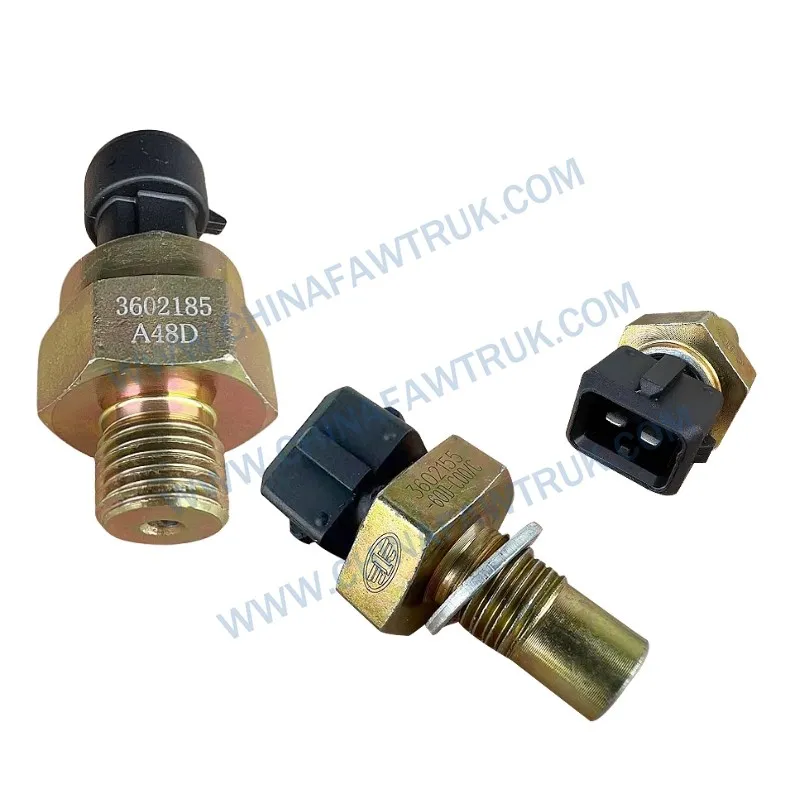
No epicentro do Sensor de eixo traseiro russo FAW montagem lógica é o Conjunto do sensor de velocidade da roda (Parte não. 3550360-6S). Este componente utiliza tecnologia de relutância variável para detectar a velocidade de rotação do cubo da roda. Como o anel excitador (roda de tons) gira com o cubo, seus dentes passam pelo campo magnético do sensor, induzindo um sinal de tensão CA. A frequência deste sinal é diretamente proporcional à velocidade da roda. No contexto do Sensor de eixo traseiro russo FAW, os enrolamentos da bobina e os ímãs internos são encapsulados em uma resina especializada. Este processo de envasamento é crítico para a Rússia “Zona Fria” especificação, pois evita que o choque térmico frature os enrolamentos internos de cobre quando o sensor transita do ar ambiente de -50°C para o calor radiante do tambor de freio.
A integridade do sinal do Sensor de eixo traseiro russo FAW é fundamental para o funcionamento do EBS (Sistema de Frenagem Eletrônico) e ABS. Se o sinal do sensor estiver errático ou perdido, o padrão da ECU é um modo não-ABS, o que pode ser catastrófico em estradas geladas. O Conjunto do sensor de velocidade da roda apresenta um alto grau, cabo blindado que resiste à interferência eletromagnética (EMI) do alternador e retardador de transmissão do caminhão. Além disso, o revestimento do cabo é formulado em polietileno reticulado para manter a flexibilidade em temperaturas criogênicas, evitando que o isolamento rache e entre em curto devido à articulação do chassi.
O Sensor de eixo traseiro russo FAW a montagem é projetada para redundância e confiabilidade. A cabeça do sensor é hermeticamente selada de acordo com os padrões IP69K, permitindo-lhe resistir a lavagens de alta pressão e submersão em lama. Este nível de proteção é essencial porque os sensores do eixo traseiro são constantemente bombardeados por spray de estrada contendo sais corrosivos de descongelamento.. Ao manter uma limpeza, sinal forte, o Sensor de eixo traseiro russo FAW permite que o computador do caminhão faça microajustes na pressão do freio milissegundos antes que ocorra um travamento da roda, preservando a autoridade de direção e evitando jackknifing.
Precisão de montagem: A lacuna de ar crítica
O desempenho do Sensor de eixo traseiro russo FAW depende inteiramente de seu posicionamento físico em relação ao tom ring. Esta relação é gerida pelo Manga do sensor (Parte não. 3550361-6S) e o Manga de posicionamento (Parte não. 3550381Ba0s). Esses componentes criam uma interface de ajuste por fricção que mantém o sensor com segurança enquanto permite a calibração inicial. O entreferro - a distância entre a ponta do sensor e o dente do anel de tom - deve ser microscópico, normalmente menos de 0,7 mm. O Sensor de eixo traseiro russo FAW usa a luva de posicionamento para manter essa lacuna dinamicamente.
No ambiente pesado de um caminhão basculante, rolamentos de roda têm uma quantidade designada de folga, e a carcaça do eixo flexiona sob carga. Uma montagem rígida destruiria o sensor imediatamente após contato com o anel giratório. O Manga de posicionamento no Sensor de eixo traseiro russo FAW conjunto atua como um mecanismo de embreagem específico. Ele mantém o sensor apertado o suficiente para evitar que ele recue devido à vibração, mas permite que ele seja empurrado para trás se o anel de tom tocar nele devido ao desvio do rolamento. Esse “empurrar para fora” capacidade é um recurso à prova de falhas do Sensor de eixo traseiro russo FAW projeto, sacrificando a configuração do entreferro em vez de cortar a cabeça do sensor.
A composição material do Manga do sensor utiliza uma liga de cobre-berílio ou material de mola de aço inoxidável que mantém suas propriedades de tensão em frio extremo. O aço para molas padrão pode perder sua força de fixação ou tornar-se quebradiço no inverno russo. Usando esses materiais avançados, o Sensor de eixo traseiro russo FAW garante que o sensor não vibre solto em estradas de transporte corrugadas. Um sensor solto gera um “barulhento” sinal que a ECU interpreta como uma falha, levando à falsa ativação do ABS ou desligamento do sistema.
Defesa Ambiental: Vedação e Proteção
A localização do Sensor de eixo traseiro russo FAW na extremidade da roda expõe-no aos elementos mais severos imagináveis: lama, pedras, gelo, e calor intenso. Para combater isso, a montagem inclui o Manga protetora de borracha (Parte não. 3550351Ba0s). Esta capa se encaixa na saída do cabo e no corpo do sensor, evitando que a água escorra pelo cabo e entre na caixa do sensor. No Sensor de eixo traseiro russo FAW especificação, esta borracha é um composto EPDM à base de silicone que permanece flexível a -50°C, garantindo que a vedação nunca seja comprometida por rachaduras.
Além disso, o próprio suporte do freio atua como uma proteção, mas requer vedação para evitar a entrada de poeira condutiva de freio. O Plugue – Suporte de freio traseiro (Parte não. 3502861-A0b) sela as portas de acesso usadas para instalação do sensor. Se este plugue estiver faltando, poeira do freio magnético se acumula na ponta magnética do Conjunto do sensor de velocidade da roda. Esta acumulação, conhecido como “confuso,” altera o campo magnético e amortece a tensão do sinal. O Sensor de eixo traseiro russo FAW depende desses plugues para manter o ambiente de detecção limpo e preciso.
A integridade do Sensor de eixo traseiro russo FAW chicote elétrico também é crítico. Os caminhos de roteamento dos cabos são projetados para evitar pontos de esmagamento durante o deslocamento da suspensão. As instruções de montagem determinam laços de alívio de tensão específicos para evitar que o cabo seja esticado quando o eixo cai para a extensão total. Qualquer violação no isolamento do cabo permite que a salmoura entre nos fios de cobre, levando a “corrosão do fio preto” que pode viajar metros pelo arnês, destruindo o Sensor de eixo traseiro russo FAW conexão na interface do chicote do chassi.
Estratégia de Diagnóstico e Manutenção
Solução de problemas do Sensor de eixo traseiro russo FAW requer uma compreensão de suas características de resistência e tensão. Os técnicos normalmente medem a resistência do Conjunto do sensor de velocidade da roda (geralmente entre 1000 e 2000 ohms) para verificar se há circuitos abertos ou curtos. No entanto, o teste mais definitivo para o Sensor de eixo traseiro russo FAW está medindo a saída de tensão CA enquanto gira a roda. Um sensor saudável deve gerar uma onda senoidal limpa que aumenta em amplitude e frequência com a velocidade da roda.
Ao substituir componentes, o Manga de posicionamento (Parte não. 3550381Ba0s) e Manga do sensor (Parte não. 3550361-6S) deve sempre ser substituído junto com o sensor. A reutilização de mangas antigas é a principal causa de migração de sensores e queda de sinal. No Sensor de eixo traseiro russo FAW protocolo de manutenção, o orifício do sensor no suporte deve ser completamente limpo de ferrugem e graxa velha antes de instalar as novas luvas. O uso de pasta antigripante condutora é estritamente proibido, pois interfere no aterramento e na pureza do sinal do Sensor de eixo traseiro russo FAW.
Finalmente, inspeção visual do Manga protetora de borracha e Plugue – Suporte de freio traseiro deve fazer parte de todo serviço de freio. Prevenir a contaminação é muito mais barato do que diagnosticar falhas intermitentes do ABS. Ao aderir a esses protocolos e usar peças genuínas para o Sensor de eixo traseiro russo FAW, os operadores de frota garantem que os sistemas de segurança do veículo permanecem vigilantes, protegendo o motorista e o ativo em cada viagem.
Conclusão: Os dados por trás do poder de parada
O Sensor de eixo traseiro russo FAW montagem lógica é um pequeno mas indispensável conjunto de componentes. Embora não tenha a massa física dos tambores ou sapatas de freio, o seu papel na gestão da energia cinética do veículo é igualmente significativo. O 12 componentes, incluindo o Conjunto do sensor de velocidade da roda e o crítico Manga de posicionamento, formam uma unidade coesa que traduz o movimento mecânico em dados digitais de segurança.
Para equipes de manutenção de frota, tratando o Sensor de eixo traseiro russo FAW com o mesmo respeito que os componentes de atrito mecânico é essencial. Um caminhão com freios potentes, mas sem controle ABS é um risco no gelo. Investindo em sensores de reposição genuínos e garantindo uma instalação precisa, os operadores garantem que os seus camiões FAW J6P mantêm o controlo inteligente necessário para navegar nas condições perigosas do setor de transporte pesado russo.
Embalagem e Logística
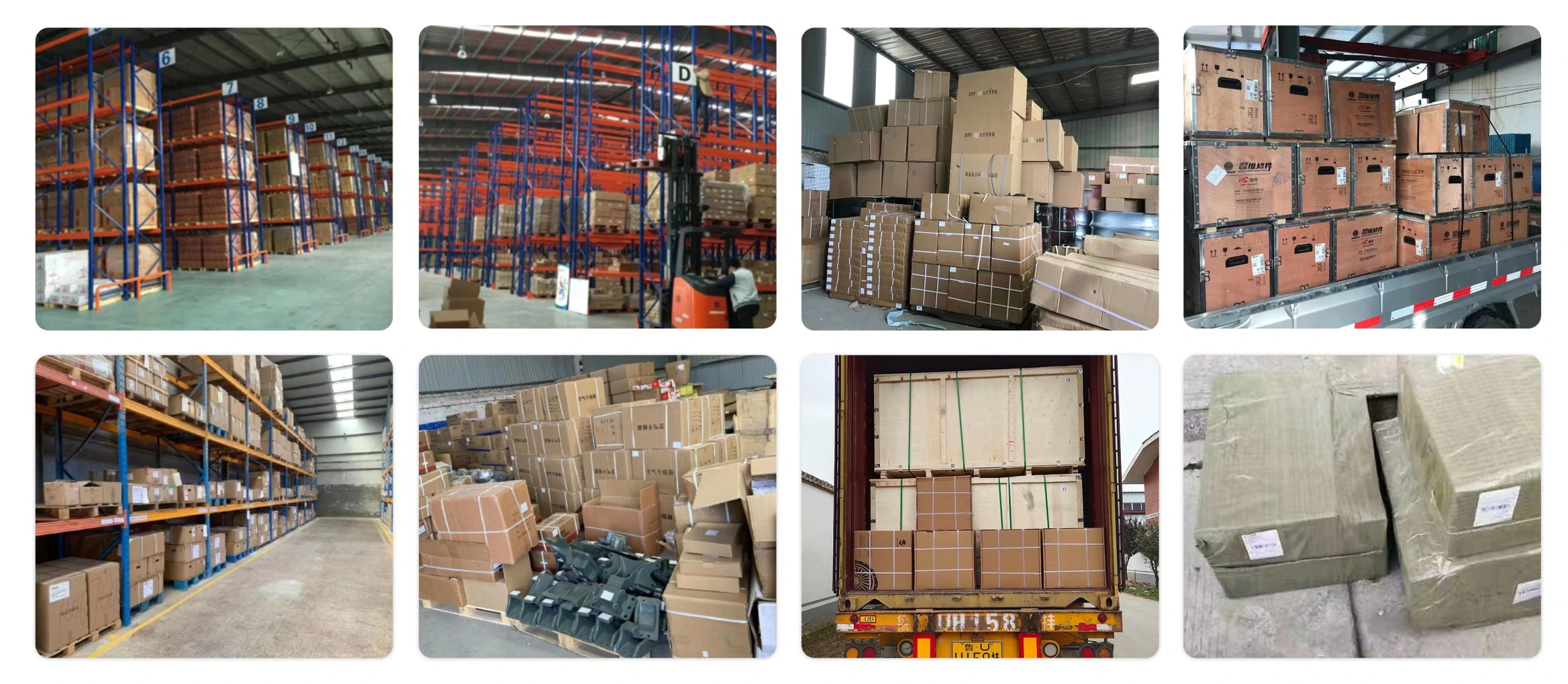
Peças FAW, incluindo o conjunto do bloco de cilindros, são embalados com cuidado para garantir uma entrega segura. Cada componente é protegido por materiais de proteção para evitar danos durante o transporte. A rede logística garante envios pontuais em todo o mundo, apoiando operações de manutenção eficientes. Abaixo está uma imagem ilustrando a embalagem padrão para peças de caminhão FAW, mostrando a atenção aos detalhes no manuseio e armazenamento.
Esta abordagem de embalagem minimiza o risco de corrosão ou danos por impacto, garantindo que peças como o conjunto do bloco de cilindros FAW cheguem em perfeitas condições. Os clientes podem confiar na logística da FAW para obter qualidade e confiabilidade consistentes.