Suportes e tubulações russos FAW: 30 Componentes Estratégicos para Estruturais & Integridade Fluida no Ártico
O Suportes e tubulações russos FAW a montagem forma a estrutura esquelética e circulatória do sistema de controle de emissões do caminhão basculante CA3250P66K24L1TE5Z. Operar no implacável clima russo requer mais do que apenas componentes funcionais; exige uma arquitetura de montagem capaz de resistir à torção do chassi em estradas congeladas de minas e uma rede de tubulação que combata ativamente a cristalização de fluidos a -40°C. Este guia analisa as linhas de transporte aquecidas, os suportes de isolamento de vibração para serviços pesados, e a lógica de fixação especializada que mantém o sistema SCR unido.
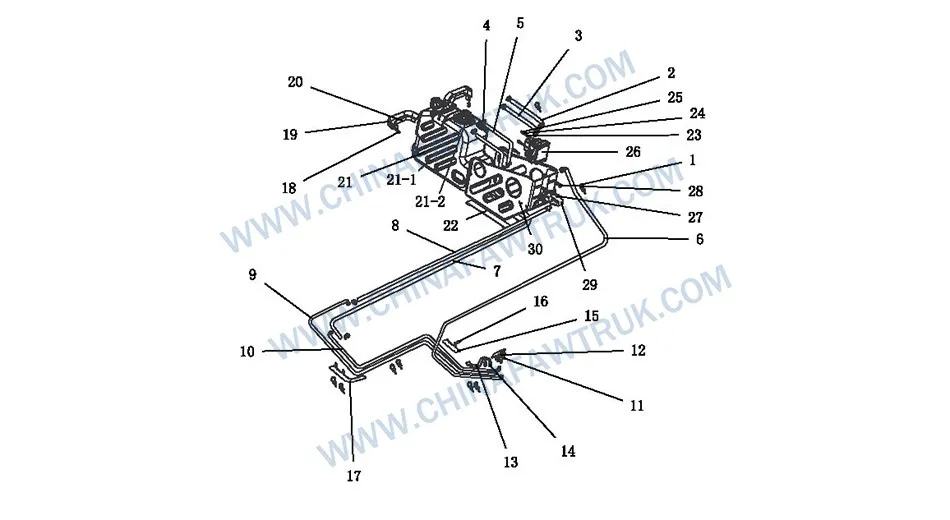
Suportes e tubulações russos FAW
Transporte Aquecido: Lutando contra o congelamento
A característica definidora do Suportes e tubulações russos FAW montagem é sua sofisticada rede de transporte de fluidos. Em climas padrão, mangueiras de borracha simples são suficientes. No entanto, na Federação Russa, a solução de ureia (AdBlue) usado para controle de emissões congela a -11°C. Para manter a conformidade e o desempenho do motor, A FAW emprega uma rede de linhas eletricamente aquecidas. O Tubo de fornecimento de uréia aquecido eletricamente – Tanque para bomba (Parte não. 1160120-66C) e Tubo de fornecimento de uréia aquecido eletricamente – Bomba para bocal (Parte não. 1160130-66C) apresentam elementos de aquecimento resistivos integrados. Esses elementos são enrolados no tubo central e isolados com uma camisa térmica, garantindo que o fluido permaneça líquido do reservatório até a ponta do injetor, mesmo quando a temperatura ambiente cai.
Complementando o aquecimento elétrico está um circuito de gerenciamento térmico baseado em refrigerante. O Tubulação de água de entrada de aquecimento de uréia – Motor para Solenóide (Parte não. 1160128-55R) e Tubo de água de retorno de aquecimento de uréia (Parte não. 1160127-28V) circular o líquido refrigerante quente do motor para a bobina do tanque de ureia. Esta capacidade de aquecimento em massa é crítica para descongelar o reservatório principal após uma longa noite de estacionamento. Os materiais de tubulação usados na Suportes e tubulações russos FAW O sistema é formulado a partir de EPDM de alta qualidade e polímeros reforçados para suportar as tensões duplas da corrosão química interna da ureia e do choque térmico externo do ambiente do Ártico.
O sistema também inclui linhas de resfriamento especializadas para o próprio injetor, especificamente o Conjunto de tubulação de água de entrada de resfriamento do bocal de ureia (Parte não. 1160315-61S). Embora o aquecimento seja necessário para o fluido, a ponta do bico fica no fluxo de exaustão e requer resfriamento ativo para evitar o superaquecimento do solenóide. Esta dualidade – aquecer as linhas enquanto resfria o bico – demonstra o complexo ato de equilíbrio térmico realizado pelo Suportes e tubulações russos FAW sistema. Cada tubo é dobrado com precisão para passar pelo chassi sem esfregar em arestas vivas ou componentes de exaustão quentes, uma consideração crítica de layout para longevidade.
As conexões são protegidas com o Braçadeira de mangueira de acionamento sem-fim pequeno (Parte não. CQ67625). Ao contrário dos grampos de mola que podem perder tensão em frio extremo devido à fadiga do metal, as braçadeiras de acionamento sem-fim permitem a aplicação de torque mecânico positivo. Isto garante que o Suportes e tubulações russos FAW as conexões permanecem livres de vazamentos mesmo quando as mangueiras se contraem ligeiramente em temperaturas abaixo de zero.
Rigidez Estrutural: A arquitetura do suporte
A rede de encanamento é suportada por uma série de suportes resistentes projetados para isolar as linhas da vibração do chassi. O Suporte de tubulação para bico de ureia (Parte não. 1160126-73C) e Suporte de tubulação da bomba de uréia (Parte não. 1160126-61S) atuam como os principais pontos de ancoragem. No Suportes e tubulações russos FAW conjunto, esses suportes são fabricados em aço de espessura grossa, muitas vezes estampado com nervuras de reforço para aumentar sua frequência natural. Isso evita que os suportes ressoem com a vibração do motor diesel, que de outra forma levaria a fissuras por fadiga e eventual falha.
O maior componente estrutural é o Conjunto de soldagem de suporte de tanque de ureia (Parte não. 1160105-66C). Este conjunto soldado deve suportar todo o peso do tanque de ureia (aproximadamente 40-50kg quando cheio) enquanto o caminhão navega pelo difícil, terreno congelado de uma mina siberiana. O design do suporte utiliza uma geometria em balanço que transfere a carga diretamente para os trilhos da estrutura. O Suportes e tubulações russos FAW os padrões de engenharia determinam soldas de alta qualidade e revestimentos resistentes à corrosão (como revestimento em pó ou galvanização por imersão a quente) para evitar ferrugem no ambiente rodoviário de inverno carregado de sal.
Para fixar o tanque ao suporte, o sistema usa o Conjunto de alça do tanque de ureia (Parte não. 1160140-66C). Estas tiras de aço inoxidável fornecem alta resistência à tração. No entanto, o contato metal-plástico é evitado usando o Forro de cinta (Parte não. 1160134-87V). Esta interface de borracha é uma parte crítica do Suportes e tubulações russos FAW sistema. Ele fornece fricção para manter o tanque no lugar e atua como um amortecedor para absorver vibrações de alta frequência que poderiam desgastar a parede do tanque de polímero, levando a vazamentos.
Apoio adicional é fornecido pelo Suporte de tubulação de uréia (Parte não. 1160126A76R) e o secundário Suporte de tubulação para bico de ureia (Parte não. 1160126-93B). Esses suportes menores gerenciam o roteamento das linhas flexíveis, garantindo que eles mantenham raios de curvatura adequados e não caiam no eixo de transmissão ou no escapamento. A colocação meticulosa destes suportes destaca a atenção aos detalhes no Suportes e tubulações russos FAW layout.
Fixação Segura: Parafusos, Nozes, e abraçadeiras
A integridade do Suportes e tubulações russos FAW a montagem depende de um conjunto específico de fixadores. O Parafuso de flange hexagonal (Padrão) (Parte não. Q1841445T) e o Parafuso convexo de cabeça sextavada (Parte não. Q1841455T) são os principais fixadores estruturais. O design da cabeça do flange é essencial para distribuir a carga de fixação sobre as superfícies do suporte, evitando que a cabeça do parafuso se encaixe no metal e perca torque.
Para montagem de componentes menores, o Parafuso de combinação (Números de peças. CQ1460816 e CQ1461025) é utilizado. Esses parafusos apresentam arruelas cativas integradas, que agilizam a montagem e garantem que uma lavadora nunca seja esquecida durante a manutenção. No ambiente de alta vibração do Suportes e tubulações russos FAW sistema, manter a pré-carga do parafuso é vital. Um colchete solto pode causar um efeito dominó de falhas, levando à ruptura de linhas e ao desligamento do sistema de emissões.
O gerenciamento de cabos é feito pelo Abraçadeira de plástico (Parte não. T67417246). Há 24 destas unidades especificadas na repartição. Estas não são gravatas de náilon padrão; eles são formulados com modificadores de impacto para permanecerem flexíveis a -40°C. Os laços padrão se romperiam com o frio russo, deixando fiação e mangueiras sem suporte. O Suportes e tubulações russos FAW O sistema depende dessas amarras para agrupar as mangueiras, aumentando sua rigidez coletiva e resistência à vibração harmônica.
Finalmente, a conexão do conjunto do bico usa o Parafuso de cabeça sextavada (Parte não. CQ2180625). Este fixador de alta resistência permite a aplicação precisa de torque no espaço confinado próximo ao tubo de escape. O uso de aço de alta qualidade para esses parafusos garante que eles não estiquem ou cedam sob os ciclos de expansão térmica do sistema de exaustão, mantendo uma vedação estanque ao gás para o Suportes e tubulações russos FAW interface.
Lista detalhada de componentes
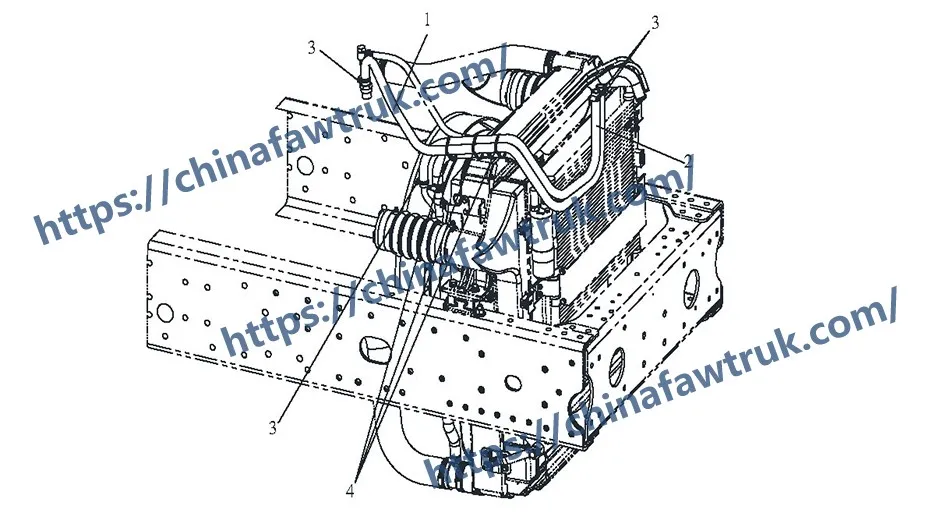
A tabela a seguir fornece o completo, análise não editada do Suportes e tubulações russos FAW conjunto. Inclui todos 30 tipos de componentes listados nos diagramas de montagem, garantindo que cada suporte, cano, e o fixador é contabilizado.
| Não. |
Número da peça |
Nome da peça |
Quantidade |
| 1 |
T67417246 |
Abraçadeira de plástico |
24 |
| 2 |
1160120-66C |
Tubo de fornecimento de uréia aquecido eletricamente – Tanque para bomba |
1 |
| 3 |
1160250-66C |
Tubo de fornecimento de uréia aquecido eletricamente – Bomba para tanque |
1 |
| 4 |
CQ67625 |
Braçadeira de mangueira de acionamento sem-fim pequeno |
6 |
| 5 |
1160129-66C |
Tubulação de água de entrada de aquecimento de uréia – Solenóide para Tanque |
1 |
| 6 |
1160130-66C |
Tubo de fornecimento de uréia aquecido eletricamente – Bomba para bocal |
1 |
| 7 |
1160127-28V |
Tubo de água de retorno de aquecimento de uréia |
1 |
| 8 |
1160128-55R |
Tubulação de água de entrada de aquecimento de uréia – Motor para Solenóide |
1 |
| 9 |
1160315-61S |
Conjunto de tubulação de água de entrada de resfriamento do bocal de ureia |
1 |
| 10 |
1160310-61S |
Conjunto de tubo de água de retorno de resfriamento do bocal de ureia |
1 |
| 11 |
CQ2180625 |
Parafuso de cabeça sextavada |
3 |
| 12 |
1161210-76C |
Conjunto de bico de ureia |
1 |
| 13 |
1160126-73C |
Suporte de tubulação para bico de ureia |
1 |
| 14 |
CQ1460816 |
Parafuso de combinação |
2 |
| 15 |
1160126-61S |
Suporte de tubulação da bomba de uréia |
1 |
| 16 |
CQ1461025 |
Parafuso de combinação |
1 |
| 17 |
1160126A76R |
Suporte de tubulação de uréia |
1 |
| 18 |
CQ34008 |
Noz hexadecimal |
8 |
| 19 |
1160140-66C |
Conjunto de alça do tanque de ureia |
2 |
| 20 |
1160134-87V |
Forro de cinta |
2 |
| 21 |
1160010-76C |
Montagem do tanque de uréia |
1 |
| 22 |
1160117-66C |
Forro inferior do tanque de uréia |
2 |
| 23 |
CQ1500860 |
Parafuso de cabeça hexagonal |
3 |
| 24 |
Q40308 |
Arruela elástica |
3 |
| 25 |
Q40108 |
Máquina de lavar |
3 |
| 26 |
1161010-76C |
Conjunto de bomba de uréia |
1 |
| 27 |
Q1841445T |
Parafuso de flange hexadecimal (Padrão) |
2 |
| 28 |
Q1841455T |
Parafuso convexo de cabeça sextavada |
2 |
| 29 |
1160126-93B |
Suporte de tubulação para bico de ureia |
1 |
| 30 |
1160105-66C |
Conjunto de soldagem de suporte de tanque de ureia |
1 |
Protocolos de diagnóstico para integridade estrutural
Inspecionando o Suportes e tubulações russos FAW a montagem é uma parte vital da manutenção preventiva. O primeiro passo é verificar se há vazamentos no Braçadeira de mangueira de acionamento sem-fim pequeno locais. O fluxo frio das mangueiras de borracha pode fazer com que elas encolham, afrouxando a tensão da braçadeira. Um branco, acúmulo cristalino de ureia seca indica um vazamento que deve ser resolvido imediatamente apertando a braçadeira ou substituindo a mangueira.
A inspeção estrutural deve concentrar-se na Conjunto de soldagem de suporte de tanque de ureia e o Suporte de tubulação da bomba de uréia. Procure por rachaduras por tensão perto das zonas de solda ou furos de parafusos. A fadiga vibratória é um inimigo comum em caminhões pesados. Se um suporte estiver rachado, permite que o componente que suporta vibre excessivamente, o que acabará por fatigar as linhas de fluido rígidas conectadas a ele.
Finalmente, examinar a condição do Conjunto de alça do tanque de ureia. Certifique-se de que o Forro de cinta está no lugar e não está desgastado. O contato metal-plástico irá desgastar rapidamente a parede do tanque de ureia, levando a um furo. Verifique o Abraçadeiras de plástico para garantir que eles não quebraram no frio, deixando os chicotes elétricos pendurados e friccionados contra o chassi.
Conclusão: A espinha dorsal do controle de emissões
O Suportes e tubulações russos FAW a montagem é o herói anônimo do sistema de conformidade ambiental do caminhão. Ao fornecer suporte rígido e transporte aquecido para a solução de ureia, garante que o sistema SCR funcione corretamente em todas as condições climáticas. A engenharia por trás das linhas aquecidas e dos suportes de isolamento de vibração reflete uma profunda compreensão dos desafios colocados pelo ambiente operacional russo.
Para proprietários de frotas, manter esta montagem com peças genuínas FAW é fundamental. As mangueiras genéricas podem não ter os elementos de aquecimento integrados ou a resistência química necessária para uma durabilidade a longo prazo. Ao investir no autêntico Suportes e tubulações russos FAW componentes, você protege seu veículo contra tempos de inatividade relacionados a emissões e garante que ele continue sendo um ativo confiável em sua frota logística.
Embalagem e Logística
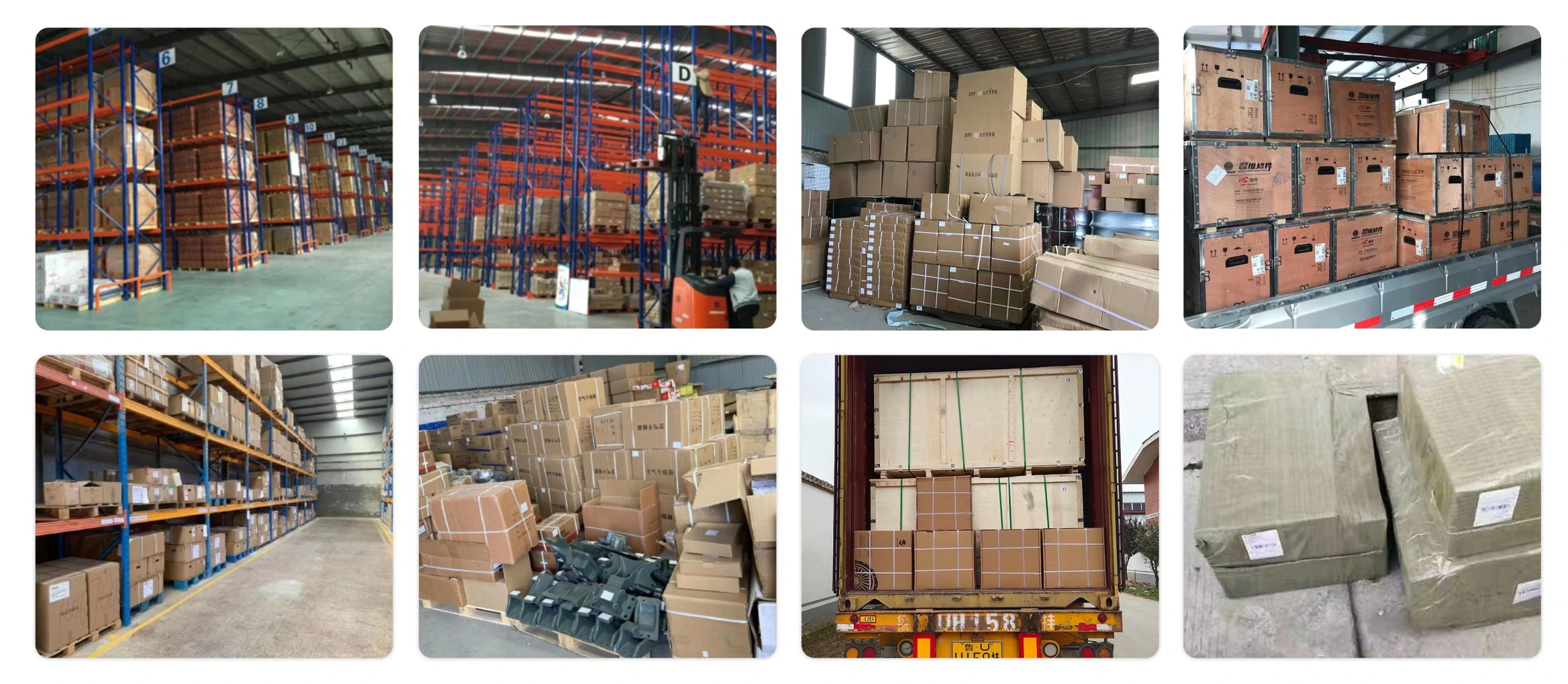
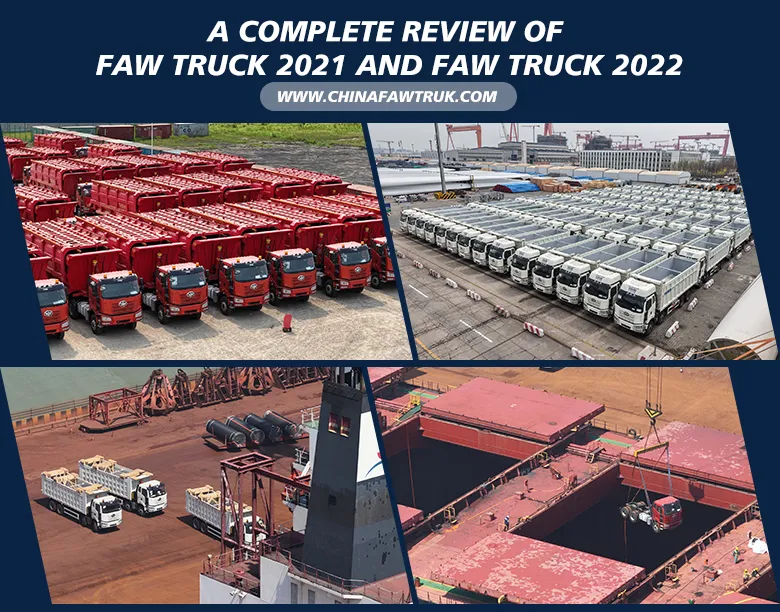
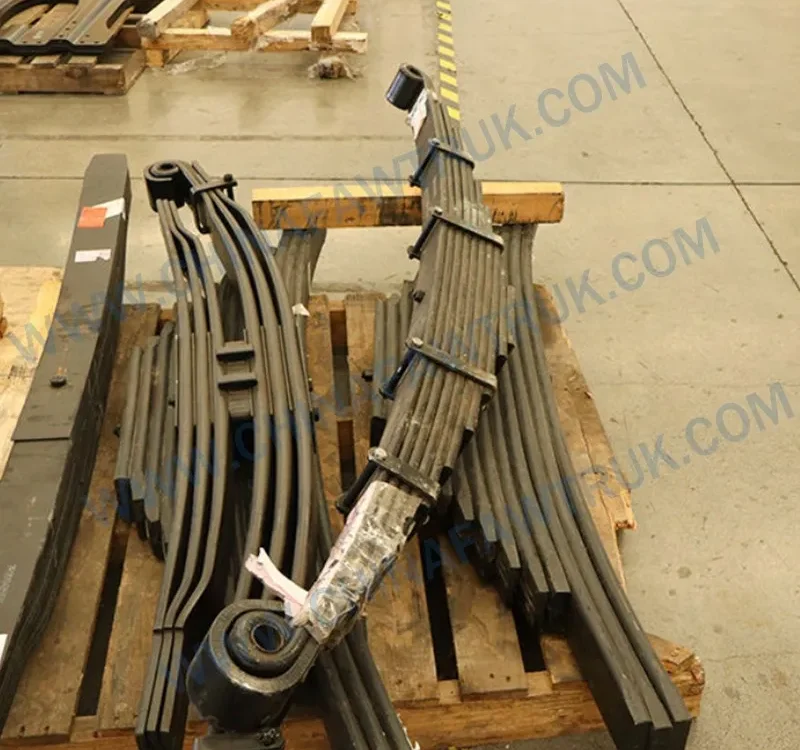
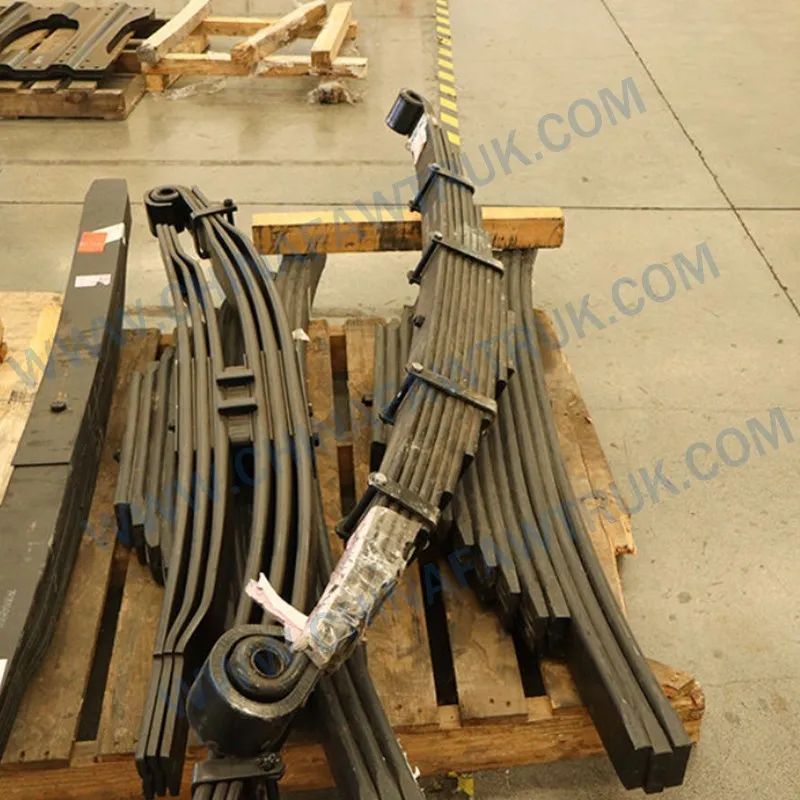
Peças FAW, incluindo o conjunto do bloco de cilindros, são embalados com cuidado para garantir uma entrega segura. Cada componente é protegido por materiais de proteção para evitar danos durante o transporte. A rede logística garante envios pontuais em todo o mundo, apoiando operações de manutenção eficientes. Abaixo está uma imagem ilustrando a embalagem padrão para peças de caminhão FAW, mostrando a atenção aos detalhes no manuseio e armazenamento.
Esta abordagem de embalagem minimiza o risco de corrosão ou danos por impacto, garantindo que peças como o conjunto do bloco de cilindros FAW cheguem em perfeitas condições. Os clientes podem confiar na logística da FAW para obter qualidade e confiabilidade consistentes.