por 


Bem-vindo à análise especializada definitiva do Montagem de motor FAW J6P sistema, a montagem crítica para o FAW Jiefang CA3250P66K2L1T1E 6×4 caminhão basculante a diesel. Este não é um guia simples para colchetes; é uma desconstrução de um sistema altamente projetado. O “lógica” do Montagem de motor FAW J6P é resolver um paradoxo central: deve ser rígido “Âncora de Torque” para proteger o motor de várias toneladas, ao mesmo tempo que é suave “Amortecedor NVH” para isolar a cabine da vibração.

O “Lógica Assimétrica” disso Montagem de motor FAW J6P sistema, conforme revelado pela lista de peças, é seu recurso de design mais crítico. Os colchetes frontais esquerdo e direito não são idênticos (consulte P/N 1001031B50A vs.. 1001032B50A). Esta é uma escolha deliberada de engenharia. O “lado do torque” do motor (que empurra *para baixo* na compressão) e o “lado do elevador” (que puxa *para cima*) experimentar forças diferentes, exigindo exclusivo, colchetes não intercambiáveis. Uma falha neste sistema não é apenas um inconveniente; isso leva à fadiga severa do motorista, vibração destruidora de componentes, e falha potencialmente catastrófica do sistema de resfriamento, escape, e sistemas de transmissão.
Este guia técnico é um recurso essencial para técnicos de chassis, gerentes de manutenção de frota, e especialistas em peças. Desconstruiremos todo o grupo de 18 componentes em seus quatro principais “lógica” sistemas: o “Suporte Frontal Assimétrico” lógica (os colchetes, almofadas, e capas), o “Gerenciamento de torque traseiro” lógica (os suportes do lado da transmissão), o “Interface Estrutural” lógica (as placas adaptadoras), e o importantíssimo “Fixador à prova de vibração” lógica que mantém esse alto estresse Montagem de motor FAW J6P montagem juntos.
Este grupo forma o suporte principal do bloco do motor e é o núcleo do Montagem de motor FAW J6Pcontrole de vibração. Sua lógica é baseada em componentes assimétricos para neutralizar o torque do motor.
1. O “Assimétrico” Lógica: ‘Suporte de montagem frontal esquerdo’ (1001031B50A) & ‘Suporte de montagem frontal direito’ (1001032B50A)
Esta é a chave. A lista de peças exige um (1) 'Esquerda’ (Comp. 2) e um (1) 'Certo’ (Comp. 18) suporte. Esse “lógica assimétrica” é uma resposta direta ao torque do motor. Quando o motor acelera, isso torce. Um lado do Montagem de motor FAW J6P sistema está sob “compressão” (sendo esmagado), enquanto o outro está sob “tensão” (sendo puxado). Esses dois suportes são projetados com nervuras e reforços diferentes para lidar com essas situações opostas., forças não idênticas. Eles não são intercambiáveis.
2. O “Amortecimento & Contenção” Lógica: ‘Conjunto da almofada do suporte dianteiro do motor’ (1001025B50A) & 'Frente… conjunto da tampa superior’ (1001030-76A)
Este é o “trabalhando” parte do Montagem de motor FAW J6P. Os dois ‘Conjunto de almofada’ (Comp. 5) são os amortecedores de elastômero projetados. Deles “lógica” é ser “sintonizado em frequência” à vibração harmônica específica do motor diesel FAW, absorvendo essa energia e evitando que ela chegue ao quadro. O ‘conjunto da tampa superior’ (Comp. 4) fornece o “lógica de contenção.” É um “esnobador” ou “stop loss” que impede o motor de “pulando” longe demais em um solavanco difícil, o que rasgaria a almofada de borracha.
Este grupo suporta a parte traseira do trem de força (na carcaça da transmissão/campainha) e é o principal responsável por controlar o motor “rolar.” Esta parte do Montagem de motor FAW J6P é fundamental para a estabilidade do veículo.
1. Componente: ‘Conjunto de almofada do suporte traseiro’ (1001065-50V)
Este é o “Gerenciamento de Torque” núcleo de todo Montagem de motor FAW J6P. Os dois (2) ‘Almofada traseira’ Assembléias (Comp. 13) são a principal defesa contra a torção do trem de força. Deles “lógica” é ser “anisotrópico”-o que significa que eles têm propriedades diferentes em direções diferentes. Eles são projetados para serem extremamente *rígidos* no eixo rotacional (resistir ao motor “rolar”) ao mesmo tempo que é *suave* no eixo vertical (para absorver vibrações, assim como as montagens frontais).
2. O “Sanduíche” Lógica: 'Montagem traseira da placa de base’ (1001079-263) & 'Motor de placa superior’ (1001063-483)
Esses componentes formam a montagem “sanduíche” para as almofadas traseiras. A ‘Placa de base’ (Comp. 15) é o “lado do chassi” interface, aparafusado a uma travessa da estrutura e proporcionando uma ampla, plataforma estável. A ‘placa superior’ (Comp. 16) é o “lado do motor” interface, aparafusado à caixa da transmissão ou do volante. A ‘almofada traseira’ (Comp. 13) é então instalado entre eles. Essa lógica de interface robusta é vital para o Montagem de motor FAW J6P.
Este grupo consiste em grandes placas adaptadoras e suportes que unem fisicamente o “lado do motor” componentes para o “lado do chassi” componentes, completando o Montagem de motor FAW J6P estrutura.
1. Componente: ‘Suporte de montagem frontal do motor’ (1001037B50A)
Este é o principal “lado do motor” adaptador. A ‘Esquerda’ e 'Certo’ suportes de montagem frontal (Comp. 2 & 18) provavelmente parafuso *para* isso “apoiar” (Comp. 7), que então fornece a face de montagem para a almofada (Comp. 5). Isso é “lógica” é ser o centro, componente de suporte de carga que une o sistema de montagem frontal. Seu design robusto é uma característica fundamental do Montagem de motor FAW J6P.
2. Componente: ‘Montagem dianteira do motor de placa inferior’ (1001028-76A)
Este é o “Lado do chassi” Lógica. É a contrapartida dos suportes do motor. Esta placa (Comp. 10) parafusos diretamente nos trilhos da estrutura do caminhão. A ‘almofada de montagem frontal’ (Comp. 5) é então “imprensado” entre esta placa inferior e os suportes superiores do lado do motor. Esse “sanduíche” lógica é o que permite que todo o Montagem de motor FAW J6P montagem para “flutuador” em sua almofada de borracha enquanto está firmemente contido.
Este grupo final é muitas vezes esquecido, mas é absolutamente crítico para a segurança e longevidade do Montagem de motor FAW J6P. Esta não é uma variedade aleatória de parafusos; é um “sistema de fixação” projetado para combater constante, vibração severa.
1. O “Força de fixação” Lógica: 'Parafuso de flange hexagonal’ (Comp. 1, 3, 12, 17)
O “lógica” de um “mesa” parafuso é que o flange é uma arruela embutida. Isto é crítico para o Montagem de motor FAW J6P. O flange distribui a força de fixação do parafuso por uma ampla área de superfície, evitando que a cabeça do parafuso penetre no aço mais macio da estrutura ou nos suportes fundidos, o que criaria um ponto de tensão e levaria à falha por fadiga. O tipo ‘R’ parafuso prisioneiro (Comp. 3) é um fixador especializado, provavelmente usado para alinhamento preciso antes que as porcas sejam apertadas.
2. O “Antivibração” Lógica: 'Arruela de pressão cônica’ (CQ41910) & 'Porca hexagonal’ (CQ34010)
Esta é a primeira camada de defesa contra vibração. Uma porca padrão (Comp. 9) vibrará solto em minutos. Isso é “lógica” só está completo quando emparelhado com a 'arruela de pressão cônica’ (Comp. 8). Essa lavadora é uma “pré-carregamento” dispositivo. Quando apertado, está comprimido, e sua natureza primaveril empurra a noz, criando uma tensão constante que evita que a porca “recuando.” Este é um hardware essencial para um Montagem de motor FAW J6P.
3. O “Crítico para a segurança” Lógica: 'Tipo 1 todo em metal… porca de travamento’ (Q32916, Q32918T)
Este é o último “segurança” lógica, usado onde uma falha do Montagem de motor FAW J6P não é uma opção. Esses (Comp. 11, 14) não são nozes padrão. Um “porca de travamento toda em metal” tem seus fios intencionalmente deformados. O “lógica” é que quando o parafuso passa, deve “corte” nesta seção deformada, criando um incrivelmente apertado, alta fricção, “mecânico” trancar. Essas nozes são projetadas para serem *de uso único* e *não* recuarão, mesmo sob vibração e calor extremos.
As tabelas a seguir fornecem o completo, detalhamento de todos 18 tipos de componentes e as principais especificações técnicas para o Montagem de motor FAW J6P conjunto, conforme aplicado ao FAW Jiefang CA3250P66K2L1T1E 6×4 caminhão despejando.
| Marca | Parte não. | Nome da peça | Quantidade |
|---|---|---|---|
| 1 | Q18516140TS | Parafuso de flange hexagonal | 2 |
| 2 | 1001031B50A | Suporte de montagem frontal esquerdo | 1 |
| 3 | Q1821250 | Parafuso prisioneiro de flange hexagonal (Tipo R) | 8 |
| 4 | 1001030-76A | Conjunto da tampa superior do suporte dianteiro do motor | 2 |
| 5 | 1001025B50A | Conjunto de almofada de montagem do motor dianteiro | 2 |
| 6 | CQ1601060TS | Parafuso de cabeça hexagonal | 8 |
| 7 | 1001037B50A | Suporte de montagem frontal do motor | 2 |
| 8 | CQ41910 | Arruela de pressão cônica | 8 |
| 9 | CQ34010 | Porca hexagonal | 8 |
| 10 | 1001028-76A | Montagem dianteira do motor com placa inferior | 2 |
| 11 | Q32916 | Tipo 1 porca de travamento hexagonal de inserção toda em metal | 2 |
| 12 | Q1841650TS | Parafuso de flange hexagonal, haste grossa (tipo padrão) | 8 |
| 13 | 1001065-50V | Conjunto de almofada do suporte traseiro | 2 |
| 14 | Q32918T | Tipo 1 porca de travamento hexagonal de inserção toda em metal | 2 |
| 15 | 1001079-263 | Montagem traseira da placa base | 2 |
| 16 | 1001063-483 | Motor de placa superior | 2 |
| 17 | Q18518160T | Parafuso de flange hexagonal (tipo padrão) | 2 |
| 18 | 1001032B50A | Suporte de montagem frontal direito | 1 |
As especificações para o Montagem de motor FAW J6P sistema são definidos por seu papel crítico no controle NVH e na estabilidade do trem de força.
| Aplicação em veículos | FAW Jiefang CA3250P66K2L1T1E 6×4 Caminhão basculante |
| Grupo de sistemas | Montagem de motor FAW J6P & Sistema de Isolamento |
| Lógica Primária | Suporte de peso estático, Controle de NVH (Isolamento de vibração) |
| Lógica Secundária | Gerenciamento de Torque Rotacional, Contenção dinâmica de carga |
| Recurso principal de design | Suporte Frontal Assimétrico (Esquerda & Certo são peças únicas) |
| Componentes -chave (Frente) | 'Esquerda… suporte’ (1001031B50A), 'Certo… suporte’ (1001032B50A) |
| Componente principal (Amortecimento) | 'Frente… conjunto de almofada’ (1001025B50A) |
| Componente principal (Torque) | 'Traseira… conjunto de almofada’ (1001065-50V) |
| Lógica do Fixador (Segurança) | ‘Todo em metal… porca de travamento’ (Q32916, Q32918T) – Uso único |
| Lógica do Fixador (Fixação) | 'Parafuso de flange hexagonal’ (Série Q185/Q184) para distribuição de carga |
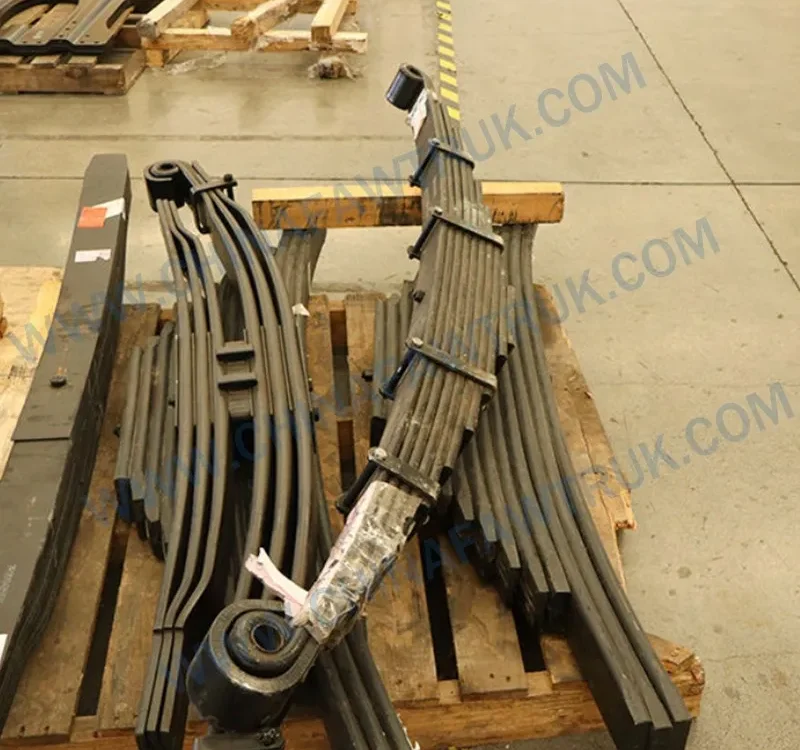
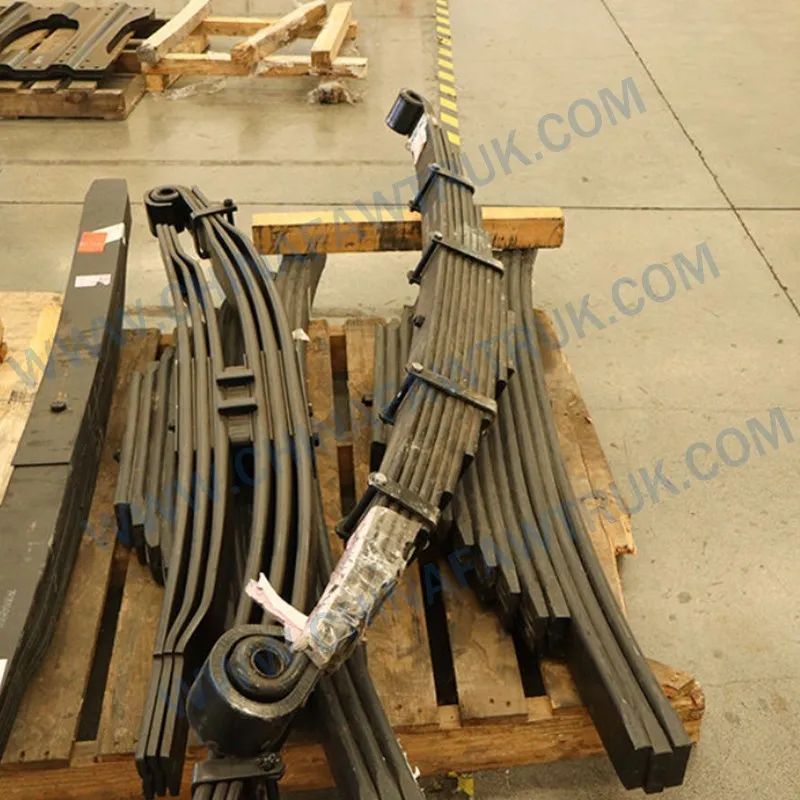
Peças FAW, incluindo o conjunto do bloco de cilindros, são embalados com cuidado para garantir uma entrega segura. Cada componente é protegido por materiais de proteção para evitar danos durante o transporte. A rede logística garante envios pontuais em todo o mundo, apoiando operações de manutenção eficientes. Abaixo está uma imagem ilustrando a embalagem padrão para peças de caminhão FAW, mostrando a atenção aos detalhes no manuseio e armazenamento.
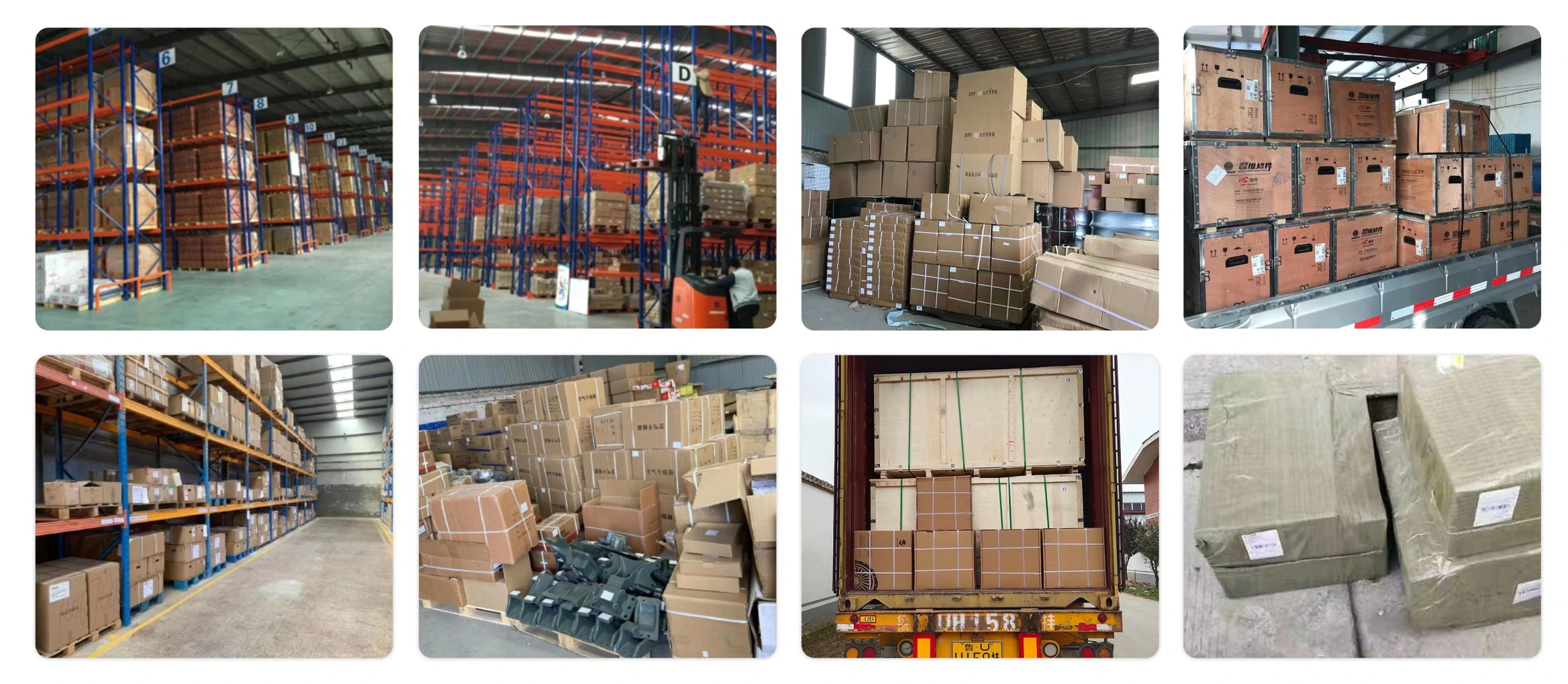
Esta abordagem de embalagem minimiza o risco de corrosão ou danos por impacto, garantindo que peças como o conjunto do bloco de cilindros FAW cheguem em perfeitas condições. Os clientes podem confiar na logística da FAW para obter qualidade e confiabilidade consistentes.