par 


Ce guide technique essentiel fournit une analyse détaillée de la Bloc-cylindres FAW assemblée, un composant essentiel du système d'alimentation du formidable FAW Jiefang CA4251P66K24T1A3E5 6×4 tracteur semi-remorque diesel. Ce document sert de ressource définitive pour identifier chaque pièce de cet assemblage critique..
Nous proposons une vue éclatée complète qui déconstruit les principaux composants structurels et les éléments d'approvisionnement associés du Bloc-cylindres FAW. Cette analyse décompose l'unité jusqu'à sa plus petite pièce réparable, du corps moulé principal et des chapeaux de palier aux goupilles individuelles, boulons de levage, et bouchons d'étanchéité.
Ce guide est une ressource indispensable pour les techniciens de service, gestionnaires de pièces, et les propriétaires de flotte qui exigent une précision absolue pour la maintenance, réparations, ou révisions complètes du moteur. Comprendre les numéros de pièces d'assemblage et de composants spécifiques du Bloc-cylindres FAW est fondamental pour garantir les performances du moteur à long terme, fiabilité, et l'intégrité structurelle.
)
Le Bloc-cylindres FAW (Partie no. 1002014-99R.) est le châssis de base du moteur. Il ne s'agit pas simplement d'une seule pièce mais d'un assemblage complexe de composants conçus avec précision.. Cette structure abrite les cylindres, pistons, et vilebrequin, et fournit le cadre rigide nécessaire pour contenir les immenses forces de combustion et soutenir tous les composants auxiliaires.
Ce bloc spécifique est conçu pour les couples élevés, applications lourdes du tracteur CA4251P66K24T1A3E5. Sa conception intègre des passages complexes pour le liquide de refroidissement et l'huile lubrifiante., qui sont essentiels à la gestion thermique et à la réduction des frottements. Le corps de culasse-culasse’ (Partie no. 1002023-81D) indique un sophistiqué, construction en plusieurs parties, il optimise probablement le flux d'air, intégration du système de soupapes, ou accès aux composants.
Le personnel de maintenance notera les différentes fiches répertoriées, comme les « Cup Plugs »’ (Q72232(HB), CQ72240, CQ72224) et « Bouchons à vis coniques à six pans intérieurs’ (Q61902, Q61906). Ceux-ci sont essentiels pour sceller les galeries de liquide de refroidissement et d'huile créées lors de la fabrication. (fonderie) processus. Connaître leurs emplacements précis et leurs numéros de pièces est essentiel pour éviter les fuites catastrophiques lors d'une reconstruction ou d'un entretien majeur..
L'inclusion de « boulons de levage’ (1002021-53D) souligne en outre la conception axée sur les services du Bloc-cylindres FAW. Ces points de fixation désignés sont conçus pour permettre aux techniciens de soulever en toute sécurité l'ensemble du bloc., qui pèse une somme importante, en utilisant un équipement d'atelier approprié. Ceci est essentiel pour toute révision ou remplacement majeur, protéger à la fois le composant et le technicien.
L'architecture du Bloc-cylindres FAW est un témoignage des processus modernes de fonderie et d'usinage. Forgé à partir d'un matériau à haute résistance, fonte de première qualité ou alliage spécialisé, le bloc est conçu pour offrir une rigidité maximale tout en gérant le poids. Cette rigidité est primordiale; il empêche la déformation et le désalignement des pièces mobiles, comme le vilebrequin et les pistons, sous les températures et pressions extrêmes d’un moteur diesel moderne. Le corps principal (1002014-99R.) sert de colonne vertébrale structurelle, intégrer les alésages des cylindres, le carter supérieur, et tous les points de fixation des accessoires externes du moteur comme l'alternateur, entrée, et collecteurs.
Le corps de culasse-culasse’ (1002023-81D) est un autre élément structurel important répertorié. Cette partie, identifié comme une seule unité, forme probablement la partie supérieure du bloc ou un, boîtier complexe intégré directement dans la coulée principale. Sa fonction pourrait être liée au logement des pièces du système de soupapes. (comme les poussoirs ou les arbres à cames, dans une conception sans came en tête) ou gérer le flux d'air et d'échappement. Son intégration directement dans l'assemblage du bloc met en évidence une philosophie de conception robuste axée sur la durabilité et la réduction du nombre de points de défaillance potentiels des joints..
Un bloc moteur moderne est un réseau complexe de passages percés pour les fluides. Les « bouchons de coupe »’ et « Bouchons à vis’ dans le Bloc-cylindres FAW la liste des pièces sont les composants critiques qui scellent ces passages. Pendant le processus de fabrication, les noyaux de moulage au sable sont maintenus en place, et les longs forets créent les voies nécessaires à la circulation de l'huile et du liquide de refroidissement dans tout le moteur.. Ces processus laissent inévitablement des trous dans la pièce moulée qui doivent être scellés de manière permanente et fiable..
La liste des pièces affiche plusieurs types et quantités: 'Bouchons de tasse’ (Q72232(HB), CQ72240, CQ72224) sont généralement minces, disques métalliques en forme de dôme pressés dans un trou usiné avec précision. Ils s'aplatissent légèrement lors de l'installation pour créer un, joint à friction. Ceux-ci sont souvent utilisés pour sceller les extrémités des passages de liquide de refroidissement et les trous laissés par les noyaux de sable de coulée.. On les appelle parfois “geler les bouchons.”
Inversement, les « Bouchons à vis coniques hexagonaux intérieurs’ (Q61902, Q61906) sont des bouchons filetés. Comme leur nom l'indique, ils ont un filetage conique et un entraînement hexagonal interne (pour une clé Allen). Cette conception conique assure un serrage serré, joint métal sur métal lorsqu'ils sont serrés dans un trou fileté correspondant. Ceux-ci sont presque toujours utilisés pour sceller les galeries d'huile haute pression., qui fournissent de la lubrification au vilebrequin, arbre à cames, et d'autres composants vitaux.
Pour un technicien, toutes ces fiches sont des unités réparables critiques. Lors de toute révision majeure du moteur, surtout celui qui implique un « réservoir chaud »’ nettoyage ou test de fissuration du bloc, tous ces bouchons doivent être retirés pour garantir que le bloc soit soigneusement nettoyé à l'intérieur et à l'extérieur. Les remplacer par des neufs, les pièces d'origine lors du remontage ne sont pas facultatives, elles sont obligatoires. Réutiliser du vieux, les bouchons stressés sont une cause fréquente de fuites de liquide après reconstruction. Avoir les références exactes des pièces (comme CQ72240, dont il y a 11) est essentiel pour commander le kit d'entretien approprié pour le Bloc-cylindres FAW.
Un aspect critique de cette architecture, et un élément essentiel à la longévité du moteur, est l'ensemble de roulement principal. Le vilebrequin, qui convertit les pistons’ force linéaire en puissance de rotation, est fixé à la face inférieure du bloc par une série de « chapeaux de roulement principaux’ (1002011-81D) et un « Couvercle de roulement principal arrière » spécifique’ (1002012-81D). Cette liste de pièces identifie six capuchons standard et un capuchon arrière, typique d'un moteur six cylindres en ligne. Ces capuchons sont usinés avec précision en tandem avec le bloc lui-même, créer un cercle parfait (l'alésage du roulement) pour les coussinets. Ils ne sont pas interchangeables et doivent être réinstallés dans leur position et orientation d'origine..
Ces bouchons sont maintenus en place par 14 « Boulons du roulement principal’ (1002013AS3D-S). Ce ne sont pas des boulons ordinaires; ils sont à haute résistance, composants de fixation critiques, souvent d'un rapport couple-rendement (ATS) conception. Cela signifie qu'ils sont conçus pour être étirés jusqu'à un point spécifique lors de l'installation afin de fournir une force de serrage précise.. Suivre les spécifications de couple d'usine et la séquence de serrage de ces boulons est absolument essentiel pour une construction de moteur réussie.. Ne pas le faire peut entraîner une défaillance des roulements et des dommages catastrophiques au système. Bloc-cylindres FAW et vilebrequin.
L'alignement de précision est une exigence non négociable dans la construction de moteurs. Pour y parvenir, le Bloc-cylindres FAW l'assemblage repose sur plusieurs « goupilles de cheville ». Nous voyons des « goupilles de cheville »’ de différentes tailles (Q5211020, Q5211232, Q5210814) répertorié dans le schéma des pièces. Ces petits, des composants apparemment simples jouent un rôle crucial. Ils localisent avec précision les chapeaux de palier principaux, la culasse-corps de cylindre, la culasse (pas de photo), et le boîtier de la cloche de transmission *avant* que les boulons soient serrés. Cela garantit un alignement parfait des galeries d’huile, passages de liquide de refroidissement, et les alésages des cylindres par rapport au vilebrequin, prévenir le stress des composants et les pannes potentielles.
Le tableau suivant fournit une répartition détaillée des composants associés au Bloc-cylindres FAW assemblée, comme spécifié pour le tracteur FAW CA4251P66K24T1A3E5. L'utilisation de pièces d'origine FAW avec les numéros de pièces corrects est essentielle pour garantir un bon ajustement., fonction, et fiabilité pendant l'entretien ou la réparation.
| Marque | Partie no. | Nom de la pièce | Quantité |
|---|---|---|---|
| 1 | 1002014-99R. | Corps de cylindre | 1 |
| 2 | Q5211020 | Goupille de cheville | 4 |
| 3 | Q72232(HB) | Bouchon de tasse | 3 |
| 4 | CQ72240 | Bouchon de tasse | 11 |
| 5 | 1002023-81D | Corps de culasse-cylindre de soupape | 1 |
| 6 | 1002021-53D | Boulon de levage | 2 |
| 7 | Q5211232 | Goupille de cheville | 2 |
| 8 | CQ72224 | Bouchon de tasse | 1 |
| 9 | 1002012-81D | Capuchon de roulement principal arrière | 1 |
| 10 | 1002011-81D | BACLE DE PAUIE PRINCIPALE | 6 |
| 11 | Q61902 | Bouchon à vis conique hexagonal intérieur | 1 |
| 12 | 1002013AS3D-S | Boulon de roulement principal | 14 |
| 13 | Q5210814 | Goupille de cheville | 14 |
| 14 | Q61906 | Bouchon à vis conique hexagonal intérieur | 1 |
Alors que le Bloc-cylindres FAW est le fondement, ses spécifications sont définies par son rôle au sein du moteur complet. Les paramètres ci-dessous concernent le bloc et le moteur type qu'il supporte, fournissant un contexte essentiel à sa structure, thermique, et tâches mécaniques.
| Demande de véhicule | FAW Jiefang CA4251P66K24T1A3E5 6×4 Tracteur |
| Nom du composant | Assemblage du bloc-cylindres |
| Numéro de pièce (Corps principal) | 1002014-99R. |
| Pièce associée (Tête de soupape) | 1002023-81D |
| Matériel (Typique) | Alliage de fonte à haute résistance |
| Configuration typique du moteur | 6 cylindres en ligne, Diesel, Turbocompressé |
| Quantité de chapeau de palier principal | 7 (6 norme ‘1002011-81D’ + 1 arrière « 1002012-81D ») |
| Quantité de boulon de roulement principal | 14 (Partie no. 1002013AS3D-S) |
| Unités réparables clés | Bouchons de tasse, Bouchons à vis coniques, Goupilles |
| Fonction principale | Fondation structurelle du moteur, logeant les alésages de cylindre et l'ensemble vilebrequin. Gère la circulation du liquide de refroidissement et de l’huile. |
Pièces FAW, y compris l'ensemble bloc-cylindres, sont emballés avec soin pour garantir une livraison en toute sécurité. Chaque composant est sécurisé dans des matériaux de protection pour éviter tout dommage pendant le transport. Le réseau logistique garantit des expéditions ponctuelles dans le monde entier, soutenir des opérations de maintenance efficaces. Vous trouverez ci-dessous une image illustrant l'emballage standard des pièces de camion FAW., mettant en valeur l’attention portée aux détails dans la manipulation et le stockage.
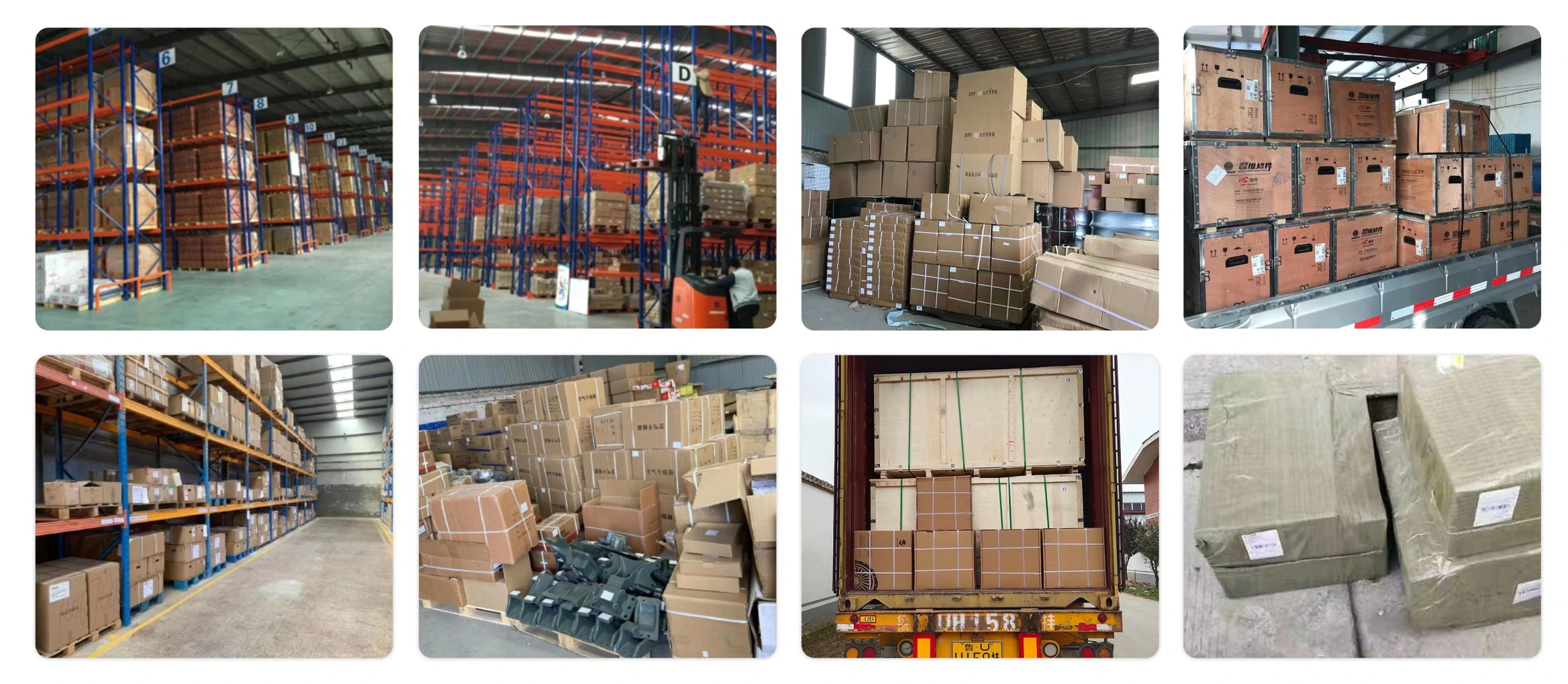
Cette approche d'emballage minimise le risque de corrosion ou de dommages causés par les chocs., s'assurer que les pièces comme l'ensemble bloc-cylindres FAW arrivent en parfait état. Les clients peuvent compter sur la logistique de FAW pour une qualité et une fiabilité constantes.