Fan ruso de FAW: Conduciendo 2 Subsistemas estratégicos para un control infalible del clima ártico
El Fan ruso de FAW El conjunto actúa como el corazón circulatorio del sistema HVAC dentro del Camión volquete FAW CA3250P66K24L1TE5Z. en el estancado, aire helado de una mina siberiana, la ventilación pasiva es imposible; activo, El flujo de aire a alta presión es la única barrera contra la congelación y la formación de hielo en el parabrisas.. Este conjunto combina un motor eléctrico de alto torque con un regulador electrónico de precisión para brindar un volumen de aire constante independientemente de las fluctuaciones de voltaje típicas en operaciones de servicio pesado.. Garantizando un movimiento de aire fiable, el Fan ruso de FAW Garantiza que el calor se transfiera eficazmente desde el núcleo a la cabina., Mantener un entorno de grado de supervivencia para el operador..
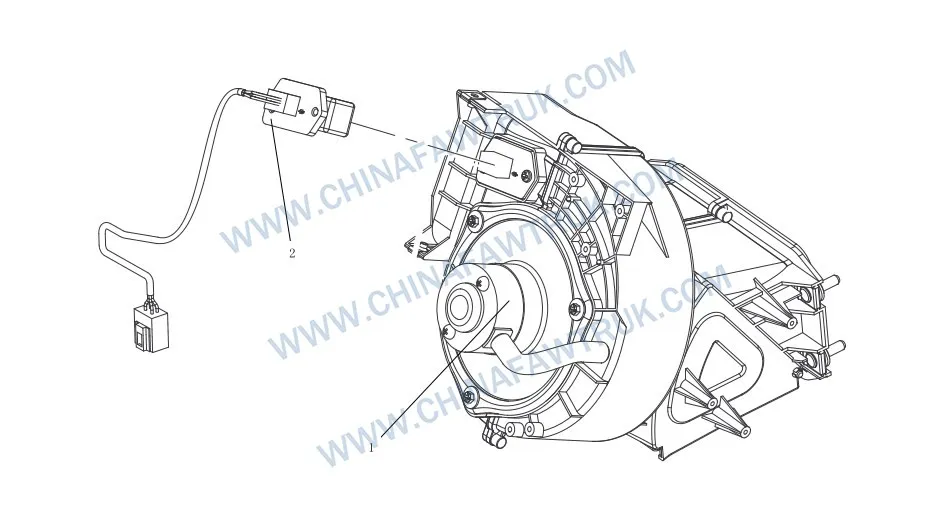
Fan ruso de FAW
| No. |
Número de pieza |
Nombre de la pieza |
Cantidad |
| 1 |
8101045-A65-C00 |
Motor con conjunto de impulsor (Ver 8100015-A65-C00) |
1 |
| 2 |
8101080-A65-C00 |
Módulo de regulación de velocidad (Ver 8100015-A65-C00) |
1 |
Energía electromecánica: El motor con conjunto de impulsor
El principal impulsor del sistema de control climático es el Motor con conjunto de impulsor (Número de pieza. 8101045-A65-C00). En el contexto de la Fan ruso de FAW, Este componente está significativamente sobrediseñado en comparación con las variantes estándar de carretera.. El motor en sí es una unidad de CC de alta eficiencia diseñada para generar un par sustancial a bajas RPM.. Este par de torsión bajo es crítico para el “arranque en frio” Situación en la que el lubricante de los rodamientos puede espesarse debido a la temperatura ambiente de -50 °C.. Un motor estándar podría pararse o quemarse al intentar superar esta resistencia inicial., pero el Motor con conjunto de impulsor poderes a través de, asegurando un flujo de aire inmediato.
el impulsor, que se equilibra dinámicamente como parte del Motor con conjunto de impulsor, cuenta con un centrífugo “jaula de ardilla” diseño. La geometría de la hoja está optimizada para alta presión estática.. En la cabina de un camión, el aire debe ser forzado a través de filtros de partículas densos, núcleos de calentador, y conductos complejos. El Fan ruso de FAW El impulsor está diseñado para mantener una alta velocidad del aire contra esta contrapresión sin sufrir una pérdida aerodinámica o una generación excesiva de ruido.. El material del impulsor es un polímero reforzado con fibra de vidrio elegido por su estabilidad dimensional.; no se encoge ni se vuelve quebradizo en el frío extremo, evitando roturas catastróficas a altas velocidades.
Además, el Motor con conjunto de impulsor Incorpora blindaje interno para proteger el conmutador y las escobillas del polvo de carbón conductor y la humedad.. En el ambiente húmedo de una cabina de calefacción, La condensación es una amenaza constante.. El Fan ruso de FAW La carcasa del motor está sellada según un estándar de clasificación IP que evita la entrada de agua., que de otro modo podría causar cortocircuitos o corrosión de los devanados internos. Este enfoque en la durabilidad interna garantiza que el Motor con conjunto de impulsor Proporciona miles de horas de servicio sin necesidad de reemplazo o mantenimiento de cepillos..
Control inteligente: El módulo de regulación de velocidad
La potencia bruta que gobierna el motor del ventilador es la Módulo de regulación de velocidad (Número de pieza. 8101080-A65-C00). este componente, A menudo se le conoce como resistencia del ventilador o transistor de potencia., es el cerebro detrás del Fan ruso de FAW. A diferencia de las antiguas resistencias bobinadas que simplemente desperdiciaban energía en forma de calor para reducir la velocidad del ventilador., este moderno Módulo de regulación de velocidad utiliza modulación de ancho de pulso (PWM) tecnología. PWM permite velocidades de ventilador infinitamente variables, Permitir que el sistema de control de clima automático realice microajustes en el flujo de aire., mantener la temperatura de la cabina con precisión en lugar de alternar entre “demasiado caliente” y “demasiado frío.”
El Módulo de regulación de velocidad está estructuralmente integrado en la ruta del flujo de aire del Fan ruso de FAW sistema. Este posicionamiento es deliberado.; Las grandes aletas de aluminio del disipador de calor del módulo deben enfriarse activamente mediante el paso del aire.. En el Fan ruso de FAW solicitud, Este enfriamiento es vital porque el módulo maneja corrientes de alto amperaje.. Si el módulo se sobrecalentara, Los circuitos de protección térmica apagarían el ventilador para evitar incendios., dejando al conductor sin calefacción. El diseño aerodinámico del disipador térmico del módulo garantiza la máxima eficiencia de transferencia térmica incluso a bajas velocidades del ventilador..
Durabilidad del Módulo de regulación de velocidad es primordial en el entorno minero. La electrónica está encerrada en un denso, resina epoxi termoconductora. Este encapsulado protege los delicados componentes de la placa de circuito de la intensa vibración del chasis del camión volquete y de la entrada de humedad.. Un fallido Módulo de regulación de velocidad normalmente da como resultado un ventilador que solo funciona a la velocidad máxima o no funciona en absoluto. Al robustecer este componente, FAW garantiza que el conductor mantenga el control total sobre el Fan ruso de FAW sistema, permitiendo una descongelación suave o un calentamiento máximo según sea necesario.
Rendimiento ártico y capacidad de deshielo
La verdadera prueba del Fan ruso de FAW ocurre durante el arranque inicial después de una noche estacionado a -40°C. A estas temperaturas, El parabrisas suele estar cubierto por una gruesa capa de hielo.. El Motor con conjunto de impulsor debe entregar instantáneamente el máximo volumen de aire a los conductos del descongelador. Cualquier retraso o vacilación debido a rodamientos congelados o campos magnéticos débiles en el motor prolongaría el proceso de deshielo., retrasar el despliegue del vehículo. El Fan ruso de FAW está calibrado para proporcionar una “aumentar” actual durante estas condiciones, Asegurarse de que el impulsor gire rápidamente para limpiar el vidrio..
La interacción entre el Módulo de regulación de velocidad y la ECU del vehículo también está ajustada para climas fríos. El módulo está diseñado para iniciar suavemente el Motor con conjunto de impulsor. Un pico repentino de corriente total en un motor congelado podría cortar el eje del impulsor o dañar las aspas de plástico.. El Módulo de regulación de velocidad aumenta el voltaje en unos pocos milisegundos, rompiendo suavemente la adherencia de los cojinetes fríos antes de aplicar toda la potencia. Esta gestión inteligente alarga significativamente la vida mecánica del Fan ruso de FAW componentes.
Además, la selección del material para los enchufes del conector tanto en Motor con conjunto de impulsor y el Módulo de regulación de velocidad es critico. Los plásticos estándar pueden agrietarse cuando se desconectan los enchufes para realizar pruebas en frío.. El Fan ruso de FAW Utiliza carcasas de conectores a base de nailon que siguen siendo resistentes al frío.. Las clavijas terminales están recubiertas con aleaciones de alta conductividad para evitar la corrosión por fricción, un problema común causado por los ciclos de expansión y contracción térmica que puede provocar fallas eléctricas intermitentes en el Fan ruso de FAW circuito.
Integración de sistemas y control de ruido
Una métrica de desempeño clave para el Fan ruso de FAW es el confort acústico. En un camión de trabajo, El ruido excesivo del ventilador puede enmascarar los sonidos de advertencia del motor o las comunicaciones por radio.. El Motor con conjunto de impulsor Está equilibrado con precisión para minimizar la transmisión de vibraciones al interior de la carcasa del sistema HVAC.. Los soportes del motor suelen utilizar aisladores de goma que desacoplan el Fan ruso de FAW del plástico duro del tablero. Esto resulta en una “silbido” de aire en lugar de un zumbido o gemido mecánico, reducir la irritación del conductor durante turnos largos.
El Módulo de regulación de velocidad También juega un papel en el control del ruido.. Los controladores PWM mal diseñados pueden hacer que los devanados del motor “cantar” o gemir en ciertas frecuencias. El Fan ruso de FAW El módulo funciona a una frecuencia superior al rango del oído humano., asegurando un funcionamiento eléctrico silencioso. Esta atención al detalle tanto en el Motor con conjunto de impulsor y el Módulo de regulación de velocidad refleja un enfoque de diseño holístico donde la comodidad del operador se trata como un componente de la seguridad operativa.
Finalmente, La integración de estos dos componentes garantiza la redundancia del sistema.. El Módulo de regulación de velocidad Contiene circuitos de protección que monitorean la salud del Motor con conjunto de impulsor. Si el motor se atasca debido a la ingestión de desechos (Un riesgo común en entornos mineros sucios.), El módulo detecta la situación de sobrecorriente y corta la energía., evitando que el mazo de cables se derrita. Esta característica de autoprotección del Fan ruso de FAW evita que un atasco mecánico menor se convierta en un incendio eléctrico importante, protegiendo el activo.
Conclusión: El corazón del sistema HVAC
El Fan ruso de FAW Es un conjunto compacto pero fundamental que sustenta toda la estrategia de control climático del camión volquete CA3250.. Al combinar el robusto par del Motor con conjunto de impulsor con el control de precisión del Módulo de regulación de velocidad, FAW ofrece un sistema capaz de dominar las variaciones atmosféricas extremas del Ártico ruso. Estos dos componentes funcionan al unísono para garantizar que el aire, frío o caliente, llegue exactamente donde el conductor lo necesita., Instantánea y confiablemente.
Para equipos de mantenimiento de flotas, reconocer la interdependencia de estas partes es vital. Un fracaso en el Módulo de regulación de velocidad A menudo es un síntoma de envejecimiento. Motor con conjunto de impulsor dibujando corriente excesiva. Reemplazarlos como par suele ser la mejor práctica para garantizar la confiabilidad a largo plazo.. Al utilizar piezas originales FAW para el Fan ruso de FAW, Los operadores garantizan que sus vehículos permanecen seguros., cómodo, y compatible, Listo para enfrentar los gélidos desafíos de la frontera norte..
Embalaje y Logística
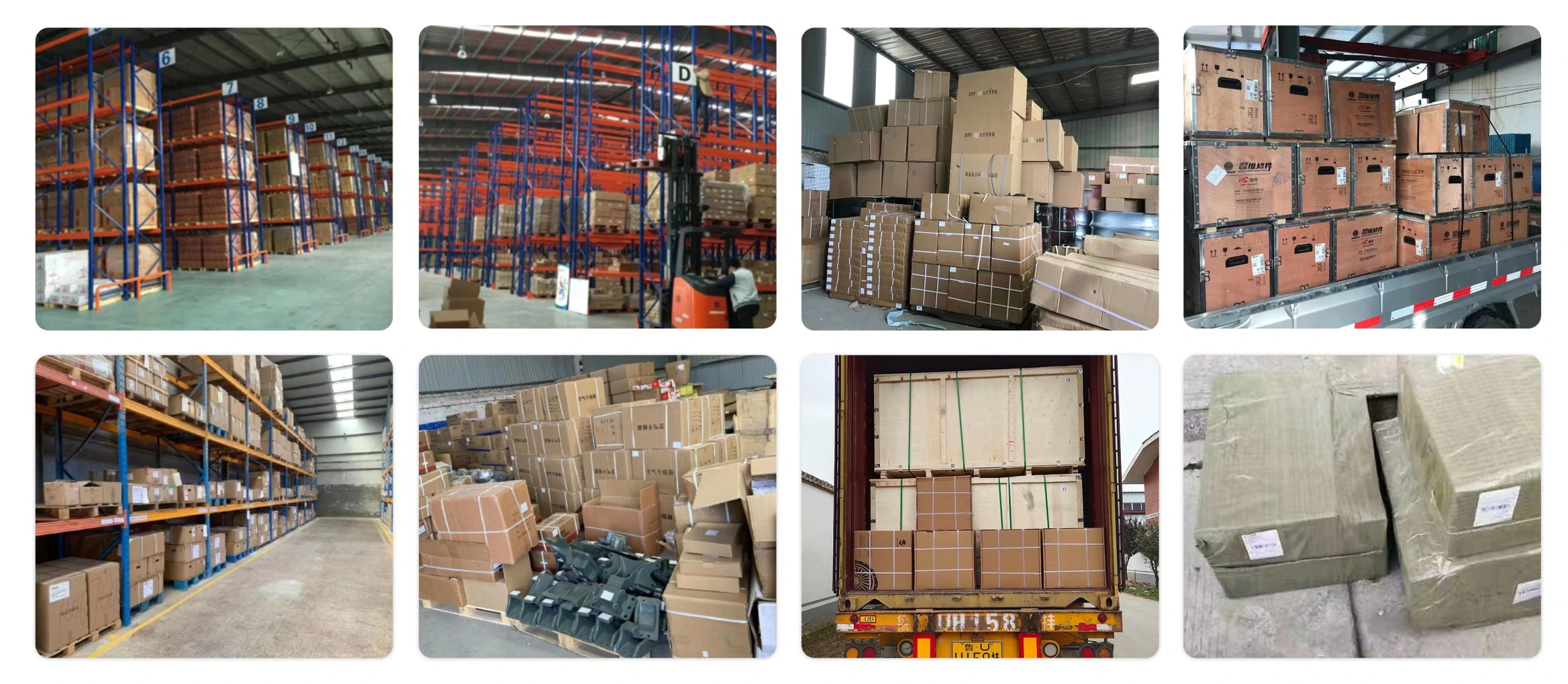
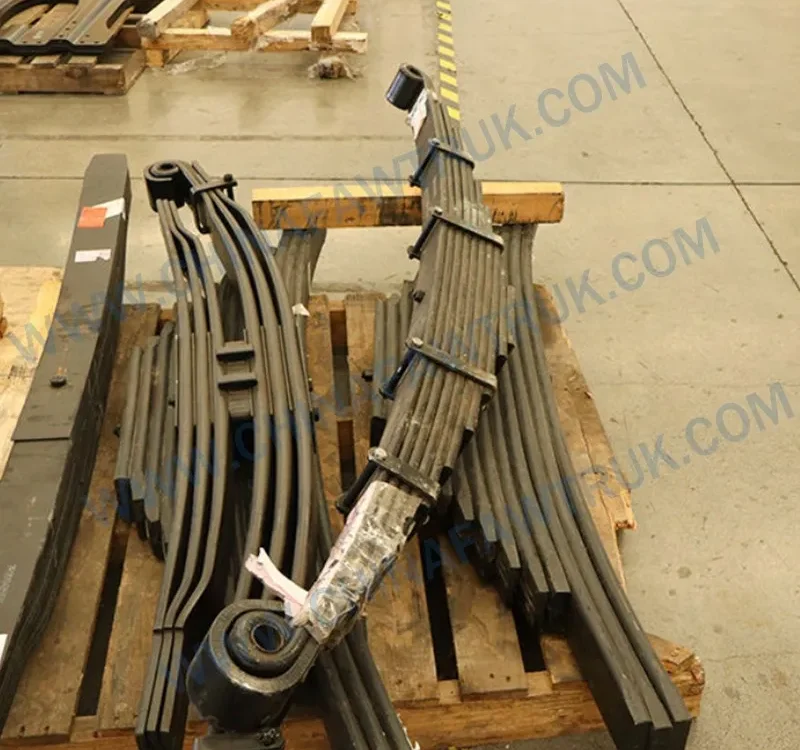
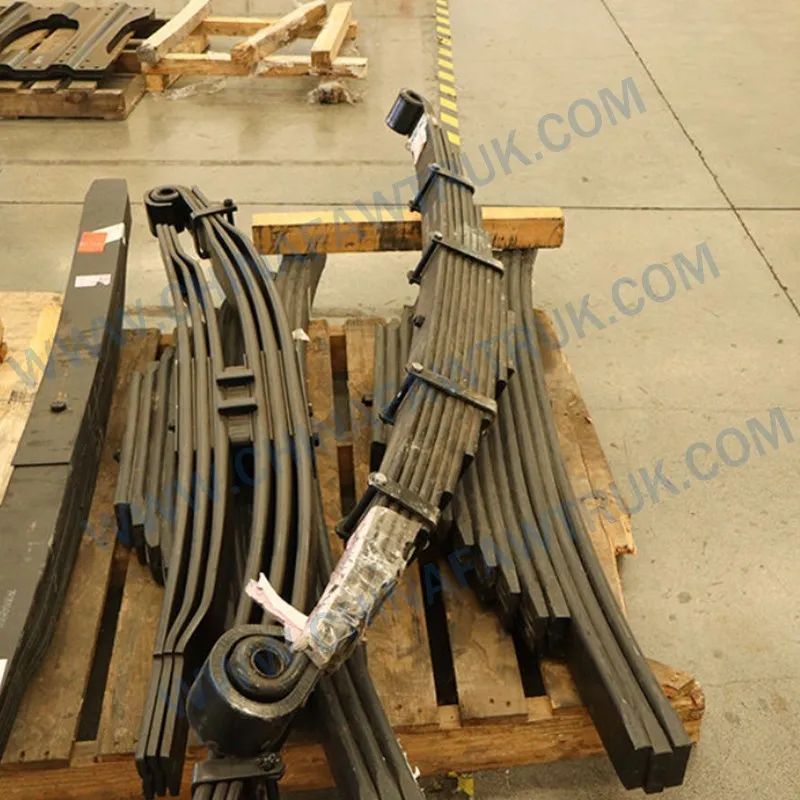
piezas FAW, incluido el conjunto del bloque de cilindros, Se empaquetan con cuidado para garantizar una entrega segura.. Cada componente está asegurado con materiales protectores para evitar daños durante el transporte.. La red logística garantiza envíos puntuales en todo el mundo., apoyando operaciones de mantenimiento eficientes. A continuación se muestra una imagen que ilustra el embalaje estándar de las piezas de camiones FAW., mostrando la atención al detalle en el manejo y almacenamiento.
Este enfoque de embalaje minimiza el riesgo de corrosión o daños por impacto., asegurando que piezas como el conjunto de bloque de cilindros FAW lleguen en perfectas condiciones. Los clientes pueden confiar en la logística de FAW para obtener calidad y confiabilidad constantes.