FAW Russian Front-Spring Right-Front Bracket: Anchoring 5 Precision Components for Unwavering Suspension Stability
The FAW Russian Front-Spring Right-Front Bracket assembly serves as the immovable foundation for the passenger-side suspension of the CA3250P66K24L1TE5Z dump truck. Mirroring its left-side counterpart, this heavy-duty casting bears the brunt of road crown impacts and shoulder terrain irregularities common in Siberian mining logistics. Engineered with “76A” cryogenic metallurgy, the FAW Russian Front-Spring Right-Front Bracket ensures precise axle alignment and steering geometry retention, even when subjected to the torsional stresses of -50°C operations.

FAW Russian Front-Spring Right-Front Bracket
Metallurgical Engineering and Design
The core structural element of this assembly is the Right Front Bracket – Front Leaf Spring (Part No. 2902442-76A). This component is cast from a specialized nodular iron alloy, treated to meet the “76A” impact toughness standard required for the Russian Arctic. Unlike standard gray iron, which can shatter under the high-frequency vibrations of frozen gravel roads, the material used in the FAW Russian Front-Spring Right-Front Bracket maintains ductility at sub-zero temperatures. This resilience is critical for preventing fatigue cracks that could lead to suspension detachment during heavy braking events.
The design of the FAW Russian Front-Spring Right-Front Bracket incorporates extensive internal ribbing. These ribs are calculated to distribute the vertical loads from the leaf spring eye upward into the chassis rail web, while simultaneously resisting the longitudinal shear forces generated by the vehicle’s momentum. The bracket’s footprint is maximized to reduce unit pressure on the frame rail, preventing deformation of the chassis steel. This careful balance of mass and geometry ensures that the FAW Russian Front-Spring Right-Front Bracket acts as a rigid extension of the frame itself.
A key feature of the FAW Russian Front-Spring Right-Front Bracket is the precision-machined pin bore. This bore establishes the fixed pivot point for the front suspension. Its perpendicularity to the chassis centerline determines the caster angle and thrust alignment of the front axle. Even a minor deviation in the casting accuracy of the FAW Russian Front-Spring Right-Front Bracket would result in severe tire wear and steering instability. FAW’s strict quality control ensures that every bracket provides a geometrically perfect foundation for the vehicle’s handling dynamics.
To combat the corrosive effects of road salt and brine, the FAW Russian Front-Spring Right-Front Bracket undergoes a multi-stage surface treatment process. An initial phosphate conversion coating is followed by a heavy-duty chassis epoxy. This barrier protection prevents rust from creeping under the mounting surface, a phenomenon known as “rust jacking” which can exert enough force to snap high-tensile bolts. Maintaining this protective layer is essential for the long-term structural health of the FAW Russian Front-Spring Right-Front Bracket.
Primary Fastening Architecture
The primary retention system for the FAW Russian Front-Spring Right-Front Bracket utilizes a set of five Hexagon Head Flange Bolts (Part No. Q1851240T). These bolts create the main clamping force that secures the bracket to the chassis rail. The quantity of five bolts suggests an asymmetrical load path designed to handle the specific torque inputs on the right-hand side of the vehicle, which often endures higher impact loads from the road shoulder. The flange head design eliminates the need for washers, providing a stable, broad bearing surface.
Mating with these bolts are five Hexagon Flange Nuts (Part No. CQ39712). These nuts feature a locking interface—typically a serrated face or distorted thread—that bites into the metal to prevent loosening. In the high-vibration environment of a dump truck, maintaining bolt preload is the single most critical factor for safety. If the FAW Russian Front-Spring Right-Front Bracket were to loosen, the resulting movement would ovalize the frame holes, necessitating expensive chassis repairs.
The “T” suffix on the Q1851240T bolts indicates a high-tensile strength class, likely 10.9 or 12.9, coupled with a corrosion-resistant coating such as Dacromet. This ensures that the fasteners of the FAW Russian Front-Spring Right-Front Bracket do not succumb to hydrogen embrittlement or rust seizure. Fleet mechanics appreciate this detail, as it allows for easier disassembly during suspension overhauls without the need for destructive torching methods that could damage the bracket’s heat treatment.
The fastening logic relies on friction grip. The clamping force provided by the bolts presses the FAW Russian Front-Spring Right-Front Bracket against the frame so tightly that friction carries the shear load. The bolts themselves are not intended to act as shear pins. Therefore, adhering to the specific torque values for the FAW Russian Front-Spring Right-Front Bracket is mandatory. Under-torquing leads to slippage; over-torquing stretches the bolts beyond their yield point.
Secondary Reinforcement and Stability
To further stabilize the assembly, the FAW Russian Front-Spring Right-Front Bracket employs a secondary set of fasteners consisting of four Hexagon Head Flange Bolts (Part No. Q1851465T). These bolts are longer and likely pass through additional reinforcement plates or cross-member liners within the chassis rail. This dual-plane bolting strategy distributes the stress over a larger cross-section of the frame, preventing fatigue cracking in the rail web.
These secondary bolts are secured by four corresponding Hexagon Flange Nuts (Part No. CQ39714). The difference in part number from the primary nuts suggests a variation in thread pitch or diameter, preventing assembly errors on the production line. The FAW Russian Front-Spring Right-Front Bracket assembly is designed so that even if one set of bolts were to lose tension, the secondary set provides sufficient redundancy to keep the axle located until the truck can be serviced.
The interplay between the “1240T” and “1465T” bolt groups creates a rigid box-section effect at the mounting point. This rigidity is essential for translating steering inputs into vehicle direction. Any flex in the FAW Russian Front-Spring Right-Front Bracket mounting would result in a delay between steering wheel movement and tire response. The robust fastening architecture ensures that the driver feels a direct connection to the road, enhancing safety on slippery surfaces.
Regular inspection of these fasteners involves looking for “rust bleed” around the bolt heads or nut faces. The appearance of fine red dust is a tell-tale sign of fretting caused by loose components. Catching this early allows for re-torquing; ignoring it leads to component failure. The FAW Russian Front-Spring Right-Front Bracket is a low-maintenance item, but it is not zero-maintenance. Visual checks during routine oil changes are a best practice for arctic fleet management.
Replacement and Installation Protocols
Replacing a damaged FAW Russian Front-Spring Right-Front Bracket is a significant repair requiring proper chassis support. Because the bracket is under tension from the leaf spring, the axle must be unloaded before any bolts are removed. Failure to do so can result in the bracket springing off with dangerous force. Technicians must also ensure that the mating surface on the frame rail is clean and free of paint buildup or rust scale to ensure proper seating of the new FAW Russian Front-Spring Right-Front Bracket.
It is universally recommended to replace all mounting hardware when installing a new bracket. The flange nuts are designed to deform slightly to lock; reusing them compromises this feature. Investing in a new set of Q185 and CQ397 series fasteners is a small cost compared to the risk of a detached suspension. The FAW Russian Front-Spring Right-Front Bracket kit should always be installed with fresh, high-grade hardware to guarantee factory-level performance.
Post-installation alignment checks are mandatory. Since the FAW Russian Front-Spring Right-Front Bracket determines the position of the axle, any variation in manufacturing tolerance or installation position can affect the thrust angle. A computerized alignment check ensures that the truck tracks straight and true, maximizing tire life and fuel efficiency.
By adhering to these protocols and utilizing genuine parts, operators can ensure that the FAW Russian Front-Spring Right-Front Bracket continues to perform its vital role. It is the silent anchor that allows the suspension to do its work, absorbing the punishment of the road so the chassis doesn’t have to.
Component Breakdown: Front Spring Right Front Bracket Assembly
| No. |
Part Number |
Part Name |
Qty |
| 1 | CQ39712 | Hexagon Flange Nut | 5 |
| 2 | Q1851240T | Hexagon Head Flange Bolt | 5 |
| 3 | CQ39714 | Hexagon Flange Nut | 4 |
| 4 | Q1851465T | Hexagon Head Flange Bolt | 4 |
| 5 | 2902442-76A | Right Front Bracket – Front Leaf Spring | 1 |
Conclusion: The Right-Side Anchor
The FAW Russian Front-Spring Right-Front Bracket completes the structural foundation of the front suspension. It balances the forces applied to the chassis, ensuring symmetrical handling and braking performance. Engineered with specific “76A” metallurgy and secured by a redundant, high-tensile fastening system, this bracket is built to survive the harshest operational conditions.
For fleet operators, the integrity of this component is non-negotiable. Regular torque checks and visual inspections for impact damage are essential. By maintaining the FAW Russian Front-Spring Right-Front Bracket to factory standards, you ensure the safety of your drivers and the longevity of your equipment in the unforgiving environment of the Russian mining sector.
Packaging and Logistics
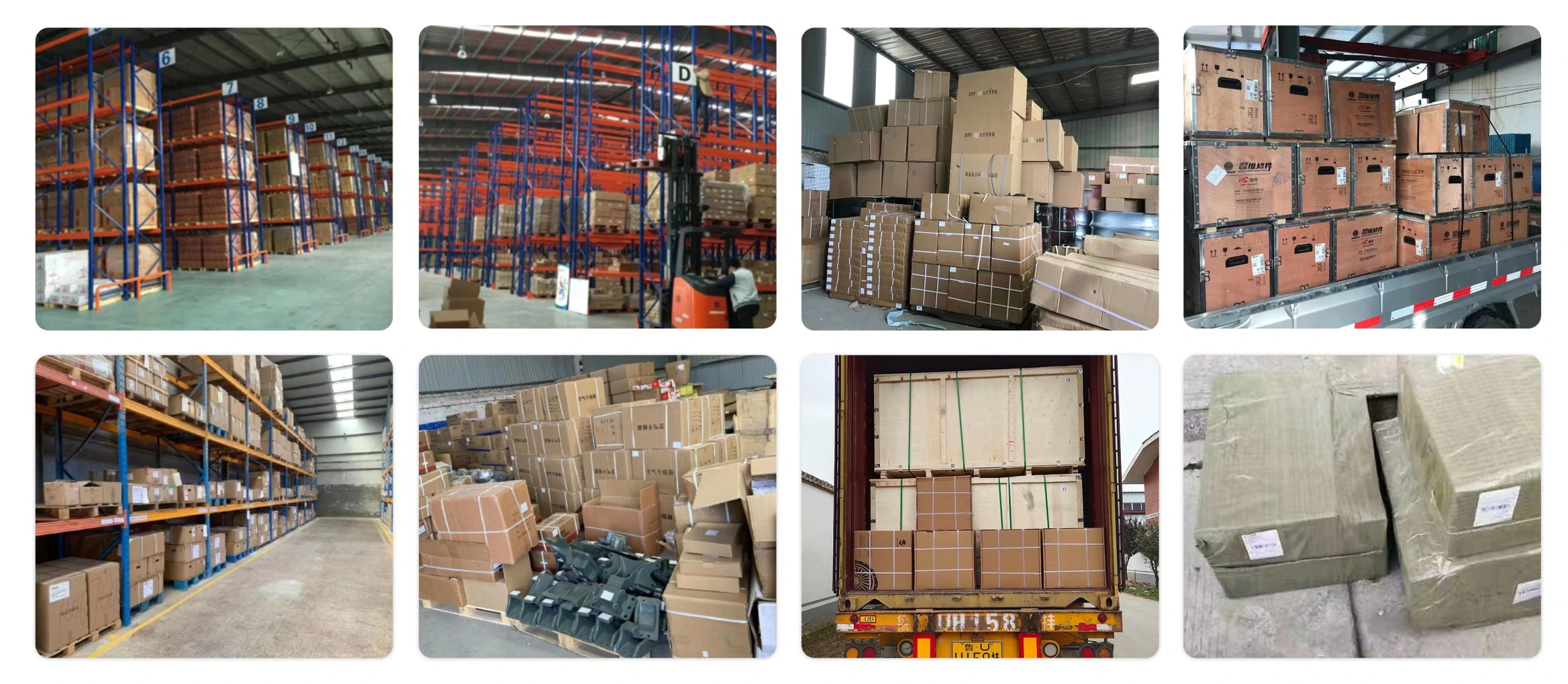
FAW parts, including the Cylinder Block Assembly, are packaged with care to ensure safe delivery. Each component is secured in protective materials to prevent damage during transit. The logistics network guarantees timely shipments worldwide, supporting efficient maintenance operations. Below is an image illustrating the standard packaging for FAW truck parts, showcasing the attention to detail in handling and storage.
This packaging approach minimizes the risk of corrosion or impact damage, ensuring that parts like the FAW Cylinder Block Assembly arrive in perfect condition. Customers can rely on FAW’s logistics for consistent quality and reliability.