FAW Russian Air Conditioner Compressor: 3 Critical Components for Arctic Climate Control and Safety
The FAW Russian Air Conditioner Compressor is the thermodynamic heart of the CA3250P66K24L1TE5Z environmental system. Essential for visibility and operator alertness, it manages cabin humidity in sub-zero conditions. This guide provides an exhaustive technical analysis of the compressor’s internal mechanics, lubrication physics, and the high-tensile mounting architecture required for reliability in the Russian Federation.

FAW Russian Air Conditioner Compressor
The Role of the FAW Russian Air Conditioner Compressor in Winter
While air conditioning is typically associated with cooling, the FAW Russian Air Conditioner Compressor plays a far more critical role during the Russian winter: dehumidification. When a driver enters the cab covered in snow, the interior humidity levels spike rapidly as the snow melts. Without an active AC system, this moisture condenses instantly on the cold glass surfaces, freezing on the inside of the windshield and blinding the driver.
The FAW Russian Air Conditioner Compressor works in tandem with the heater core to produce “dry heat.” By cycling the compressor, the evaporator core cools the incoming air below its dew point, forcing moisture to condense and drain out of the HVAC box. The dry air is then heated and directed at the windshield. This process is the only effective way to keep windows clear in temperatures ranging from -5°C to -20°C.
Therefore, the reliability of the FAW Russian Air Conditioner Compressor is a direct safety issue. A seized compressor or a slipping clutch means the defroster becomes ineffective. In the context of operating a 40-ton dump truck on icy mining roads, impaired visibility is a catastrophic risk. This operational necessity drives the heavy-duty engineering specifications of the Part No. 8103020-36D assembly.
Furthermore, the system prevents driver fatigue. High humidity levels in a warm cabin create a stifling “greenhouse” effect that can induce drowsiness. By regulating the humidity, the FAW Russian Air Conditioner Compressor maintains a crisp, alert atmosphere within the cabin, directly contributing to the operational safety and efficiency of the logistics chain.
Internal Mechanics: Swashplate Dynamics and PAG Oil
The Air Conditioner Compressor Assembly (Part No. 8103020-36D) utilizes a fixed-displacement swashplate design. This architecture is chosen for the FAW Russian Air Conditioner Compressor because of its robustness against liquid slugging. In extreme cold, refrigerant can condense into liquid form within the suction line. A rotary vane compressor might suffer hydraulic lock, but the swashplate design is more tolerant of momentary liquid ingestion.
Lubrication within the FAW Russian Air Conditioner Compressor is provided by Polyalkylene Glycol (PAG) oil, which circulates with the refrigerant. In the Russian Arctic, the viscosity of this oil increases dramatically when the vehicle is parked. Upon startup, the compressor must operate with boundary lubrication until the system warms up. The internal pistons are coated with a molybdenum disulfide or Teflon layer to prevent scoring during these critical first seconds.
The shaft seal is another engineering marvel. It must contain high-pressure refrigerant gas while the shaft spins at up to 3,000 RPM. In the FAW Russian Air Conditioner Compressor, this seal is a double-lip design made from hydrogenated nitrile butadiene rubber (HNBR). Standard rubber seals would shrink and harden at -40°C, venting the refrigerant charge into the atmosphere.
The suction and discharge ports of the FAW Russian Air Conditioner Compressor are machined to precise tolerances to accept the manifold block. Any surface imperfection here would lead to leaks, necessitating frequent recharging. FAW uses a specific casting alloy for the compressor body that resists corrosion from road salts, ensuring the sealing surfaces remain pitted-free for the life of the vehicle.
Clutch Engagement: Physics of Torque Transfer
The interface between the engine’s belt drive and the compressor internals is the electromagnetic clutch. For the FAW Russian Air Conditioner Compressor, this clutch is sized to transmit high torque without slipping. When the ECU commands the A/C on, an electromagnet creates a flux field that pulls the armature plate against the spinning pulley face.
The air gap between the plate and the pulley is a critical calibration point. If the gap is too wide, the magnet cannot overcome the spring tension, and the clutch fails to engage. If too narrow, it drags constantly. The FAW Russian Air Conditioner Compressor clutch is set to a precise gap (typically 0.35mm to 0.65mm) that accounts for thermal expansion differences in extreme climates.
The coil windings within the clutch are encapsulated in an epoxy resin. This waterproofing is essential for the FAW Russian Air Conditioner Compressor. The truck engine bay is often subjected to salt spray and meltwater. Unprotected coils would short out rapidly due to corrosion. The resin potting ensures that the magnetic field strength remains constant over years of service.
Additionally, the pulley bearing is a sealed, double-row angular contact bearing. It supports the side load of the drive belt. Even when the A/C is off, this bearing spins. In the FAW Russian Air Conditioner Compressor, this bearing is packed with low-temperature synthetic grease. Standard grease would channel and solidify in Siberian winters, leading to bearing noise and eventual seizure that would throw the serpentine belt.
Structural Integration: Bolts and Vibration Control
Securing the compressor to the engine block is a task that requires absolute rigidity. The FAW Russian Air Conditioner Compressor is mounted using two units of the Bolt – For Fastening Alternator/Compressor (Part No. 3701327-36D). These are long, high-tensile through-bolts designed to pass through the compressor mounting ears and the engine bracket.
The interaction between these bolts and the aluminum housing of the FAW Russian Air Conditioner Compressor is complex. Aluminum expands at twice the rate of steel. As the engine heats up, the mounting ears expand, increasing the tension on the bolts. The fasteners must have enough elasticity to accommodate this growth without yielding or snapping.
To secure the bolts, the assembly uses the Hexagon Flange Nut (Part No. Q32010). The wide flange on this nut acts as a load spreader. Without it, the high clamping force required would cause the steel nut to dig into the soft aluminum of the FAW Russian Air Conditioner Compressor housing. This “embedment” would lead to a loss of bolt preload, causing the compressor to vibrate loose.
Vibration is the enemy of the A/C system. If the FAW Russian Air Conditioner Compressor is not rigidly mounted, it will oscillate harmonically with the diesel engine. This movement fatigues the refrigerant lines, leading to cracks and leaks at the crimp joints. Therefore, the torque specification on these two bolts is a critical safety parameter that ensures the entire HVAC system remains sealed and functional.
Component Breakdown List
The following table details the specific components comprising the FAW Russian Air Conditioner Compressor assembly. While the BOM is concise, the specification of each part is tailored for the high-vibration, low-temperature environment of the CA3250P66K24L1TE5Z.
| No. |
Part Number |
Part Name |
Qty |
| 1 |
8103020-36D |
Air Conditioner Compressor Assembly |
1 |
| 2 |
3701327-36D |
Bolt – For Fastening Alternator/Compressor |
2 |
| 3 |
Q32010 |
Hexagon Flange Nut |
2 |
Diagnostic Protocols for the Compressor
Diagnosing the FAW Russian Air Conditioner Compressor requires checking both the electrical and mechanical systems. First, verify the coil resistance of the electromagnetic clutch. An open circuit indicates a failed coil, often caused by salt corrosion penetrating the potting material. If the coil is good but the clutch does not engage, check the air gap. Wear on the friction surfaces can widen the gap beyond the magnet’s pull range.
Listen to the FAW Russian Air Conditioner Compressor while the engine is running. A growling noise that disappears when the A/C is turned on indicates a bad pulley bearing. A knocking noise that appears only when the A/C is engaged suggests internal piston or swashplate damage. In either case, the Air Conditioner Compressor Assembly must be replaced to prevent metal shavings from contaminating the condenser and expansion valve.
Check the mounting hardware visually. If the Bolt heads show signs of rust bleeding (“rust jacking”), they may be loose. Attempt to re-torque them. If they spin freely, the threads in the bracket or the nut are stripped. Operating the FAW Russian Air Conditioner Compressor with loose mounts will destroy the drive belt and potentially damage the fan shroud.
Finally, inspect the compressor body for oil wetness. The PAG oil used in the system often contains a UV dye. A UV light can reveal leaks at the shaft seal or the body-halves gasket. In the FAW Russian Air Conditioner Compressor, even a small leak leads to a loss of refrigerant charge, disabling the defroster and creating a safety hazard.
Conclusion: Essential for Arctic Operations
The FAW Russian Air Conditioner Compressor is a vital component for the safe operation of the CA3250P66K24L1TE5Z truck. It provides the dehumidification needed to keep windows clear in the harsh Russian winter and the cooling needed for driver comfort in summer. Its robust design features specific upgrades for cold-weather reliability, including sealed coils and low-temperature seals.
For fleet owners, maintaining this assembly with genuine FAW parts is the only way to ensure continued performance. Generic compressors often lack the heavy-duty clutch and internal coatings required to survive the vibration and thermal shock of the application. By investing in the authentic FAW Russian Air Conditioner Compressor, you protect your drivers and ensure your fleet remains mobile in all weather conditions.
Packaging and Logistics
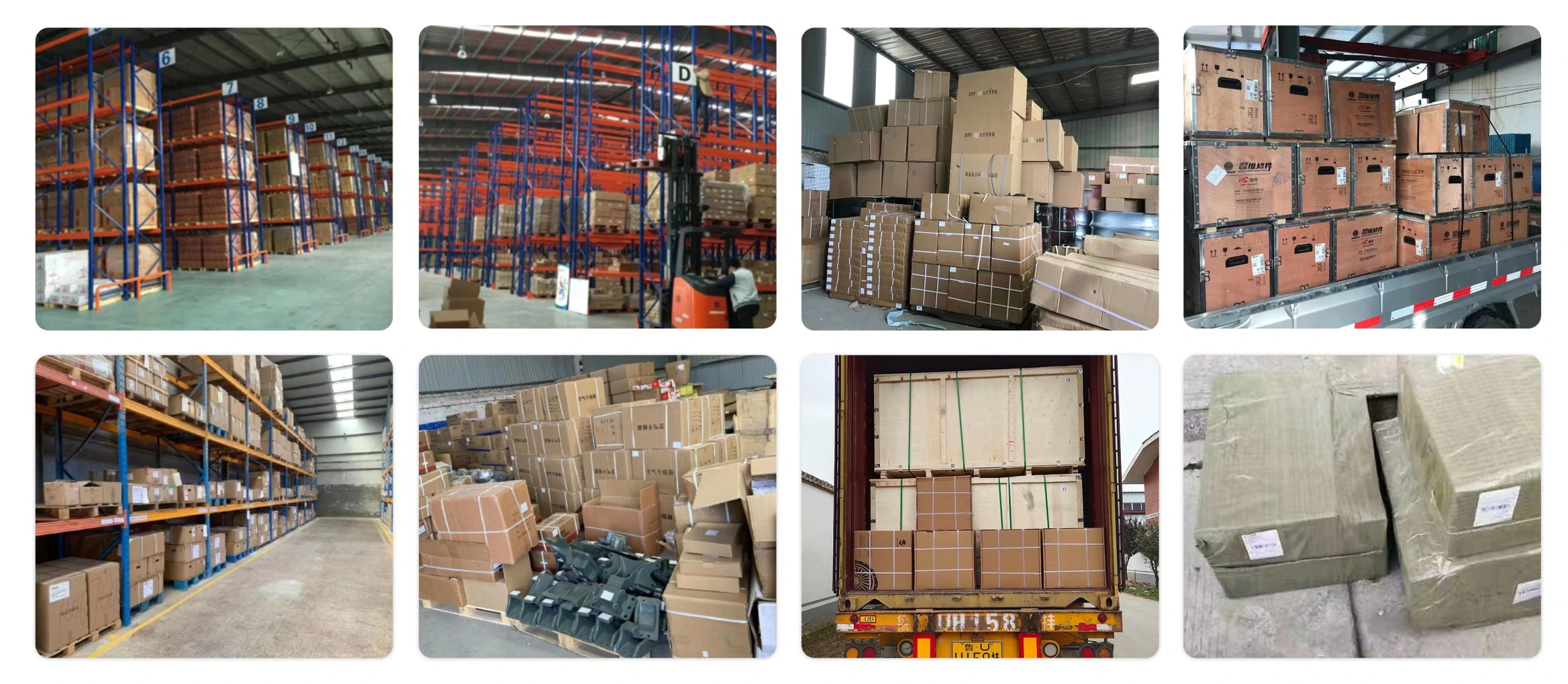
FAW parts, including the Cylinder Block Assembly, are packaged with care to ensure safe delivery. Each component is secured in protective materials to prevent damage during transit. The logistics network guarantees timely shipments worldwide, supporting efficient maintenance operations. Below is an image illustrating the standard packaging for FAW truck parts, showcasing the attention to detail in handling and storage.
This packaging approach minimizes the risk of corrosion or impact damage, ensuring that parts like the FAW Cylinder Block Assembly arrive in perfect condition. Customers can rely on FAW’s logistics for consistent quality and reliability.