FAW Russian Electronically Controlled Sensor: 7 Vital Sensors for Precision Engine Management
The FAW Russian Electronically Controlled Sensor network acts as the central nervous system for the CA3250P66K24L1TE5Z dump truck. This suite of high-precision sensors monitors everything from intake pressure to crankshaft position, ensuring optimal performance in the freezing Russian climate. This guide details each sensor’s role in the electronic control architecture.

FAW Russian Electronically Controlled Sensor
Critical Monitoring: Position and Pressure
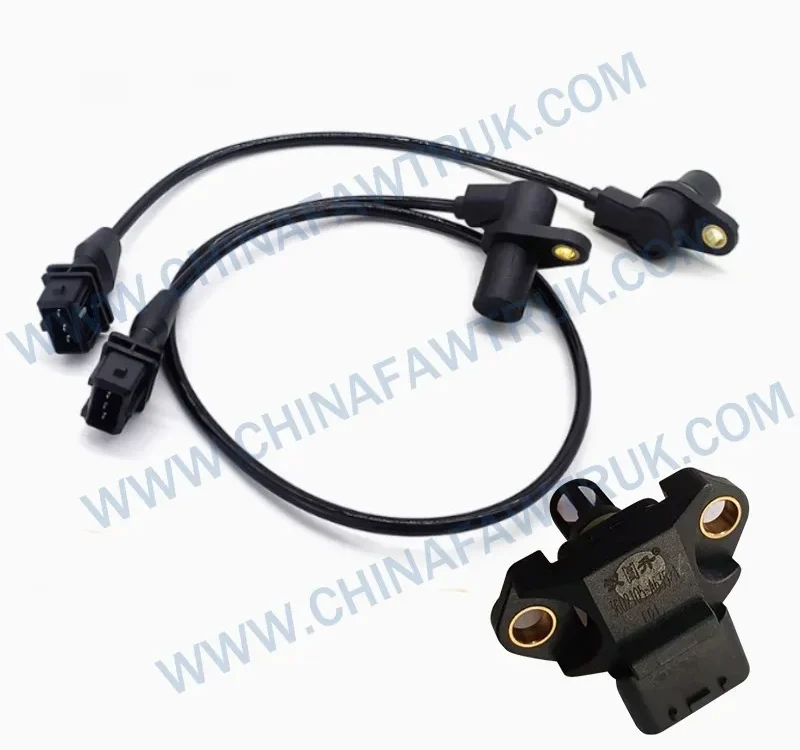
The foundation of electronic fuel injection is timing, managed by the Crankshaft Position Sensor Assembly (Part No. 3602120-59D). This magnetic induction sensor reads the rotation of the flywheel to determine piston position. In the FAW Russian Electronically Controlled Sensor system, this component must function flawlessly at -40°C. If it fails or becomes covered in metal shavings, the engine will not start, as the ECU cannot determine when to fire the injectors.
Engine load is calculated primarily via the Intake Pressure and Temperature Sensor Assembly (Part No. 3602105-59D). This dual-function sensor (TMAP) measures the density of the air entering the manifold. In the dense, cold air of the Russian winter, accurate readings are vital to prevent over-fueling, which can wash down cylinder walls and dilute the oil. The FAW Russian Electronically Controlled Sensor logic uses this data to adjust turbo boost and injection timing for maximum efficiency.
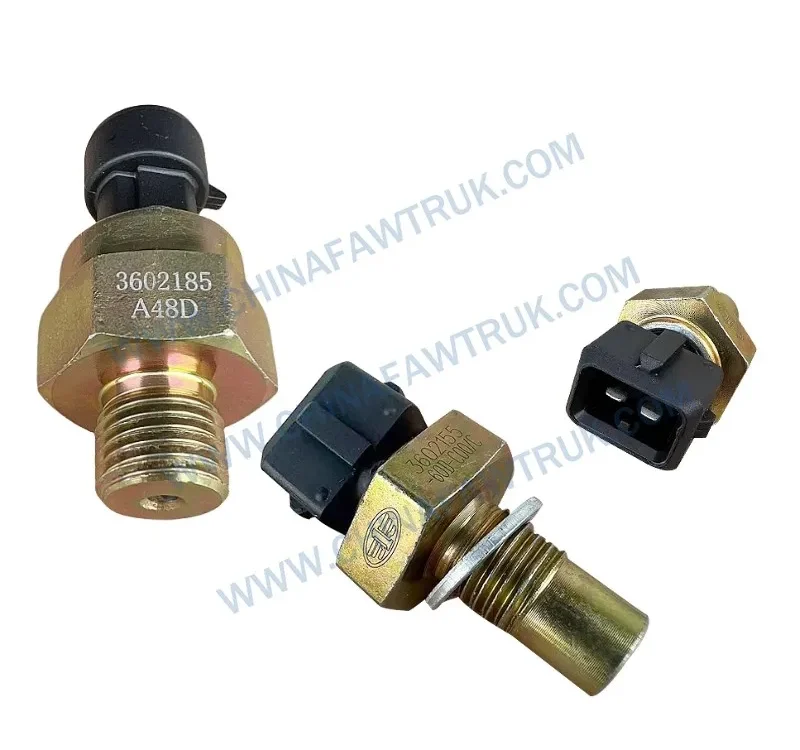
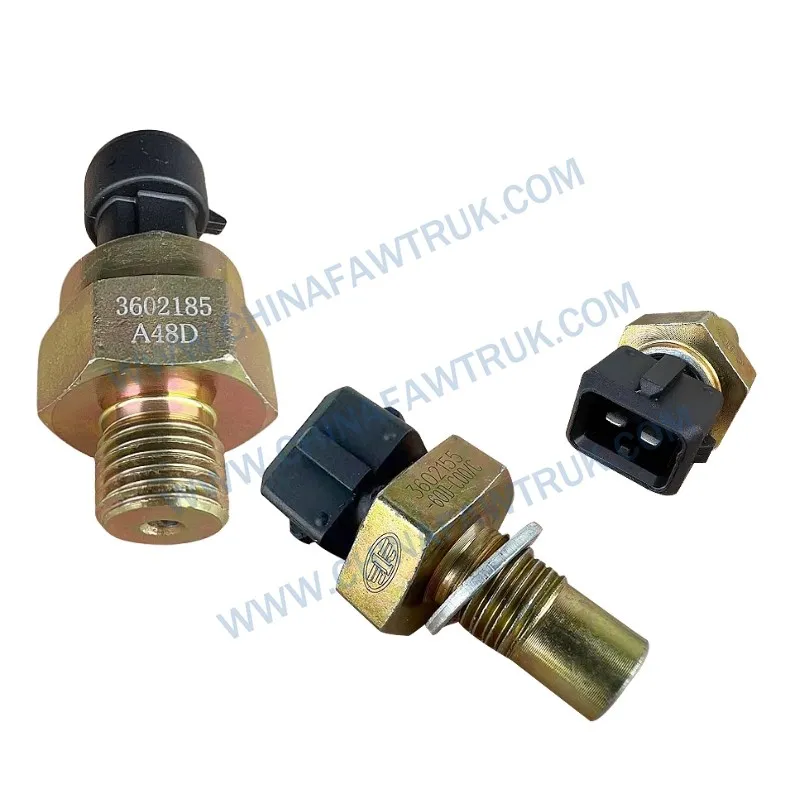
Lubrication health is monitored by the Oil Pressure Sensor Assembly (Part No. 3602185-48D). Unlike simple switches that only trigger a light when disaster strikes, this sensor provides a continuous pressure reading to the ECU. This allows the FAW Russian Electronically Controlled Sensor system to detect oil pump degradation or filter clogging early, triggering a “limp mode” to save the engine from seizure if pressure drops below a safe threshold relative to RPM.
Thermal Logic and Connectivity
Thermal regulation is guided by the Coolant Temperature Sensor Assembly (Part No. 3602160-59D). This sensor dictates the cold-start enrichment strategy. If the FAW Russian Electronically Controlled Sensor detects extreme cold, it commands the glow plugs (if equipped) and alters the injection pulse width to ensure ignition. A faulty sensor reporting “hot” when the engine is freezing will result in a crank-no-start condition.
Connecting all these disparate sensors is the Engine Braking and Injector Wiring Harness Assembly (Part No. 3724850-81D). This harness acts as the nervous system, transmitting millivolt signals to the ECU. In the harsh environment of a dump truck chassis, this harness is armored against abrasion and vibration. The connectors are sealed against moisture intrusion, a critical feature for the FAW Russian Electronically Controlled Sensor network to resist corrosion from road salts.
Secure mounting of these sensors is non-negotiable. The assembly uses the Hexagon Flange Bolt (Coarse Shank/Standard) (Part No. Q1840616) to lock sensors in place. The flange head provides a stable clamping force without crushing the plastic sensor housings. A loose sensor in the FAW Russian Electronically Controlled Sensor system will vibrate, leading to signal noise and erratic engine behavior, or leak vital fluids.
Component Breakdown List
The following table lists the specific components of the FAW Russian Electronically Controlled Sensor logical assembly. Precision in replacing these sensors is mandatory; using generic sensors with incorrect resistance values will confuse the ECU and lead to fault codes.
| No. |
Part Number |
Part Name |
Qty |
| 1 |
3602160-59D |
Coolant Temperature Sensor Assembly |
1 |
| 2 |
3724850-81D |
Engine Braking and Injector Wiring Harness Assembly |
1 |
| 3 |
3602105-59D |
Intake Pressure and Temperature Sensor Assembly |
1 |
| 4 |
Q1840616 |
Hexagon Flange Bolt (Coarse Shank/Standard) |
1 |
| 5 |
3602120-59D |
Crankshaft Position Sensor Assembly |
1 |
| 6 |
Q1840616 |
Hexagon Flange Bolt (Coarse Shank/Standard) |
1 |
| 7 |
3602185-48D |
Oil Pressure Sensor Assembly |
1 |
Diagnostic Protocols for Sensor Health
Troubleshooting the FAW Russian Electronically Controlled Sensor network usually involves an OBD-II scanner, but visual inspection is equally important. Check the Crankshaft Position Sensor Assembly wiring for signs of heat damage or oil soaking. Located near the bottom of the engine, it is vulnerable to road debris. A damaged wire shield can cause intermittent stalling.
Inspect the Intake Pressure and Temperature Sensor Assembly for carbon buildup. Over time, soot from the EGR system can coat the sensor element, slowing its response time. Carefully cleaning this sensor with a specialized solvent can often restore lost fuel economy and throttle response in the FAW Russian Electronically Controlled Sensor system.
Always verify the connector integrity on the Engine Braking and Injector Wiring Harness Assembly. In cold weather, the plastic locking tabs become brittle and can snap during service. A loose connector will cause cylinder misfires. Using dielectric grease on connections helps prevent moisture corrosion, a common killer of FAW Russian Electronically Controlled Sensor reliability.
Conclusion: The Intelligence Behind the Power
The FAW Russian Electronically Controlled Sensor assembly transforms a mechanical diesel engine into an intelligent, adaptive powertrain. It allows the CA3250P66K24L1TE5Z to deliver peak torque while meeting strict emissions standards, even in the most hostile environments.
From the precision of the Crankshaft Position Sensor Assembly to the durability of the Wiring Harness, every component is engineered to withstand vibration, heat, and cold. Fleet operators who prioritize the maintenance of these sensors will be rewarded with a truck that starts reliably, runs efficiently, and avoids costly downtime.
Packaging and Logistics
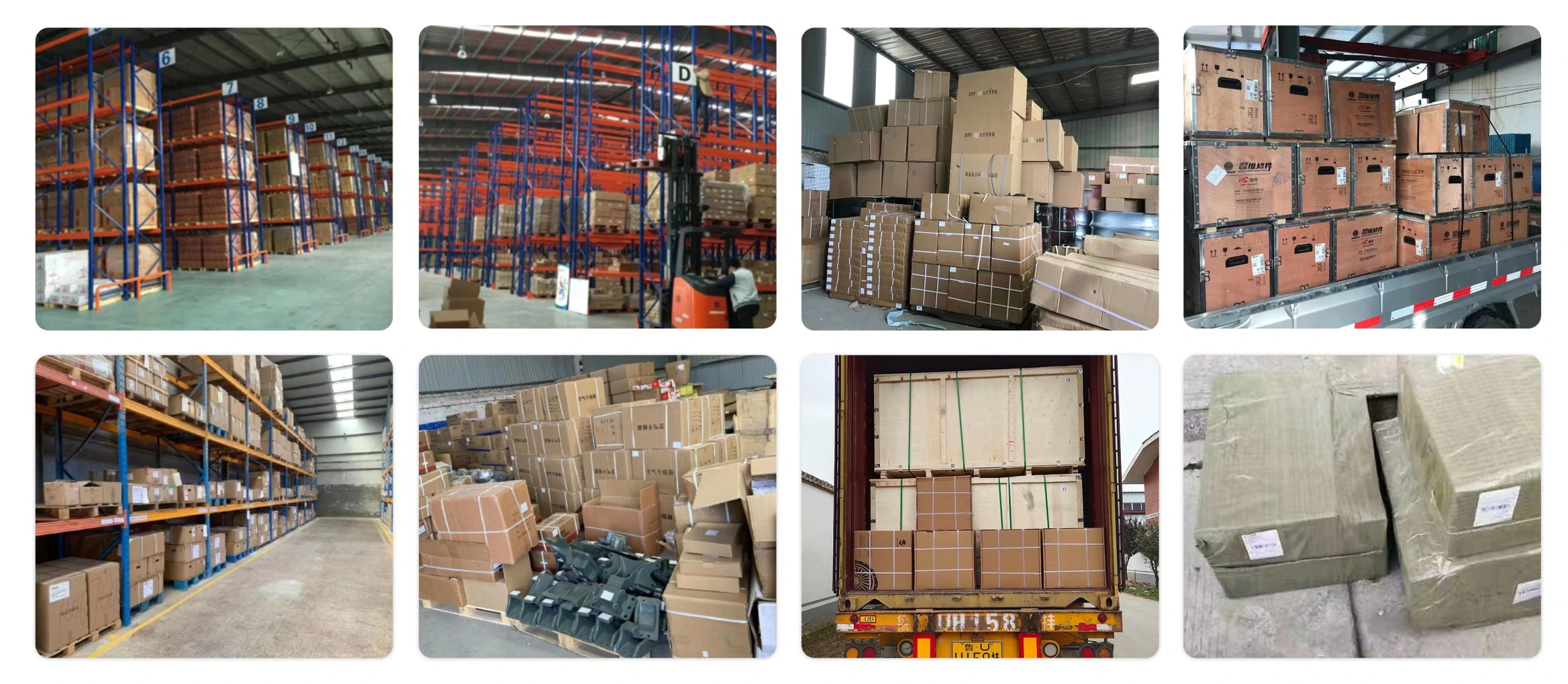
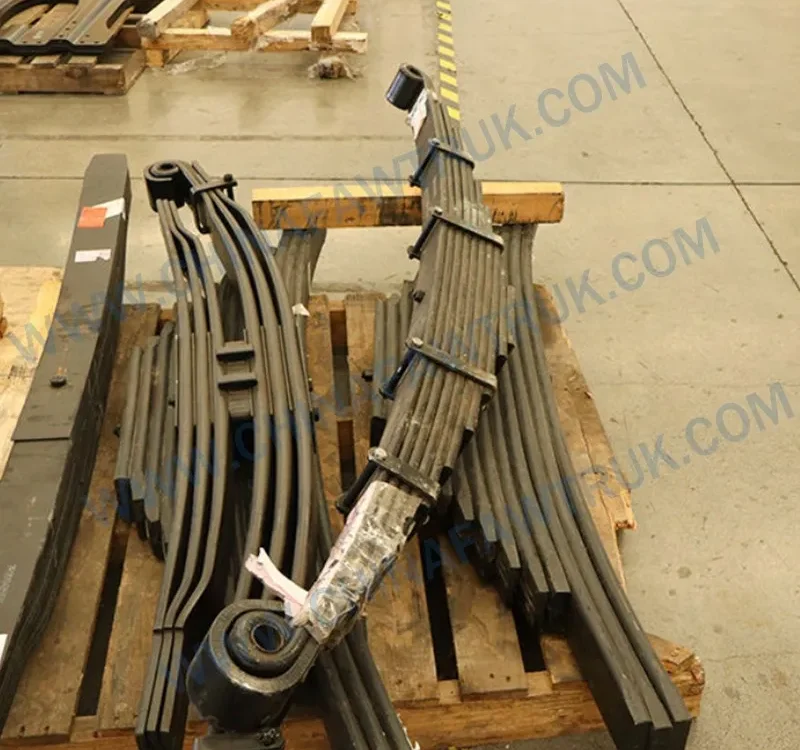
FAW parts, including the Cylinder Block Assembly, are packaged with care to ensure safe delivery. Each component is secured in protective materials to prevent damage during transit. The logistics network guarantees timely shipments worldwide, supporting efficient maintenance operations. Below is an image illustrating the standard packaging for FAW truck parts, showcasing the attention to detail in handling and storage.
This packaging approach minimizes the risk of corrosion or impact damage, ensuring that parts like the FAW Cylinder Block Assembly arrive in perfect condition. Customers can rely on FAW’s logistics for consistent quality and reliability.