FAW Russian Oil Collector: 9 Critical Components for Flawless Lubrication Hygiene
The FAW Russian Oil Collector is the essential filtration guardian for the CA3250P66K24L1TE5Z engine’s crankcase ventilation system. Designed to separate liquid oil from blow-by gases, this assembly prevents intake contamination and reduces oil consumption in extreme Arctic conditions. This guide dissects the collector unit, brackets, and seals required to maintain optimal engine breathing.

FAW Russian Oil Collector
Separation Dynamics: The Collector Assembly
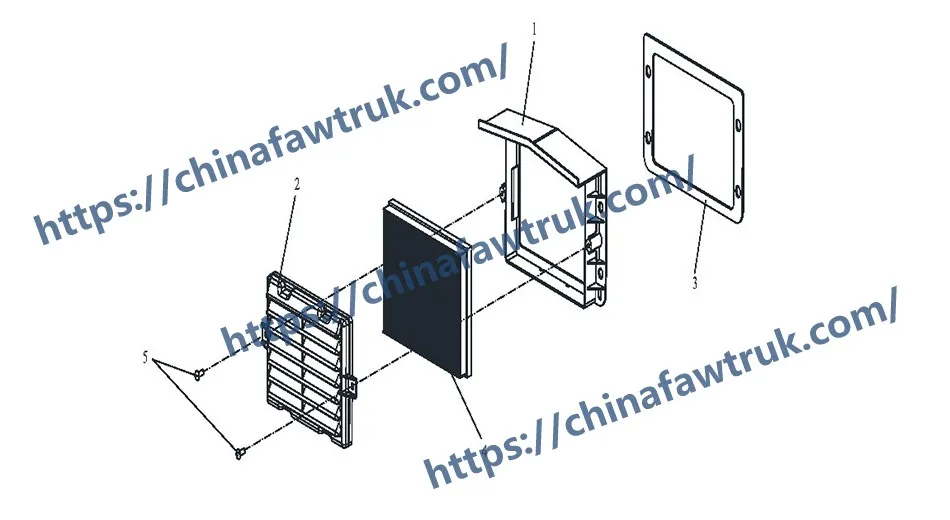
The functional heart of the system is the Oil Collector Assembly (Part No. 1010010-51B). Within the FAW Russian Oil Collector architecture, this component serves a vital role in emissions control and engine efficiency. As combustion occurs, high-pressure gases slip past the piston rings into the crankcase, carrying a mist of hot oil. The collector captures this mist, allowing the gas to vent while returning the liquid oil to the sump.
In the freezing temperatures of the Russian Federation, this process faces unique challenges. If the oil vapor condenses and freezes inside the ventilation lines, the crankcase pressure will spike, blowing out crankshaft seals. The FAW Russian Oil Collector is designed with specific internal baffling and volume capacity to ensure that gases flow freely even when the external temperature drops to -40°C, preventing dangerous ice blockages.
The material construction of the Oil Collector Assembly is a high-impact, heat-resistant composite or corrosion-treated metal. This ensures that it does not become brittle in the cold or warp under the intense heat of the engine block. Maintaining the structural integrity of the FAW Russian Oil Collector body is essential for preventing vacuum leaks that could upset the air-fuel mixture and degrade engine performance.
Rigid Mounting: Brackets and Vibration Control
The FAW Russian Oil Collector is subjected to the same intense vibration as the rest of the engine. To ensure it remains secure, the system utilizes a robust support network, principally the Fixing Bracket Assembly (Part No. 1010020-81D) and the Oil Collector Bracket (Part No. 1010017-51B). These steel brackets are engineered to triangulate the mounting points, preventing the collector from oscillating harmonically with the engine rpm.
If the mounting system were flexible, the heavy FAW Russian Oil Collector would vibrate, leading to fatigue cracks in the housing or the connecting hoses. In a dump truck application, where chassis shock loads are common, these brackets act as the primary structural anchor. They are typically coated with zinc or phosphate to resist the corrosive road salts found on Russian highways.
Proper alignment of the Fixing Bracket Assembly is critical during installation. If the bracket is bent or misaligned, it will preload the FAW Russian Oil Collector housing, inducing stress that will eventually cause a rupture. Fleet maintenance teams must inspect these brackets for cracks or corrosion during every major service interval to ensure the collector remains firmly attached to the block.
Sealing the System: Gaskets and Surfaces
The interface between the collector and the engine block is sealed by the Gasket – Oil Collector (Part No. 1010012-53D). In the FAW Russian Oil Collector system, this gasket plays a dual role: keeping oil in and keeping contaminants out. A leak here allows dirty, unfiltered air to be drawn into the crankcase under vacuum, accelerating engine wear.
The material formulation of this gasket is critical for Arctic operations. Standard paper or cork gaskets can shrink and harden in extreme cold, losing their sealing properties. The FAW Russian Oil Collector utilizes a specialized elastomer or fiber composite that retains its recovery properties (elasticity) even when the engine cycles from freezing to operating temperature.
Maintenance protocols for the FAW Russian Oil Collector dictate that this gasket is a single-use item. Once compressed, it takes a permanent set. Reusing an old gasket will almost guarantee an oil leak, creating a mess on the side of the engine and potentially dripping onto hot exhaust components. A clean, dry mating surface is essential for the gasket to perform its function.
Secure Retention: Specialized Fasteners
Securing the FAW Russian Oil Collector requires a specific combination of fasteners to ensure uniform clamping pressure. The assembly uses the Combination Bolt (Part No. CQ1460840), which typically integrates a washer to prevent loosening under vibration. This feature is vital for components mounted directly to a vibrating diesel engine block.
Additionally, the system employs various lengths of Hexagon Flange Bolts, including Part Nos. Q1841020, Q1840820, and the corresponding Hexagon Flange Nut (Part No. CQ39608). The flange head design distributes the torque load over a wider area of the FAW Russian Oil Collector housing, preventing the plastic or composite material from cracking around the bolt holes.
Torque control is paramount when installing these fasteners. Over-tightening can crush the metal bushings or crack the housing of the FAW Russian Oil Collector, while under-tightening leads to leaks and lost hardware. Using a calibrated torque wrench ensures that the clamping force is sufficient to compress the gasket without damaging the structural components of the assembly.
Component Breakdown List
The following table details the specific components for the FAW Russian Oil Collector. Fleet managers should verify these part numbers to ensure compatibility with the cold-weather specification of the CA3250P66K24L1TE5Z dump truck.
| No. |
Part Number |
Part Name |
Qty |
| 1 |
CQ1460840 |
Combination Bolt |
2 |
| 2 |
1010010-51B |
Oil Collector Assembly |
1 |
| 3 |
1010012-53D |
Gasket – Oil Collector |
1 |
| 4 |
1010020-81D |
Fixing Bracket Assembly |
1 |
| 5 |
Q1841020 |
Hexagon Flange Bolt (Coarse Shank/Standard) |
2 |
| 6 |
Q1840820 |
Hexagon Flange Bolt (Coarse Shank/Standard) |
1 |
| 7 |
Q1840820 |
Hexagon Flange Bolt (Coarse Shank/Standard) |
1 |
| 8 |
CQ39608 |
Hexagon Flange Nut |
1 |
| 9 |
1010017-51B |
Oil Collector Bracket |
1 |
Maintenance Protocols for Clean Operations
Proactive maintenance of the FAW Russian Oil Collector involves checking for sludge accumulation. In cold, short-trip operations, moisture can mix with oil to form a thick, white “mayonnaise” substance. This sludge can block the internal passages of the collector, leading to excessive crankcase pressure and oil leaks at the dipstick or main seals. Periodic cleaning with solvent is recommended.
Inspect the rubber hoses connected to the FAW Russian Oil Collector for signs of collapsing or cracking. A collapsed hose restricts the vacuum flow, reducing the efficiency of the separation process. Cracks allow unmetered air into the intake, potentially causing a lean running condition. Ensuring these connections are tight is part of the basic health check for this system.
Finally, verify the integrity of the Oil Collector Bracket. Vibration fatigue can cause these brackets to crack near the mounting holes. A loose collector puts strain on the fragile fluid connections. If a bracket is found to be cracked, it must be replaced immediately to prevent the FAW Russian Oil Collector from breaking loose and damaging adjacent engine components.
Conclusion: Essential Hygiene for the Engine
The FAW Russian Oil Collector is a critical component for maintaining engine hygiene and efficiency. By effectively separating oil from blow-by gases, it prevents carbon buildup on intake valves and turbocharger impellers. Every part, from the specialized gasket to the robust mounting brackets, is engineered to function in the harsh thermal environment of the Russian winter.
For fleet owners, neglecting this system can lead to increased oil consumption and seal failures. Using genuine FAW parts for the FAW Russian Oil Collector ensures that the materials can withstand the chemical aggression of engine oil and the physical stress of extreme cold. Investing in proper maintenance of this assembly keeps your CA3250P66K24L1TE5Z cleaner, more efficient, and on the road longer.
Packaging and Logistics
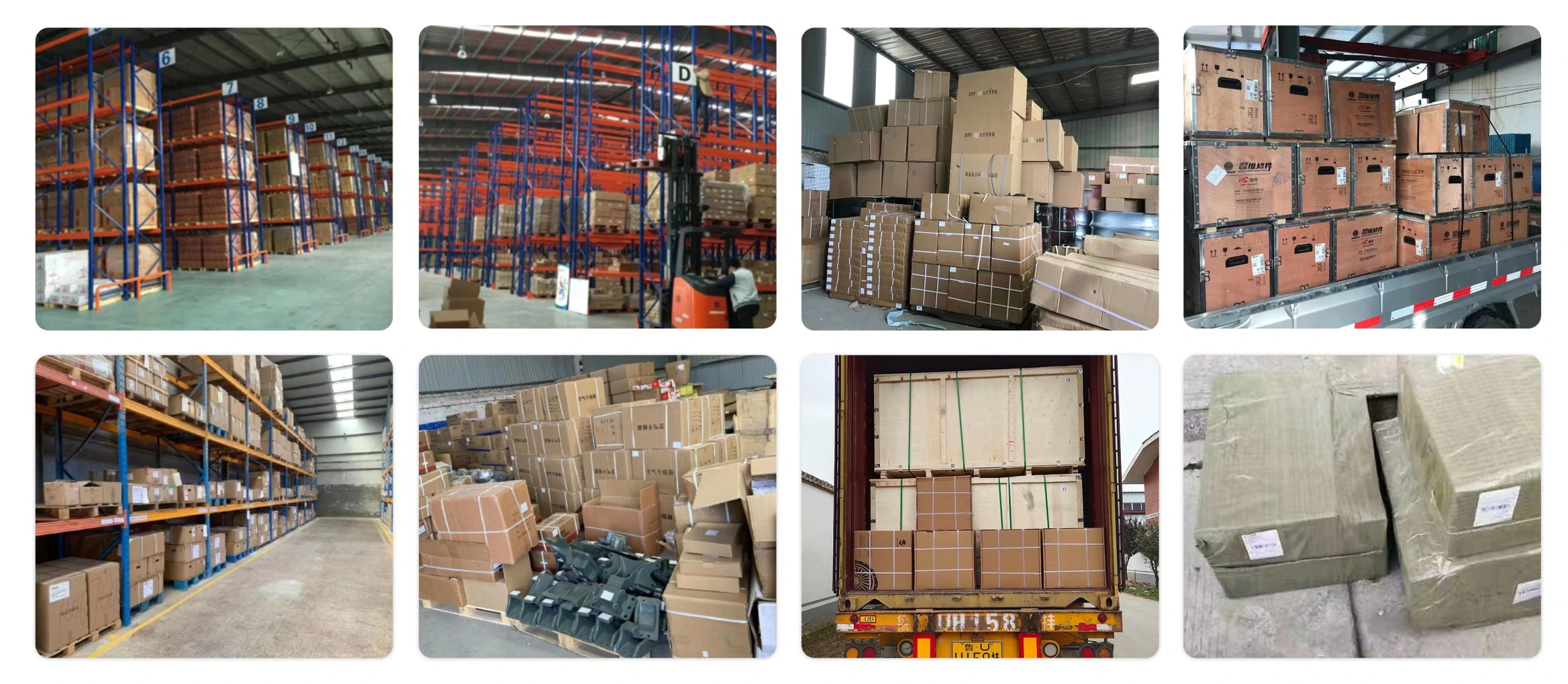
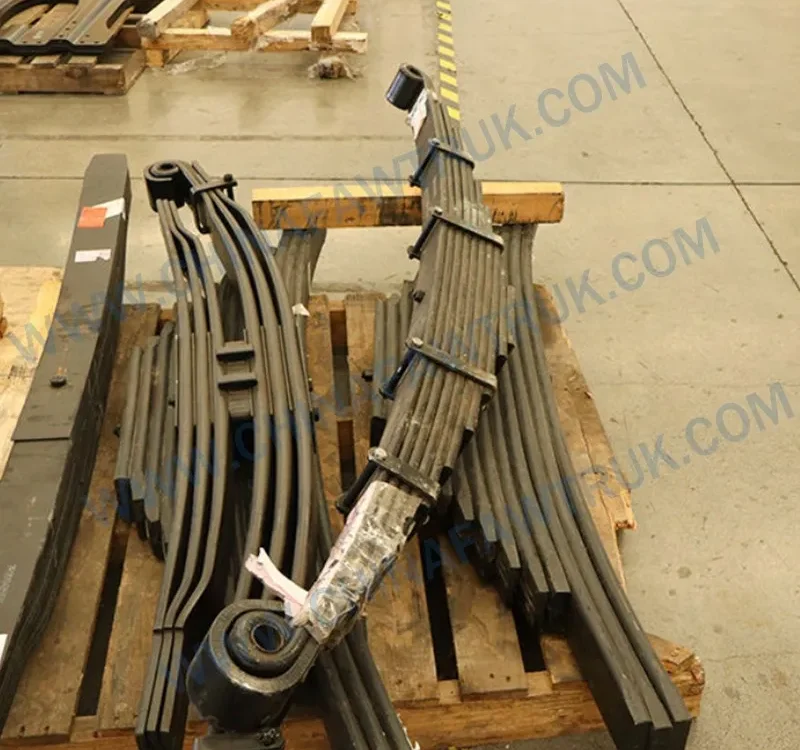
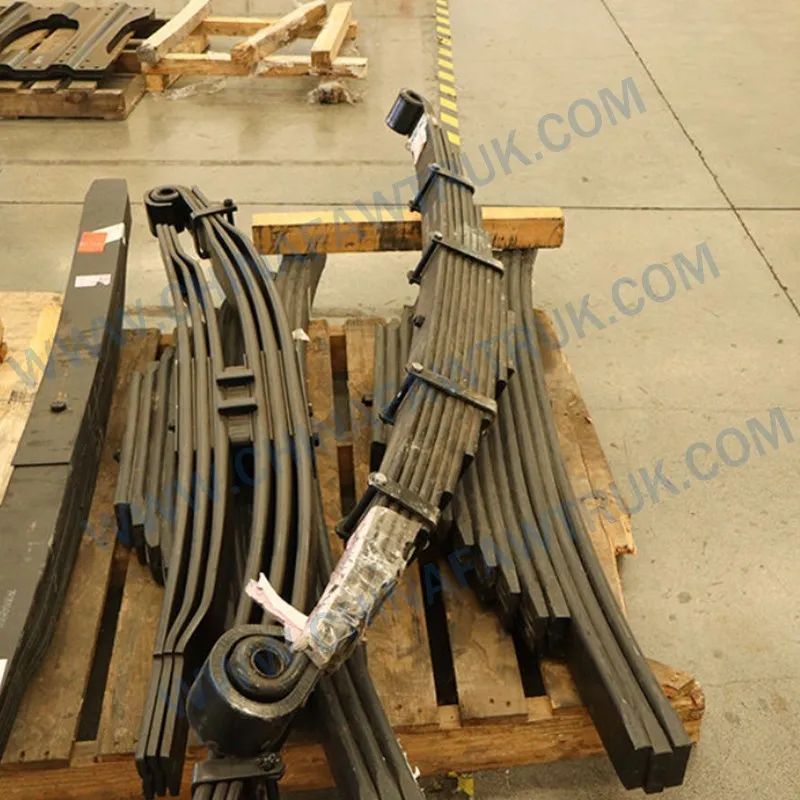
FAW parts, including the Cylinder Block Assembly, are packaged with care to ensure safe delivery. Each component is secured in protective materials to prevent damage during transit. The logistics network guarantees timely shipments worldwide, supporting efficient maintenance operations. Below is an image illustrating the standard packaging for FAW truck parts, showcasing the attention to detail in handling and storage.
This packaging approach minimizes the risk of corrosion or impact damage, ensuring that parts like the FAW Cylinder Block Assembly arrive in perfect condition. Customers can rely on FAW’s logistics for consistent quality and reliability.