FAW Russian Exhaust Manifold Logic: 8 Critical Components Mastering Arctic Thermal Expansion
The FAW Russian Exhaust Manifold Logic is the dedicated thermal evacuation system for the CA3250P66K24L1TE5Z engine. Engineered to bridge the gap between -40°C start-ups and 700°C exhaust gases, this segmented assembly manages expansion without fracturing. This guide details the metallurgy and fastening strategy required to maintain emissions integrity in the Russian Federation.

FAW Russian Exhaust Manifold Logic
Modular Design: Accommodating Thermal Growth
The FAW Russian Exhaust Manifold Logic deliberately rejects the monolithic single-piece casting design found in lighter vehicles. Instead, it utilizes a sophisticated segmented architecture comprising separate manifold sections. This includes one Exhaust Manifold (II) (Part No. 1008042-81D) and two units of Exhaust Manifold (I) (Part No. 1008041-81D). This configuration is a core tenet of the design philosophy used by FAW engineers.
When a massive inline-six diesel engine works under load in the Russian winter, the temperature differential is extreme. A single long manifold would expand significantly along its longitudinal axis, creating shear forces strong enough to snap mounting studs. The segmented design of the FAW Russian Exhaust Manifold Logic allows each section to expand and contract independently, effectively neutralizing these destructive stress concentrations before they can cause damage.
The connection points between these segments are sealed by the Exhaust Pipe Sealing Ring (Part No. 1008043-29D). These rings act as slip joints, maintaining a gas-tight seal while permitting axial movement between the manifold sections. This flexibility is crucial for preventing exhaust leaks, which not only reduce turbocharger efficiency but can also introduce dangerous fumes into the truck cabin.
Material selection for these components involves high-silicon molybdenum cast iron. This alloy provides exceptional resistance to oxidation and thermal cycling. In the context of the FAW Russian Exhaust Manifold Logic, the material must withstand rapid quenching—such as when a hot truck drives through a freezing river crossing—without suffering from brittle fracture or warping that would compromise the gasket surface.
Interface Integrity: Gaskets and Surface Science
Creating a seal against the cylinder head is the responsibility of the Exhaust Manifold Gasket (Part No. 1008044A81D). There are six of these individual gaskets, one for each exhaust port. The FAW Russian Exhaust Manifold Logic specifies individual gaskets rather than a single strip to eliminate the risk of “gasket walk” caused by thermal expansion differences along the length of the cylinder head.
These gaskets are typically constructed from multi-layer stainless steel (MLS) or a graphite-metal composite. They must possess significant recovery properties. As the engine heats up, the gap between the manifold and head changes; the gasket must spring back to fill this void and prevent exhaust gas blow-by, which ensures that all energy is directed to the turbine wheel.
A failure in the Exhaust Manifold Gasket leads to “pitting” of the cylinder head surface. High-velocity, superheated exhaust gases escaping through a small leak act like a cutting torch, eroding the metal. Once this erosion occurs, simply replacing the gasket is insufficient; the head must be removed and machined to restore a flat surface.
Therefore, maintenance protocols demand that these gaskets be replaced every time the manifold is loosened. Reusing them is a false economy that jeopardizes the expensive cylinder head casting. This strict adherence to gasket hygiene is a cornerstone of the FAW Russian Exhaust Manifold Logic maintenance schedule.
Fastening Dynamics: Sleeves and Expansion Bolts
The mounting hardware for the system is highly specialized. It utilizes a combination of the Exhaust Pipe Fastening Bolt (Part No. 1008049-53D) and a dedicated spacer known as the Sleeve – Exhaust Pipe Bolt (Part No. 1008047-53D). This unique arrangement is critical to the FAW Russian Exhaust Manifold Logic and differentiates it from standard bolt-on manifolds.
The sleeve acts as a thermal buffer and a length-extender for the clamping load. By increasing the effective length of the bolt assembly, the engineering design introduces more elasticity into the joint. This allows the bolt to stretch slightly as the manifold expands thermally, maintaining clamp load without yielding or snapping under the immense pressure.
Without the Sleeve – Exhaust Pipe Bolt, the short, stiff connection would be overwhelmed by the expansion force of the cast iron manifold. This would lead to sheared bolt heads, a nightmare repair requiring drilling and extraction in a tight engine bay. The sleeves ensure that the bolt remains within its elastic limit throughout the engine’s operating cycle.
The bolts themselves are manufactured from high-nickel or stainless alloys to resist seizing. In the corrosive, high-heat environment of the FAW Russian Exhaust Manifold Logic, standard steel bolts would fuse to the cylinder head threads within months. This attention to fastener metallurgy ensures that the manifold can be serviced years down the line without thread damage.
Heat Containment: The Manifold Shield
Radiant heat is a silent destroyer of engine components. The Exhaust Manifold Shield (Part No. 1008061-81D) is installed to contain the intense infrared radiation emitted by the glowing manifolds. In the FAW Russian Exhaust Manifold Logic, this shield protects adjacent rubber hoses, plastic wiring harnesses, and fuel lines from drying out and cracking due to heat exposure.
Secured by four Hexagon Flange Bolts (Part No. Q1840816), the shield also helps retain heat energy within the exhaust stream. This thermal retention improves the efficiency of the turbocharger, which relies on the expansion energy of hot gases to spool up quickly. Keeping the heat inside the pipe equals better throttle response and fuel economy.
Operating without the Exhaust Manifold Shield in the Russian Arctic creates a dangerous variable. The cold ambient air rushing over the exposed manifold can cause rapid surface cooling, leading to stress cracks. Simultaneously, nearby components could be melted by the unshielded radiation during high-load climbs, making the shield a vital safety component.
Component Breakdown List
The following table lists the precise components for the FAW Russian Exhaust Manifold Logic. Fleet maintenance teams should verify these part numbers to ensure the thermal expansion characteristics of the replacement parts match the OEM specification for the CA3250P66K24L1TE5Z.
| No. |
Part Number |
Part Name |
Qty |
| 1 |
1008042-81D |
Exhaust Manifold (II) |
1 |
| 2 |
1008041-81D |
Exhaust Manifold (I) |
2 |
| 3 |
1008044A81D |
Exhaust Manifold Gasket |
6 |
| 4 |
1008043-29D |
Exhaust Pipe Sealing Ring |
4 |
| 5 |
1008047-53D |
Sleeve – Exhaust Pipe Bolt |
12 |
| 6 |
1008049-53D |
Exhaust Pipe Fastening Bolt |
12 |
| 7 |
1008061-81D |
Exhaust Manifold Shield |
1 |
| 8 |
Q1840816 |
Hexagon Flange Bolt (Coarse Shank/Standard) |
4 |
Diagnostic Protocols for Exhaust Integrity
Diagnosing issues with the FAW Russian Exhaust Manifold Logic begins with listening. A “ticking” sound upon cold start that disappears as the engine warms up is the classic symptom of a failed gasket or a cracked manifold. The noise quiets down because the metal expands, sealing the crack temporarily, but the underlying damage remains.
Visual inspection is equally important. Look for black soot deposits around the mounting flanges or the slip joints sealed by the Exhaust Pipe Sealing Ring. Soot indicates a leak where exhaust gases are escaping. This is not just a noise issue; leaks before the turbocharger reduce boost pressure, causing low power and high exhaust gas temperatures (EGTs) that can melt pistons.
Check the torque on the Exhaust Pipe Fastening Bolt fasteners annually. However, do not simply tighten them with an impact gun. Due to the thermal cycling of the FAW Russian Exhaust Manifold Logic, these bolts can become brittle. It is often safer to check for looseness by hand. If a bolt is missing or the head has sheared off, the manifold must be removed to extract the stud properly.
Finally, inspect the Exhaust Manifold Shield for vibration cracks. A loose shield will rattle, mimicking internal engine damage. Ensure its mounting bolts are secure to prevent it from chafing against coolant hoses, keeping the FAW Russian Exhaust Manifold Logic system safe and functional.
Conclusion: Managing Extreme Heat
The FAW Russian Exhaust Manifold Logic is a sophisticated solution to a complex thermal problem. By breaking the manifold into segments and utilizing advanced slip joints, FAW ensures that the engine can breathe freely without tearing itself apart under thermal stress.
Every component, from the spacer Sleeve to the specific alloy of the casting, is chosen for its ability to survive the 700°C environment of the FAW Russian Exhaust Manifold Logic. Substituting these with generic parts that lack the correct thermal expansion coefficients invites disaster.
For fleet owners operating in the Russian Federation, maintaining the integrity of this exhaust system is key to fuel efficiency and engine longevity. Use genuine parts, respect the torque specifications, and your fleet will continue to operate reliably through the coldest winters with the full protection of the FAW Russian Exhaust Manifold Logic.
Packaging and Logistics
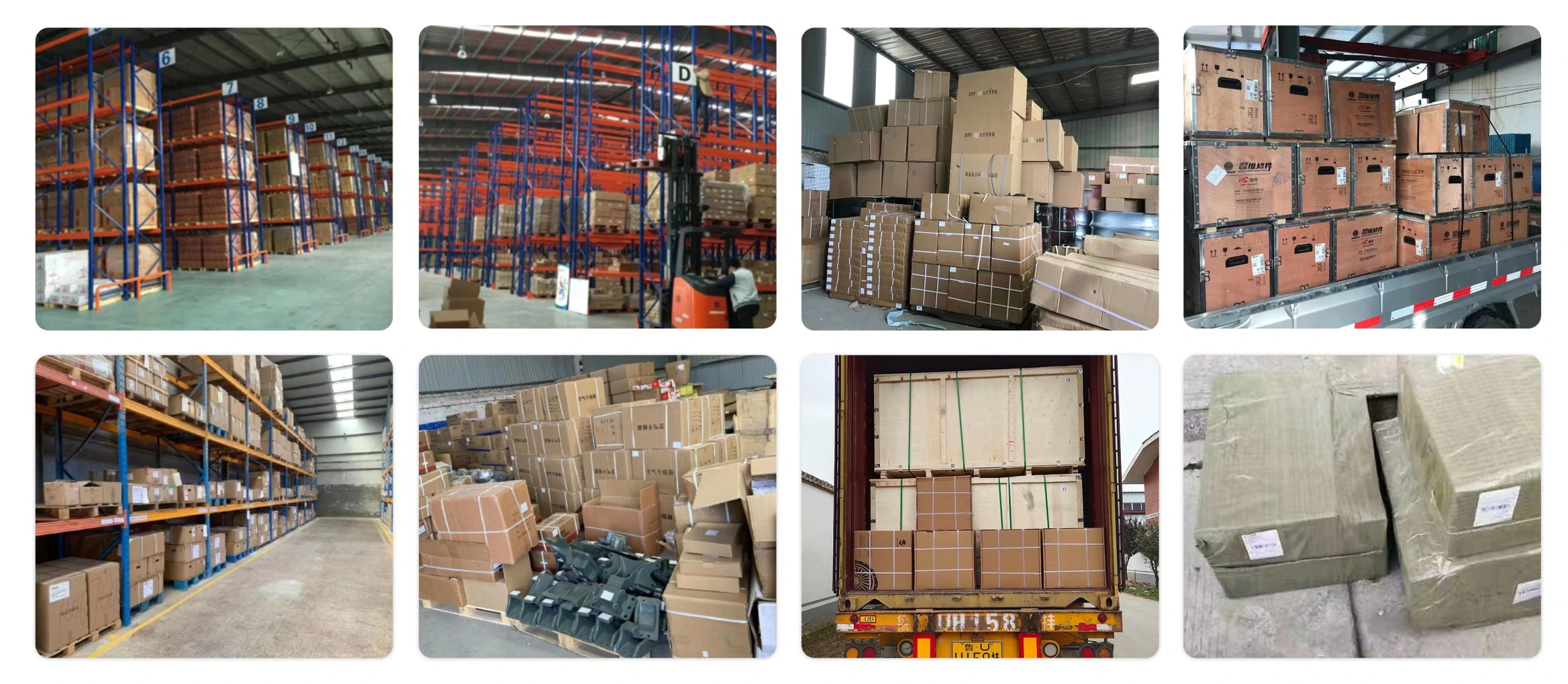
FAW parts, including the Cylinder Block Assembly, are packaged with care to ensure safe delivery. Each component is secured in protective materials to prevent damage during transit. The logistics network guarantees timely shipments worldwide, supporting efficient maintenance operations. Below is an image illustrating the standard packaging for FAW truck parts, showcasing the attention to detail in handling and storage.
This packaging approach minimizes the risk of corrosion or impact damage, ensuring that parts like the FAW Cylinder Block Assembly arrive in perfect condition. Customers can rely on FAW’s logistics for consistent quality and reliability.