Mola dianteira russa FAW: Engenharia 18 Camadas elásticas para suspensão ártica superior
O Mola dianteira russa FAW a montagem é a interface de suspensão primária para o caminhão basculante CA3250P66K24L1TE5Z, encarregado de isolar o chassi da topografia brutal das estradas de mineração da Sibéria. Projetado com um especialista “55R” metalurgia criogênica, este pacote de múltiplas folhas fornece o equilíbrio crítico entre a rigidez de suporte de carga e a articulação dinâmica necessária a -50°C. Este guia técnico explora a arquitetura de nascente graduada, a lógica de fixação de alta tensão, e os mecanismos de amortecimento que definem este sistema resistente.

Mola dianteira russa FAW
Metalurgia e Dinâmica da Pilha de Folhas
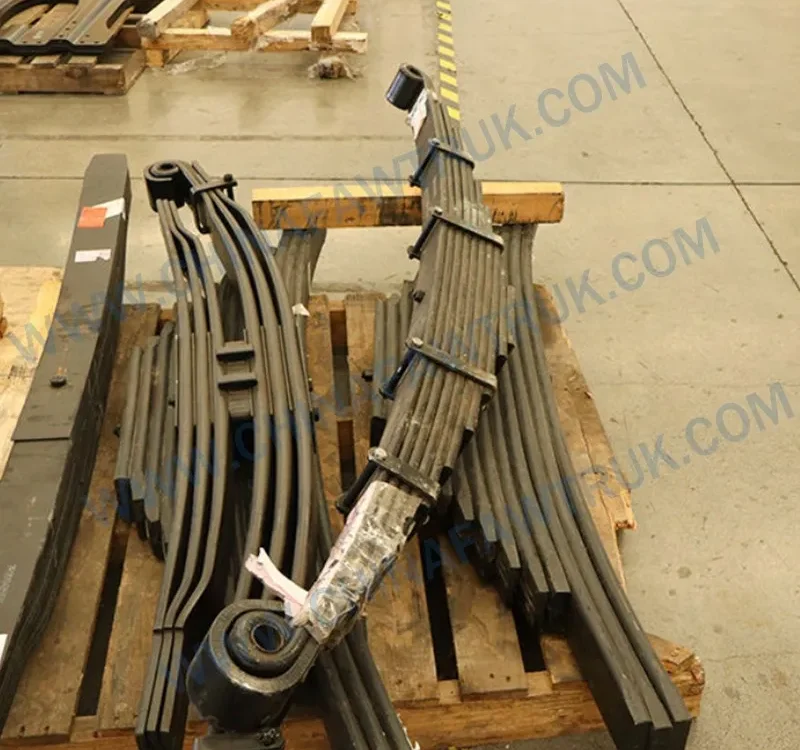
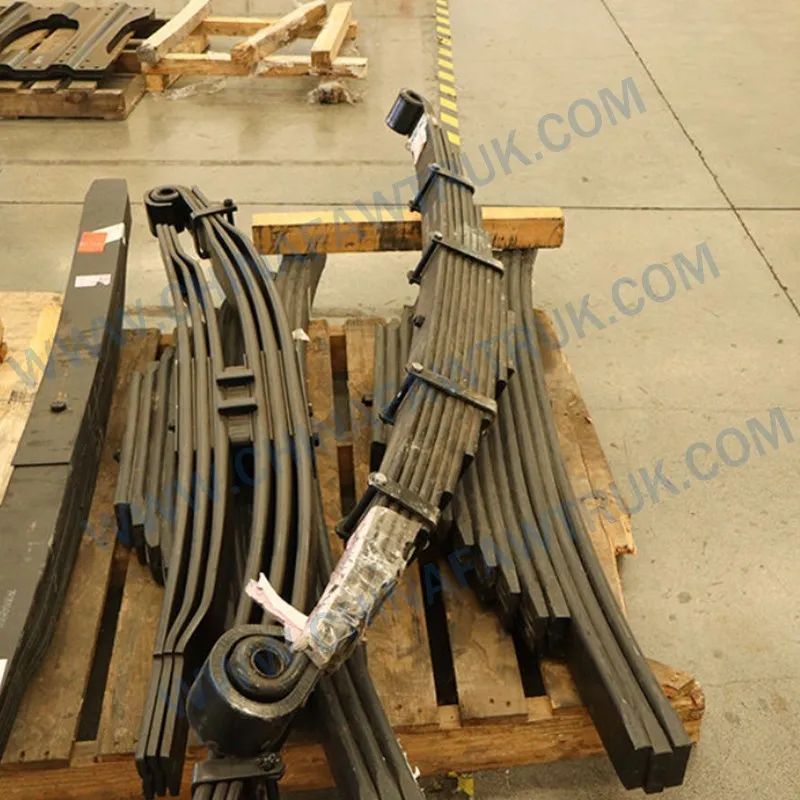
O núcleo do sistema de suspensão é o Mola dianteira russa FAW conjunto (Parte não. 2902010-55R). Esta unidade é composta por nove placas de aço distintas, graduado em comprimento para criar uma taxa parabólica de resistência. A pilha começa com a Primeira Folha – Mola da folha frontal (Parte não. 2902201-55R), que atua como folha mestra apresentando os olhais de mola para fixação do chassi. É apoiado pela Segunda Folha (Parte não. 2902202-55R) até a Nona Folha (Parte não. 2902211-55R). No Mola dianteira russa FAW configuração, essas placas são forjadas a partir de uma liga de aço de manganês com alto teor de silício que é tratada termicamente para resistir à fragilização por hidrogênio - uma causa comum de falha de mola em ambientes extremamente frios.
O atrito entre folhas dentro do Mola dianteira russa FAW pilha fornece um efeito de amortecimento natural, absorvendo as vibrações da estrada de alta frequência antes que cheguem aos amortecedores. O “55R” A designação indica um processo de revenimento específico que garante que o aço mantenha seu limite de elasticidade mesmo quando a temperatura ambiente cai abaixo de zero. As molas padrão geralmente rompem sob cargas de choque nessas condições, mas o Mola dianteira russa FAW foi projetado para flexionar profundamente, absorvendo a energia cinética de um caminhão basculante totalmente carregado atingindo um sulco congelado sem ceder permanentemente.
Mantendo o alinhamento dessas nove folhas está o Parafuso Central – Mola da folha frontal (Parte não. 2902161-364). Este parafuso é mais do que apenas um fixador; ele atua como pino de cisalhamento para o eixo. Ele localiza a carcaça do eixo em relação ao pacote de molas. Se o Mola dianteira russa FAW parafuso central fosse cisalhar, o eixo mudaria na mola, causando “rastreamento de cães” e grave instabilidade. O projeto FAW usa um aço de alta resistência para que este parafuso suporte as imensas forças de cisalhamento horizontais geradas durante frenagens bruscas no gelo.
Para reduzir o atrito e o ruído, a montagem provavelmente utiliza almofadas anti-rangido entre as folhas (implícito na lógica geral de design do Mola dianteira russa FAW). A lubrificação adequada e a integridade dessas superfícies entre folhas são cruciais. Se a ferrugem se acumular entre as folhas do Mola dianteira russa FAW, o pacote efetivamente se torna um bloco sólido de aço, perdendo sua capacidade de suspensão e transmitindo cargas de choque prejudiciais diretamente aos trilhos da estrutura do chassi.
Força de fixação e tecnologia U-Bolt
O apego do Mola dianteira russa FAW ao eixo é conseguido através de uma enorme força de fixação fornecida pelos parafusos em U. O sistema usa dois perfis distintos de parafuso em U: parafuso em U – Mola da folha frontal (Parte não. 2902411-55R) e parafuso em U – Mola da folha frontal (Parte não. 2902412-55R). A diferença nos números das peças sugere uma geometria específica adaptada ao formato diferencial da carcaça do eixo ou aos requisitos da cunha do rodízio. Esses parafusos em U são os fixadores mais críticos na suspensão; eles se esticam elasticamente durante a instalação para fornecer uma carga de fixação permanente que mantém o Mola dianteira russa FAW firmemente contra o assento do eixo.
Proteger esses parafusos em U requer a porca – Parafuso em U de fixação (Parte não. 2902413-76A) e a lavadora – Parafuso em U de fixação (Parte não. 2912413-41A). Estes não são hardware padrão; as nozes são profundamente enfiadas, fixadores de alta qualidade projetados para lidar com configurações de torque que muitas vezes excedem 400 Nm. As arruelas são endurecidas para evitar que sejam esmagadas ou quebradas sob esta imensa carga. No Mola dianteira russa FAW sistema, manter o torque do parafuso em U é vital. Se as porcas se soltarem, o pacote de molas flexionará no orifício central do parafuso, levando à quebra inevitável das folhas perto do ponto de montagem.
A interface entre os parafusos em U e a mola é gerenciada pela placa de cobertura – Mola da folha frontal (Parte não. 2902406-40B1). Esta fundição distribui a força descendente dos parafusos em U uniformemente ao longo da largura da folha superior, evitando concentrações de tensão que poderiam rachar o aço. Adicionalmente, a almofada – Mola da folha frontal (Parte não. 2902432-40) funciona como um amortecedor, provavelmente posicionado entre a mola e o eixo ou placa de cobertura, para reduzir a transmissão de ruído de alta frequência e acomodar pequenas irregularidades de superfície, garantindo o Mola dianteira russa FAW assentos perfeitamente.
Reapertando o Mola dianteira russa FAW Os parafusos em U são um procedimento de manutenção obrigatório. No frio ambiente russo, a contração térmica dos parafusos de aço pode levar a uma perda de pré-carga. Os operadores de frota são aconselhados a verificar estes fixadores após a primeira 1,000 km e depois em intervalos regulares de manutenção. Um parafuso em U solto é a principal causa de Mola dianteira russa FAW falha, tornando esta verificação simples uma atividade de alto valor para evitar tempo de inatividade.
Controle de alinhamento e recuperação
Enquanto os parafusos em U suportam a carga vertical, a integridade da pilha de folhas durante a recuperação (quando a roda cai em um buraco) é mantido pelos grampos. O Mola dianteira russa FAW utiliza a braçadeira – Mola de Folha Auxiliar 9ª Folha (Parte não. 2913132-243) e a braçadeira – Mola de Lâmina Auxiliar 5ª Folha (Parte não. 2913131-243). Esses grampos envolvem o pacote de folhas para evitar que as folhas individuais se espalhem lateralmente ou se separem verticalmente durante a articulação extrema. Sem essas pinças, o Mola dianteira russa FAW perderia sua coerência estrutural em terrenos acidentados.
A montagem destas pinças envolve espaçadores de precisão, especificamente o espaçador – Braçadeira de mola frontal (Parte não. 2912171-03). Esses espaçadores garantem que o parafuso de fixação seja apertado contra um batente sólido, permitindo que as folhas deslizem longitudinalmente à medida que se achatam sob carga, mas restringindo a separação vertical. Se os grampos estiverem muito apertados, eles ligam o Mola dianteira russa FAW, causando uma viagem dura; se estiver muito solto, eles chacoalham e permitem o desalinhamento das folhas. O tubo espaçador garante que a folga perfeita seja mantida automaticamente.
Os pontos de articulação da mola são revestidos para permitir a rotação. A lista inclui a bucha – Mola da folha traseira (Parte não. 2912121-03) (Observação: frequentemente compartilhado com a manilha traseira da mola dianteira). Essas buchas atuam como superfície de apoio para os pinos elásticos. No abrasivo, lama arenosa de uma mina, essas buchas se desgastam com o tempo. O Mola dianteira russa FAW usa buchas de bronze ou bimetálicas de alta qualidade que oferecem vida útil prolongada e resistência a batidas sob cargas de impacto.
Os grampos são fixados usando o parafuso de cabeça sextavada (Parte não. CQ15010115) e a porca hexagonal fina (Parte não. CQ35010). O uso de uma porca fina aqui atua como uma contraporca ou contraporca, mantendo a montagem compacta para evitar interferência com outros componentes do chassi. O rebite de cabeça redonda (Parte não. Q4501024) provavelmente é usado para fixar permanentemente o suporte de fixação à placa de folha específica (Por exemplo, as folhas 5 e 9). Esta fixação permanente garante que os grampos permaneçam na posição correta ao longo do comprimento do Mola dianteira russa FAW, fornecendo suporte consistente.
Manutenção e Inspeção do Ártico
Mantendo o Mola dianteira russa FAW requer vigilância. No frio extremo, o aço se torna sensível ao entalhe. Quaisquer arranhões profundos ou corrosão no lado de tensão da folha (a superfície inferior) pode se tornar o ponto de partida para um crack. Limpeza regular e inspeção visual do Mola dianteira russa FAW pilha para rachaduras, particularmente perto dos parafusos em U e olhais de mola, é essencial. Uma folha quebrada transfere mais estresse para as folhas restantes, levando a uma falha em cascata de todo o pacote se não for tratada imediatamente.
A condição da bucha (Parte não. 2912121-03) deve ser verificado forçando o olho da mola. Folga excessiva indica desgaste que levará a uma direção vaga e ao desalinhamento dos pneus. A substituição dessas buchas é uma maneira econômica de restaurar a precisão de manuseio do CA3250P66K24L1TE5Z. Além disso, verificando a porca sextavada (Parte não. CQ34114) no parafuso central garante que o pacote permaneça apertado.
Finalmente, o Mola dianteira russa FAW deve ser tratado como um sistema correspondente. Ao substituir folhas, é fundamental usar peças genuínas FAW com o “55R” sufixo. As molas de reposição podem ter as dimensões corretas, mas não possuem o tratamento térmico específico e a composição da liga necessária para operação a -50°C. Usando aço inferior no Mola dianteira russa FAW a montagem é um risco à segurança, pois a fratura frágil em velocidades de rodovia pode levar à perda de controle do veículo.
Divisão de Componentes: Conjunto lógico de mola frontal
| Não. |
Número da peça |
Nome da peça |
Quantidade |
| 1 | 2902413-76A | Noz – Parafuso em U de fixação | 4 |
| 2 | 2912413-41A | Máquina de lavar – Parafuso em U de fixação | 4 |
| 3 | 2902411-55R | parafuso em U – Mola da folha frontal | 1 |
| 4 | 2902412-55R | parafuso em U – Mola da folha frontal | 1 |
| 5 | 2902406-40B1 | Placa de cobertura – Mola da folha frontal | 1 |
| 6 | 2902432-40 | Almofada – Mola da folha frontal | 1 |
| 7 | 2902010-55R | Conjunto da mola da folha frontal | 1 |
| 7-1 | 2902201-55R | Mola de Folha Dianteira 1ª Folha | 1 |
| 7-2 | 2902202-55R | Mola da Folha Dianteira 2ª Folha | 1 |
| 7-3 | 2902203-55R | Mola da Folha Dianteira 3ª Folha | 1 |
| 7-4 | 2902204-55R | Mola Dianteira 4ª Folha | 1 |
| 7-5 | 2902206-55R | Mola Dianteira 5ª Folha | 1 |
| 7-6 | 2902207-55R | Mola Dianteira 6ª Folha | 1 |
| 7-7 | 2902208-55R | Mola Dianteira 7ª Folha | 1 |
| 7-8 | 2902209-55R | Mola Dianteira 8ª Folha | 1 |
| 7-9 | 2902211-55R | Mola Dianteira 9ª Folha | 1 |
| 7-10 | 2913132-243 | Braçadeira – Mola de Folha Auxiliar 9ª Folha | 2 |
| 7-11 | CQ15010115 | Parafuso de cabeça hexadecimal | 4 |
| 7-12 | 2913131-243 | Braçadeira – Mola de Lâmina Auxiliar 5ª Folha | 2 |
| 7-13 | CQ35010 | Porca Hexagonal Fina | 4 |
| 7-14 | 2912171-03 | Espaçador – Braçadeira de mola frontal | 4 |
| 7-15 | CQ34114 | Noz hexadecimal | 1 |
| 7-16 | 2902161-364 | Parafuso Central – Mola da folha frontal | 1 |
| 7-17 | 2912121-03 | Casquilho – Spring Leaf | 2 |
| 7-18 | Q4501024 | Rebite de cabeça redonda | 4 |
Conclusão: Confiabilidade da Suspensão
O Mola dianteira russa FAW montagem é mais do que apenas um conjunto de placas de metal; é o elo crítico entre a estrada e a carga. Projetado para suportar os extremos térmicos e mecânicos do setor de mineração russo, sua confiabilidade é fundamental para a segurança do veículo. Da liga específica das folhas à alta resistência à tração dos parafusos em U, cada componente é projetado para funcionar como um sistema unificado.
Para gerentes de frota, a adesão estrita aos cronogramas de manutenção - especificamente o reaperto dos parafusos em U e a inspeção da separação das folhas - é a melhor defesa contra falhas da suspensão. Ao investir em peças genuínas FAW para o Mola dianteira russa FAW, os operadores garantem que seus caminhões mantenham a altura de deslocamento especificada de fábrica, características de manuseio, e capacidade de carga, garantindo produtividade contínua nos ambientes mais adversos do planeta.
Embalagem e Logística
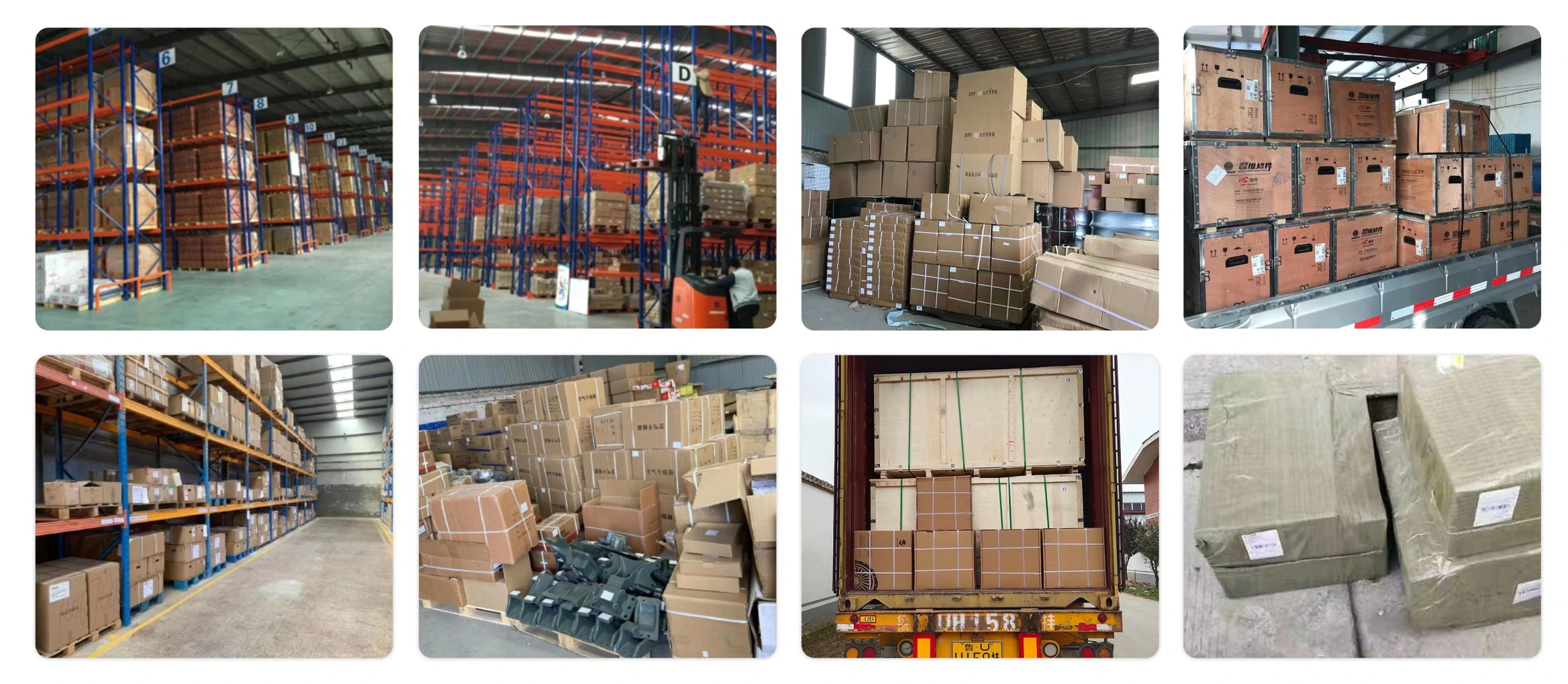
Peças FAW, incluindo o conjunto do bloco de cilindros, são embalados com cuidado para garantir uma entrega segura. Cada componente é protegido por materiais de proteção para evitar danos durante o transporte. A rede logística garante envios pontuais em todo o mundo, apoiando operações de manutenção eficientes. Abaixo está uma imagem ilustrando a embalagem padrão para peças de caminhão FAW, mostrando a atenção aos detalhes no manuseio e armazenamento.
Esta abordagem de embalagem minimiza o risco de corrosão ou danos por impacto, garantindo que peças como o conjunto do bloco de cilindros FAW cheguem em perfeitas condições. Os clientes podem confiar na logística da FAW para obter qualidade e confiabilidade consistentes.