Lógica do sensor do eixo dianteiro russo FAW: Sincronizando 4 Unidades de Precisão para Estabilidade de Direção Absoluta
O Sensor de eixo dianteiro russo FAW montagem lógica é o principal ponto de aquisição de dados para o sistema de frenagem antibloqueio (Abs) no eixo de direção do caminhão basculante CA3250P66K24L1TE5Z. Nas traiçoeiras condições de condução do Ártico Russo, onde o controle de direção é frequentemente comprometido pelo gelo negro, o Sensor de eixo dianteiro russo FAW fornece dados de velocidade da roda com precisão de milissegundos necessários para evitar travamentos. Este guia detalha o suporte especializado, tecnologia de sensores, e proteção de fiação que compõem o Sensor de eixo dianteiro russo FAW conjunto, garantindo que a autoridade direcional seja mantida mesmo durante paradas de pânico a -50°C.
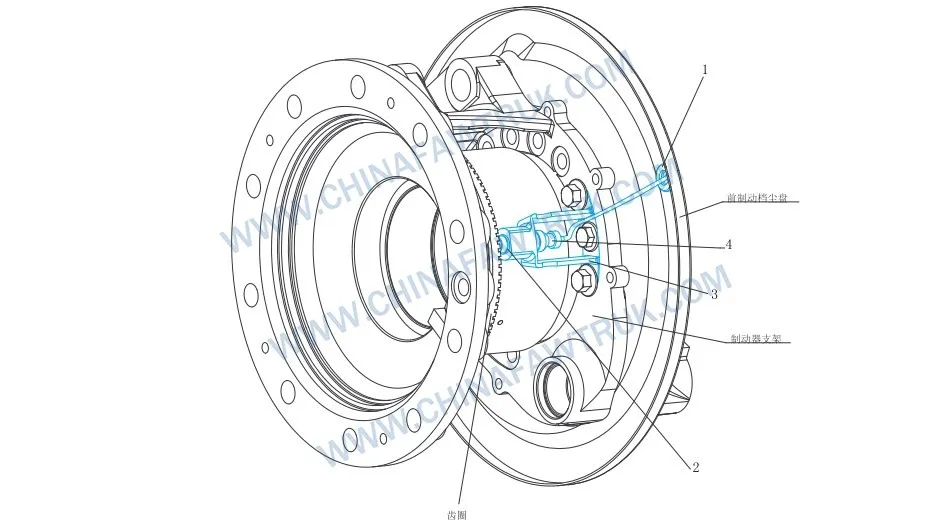
Sensor de eixo dianteiro russo FAW
| Não. |
Número da peça |
Nome da peça |
Quantidade |
| 1 | 3550221-6S | Bucha do fio do sensor de velocidade da roda | 1 |
| 2 | 3550361-6S | Manga do sensor | 1 |
| 3 | 3605215-820 | Conjunto de suporte do sensor de velocidade da roda | 1 |
| 4 | 3605360-820 | Conjunto do sensor de velocidade da roda | 1 |
Tecnologia de Sensores: O olho do ABS
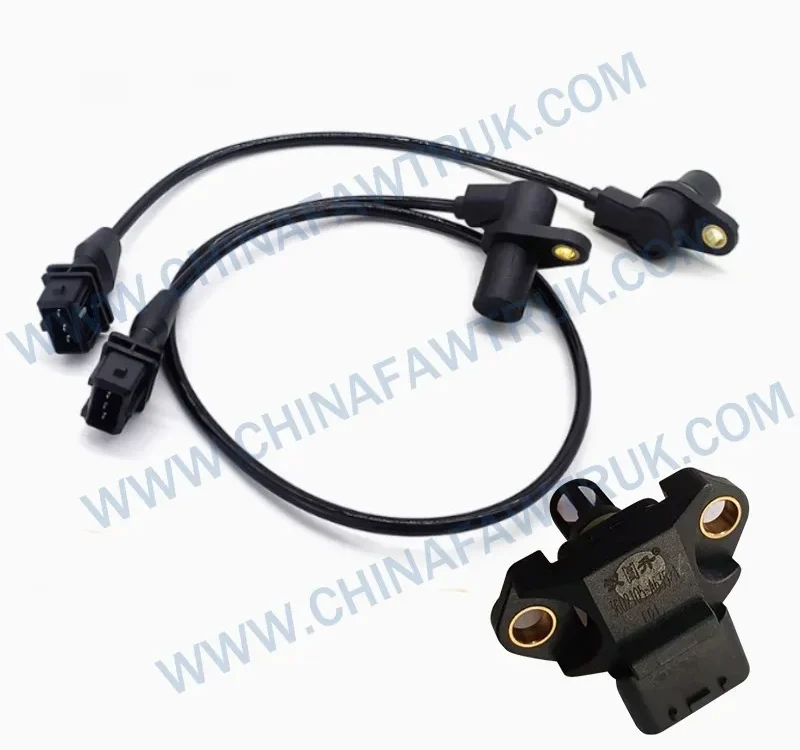
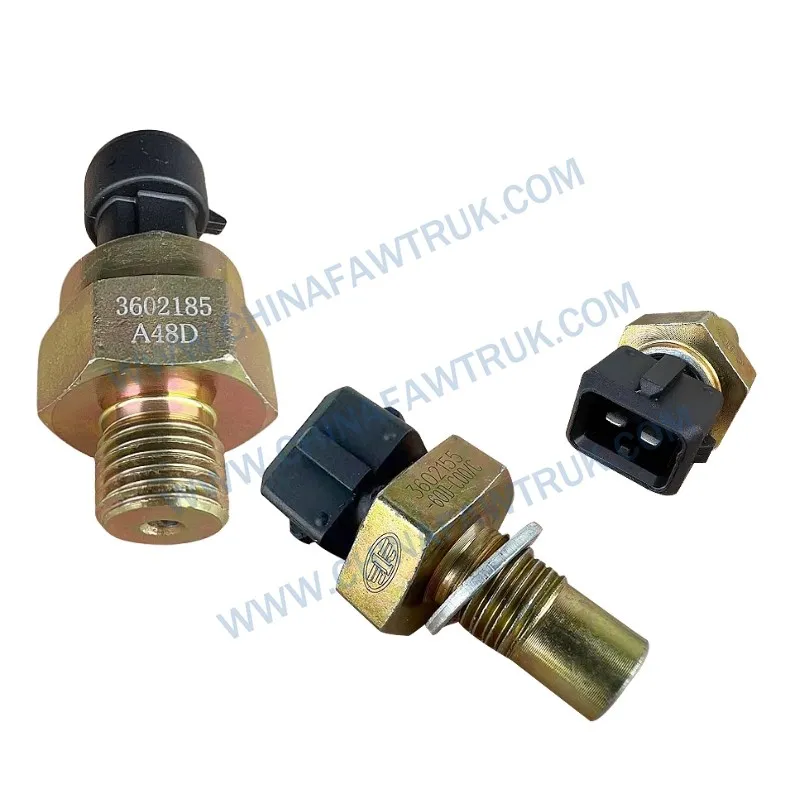
A pedra angular do Sensor de eixo dianteiro russo FAW a lógica é a Conjunto do sensor de velocidade da roda (Parte não. 3605360-820). Este sensor indutivo tem a tarefa de monitorar a rotação das rodas dianteiras, quais são os mais críticos para a estabilidade direcional. Ao contrário dos sensores traseiros que simplesmente gerenciam a tração, o Sensor de eixo dianteiro russo FAW deve fornecer dados que permitam à ECU diferenciar entre uma derrapagem e uma entrada de direção. A cabeça do sensor contém uma bobina enrolada em torno de um ímã permanente, envolto em uma carcaça de aço inoxidável para resistir ao impacto do cascalho lançado pelos pneus.
O sinal de tensão gerado pelo Sensor de eixo dianteiro russo FAW é uma onda senoidal analógica criada pela passagem dos dentes da roda dentada (anel de tom). No contexto específico do mercado russo, o circuito interno do sensor é reforçado para lidar “imersão fria” condições. Sensores padrão podem sofrer circuitos abertos internos quando o composto de envasamento se contrai a -45°C, cortando os finos fios de cobre. O Conjunto do sensor de velocidade da roda usado no Sensor de eixo dianteiro russo FAW O kit utiliza um epóxi de baixa expansão e cabos internos flexíveis para garantir que a continuidade seja mantida independentemente da temperatura ambiente.
A clareza do sinal é outra prioridade para o Sensor de eixo dianteiro russo FAW. O eixo dianteiro está localizado próximo ao alternador e aos cabos de partida de alta corrente, fontes de interferência eletromagnética significativa (EMI). O cabo do sensor possui uma blindagem trançada e fiação de par trançado para rejeitar esse ruído. Se o Sensor de eixo dianteiro russo FAW sinal foi corrompido por EMI, o ABS pode disparar falsamente durante a frenagem normal, estender as distâncias de parada em vez de encurtá-las. Este sinal de alta fidelidade garante que o caminhão pare com segurança e previsibilidade nas superfícies variáveis de uma estrada de transporte de mineração.
Arquitetura de montagem: O conjunto do suporte
A estabilidade física do Sensor de eixo dianteiro russo FAW é assegurado pelo Conjunto de suporte do sensor de velocidade da roda (Parte não. 3605215-820). Esta não é uma simples peça estampada; é um componente usinado com precisão projetado para alinhar perfeitamente a ponta do sensor com o anel de tom dentro do cubo da roda. O eixo dianteiro sofre cargas de choque significativas quando o caminhão atinge buracos e sulcos. O suporte deve ser rígido o suficiente para evitar Sensor de eixo dianteiro russo FAW de vibrar, que modularia o entreferro e criaria um “Fantasma” sinal de velocidade.
O local de montagem do Conjunto de suporte do sensor de velocidade da roda na junta de direção representa um desafio único: o cabo deve acomodar o ângulo de direção. À medida que a roda gira de fechadura em fechadura, a distância entre o sensor e o chicote do chassi muda. O design do suporte inclui guias de roteamento específicas para garantir que os cabos sejam enrolados corretamente, sem prender na câmara do freio ou nos braços de suspensão. Este gerenciamento dinâmico de cabos é um recurso fundamental do Sensor de eixo dianteiro russo FAW lógica, protegendo a fiação contra falha por fadiga.
A resistência à corrosão também está incorporada no Conjunto de suporte do sensor de velocidade da roda. Exposto à pulverização de produtos químicos descongelantes, um suporte de aço padrão enferrujaria e incharia, potencialmente esmagando o corpo do sensor. O Sensor de eixo dianteiro russo FAW o suporte é tratado com um revestimento resistente de flocos de zinco ou galvanização. Isso garante que o sensor possa ser removido durante anos de serviço no futuro. Um sensor preso geralmente resulta na destruição do suporte durante a remoção, portanto, esta proteção contra corrosão reduz diretamente os custos de manutenção a longo prazo do Sensor de eixo dianteiro russo FAW sistema.
A Interface: Lógica de Manga e Bucha
A interface entre o suporte estático e o sensor ajustável é gerenciada pelo Manga do sensor (Parte não. 3550361-6S). Este componente é o herói anônimo do Sensor de eixo dianteiro russo FAW conjunto. Ele cria um ajuste de fricção que mantém o sensor no lugar contra a vibração da estrada, mas permite que ele seja empurrado para trás se o desvio do rolamento da roda fizer com que o anel de tom atinja a ponta do sensor. Esse “empurrão” capacidade é um mecanismo crítico de autopreservação para o Sensor de eixo dianteiro russo FAW, evitando que a cabeça do sensor seja cortada durante eventos extremos de articulação da suspensão.
O material do Manga do sensor é uma liga de cobre ou aço inoxidável com alta memória. No Sensor de eixo dianteiro russo FAW especificação, este material deve manter sua elasticidade em temperaturas abaixo de zero. Se a manga perder aderência no frio, o sensor sairá do furo, aumentando o entreferro. Um entreferro excessivo enfraquece o sinal de tensão, fazendo com que a luz do ABS acenda e desative o sistema de segurança. Portanto, a força de aperto do Manga do sensor é um parâmetro vital para a confiabilidade do Sensor de eixo dianteiro russo FAW.
A proteção do cabo é ainda melhorada pelo Bucha do fio do sensor de velocidade da roda (Parte não. 3550221-6S). Este anel isolante de borracha protege o cabo quando ele sai do ambiente hostil da extremidade da roda e entra no trilho do chassi protegido. No Sensor de eixo dianteiro russo FAW projeto, esta bucha evita que o isolamento do cabo esfregue contra as bordas afiadas do suporte de metal. Fabricado em borracha EPDM, permanece flexível no inverno russo, garantindo uma vedação estanque ao redor do cabo e evitando que a umidade penetre no chicote.
Práticas recomendadas de diagnóstico e substituição
Diagnosticando problemas com o Sensor de eixo dianteiro russo FAW geralmente envolve um multímetro e um osciloscópio. A resistência entre os pinos do sensor normalmente deve ficar entre 1100 e 1800 ohms. No entanto, um teste de resistência de isolamento é igualmente importante para o Sensor de eixo dianteiro russo FAW; verificar se há curtos com o terra pode revelar se os enrolamentos internos tocaram o invólucro devido a danos por expansão térmica. Ao girar a roda manualmente, o sensor deve gerar pelo menos 0,2 V CA; se não, o entreferro gerenciado pelo Manga do sensor provavelmente é muito grande.
Ao substituir o Conjunto do sensor de velocidade da roda, é obrigatório substituir o Manga do sensor (Parte não. 3550361-6S) simultaneamente. Reutilizando uma manga velha no Sensor de eixo dianteiro russo FAW configuração convida falha, pois a memória metálica está cansada e não segurará o novo sensor com segurança. O furo no Conjunto de suporte do sensor de velocidade da roda deve ser limpo de toda ferrugem e graxa velha usando uma escova de aço. A aplicação de uma graxa dielétrica especializada no corpo do sensor pode ajudar a evitar futuras gripagens, mas o antigripante padrão deve ser evitado se contiver partículas metálicas condutoras que possam interferir no fluxo magnético.
Finalmente, o encaminhamento do cabo através do Bucha do fio do sensor de velocidade da roda deve ser verificado quanto à folga adequada. A direção deve ser girada totalmente para a esquerda e para a direita para garantir que o cabo não esteja esticado. O Sensor de eixo dianteiro russo FAW é tão confiável quanto sua conexão ao caminhão. Garantindo que o cabo esteja livre de tensões e que o sensor esteja firmemente encaixado em uma nova luva, as equipes de manutenção podem garantir a segurança ativa do veículo nas condições de condução mais desafiadoras.
Conclusão: Dirigindo com confiança
O Sensor de eixo dianteiro russo FAW a montagem lógica é um sistema compacto com um impacto descomunal na segurança do veículo. Convertendo a rotação da roda em dados digitais, permite que o caminhão mantenha o controle da direção durante a frenagem de emergência no gelo. O 4 componentes - o sensor, suporte, manga, e bucha – formam uma unidade coesa projetada para sobreviver aos rigores do ambiente russo.
Para operadores de frota, o Sensor de eixo dianteiro russo FAW é um item de segurança inegociável. O uso de peças genuínas garante que as características do sinal correspondam às expectativas da ECU, evitando a falsa ativação do ABS. Ao manter esses sensores e seu hardware de montagem, as frotas garantem que seus motoristas tenham a tecnologia necessária para navegar com segurança, protegendo tanto o pessoal quanto o valioso maquinário sob seu comando.
Embalagem e Logística
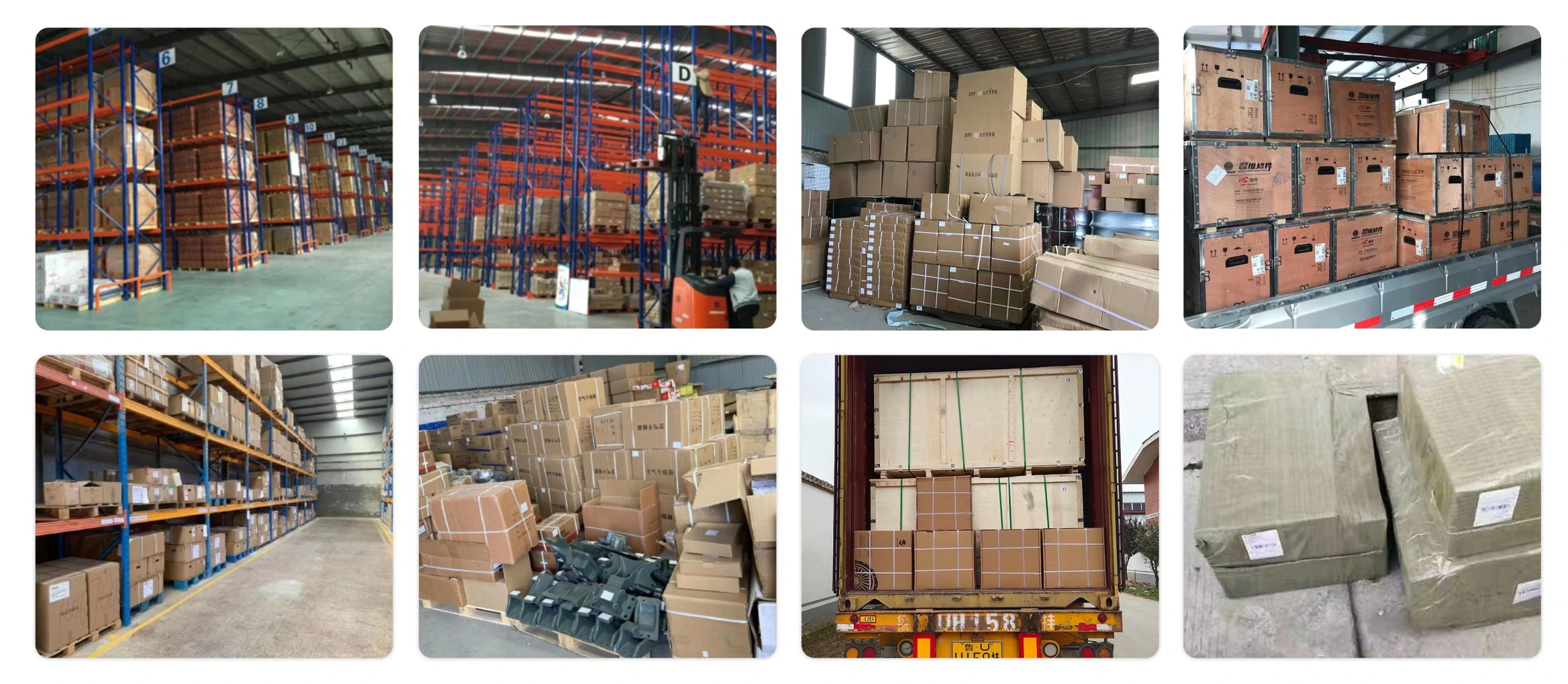
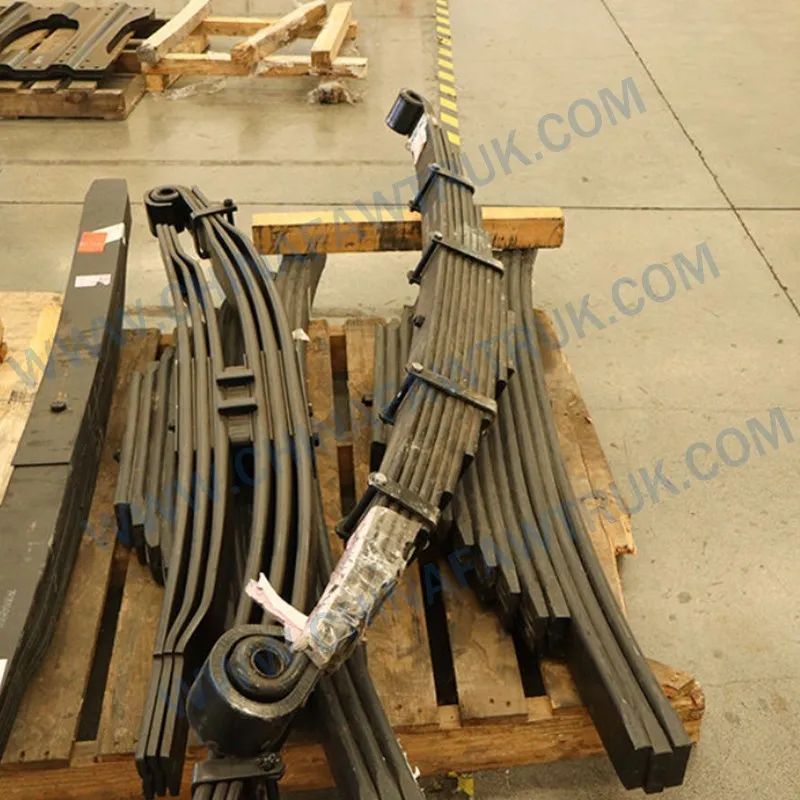
Peças FAW, incluindo o conjunto do bloco de cilindros, são embalados com cuidado para garantir uma entrega segura. Cada componente é protegido por materiais de proteção para evitar danos durante o transporte. A rede logística garante envios pontuais em todo o mundo, apoiando operações de manutenção eficientes. Abaixo está uma imagem ilustrando a embalagem padrão para peças de caminhão FAW, mostrando a atenção aos detalhes no manuseio e armazenamento.
Esta abordagem de embalagem minimiza o risco de corrosão ou danos por impacto, garantindo que peças como o conjunto do bloco de cilindros FAW cheguem em perfeitas condições. Os clientes podem confiar na logística da FAW para obter qualidade e confiabilidade consistentes.