by 


Welcome to this critical structural analysis of the FAW Welded Cab Assembly (Basic Model: 5000040-D04). This is the single most important component for driver safety and comfort on the FAW Jiefang CA4251P66K24T1A3E5 6×4 diesel semi-trailer tractor. This assembly is the “Cab-in-White” (CIW), the foundational, unpainted structural “skeleton” of the entire driver’s cab.

The “logic” of the FAW Welded Cab Assembly is twofold: it is the primary “Safety Cell” designed to protect the driver during a collision, and it is the structural “chassis” that serves as the mounting foundation for every other cab component, from the dashboard and seats to the doors and glass. It is a high-tech structure, precision-built using robotic welding and advanced high-strength steels.
This in-depth guide is an essential resource for body shop technicians, collision repair specialists, and parts managers. As the parts list confirms, the FAW Welded Cab Assembly is a single, non-serviceable Minimum Serviceable Unit (MSU). To understand its function, we will logically deconstruct this one-piece assembly into its five primary structural zones: the Floor Pan, the Firewall, the A-Pillars, the B-Pillars/Rear Wall, and the Roof.
The logical starting point for the FAW Welded Cab Assembly is its base: the floor pan and firewall. This is the structural foundation that provides the cab’s core rigidity and serves as the primary mounting platform.
The Floor Pan: This is not a flat sheet of metal. It is a complex, 3D-stamped component made from multiple welded panels. Its “logic” is stiffness. The floor pan is stamped with deep ribs, channels, and a transmission tunnel. These geometric shapes give the panel immense rigidity, preventing the cab from flexing and “drumming” (low-frequency noise) while driving.
This component of the FAW Welded Cab Assembly is the “chassis” of the cab. It features the reinforced, pre-threaded mounting points for the driver and passenger seats, the ‘Cab Front Suspension Assembly’, and the ‘Cab Rear Suspension Assembly’. These points are critical, as they transfer all road forces from the chassis, through the suspension, and into the cab.
The Firewall: Welded to the front of the floor pan is the firewall. This is the “logic” of separation. This panel is the primary barrier between the driver and the engine compartment. Its design is focused on Noise, Vibration, and Harshness (NVH) reduction, as well as fire safety. It is a complex stamping with precisely located, sealed pass-throughs for the ‘Cab Electrical Logic Assembly’ harness, the steering column, and the HVAC (heating, ventilation, and air conditioning) system.
The “A-Pillars” are the two vertical steel structures that frame the windshield. In the FAW Welded Cab Assembly, these are arguably the most critical safety components for the driver.
Rollover Protection Logic: The “logic” of the A-Pillars is to function as the cab’s primary roll-over protection structure (ROPS). In a rollover accident, these two pillars, combined with the roof header, must support the entire weight of the cab and prevent the roof from crushing down onto the driver.
To achieve this, these pillars are not simple, hollow tubes. They are complex, multi-layered fabrications. The FAW Welded Cab Assembly uses Advanced High-Strength Steel (AHSS) or even “hot-stamped” Boron steel for these components. This “logic” of using advanced materials creates a component that is relatively lightweight but possesses incredible tensile strength and crush resistance.
Structural & Alignment Logic: The A-Pillars are also the structural mounting points for the cab’s doors. They contain the reinforced, pre-threaded plates for the heavy-duty door hinges. The geometric precision of the FAW Welded Cab Assembly is paramount here; any deviation (even by millimeters) will result in misaligned doors, leading to wind noise and water leaks.
This structural zone forms the main “hoop” and rear of the cab’s safety cell. The “B-Pillars” are the vertical pillars directly behind the driver’s doors.
Side-Impact Logic: The “logic” of the B-Pillars is side-impact protection. These structures are designed to resist intrusion into the cab during a side collision. They are also the primary anchor point for the ‘Function Switch Logic Assembly’ and, most importantly, the upper anchor for the driver’s seatbelt. This seatbelt mounting point is heavily reinforced, as it must withstand thousands of pounds of force during a frontal collision.
Rear Wall & Torsional Rigidity: The rear wall is the large, stamped panel that encloses the back of the cab. Its “logic” is to provide the entire FAW Welded Cab Assembly with torsional rigidity (resistance to twisting). This panel is stamped with horizontal ribs to prevent “drumming” and flex. It also contains the reinforced mounting points for the cab’s rear air-spring or coil suspension, as well as the ‘Cab Lock’ mechanism.
The final “zone” of the FAW Welded Cab Assembly is the roof structure, which ties all the pillars together. This zone consists of the main roof panel and the “cant rails” (the side rails above the doors) and “header rail” (above the windshield).
Safety Cell “Ring”: The “logic” of these rails is to connect the A-Pillars and B-Pillars, creating a continuous “ring” of high-strength steel that forms the upper part of the safety cell. This structure is what completes the rollover protection system.
The Roof Panel: The main roof panel is welded to this “ring.” Its “logic” is also structural. It is stamped with ribs (as seen in the main photo) that not only add strength but also manage airflow and water. This panel also provides the flat, stable “ground plane” and mounting point for the ‘Multifunctional Antenna Logic Assembly’, which is critical for GPS and 4G reception.
Serviceability of the MSU:
The ‘Welded Cab Assembly’ (5000040-D04) is the ultimate MSU. It is a “replacement-only” part. In the event of a severe collision that compromises any of these structural zones, a body shop will order this single part number. The old, damaged cab is unbolted from its four suspension points, all wiring harnesses are unplugged, and it is lifted off the chassis. The new FAW Welded Cab Assembly is then lowered onto the chassis, and all components (doors, glass, dashboard, etc.) are transferred from the old cab to the new one.
The following table provides the complete, detailed breakdown of the single component identified in the FAW Welded Cab Assembly diagram for the FAW CA4251P66K24T1A3E5 tractor.
| Mark | Part No. | Part Name | Quantity |
|---|---|---|---|
| 1 | 5000040-D04 | Welded Cab Assembly | 1 |
The specifications for the FAW Welded Cab Assembly are defined by its function as the primary structural and safety component of the cab.
| Vehicle Application | FAW Jiefang CA4251P66K24T1A3E5 6×4 Tractor |
| Component Group | FAW Welded Cab Assembly (Basic Model) |
| Main Assembly P/N | 5000040-D04 |
| Common Name | Cab-in-White (CIW) / Body-in-White (BIW) |
| System Type | Robotic-Welded Structural Safety Cell |
| Key Materials | High-Strength Steel (HSS), Advanced HSS (AHSS) |
| Primary Logic | Rollover Protection (ROPS), Impact Safety, NVH Reduction |
| Structural Zones | Floor Pan, Firewall, A-Pillars, B-Pillars, Rear Wall, Roof |
| Minimum Serviceable Unit | The entire assembly (5000040-D04) |
| Serviceability | Replacement only. Not field-repairable. |
FAW parts, including the Cylinder Block Assembly, are packaged with care to ensure safe delivery. Each component is secured in protective materials to prevent damage during transit. The logistics network guarantees timely shipments worldwide, supporting efficient maintenance operations. Below is an image illustrating the standard packaging for FAW truck parts, showcasing the attention to detail in handling and storage.
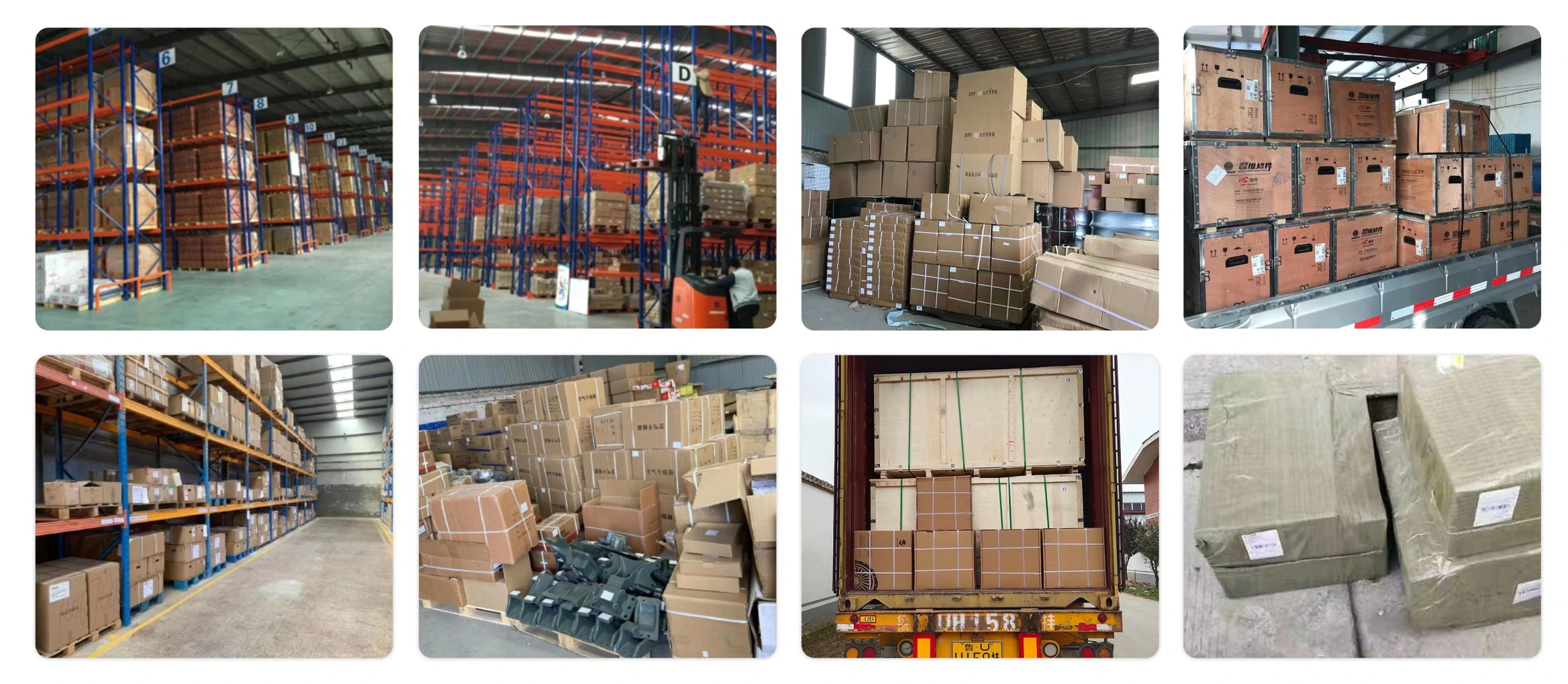
This packaging approach minimizes the risk of corrosion or impact damage, ensuring that parts like the FAW Cylinder Block Assembly arrive in perfect condition. Customers can rely on FAW’s logistics for consistent quality and reliability.