por 


Bem-vindo a esta análise estrutural crítica do Conjunto de cabine soldada FAW (Modelo Básico: 5000040-D04). Este é o componente mais importante para a segurança e conforto do motorista no FAW Jiefang CA4251P66K24T1A3E5 6×4 trator semirreboque diesel. Esta assembleia é a “Cab-in-White” (Fila), o fundamental, estrutural sem pintura “esqueleto” de toda a cabine do motorista.

O “lógica” do Conjunto de cabine soldada FAW é duplo: é o principal “Célula de Segurança” projetado para proteger o motorista durante uma colisão, e é a estrutura “chassis” que serve como base de montagem para todos os outros componentes da cabine, desde o painel e assentos até as portas e vidros. É uma estrutura de alta tecnologia, construído com precisão usando soldagem robótica e aços avançados de alta resistência.
Este guia detalhado é um recurso essencial para técnicos de oficina, especialistas em reparos de colisões, e gerentes de peças. Como a lista de peças confirma, o Conjunto de cabine soldada FAW é um único, Unidade mínima utilizável não utilizável (Universidade Estadual de Moscou). Para entender sua função, iremos desconstruir logicamente esta montagem de peça única em suas cinco zonas estruturais primárias: a panela de chão, o Firewall, os pilares A, os Pilares B/Parede Traseira, e o telhado.
O ponto de partida lógico para o Conjunto de cabine soldada FAW é a sua base: o piso e o firewall. Esta é a base estrutural que fornece a rigidez central da cabine e serve como plataforma de montagem primária.
A panela de chão: Esta não é uma folha plana de metal. É um complexo, 3Componente estampado em D feito de vários painéis soldados. Isso é “lógica” é rigidez. O piso é estampado com nervuras profundas, canais, e um túnel de transmissão. Estas formas geométricas conferem ao painel uma imensa rigidez, evitando que a cabine flexione e “bateria” (ruído de baixa frequência) enquanto dirige.
Este componente do Conjunto de cabine soldada FAW é o “chassis” da cabine. Possui o reforçado, pontos de montagem pré-rosqueados para os bancos do motorista e do passageiro, o ‘Conjunto de suspensão dianteira da cabine’, e o ‘Conjunto de Suspensão Traseira da Cabine’. Esses pontos são críticos, à medida que transferem todas as forças rodoviárias do chassi, através da suspensão, e na cabine.
O firewall: Soldado na frente do piso está o firewall. Este é o “lógica” de separação. Este painel é a principal barreira entre o motorista e o compartimento do motor. Seu design é focado em Ruído, Vibração, e aspereza (Nvh) redução, bem como segurança contra incêndio. É uma estampagem complexa com localização precisa, passagens seladas para o 'Conjunto Lógico Elétrico da Cabine’ aproveitar, a coluna de direção, e o HVAC (aquecimento, ventilação, e ar condicionado) sistema.
O “Pilares A” são as duas estruturas verticais de aço que emolduram o pára-brisa. No Conjunto de cabine soldada FAW, estes são sem dúvida os componentes de segurança mais críticos para o motorista.
Lógica de proteção contra capotamento: O “lógica” dos Pilares A deve funcionar como a principal estrutura de proteção contra capotamento da cabine (ROPS). Em um acidente de capotamento, esses dois pilares, combinado com o cabeçalho do telhado, deve suportar todo o peso da cabine e evitar que o teto caia sobre o motorista.
Para conseguir isso, esses pilares não são simples, tubos ocos. Eles são complexos, fabricações multicamadas. O Conjunto de cabine soldada FAW usa aço avançado de alta resistência (AHSS) ou mesmo “estampado a quente” Aço boro para esses componentes. Esse “lógica” O uso de materiais avançados cria um componente que é relativamente leve, mas possui incrível resistência à tração e ao esmagamento.
Estrutural & Lógica de Alinhamento: Os Pilares A também são os pontos de montagem estruturais das portas da cabine. Eles contêm o reforçado, placas pré-roscadas para dobradiças de portas reforçadas. A precisão geométrica do Conjunto de cabine soldada FAW é fundamental aqui; qualquer desvio (mesmo por milímetros) resultará em portas desalinhadas, levando ao ruído do vento e vazamentos de água.
Esta zona estrutural constitui a principal “aro” e traseira da célula de segurança da cabine. O “Pilares B” são os pilares verticais diretamente atrás das portas do motorista.
Lógica de impacto lateral: O “lógica” dos pilares B é a proteção contra impactos laterais. Estas estruturas são projetadas para resistir à intrusão na cabine durante uma colisão lateral. Eles também são o principal ponto de ancoragem para o 'Montagem Lógica de Chave de Função’ e, o mais importante, a âncora superior do cinto de segurança do motorista. Este ponto de montagem do cinto de segurança é fortemente reforçado, pois deve suportar milhares de libras de força durante uma colisão frontal.
Parede Traseira & Rigidez torcional: A parede traseira é a grande, painel estampado que envolve a parte traseira da cabine. Isso é “lógica” é fornecer todo Conjunto de cabine soldada FAW com rigidez torcional (resistência à torção). Este painel é estampado com nervuras horizontais para evitar “bateria” e flexionar. Ele também contém os pontos de montagem reforçados para a suspensão pneumática ou helicoidal traseira da cabine, bem como o ‘Cab Lock’ mecanismo.
A final “zona” do Conjunto de cabine soldada FAW é a estrutura do telhado, que une todos os pilares. Esta zona consiste no painel principal do telhado e no “trilhos não inclinados” (as grades laterais acima das portas) e “trilho principal” (acima do pára-brisa).
Célula de Segurança “Anel”: O “lógica” desses trilhos é conectar os Pilares A e Pilares B, criando um contínuo “anel” de aço de alta resistência que forma a parte superior da célula de segurança. Esta estrutura é o que completa o sistema de proteção contra capotamento.
O painel do telhado: O painel principal do telhado é soldado a este “anel.” Isso é “lógica” também é estrutural. Está estampado com costelas (como visto na foto principal) que não apenas adicionam força, mas também gerenciam o fluxo de ar e a água. Este painel também fornece o plano, estável “plano terrestre” e ponto de montagem para o ‘Conjunto Lógico de Antena Multifuncional’, o que é crítico para recepção de GPS e 4G.
Facilidade de manutenção da MSU:
O ‘Conjunto de cabine soldada’ (5000040-D04) é o MSU definitivo. É um “somente substituição” papel. No caso de uma colisão grave que comprometa alguma destas zonas estruturais, uma oficina solicitará este número de peça único. O velho, a cabine danificada foi desaparafusada de seus quatro pontos de suspensão, todos os chicotes elétricos estão desconectados, e é retirado do chassi. O novo Conjunto de cabine soldada FAW é então abaixado no chassi, e todos os componentes (portas, vidro, painel, etc.) são transferidos da cabine antiga para a nova.
A tabela a seguir fornece o completo, discriminação detalhada do componente único identificado no Conjunto de cabine soldada FAW diagrama para o trator FAW CA4251P66K24T1A3E5.
| Marca | Parte não. | Nome da peça | Quantidade |
|---|---|---|---|
| 1 | 5000040-D04 | Montagem de cabine soldada | 1 |
As especificações para o Conjunto de cabine soldada FAW são definidos por sua função como principal componente estrutural e de segurança da cabine.
| Aplicação em veículos | FAW Jiefang CA4251P66K24T1A3E5 6×4 Trator |
| Grupo de Componentes | Conjunto de cabine soldada FAW (Modelo Básico) |
| Conjunto principal P/N | 5000040-D04 |
| Nome Comum | Cab-in-White (Fila) / Corpo em Branco (Banco) |
| Tipo de sistema | Célula de segurança estrutural soldada robótica |
| Materiais Chave | Aço de alta resistência (HSS), HSS avançado (AHSS) |
| Lógica Primária | Proteção contra capotamento (ROPS), Segurança de impacto, Redução de NVH |
| Zonas Estruturais | Panela de chão, Firewall, Pilares A, Pilares B, Parede Traseira, Teto |
| Unidade mínima utilizável | Toda a assembleia (5000040-D04) |
| Facilidade de manutenção | Apenas substituição. Não reparável em campo. |
Peças FAW, incluindo o conjunto do bloco de cilindros, são embalados com cuidado para garantir uma entrega segura. Cada componente é protegido por materiais de proteção para evitar danos durante o transporte. A rede logística garante envios pontuais em todo o mundo, apoiando operações de manutenção eficientes. Abaixo está uma imagem ilustrando a embalagem padrão para peças de caminhão FAW, mostrando a atenção aos detalhes no manuseio e armazenamento.
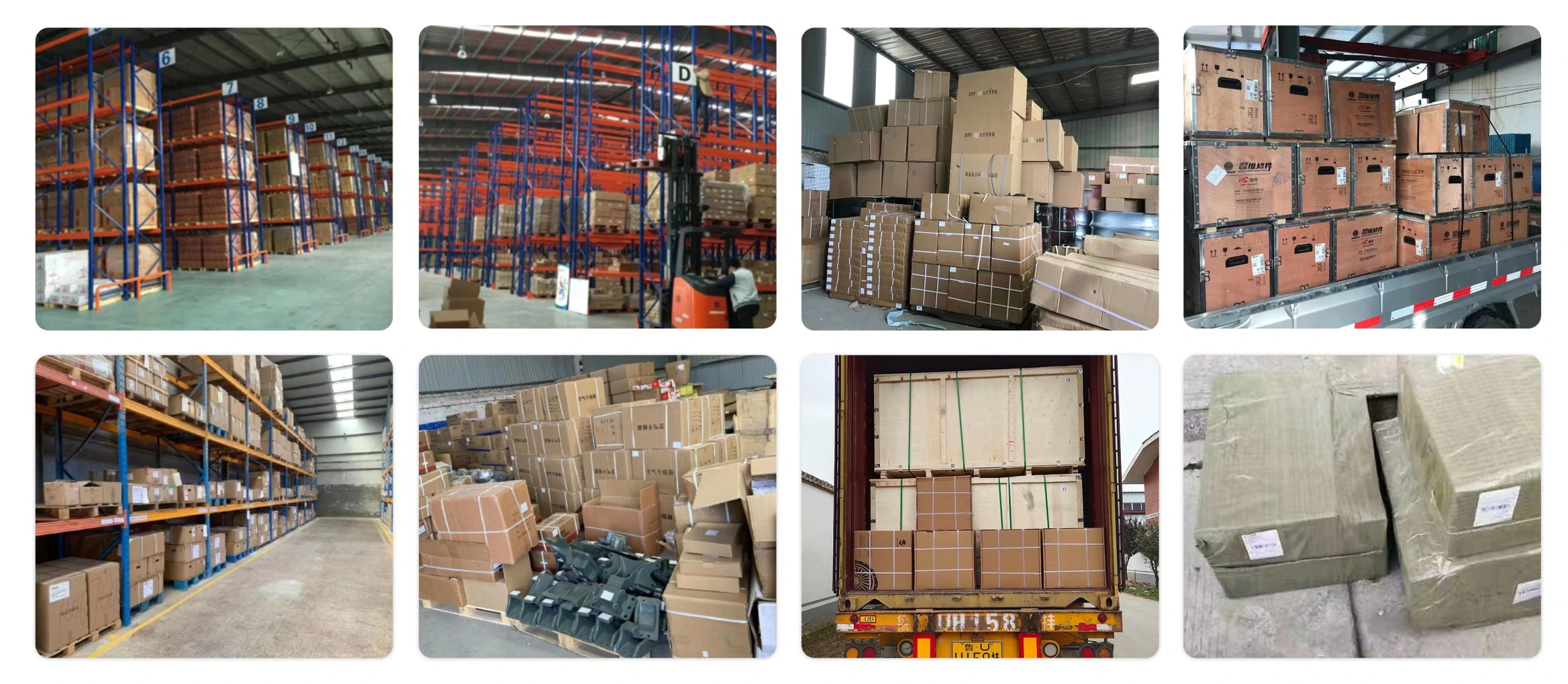
Esta abordagem de embalagem minimiza o risco de corrosão ou danos por impacto, garantindo que peças como o conjunto do bloco de cilindros FAW cheguem em perfeitas condições. Os clientes podem confiar na logística da FAW para obter qualidade e confiabilidade consistentes.