Conjunto ruso de doble eje FAW: Masterización 13 Componentes críticos para la gestión precisa del par
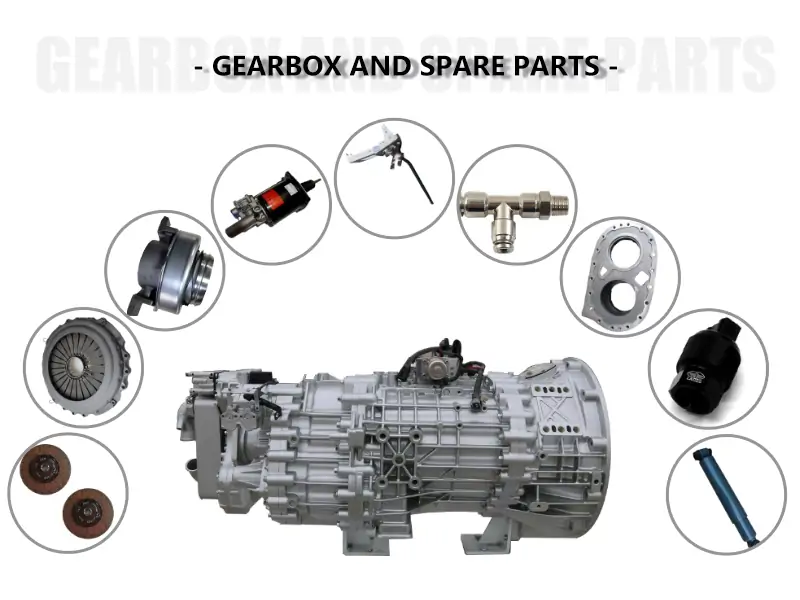
El Conjunto ruso de doble eje FAW, Técnicamente conocido como eje principal de transmisión., es la columna vertebral de entrega de torque del camión volquete CA3250P66K24L1TE5Z. Situado en el núcleo de la caja de cambios., Este conjunto gestiona la compleja interacción de engranajes deslizantes y llaves de bloqueo para definir la velocidad y la potencia del vehículo.. Esta guía analiza 13 Componentes esenciales que garantizan cambios perfectos en condiciones árticas..
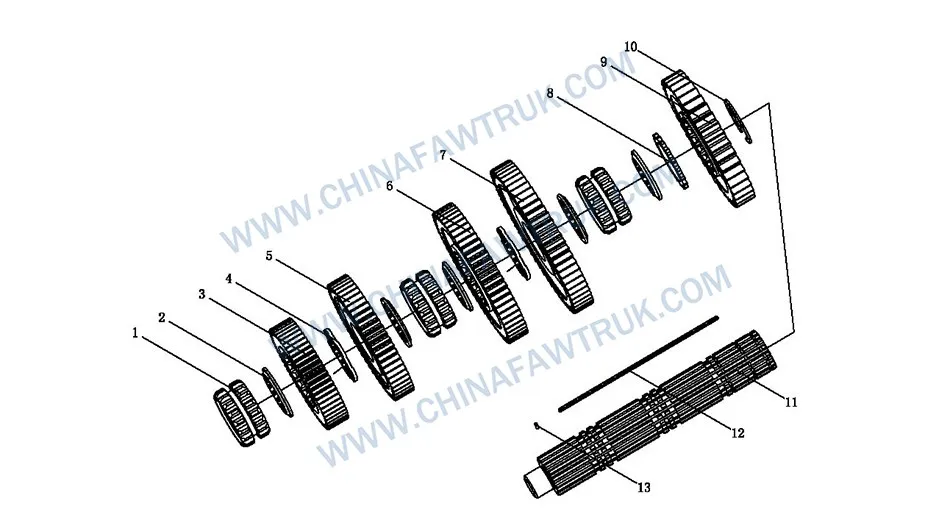
Conjunto ruso de doble eje FAW
Arquitectura central: La columna vertebral estriada
La fundación de la Conjunto ruso de doble eje FAW es el 2y eje (Número de pieza. 1701301-A8P). Este enorme componente de acero actúa como soporte de salida de la transmisión.. A diferencia del eje de entrada que trae potencia, el Conjunto ruso de doble eje FAW El eje determina cómo se modula esa potencia antes de alcanzar el diferencial.. Debe resistir fuerzas de torsión extremas., especialmente cuando un camión volquete completamente cargado intenta moverse en una pendiente empinada., pendiente helada. El eje está mecanizado a partir de acero aleado de alta resistencia., carburizado para crear una dura, Superficie resistente al desgaste manteniendo una dureza, ductile core to prevent snapping under shock loads.
Una característica única del Conjunto ruso de doble eje FAW is its locking mechanism, el Three-sided Key (Número de pieza. 1701332-A7G). Unlike traditional single-key designs, this trilateral key distributes the torque load across three distinct contact points. This design significantly reduces the shear stress on any single point of the shaft. En el contexto de la Conjunto ruso de doble eje FAW, this is critical for longevity. The constant engagement and disengagement of gears create cyclic loading that would quickly wallow out a standard keyway. The three-sided key ensures that the fixed components remain rigidly locked to the shaft for the life of the vehicle.
Securing this key is the Anillo – Three-sided Key (Número de pieza. 1701333-A7G). This retaining ring prevents the key from migrating axially under vibration. In the high-vibration environment of a diesel powertrain, unsecured components will “caminar” out of position. El Conjunto ruso de doble eje FAW utilizes this snap ring as a positive stop, Asegurar que el mecanismo de transferencia de par permanezca intacto incluso cuando el aceite de la transmisión esté frío y viscoso., ejercer arrastre sobre los componentes internos.
Lógica de engranajes: Ratios optimizados para transporte pesado
El Conjunto ruso de doble eje FAW lleva todo el conjunto de marchas de avance y retroceso. Esto incluye el 1st engranaje – 2y eje (Número de pieza. 1701317-A7G), 2y engranaje – 2y eje (Número de pieza. 1701321-A7G), 3Tercera marcha – 2y eje (Número de pieza. 1701322-A7G), y 5º engranaje – 2y eje (Número de pieza. 1701323-A1K). Cada uno de estos engranajes flota en el eje principal sobre cojinetes o casquillos de agujas.. Están en constante engrane con el contraeje pero no transmiten potencia hasta que están bloqueados al eje por el manguito deslizante.. La precisión del orificio del engranaje que termina en el Conjunto ruso de doble eje FAW es vital.
En el Ártico ruso, El líquido de la transmisión se espesa a -40°C.. Si la holgura entre el engranaje flotante y el eje es demasiado apretada, La resistencia viscosa hará que el vehículo se deslice incluso cuando esté en punto muerto.. Si está demasiado flojo, los engranajes traquetearán y chirriarán. El Conjunto ruso de doble eje FAW presenta espacios libres optimizados que equilibran la marcha libre en climas fríos con la estabilidad en climas cálidos. Los engranajes tienen corte helicoidal para maximizar el área de contacto de los dientes., Distribuir la carga y reducir el ruido.. Esta geometría es esencial para la Conjunto ruso de doble eje FAW para manejar la enorme multiplicación de par requerida para el vertido todoterreno.
La asamblea también alberga el Marcha atrás – 2y eje (Número de pieza. 1701311-A7G). La marcha atrás a menudo experimenta las cargas de torque más altas cuando un camión cargado retrocede hacia arriba. El Conjunto ruso de doble eje FAW garantiza que este equipo tenga un soporte sólido. Está posicionado por el Anillo de localización – Marcha atrás (Número de pieza. 1701312-A7G), que evita que el empuje axial desengrane el engranaje bajo carga. Esta retención positiva es una característica de seguridad., asegurar que el camión no se salga de marcha durante maniobras críticas.
Lógica de compromiso: La manga deslizante
El acto real de cambiar de marcha se ve facilitado por la Manga de engranaje deslizante (Número de pieza. 1701316-A8P). En el Conjunto ruso de doble eje FAW, este componente actúa como puente. Estriado al cubo del eje principal, se desliza axialmente para enganchar los dientes de garra del engranaje flotante seleccionado. La durabilidad de las estrías internas de esta funda es el factor que define la calidad del cambio.. Las estrías rebajadas o desgastadas provocan cambios bruscos o “bloque de engranajes,” donde el conductor no puede engranar una marcha.
El Conjunto ruso de doble eje FAW Utiliza un manguito deslizante fabricado de acero tratado térmicamente con un perfil de chaflán específico en los bordes delanteros de los dientes.. Este perfil ayuda a guiar el manguito sobre el engranaje., suavizar la transición incluso si las velocidades no coinciden perfectamente. En el contexto de una transmisión de camión pesado no sincronizada o parcialmente sincronizada, Esta característica de diseño reduce la fatiga del conductor y evita el roce de los engranajes.. La funda también debe resistir el desgaste de las pastillas de la horquilla de cambio., asegurando que el Conjunto ruso de doble eje FAW mantiene retenes de cambio precisos a lo largo del tiempo.
El movimiento de la manga está limitado por la Pasador cilíndrico elástico (Número de pieza. Q5280310) y hardware asociado. Estos pequeños componentes juegan un papel enorme en el Conjunto ruso de doble eje FAW. Garantizan que el mecanismo de cambio permanezca alineado y que el manguito no se desplace demasiado., lo que podría provocar el acoplamiento simultáneo de dos engranajes, un modo de falla catastrófico que bloquea la transmisión y puede romper la caja..
Lógica de espaciado: Arandelas de límite
Mantener el espacio correcto entre los engranajes giratorios es la función del Lavadora de límite – Engranaje (Número de pieza. 1701327-A7G) y Arandela de límite entre ejes (Número de pieza. 1701318-A7G). El Conjunto ruso de doble eje FAW emplea a cinco de los primeros y dos de los últimos. Estos no son simples espaciadores.; Son superficies de apoyo rectificadas con precisión.. Absorben las cargas de empuje axial generadas por los engranajes helicoidales y evitan que los engranajes rocen entre sí o con la carcasa..
En el Conjunto ruso de doble eje FAW, El material de estas arandelas suele ser acero endurecido o un compuesto de aleación de bronce.. Deben soportar altas velocidades superficiales y cargas de compresión significativas.. Si una lavadora se desgasta, El juego axial del engranaje aumenta.. El juego axial excesivo permite que el engranaje se incline ligeramente sobre el eje., lo que lleva a patrones de contacto dental deficientes, aumento de ruido, y eventualmente, rotura de dientes de engranaje.
La ubicación estratégica de estas lavadoras dentro del Conjunto ruso de doble eje FAW También facilita el flujo de aceite.. A menudo están diseñados con ranuras o ranuras de aceite que permiten que el lubricante penetre entre la arandela y la cara del engranaje.. Esta película de lubricación hidrodinámica evita irritaciones y agarrotamiento., particularmente durante la conducción en autopistas a alta velocidad, cuando las velocidades relativas entre el eje y los engranajes flotantes están en su máximo. Esta atención a la tribología garantiza la Conjunto ruso de doble eje FAW sobrevive a las condiciones de funcionamiento más duras.
Desglose de componentes: 105. Conjunto lógico de componentes de doble eje
| No. |
Número de pieza |
Nombre de la pieza |
Cantidad |
| 1 |
1701316-A8P |
Manga de engranaje deslizante |
1 |
| 2 |
1701327-A7G |
Lavadora de límite – Engranaje |
5 |
| 3 |
1701323-A1K |
5º engranaje – 2y eje |
1 |
| 4 |
1701318-A7G |
Arandela de límite entre ejes |
2 |
| 5 |
1701322-A7G |
3Tercera marcha – 2y eje |
1 |
| 6 |
1701321-A7G |
2y engranaje – 2y eje |
1 |
| 7 |
1701317-A7G |
1st engranaje – 2y eje |
1 |
| 8 |
1701312-A7G |
Anillo de localización – Marcha atrás |
1 |
| 9 |
1701311-A7G |
Marcha atrás – 2y eje |
1 |
| 10 |
1701333-A7G |
Anillo – Three-sided Key |
1 |
| 11 | 1701301-A8P |
2y eje (Eje principal) |
1 |
| 12 |
1701332-A7G |
Three-sided Key |
1 |
| 13 | Q5280310 |
Pasador cilíndrico elástico |
1 |
Conclusión: El núcleo de la transmisión
El Conjunto ruso de doble eje FAW es el sistema nervioso central de la entrega de potencia del camión. Coordina el complejo ballet mecánico de engranajes., llaves, y manguitos deslizantes para convertir el par bruto del motor en velocidad utilizable de la rueda. Su diseño refleja un profundo compromiso de ingeniería con la confiabilidad en condiciones de frío extremo., desde la selección de aleaciones de acero hasta la precisión de las tolerancias de holgura.
Para técnicos de transmisión, La reconstrucción de este conjunto requiere un estricto cumplimiento de la lista de piezas.. La sustitución de una llave genérica o una arandela de espesor incorrecto alterará el delicado equilibrio interno del Conjunto ruso de doble eje FAW, conduciendo a un rápido fracaso. Utilizando componentes FAW originales, Los operadores garantizan que su transmisión siga siendo sólida., eslabón eficiente en la cadena del tren motriz, capaz de conquistar los trabajos más duros del planeta.
Embalaje y Logística
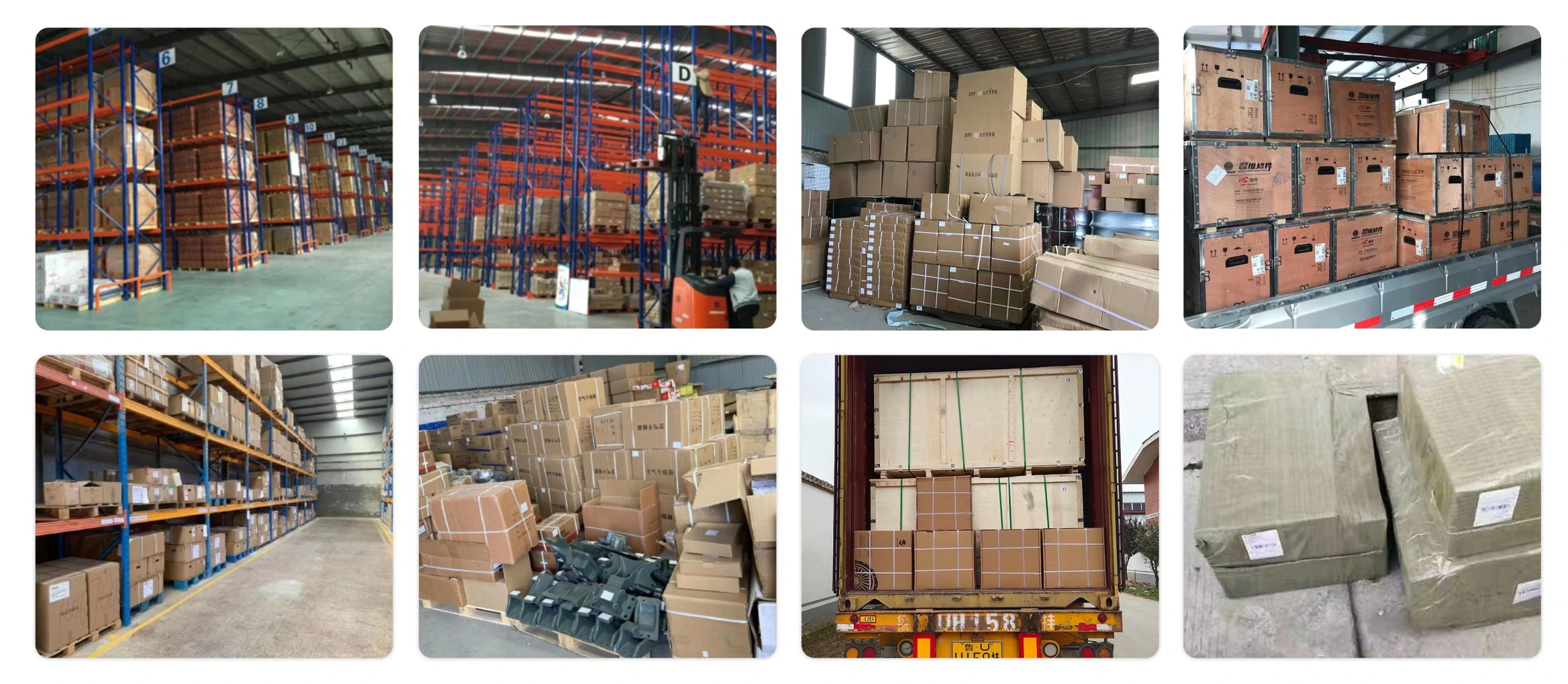
piezas FAW, incluido el conjunto del bloque de cilindros, Se empaquetan con cuidado para garantizar una entrega segura.. Cada componente está asegurado con materiales protectores para evitar daños durante el transporte.. La red logística garantiza envíos puntuales en todo el mundo., apoyando operaciones de mantenimiento eficientes. A continuación se muestra una imagen que ilustra el embalaje estándar de las piezas de camiones FAW., mostrando la atención al detalle en el manejo y almacenamiento.
Este enfoque de embalaje minimiza el riesgo de corrosión o daños por impacto., asegurando que piezas como el conjunto de bloque de cilindros FAW lleguen en perfectas condiciones. Los clientes pueden confiar en la logística de FAW para obtener calidad y confiabilidad constantes.