FAW Russian Oil Pump: 9 Precision Components for Arctic Lubrication Reliability
The FAW Russian Oil Pump is the hydraulic heart of the CA3250P66K24L1TE5Z engine, responsible for circulating life-sustaining lubricant to every bearing and journal. Engineered to handle high-viscosity oil during -40°C start-ups, this assembly prevents metal-to-metal contact and catastrophic seizure. This guide details the pressure valves, outlet pipes, and mounting hardware that define the system’s durability.

FAW Russian Oil Pump
The Pumping Mechanism: Flow Dynamics and Safety
The central component of the lubrication system is the Oil Pump Assembly (Part No. 1011010-81D). Within the FAW Russian Oil Pump architecture, this unit typically utilizes a gear-driven design known for its robustness and ability to generate high pressure at low RPMs. This is particularly crucial in the Russian Federation, where trucks often idle for extended periods to keep the cabin warm and the engine block from freezing. The internal gears are machined to tight tolerances to ensure volumetric efficiency, meaning the pump delivers a consistent flow rate regardless of oil temperature or viscosity changes.
Integrated into the system is the Oil Pump Pressure Limiting Valve Assembly (Part No. 1011055-81D). This valve acts as the system’s safety fuse. During a cold start in the Arctic, engine oil can be thick like molasses. If the pump were to force this thick oil through the filter and galleries without regulation, the pressure could burst the oil filter canister or blow out seals. The limiting valve in the FAW Russian Oil Pump opens at a precise pressure threshold, bypassing excess oil back to the sump until the engine warms up and viscosity normalizes.
The calibration of this pressure valve is specific to the CA3250P66K24L1TE5Z model. A generic valve might open too early, starving the main bearings of oil at high speeds, or too late, causing cold-start damage. The genuine Oil Pump Pressure Limiting Valve Assembly ensures that the oil pressure curve matches the engine’s requirements exactly, protecting the crankshaft and camshaft bearings under all operating conditions encountered in the Russian logistics sector.
Fluid Routing: Pipes and Arctic Seals
Transporting pressurized oil from the pump to the main gallery requires robust plumbing. The Oil Pump Outlet Pipe (Part No. 1011041-81D) is constructed from heavy-gauge steel tubing to withstand the vibrational stresses of the diesel engine. In the FAW Russian Oil Pump system, this pipe is routed to avoid interference with the rotating crankshaft while minimizing bends that could restrict flow. The internal surface is treated to prevent corrosion from acidic oil byproducts, ensuring a long service life.
Connecting this pipe to the block is the Oil Pump Outlet Pipe Connector Assembly (Part No. 1011050-81D). This connector must provide a rigid, leak-free joint under high pressure. The interface is sealed by the Sealing Ring (Part No. 1011042-81D). For the FAW Russian Oil Pump, this O-ring is made from a specialized fluoro-elastomer (Viton) or low-temperature Nitrile. Standard rubber rings would harden and crack in the extreme cold, leading to an internal oil leak that causes a drop in system pressure—a silent killer of engines.
Additionally, the assembly uses the Sealing Washer (Part No. CQ72324) at threaded connection points. This crush washer deforms during installation to fill microscopic imperfections in the mating surfaces, creating a hermetic seal. Unlike the dynamic Sealing Ring, this washer is a static seal but is equally critical. A failure here would result in oil bleeding back into the sump rather than reaching the cylinder head, potentially causing valvetrain noise and wear in the FAW Russian Oil Pump system.
Mounting Precision: Bolts and Locating Pins
The reliability of the gear drive depends entirely on the pump’s alignment. The FAW Russian Oil Pump employs two units of the Locating Pin (Part No. 1011012-D1) to achieve this. These precision-ground dowels ensure that the pump body is perfectly centered relative to the drive gear on the crankshaft. Without these pins, the gear backlash could be too tight (causing whining and failure) or too loose (causing gear teeth to strip).
Securing the pump to the block requires high-strength fasteners. The assembly uses the Combination Bolt (Part No. CQ1461070) for the main body and the Combination Bolt (Part No. CQ1461050) for smaller attachment points. These bolts feature integrated washers that distribute the clamping load, preventing the bolt head from digging into the aluminum or cast iron pump housing. This feature is essential for maintaining torque retention in the high-vibration environment of the FAW Russian Oil Pump.
The use of “Combination” style bolts in the FAW Russian Oil Pump assembly also speeds up assembly and maintenance, as mechanics do not need to fumble with loose washers in the tight confines of the oil pan. These bolts are typically coated with a zinc-flake or phosphate finish to resist corrosion, ensuring they can be removed easily during an overhaul even after years of service in the harsh Russian climate.
Component Breakdown List
The following table lists the specific components comprising the FAW Russian Oil Pump assembly. Using the correct part numbers is vital to ensure that the pump’s flow rate and pressure relief settings match the specific needs of the CA3250P66K24L1TE5Z engine.
| No. |
Part Number |
Part Name |
Qty |
| 1 |
1011010-81D |
Oil Pump Assembly |
1 |
| 2 |
CQ1461070 |
Combination Bolt |
4 |
| 3 |
1011012-D1 |
Locating Pin |
2 |
| 4 |
1011042-81D |
Sealing Ring |
2 |
| 5 |
1011041-81D |
Oil Pump Outlet Pipe |
1 |
| 6 |
1011050-81D |
Oil Pump Outlet Pipe Connector Assembly |
1 |
| 7 |
CQ72324 |
Sealing Washer |
1 |
| 8 |
1011055-81D |
Oil Pump Pressure Limiting Valve Assembly |
1 |
| 9 |
CQ1461050 |
Combination Bolt |
2 |
Diagnostic Protocols for Lubrication Health
Maintaining the FAW Russian Oil Pump starts with monitoring oil pressure trends. A gradual decrease in oil pressure at idle usually indicates internal wear in the Oil Pump Assembly gears or housing. If pressure fluctuates wildly, it may point to a sticking Oil Pump Pressure Limiting Valve Assembly or air ingress due to a failed Sealing Ring on the suction side (if applicable) or outlet pipe.
During an engine overhaul, visually inspect the Oil Pump Outlet Pipe for cracks near the mounting flanges. Vibration can fatigue the metal over time. Check the Locating Pin holes in the engine block; if they are ovalized, the pump cannot be aligned correctly, leading to rapid gear wear and potential failure of the drive mechanism.
Always replace the Sealing Washer and Sealing Ring components whenever the pump is serviced. Reusing these low-cost items is a primary cause of internal pressure bleed-off in the FAW Russian Oil Pump system. Ensuring the Combination Bolt fasteners are torqued to spec prevents the pump housing from distorting, which can bind the internal gears.
Conclusion: The Guardian of the Engine
The FAW Russian Oil Pump is the unsung hero of the powertrain, operating invisibly to protect every moving part from destruction. Its design reflects the specific needs of the Russian market: high-flow capability for cold oil, robust pressure regulation for engine safety, and durable sealing for long-term reliability.
From the precision of the Locating Pin to the chemical resistance of the Sealing Ring, every component is engineered to function as a cohesive unit. For fleet owners, investing in genuine FAW replacement parts for the FAW Russian Oil Pump is the most cost-effective strategy to prevent engine seizure and ensure the continuous operation of their heavy-duty assets in the harshest environments on earth.
Packaging and Logistics
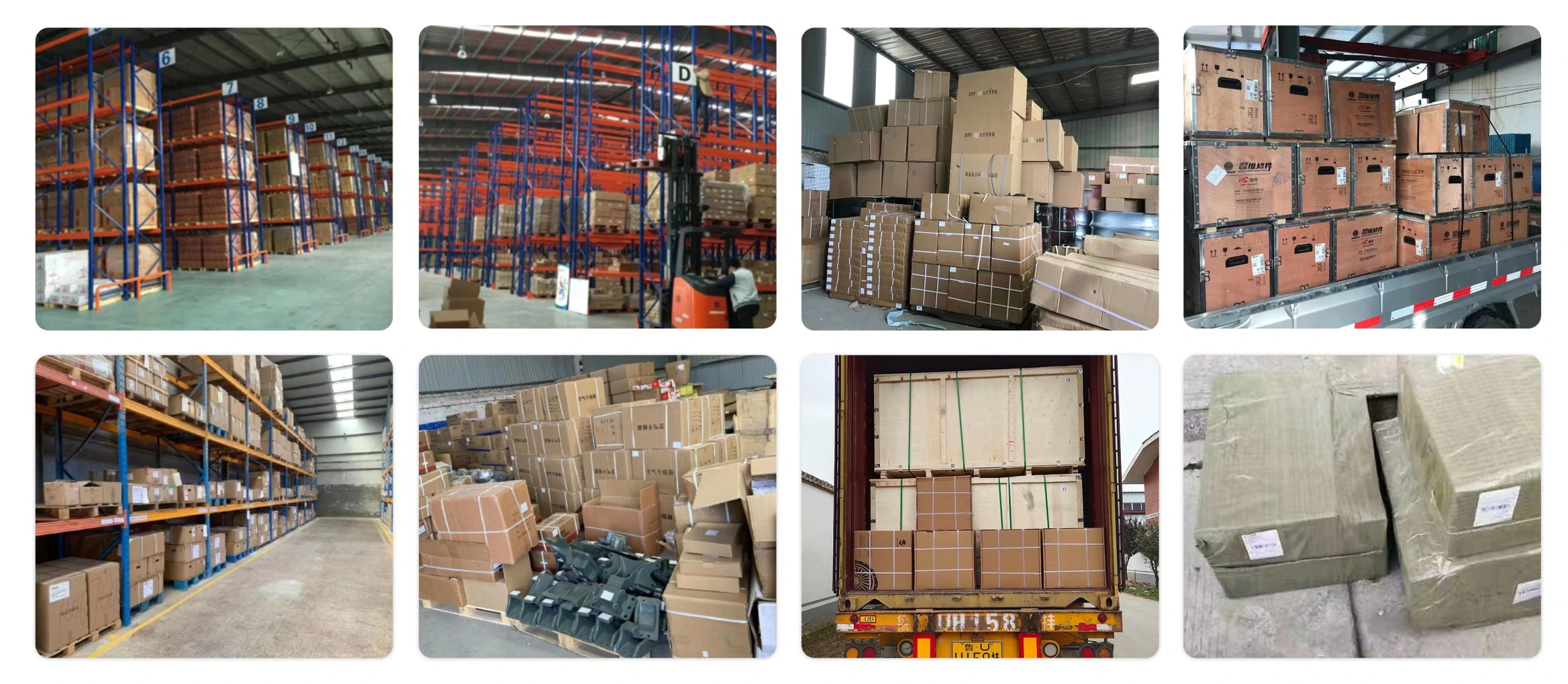
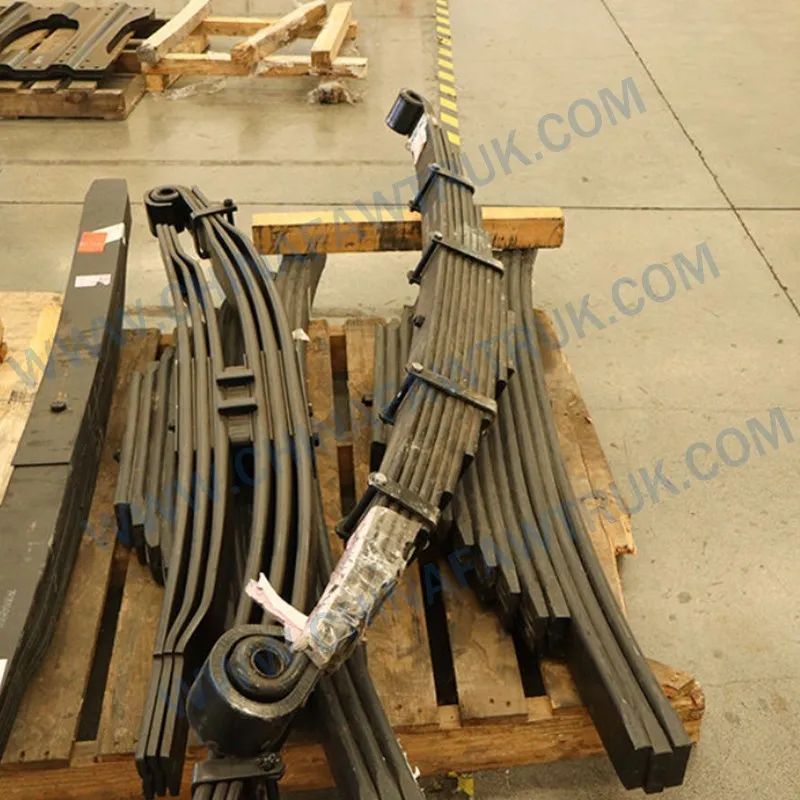
FAW parts, including the Cylinder Block Assembly, are packaged with care to ensure safe delivery. Each component is secured in protective materials to prevent damage during transit. The logistics network guarantees timely shipments worldwide, supporting efficient maintenance operations. Below is an image illustrating the standard packaging for FAW truck parts, showcasing the attention to detail in handling and storage.
This packaging approach minimizes the risk of corrosion or impact damage, ensuring that parts like the FAW Cylinder Block Assembly arrive in perfect condition. Customers can rely on FAW’s logistics for consistent quality and reliability.