by 


Welcome to this critical technical breakdown of the FAW Rear Air Vent assembly (P/N: 5610010-A86-C00). This is one of the most clever, yet overlooked, “logic” components on the FAW Jiefang CA4251P66K24T1A3E5 6×4 diesel semi-trailer tractor. Its primary function is not for climate control; it is a critical “pressure equalization” system.

The “logic” of the FAW Rear Air Vent is to act as a one-way “exhauster” valve for the sealed cab. This single, simple component is solely responsible for making the doors easy to close. It also ensures a constant, fresh air exchange from the HVAC system, and (most critically) it creates a “one-way” seal that prevents hazardous exhaust fumes and road dust from being *sucked* into the cab.
This in-depth guide is essential for cab technicians, body shops, and parts specialists. The FAW Rear Air Vent assembly is a simple 3-part system. We will deconstruct this system, analyzing the ‘Rear air vent assy’ (MSU 1) as the primary “logic” component, and the two-piece, vibration-isolating fastener system (MSUs 2 & 3) that provides its unique mounting “logic.”
The ‘Rear air vent assy’ (5610010-A86-C00) is the primary MSU of the FAW Rear Air Vent system. This component is a “black box” that is not designed to be repaired, only replaced. It is a louvered, rectangular vent, typically hidden from view on the rear bulkhead of the cab, often behind an interior trim panel or under the sleeper bunk.
Its “logic” is to act as a one-way valve, and it performs three critical functions for the cab.
1. The “Door Slam” Logic (Pressure Release):
This is the component’s most important “logic” for the driver. A modern truck cab is a nearly-airtight, sealed box. When a driver goes to close the heavy, well-sealed door, they are trying to compress all the air inside that box. This creates an “air pillow” of high pressure that *pushes back* against the door, making it extremely hard to latch without slamming it.
The FAW Rear Air Vent assembly contains several lightweight, flexible rubber flaps. When the door is closed, the sudden spike in cab pressure *pushes* these flaps open, allowing a large volume of air to escape instantly. This “exhale” logic releases the air pillow, allowing the door to close smoothly and latch with minimal effort.
2. The “Fresh Air” Logic (HVAC Exhaust):
The cab’s HVAC (Heating, Ventilation, and Air Conditioning) system is a “positive pressure” system. Its fans are constantly blowing fresh (or recirculated) air *into* the sealed cab. This “old” air, along with driver’s breath (CO2), must have a way to get *out*.
The FAW Rear Air Vent acts as the HVAC system’s dedicated exhaust port. The slight positive pressure from the fan is enough to gently push the rubber flaps open, allowing stale, humid, and CO2-filled air to be silently exhausted from the cab. This “logic” of constant air exchange is critical for keeping the driver alert and preventing the windows from fogging up.
3. The “Anti-Fume” Logic (One-Way Sealing):
This is the “logic” of the rubber flaps themselves. They are *one-way* valves. They only open from the *inside-out*.
When the truck is at highway speed, the aerodynamics of the cab create a powerful “slipstream” or “vacuum” zone directly behind the rear bulkhead. This low-pressure area would *suck* air *into* the cab through any available opening.
This suction pulls the flaps of the FAW Rear Air Vent *tightly shut*, creating a perfect seal. This “logic” is a critical safety feature. It prevents the vacuum from pulling in road dust, water spray, and (most dangerously) carcinogenic diesel exhaust fumes that can be trapped in the “dirty” air behind the cab.
The ‘Rear air vent assy’ is a single MSU. It is not designed to be repaired, only replaced. As a mechanical component, it is prone to failure over the life of the FAW Rear Air Vent assembly.
Failure Mode 1: Clogging. This is the most common failure. The vent, often located low on the cab wall, can become clogged with dust, insulation fibers, or debris (e.g., paper, leaves).
Failure Mode 2: Flap Failure (Cracked or Stuck). The EPDM rubber flaps can become brittle and crack with age, or get “gummy” and stick shut.
In all these cases, the service “logic” is simple: the technician replaces the single ‘Rear air vent assy’ MSU.
This is the “installation logic” for the FAW Rear Air Vent, and it is a clever piece of NVH engineering. The system uses one screw and one special nut.
MSU 2: ‘Cross recessed pan head self-tapping screw’ (CQ2714816F6) – Qty 1
This single screw is the fastener. Its “self-tapping” logic means it is designed to cut its own threads as it is driven in.
MSU 3: ‘Ventilated embedded plastic nut’ (Q39805) – Qty 1
This is the key component. This “embedded plastic nut” (or “snap-in” nut) is the “logic” of the assembly. This MSU is pushed into the *metal* hole in the cab’s bulkhead *first*. It snaps into place.
The “Isolation Logic”: The ‘Rear air vent assy’ (MSU 1) is then placed, and the ‘Self-tapping screw’ (MSU 2) is driven *through* the plastic vent flange and *into* the ‘Plastic nut’ (MSU 3).
This creates a **plastic-on-plastic** connection. The entire FAW Rear Air Vent assembly *never* makes hard contact with the cab’s metal body. This “logic” of isolation is 100% for NVH. It prevents the vibrating metal wall of the cab from transferring its energy to the plastic vent, which would cause a “buzz” or “rattle” inside the cab.
These fasteners are critical MSUs. If a technician breaks this one-time-use plastic nut, it *must* be replaced with an OEM part. Using a standard metal nut would defeat the anti-rattle “logic” of the entire system.
The following table provides the complete, detailed breakdown of all 3 component types identified in the FAW Rear Air Vent assembly for the FAW CA4251P66K24T1A3E5 tractor.
| Mark | Part No. | Part Name | Quantity |
|---|---|---|---|
| 1 | 5610010-A86-C00 | Rear air vent assy | 1 |
| 2 | CQ2714816F6 | Cross recessed pan head self-tapping screw | 1 |
| 3 | Q39805 | Ventilated embedded plastic nut | 1 |
The specifications for the FAW Rear Air Vent are defined by its “triple-logic” function as a pressure-release, HVAC exhauster, and one-way fume barrier for the cab.
| Vehicle Application | FAW Jiefang CA4251P66K24T1A3E5 6×4 Tractor |
| Component Group | FAW Rear Air Vent |
| System Type | Cab Pressure Equalization Vent (One-Way) |
| Primary Logic | Door Slam Air Release |
| Secondary Logic | HVAC Fresh Air Exchange, Fume/Dust/Noise Barrier |
| MSU 1 (Vent) | ‘Rear air vent assy’ (5610010-A86-C00) |
| Vent Construction | ABS Plastic Frame with flexible EPDM Rubber Flaps |
| MSU 2 (Fastener) | ‘…self-tapping screw’ (CQ2714816F6) – Qty 1 |
| MSU 3 (Fastener) | ‘…embedded plastic nut’ (Q39805) – Qty 1 |
| Fastener Logic | Plastic-on-Plastic Mount for NVH Isolation (Anti-Rattle) |
| Serviceability | All 3 components are individual MSUs. Plastic nut is single-use. |
FAW parts, including the Cylinder Block Assembly, are packaged with care to ensure safe delivery. Each component is secured in protective materials to prevent damage during transit. The logistics network guarantees timely shipments worldwide, supporting efficient maintenance operations. Below is an image illustrating the standard packaging for FAW truck parts, showcasing the attention to detail in handling and storage.
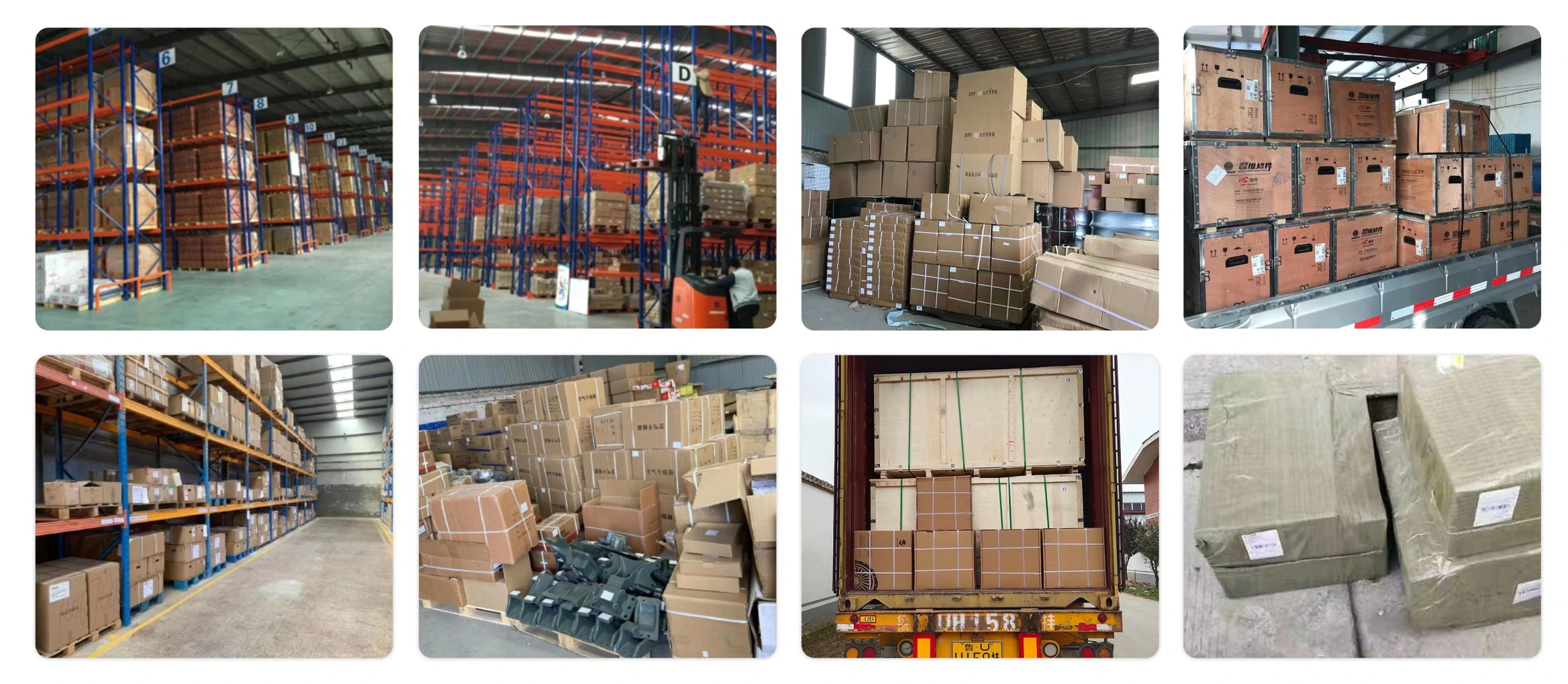
This packaging approach minimizes the risk of corrosion or impact damage, ensuring that parts like the FAW Cylinder Block Assembly arrive in perfect condition. Customers can rely on FAW’s logistics for consistent quality and reliability.