Suporte dianteiro esquerdo de mola dianteira russa FAW: A âncora estrutural de 5 Componentes-chave para estabilidade de direção
O Suporte dianteiro esquerdo de mola dianteira russa FAW a montagem é o principal ponto de referência geométrica para a suspensão do lado do motorista do caminhão basculante CA3250P66K24L1TE5Z. Ao contrário da manilha traseira que permite o movimento, este suporte fixo estabelece a posição do eixo em relação ao chassi, influenciando diretamente a precisão da direção e a estabilidade da frenagem. Projetado com “76A” especificação metalurgia, este componente foi projetado para permanecer rígido sob as imensas cargas de cisalhamento encontradas nas operações de mineração na Sibéria. Esta análise técnica explora a densidade de fundição, a lógica de fixação de plano duplo, e os fatores críticos de alinhamento que definem este elemento de suspensão fundamental.

Suporte dianteiro esquerdo de mola dianteira russa FAW
Fundição Metalurgia e Distribuição de Cargas
A peça central desta montagem é o Suporte Frontal Esquerdo – Mola da folha frontal (Parte não. 2902441-76A). Esta peça fundida para serviço pesado serve como interface imóvel entre o trilho da estrutura do chassi e os componentes dinâmicos da suspensão. O “76A” a designação destaca uma composição específica de liga de ferro nodular otimizada para o mercado russo. Em condições que atingem -50°C, o ferro fundido padrão pode sofrer fratura frágil quando submetido às cargas de impacto de alta frequência de uma estrada de tábuas de lavar. O Suporte dianteiro esquerdo de mola dianteira russa FAW o material mantém ductilidade significativa, permitindo-lhe absorver picos de choque sem rachar, garantindo que o eixo dianteiro permaneça firmemente preso ao veículo.
O projeto arquitetônico do Suporte dianteiro esquerdo de mola dianteira russa FAW apresenta uma estrutura em membrana que maximiza a rigidez enquanto minimiza o peso. As nervuras internas são estrategicamente posicionadas para canalizar as cargas verticais do olhal da mola de lâmina para cima, para a alma vertical do trilho do chassi.. Simultaneamente, o suporte deve resistir às imensas forças longitudinais geradas durante frenagens bruscas. Quando o motorista pisa no freio, a inércia do caminhão de 30 toneladas tenta rasgar o Suporte dianteiro esquerdo de mola dianteira russa FAW avançar para fora do quadro. A pegada robusta da peça fundida distribui essas forças de cisalhamento por uma grande área de superfície, evitando a deformação do trilho da estrutura.
Além disso, a precisão de usinagem do furo do pino dentro do Suporte dianteiro esquerdo de mola dianteira russa FAW é crítico. Este furo abriga o pino elástico e deve estar perfeitamente perpendicular à linha central do chassi. Qualquer desvio neste ângulo resulta em “ângulo de impulso” desalinhamento, fazendo com que o caminhão rastreie e desgaste os pneus dianteiros rapidamente. O processo de fabricação da FAW garante que o Suporte dianteiro esquerdo de mola dianteira russa FAW fornece uma base geométrica perfeita para a suspensão, essencial para manter a estabilidade em linha reta em rodovias geladas.
A proteção contra corrosão é essencial para a longevidade do Suporte dianteiro esquerdo de mola dianteira russa FAW. Localizado diretamente atrás da roda dianteira, é constantemente jateado pela areia da estrada e banhado em sais corrosivos de descongelamento. A peça fundida é tratada com primer epóxi multicamadas e acabamento preto chassi. Manter este revestimento é vital; se a ferrugem começar a escalar entre o suporte e o trilho da estrutura, “levantamento de ferrugem” pode ocorrer, forçando os componentes a se separarem e tensionando os parafusos de montagem até o ponto de falha.
Arquitetura de fixação de plano duplo
A segurança do Suporte dianteiro esquerdo de mola dianteira russa FAW é garantido por um sistema de fixação de plano duplo usando parafusos de flange de alta resistência. A montagem utiliza quatro Parafusos de flange de cabeça hexagonal (Parte não. Q1851465T) e quatro Parafusos de flange de cabeça hexagonal (Parte não. Q1851240T). A diferença nos números das peças e nos comprimentos prováveis indica que o suporte é fixado através de espessuras variadas do trilho da estrutura e dos revestimentos de reforço internos. Este padrão de aparafusamento escalonado foi projetado para distribuir a carga de fixação, evitando aumentos de tensão que podem levar à quebra da teia da estrutura.
Os parafusos usados no Suporte dianteiro esquerdo de mola dianteira russa FAW montagem são de grau 10.9 fixadores, capaz de suportar cargas de cisalhamento maciças. O design da cabeça do flange é um recurso crítico; eliminando a necessidade de uma lavadora separada, o flange fornece uma superfície de rolamento mais ampla que preenche os orifícios de folga no suporte. Isso garante que a força de fixação seja aplicada uniformemente, “soldagem” o suporte ao quadro através do aperto de fricção. No Suporte dianteiro esquerdo de mola dianteira russa FAW lógica, o atrito entre o suporte e a estrutura suporta a carga, não a resistência ao cisalhamento dos próprios parafusos.
Se esses parafusos perderem torque, a aderência de fricção é perdida, e o Suporte dianteiro esquerdo de mola dianteira russa FAW começará a mudar microscopicamente a cada ciclo de suspensão. Este movimento, conhecido como preocupação, alonga rapidamente os furos de montagem e destrói as superfícies de contato. Portanto, a aplicação de torque inicial durante a montagem e o reaperto subsequente após o primeiro 1,000 km são as etapas de manutenção mais críticas para preservar a integridade da suspensão dianteira.
O específico “T” O sufixo nos números das peças dos parafusos geralmente indica um revestimento de superfície especializado, como Dacromet ou Geomet, que fornece resistência à corrosão superior em comparação com o revestimento de zinco padrão. Isto garante que os parafusos do Suporte dianteiro esquerdo de mola dianteira russa FAW pode ser removido para serviço mesmo após anos de exposição aos duros elementos russos, em vez de apreender e exigir o corte da tocha, o que danifica o tratamento térmico do suporte.
Tecnologia Nut e Controle de Vibração
Complementando os parafusos de alta resistência estão as porcas de travamento: Porca de flange hexagonal (Parte não. CQ39714) e Porca de flange hexagonal (Parte não. CQ39712). Estas porcas são as guardiãs da força de fixação. No ambiente de alta vibração de um caminhão basculante a diesel, nozes padrão recuariam em poucas horas. O Suporte dianteiro esquerdo de mola dianteira russa FAW emprega porcas com uma característica de torque predominante – seja uma seção de rosca distorcida ou uma face de flange serrilhada – que resiste mecanicamente ao afrouxamento.
O uso de porcas flangeadas no lado interno da estrutura do chassi tem uma dupla finalidade. Primeiro, simplifica a montagem eliminando a necessidade de arruelas. Segundo, distribui a carga na superfície do trilho da estrutura. O trilho da estrutura do J6P é feito de aço de alta resistência, mas é mais fino que o suporte fundido. A ampla pegada do Suporte dianteiro esquerdo de mola dianteira russa FAW porcas de flange evitam que esmaguem o aço da estrutura, mantendo a integridade estrutural do próprio trilho do chassi.
A distinção entre CQ39714 e CQ39712 provavelmente se refere ao passo da rosca ou às diferenças de diâmetro que correspondem aos parafusos correspondentes. Garantir o emparelhamento correto é vital; um passo de rosca incompatível pode desgastar o parafuso ou fornecer uma leitura de torque falsa. No Suporte dianteiro esquerdo de mola dianteira russa FAW conjunto, rosquear uma porca em cruz é um erro grave que compromete a segurança do veículo. Os mecânicos devem acionar essas porcas manualmente para garantir o engate adequado antes de aplicar uma pistola de impacto.
É uma recomendação padrão da indústria tratar essas porcas flangeadas como itens de uso único em aplicações críticas de suspensão. Uma vez apertado para render, o recurso de travamento se deforma ligeiramente. Reutilizando-os no Suporte dianteiro esquerdo de mola dianteira russa FAW pode resultar em retenção de travamento reduzida. Dado o baixo custo das porcas em relação ao risco de um suporte de suspensão destacado, instalar novos fixadores durante qualquer grande reparo na estrutura é um investimento prudente na segurança da frota.
Estratégia de Inspeção e Substituição
Para gerentes de frota, o Suporte dianteiro esquerdo de mola dianteira russa FAW é a “verifique frequentemente” componente. A inspeção visual deve focar na interface entre o suporte e a estrutura. Quaisquer sinais de ferrugem (poeira vermelha) originados desta junta indicam parafusos soltos e desgaste ativo. Se detectado precocemente, reapertando o Suporte dianteiro esquerdo de mola dianteira russa FAW parafusos podem salvar os componentes. Se não for verificado, o movimento irá cortar os parafusos, fazendo com que o canto da suspensão desmorone.
Danos por impacto são outra preocupação. A posição do suporte o coloca na linha de fogo contra grandes pedras lançadas pelos pneus ou obstáculos atingidos fora da estrada. Enquanto o Suporte dianteiro esquerdo de mola dianteira russa FAW é robusto, um golpe direto pode quebrar o elenco. Um suporte rachado não pode ser soldado; o calor da soldagem destrói a têmpera do ferro nodular, tornando-o quebradiço. A substituição por uma unidade 2902441-76A genuína é o único método de reparo seguro.
Ao substituir o suporte, é fundamental apoiar corretamente o chassi e descarregar a mola de suspensão. O Suporte dianteiro esquerdo de mola dianteira russa FAW está sob tensão mesmo quando o caminhão está estático. Tentar remover os parafusos sem aliviar a carga da mola pode fazer com que o suporte salte com força perigosa. Seguir o procedimento correto de manutenção garante a segurança do técnico e o correto alinhamento do novo componente.
Em última análise, o Suporte dianteiro esquerdo de mola dianteira russa FAW é a âncora que mantém unida a geometria da direção do caminhão. Ao usar peças genuínas que atendam às “76A” padrões metalúrgicos e mantendo o torque adequado do fixador, os operadores garantem que seus caminhões basculantes CA3250P66K24L1TE5Z mantenham sua precisão de manuseio e segurança estrutural, milha após milha, nas condições mais difíceis do inverno.
Divisão de Componentes: Conjunto do suporte dianteiro esquerdo da mola dianteira
| Não. |
Número da peça |
Nome da peça |
Quantidade |
| 1 | CQ39714 | Porca de flange hexagonal | 4 |
| 2 | Q1851465T | Parafuso de flange hexágono | 4 |
| 3 | CQ39712 | Porca de flange hexagonal | 4 |
| 4 | Q1851240T | Parafuso de flange hexágono | 4 |
| 5 | 2902441-76A | Suporte Frontal Esquerdo – Mola da folha frontal | 1 |
Conclusão: A pedra angular da suspensão
O Suporte dianteiro esquerdo de mola dianteira russa FAW é a pedra angular estática sobre a qual depende o desempenho dinâmico da suspensão dianteira. Converte o caos da estrada em cargas estruturais controladas, protegendo o chassi contra fadiga e falhas. Ao combinar um “76A” fundição de ferro nodular com um sofisticado sistema de fixação por parafuso de flange, A FAW criou um componente que resiste às brutais realidades do inverno siberiano.
Para equipes de manutenção, priorizar a inspeção deste suporte é fundamental. Garantir que os parafusos de montagem permaneçam apertados de acordo com as especificações evita os danos insidiosos de atrito e garante que a direção do caminhão permaneça fiel. Investir em peças genuínas FAW para o Suporte dianteiro esquerdo de mola dianteira russa FAW é um investimento na segurança, confiabilidade, e longevidade de toda a frota de veículos.
Embalagem e Logística
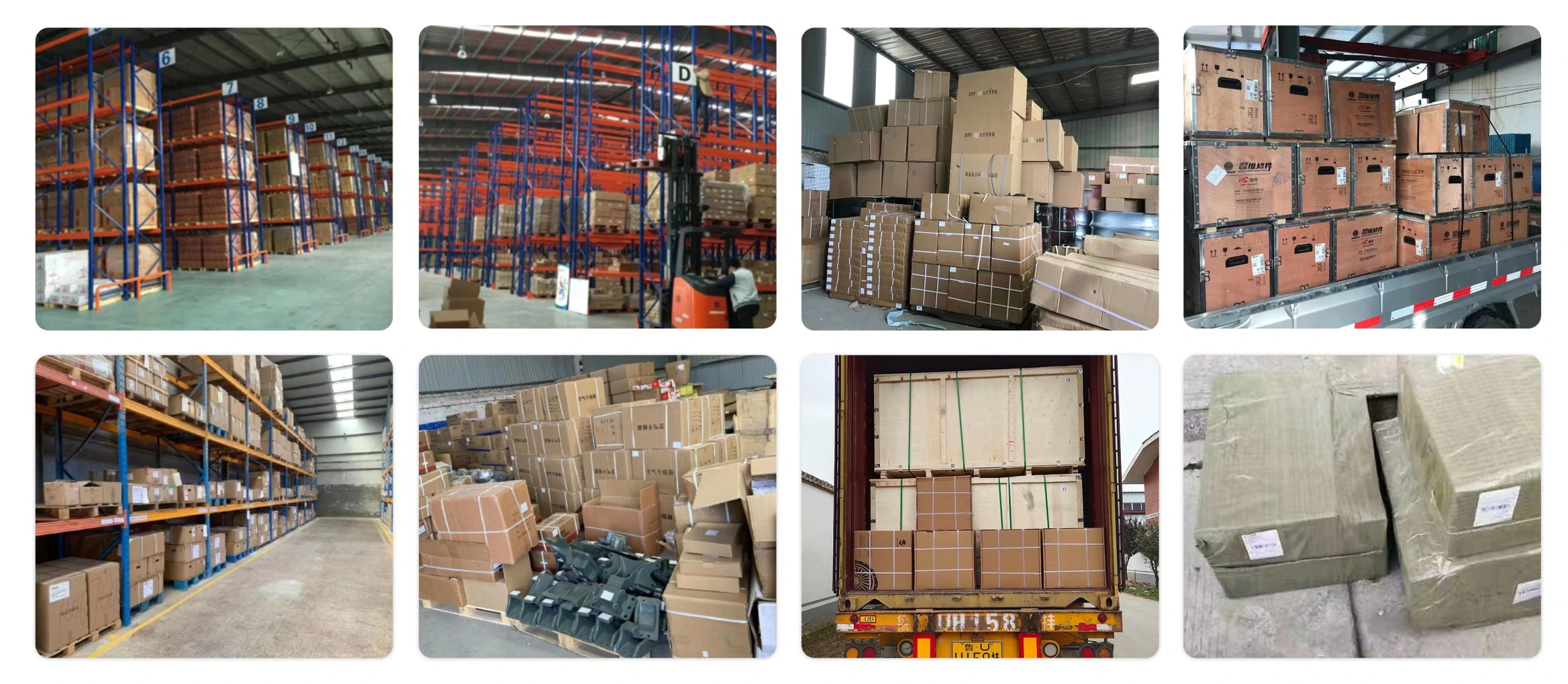
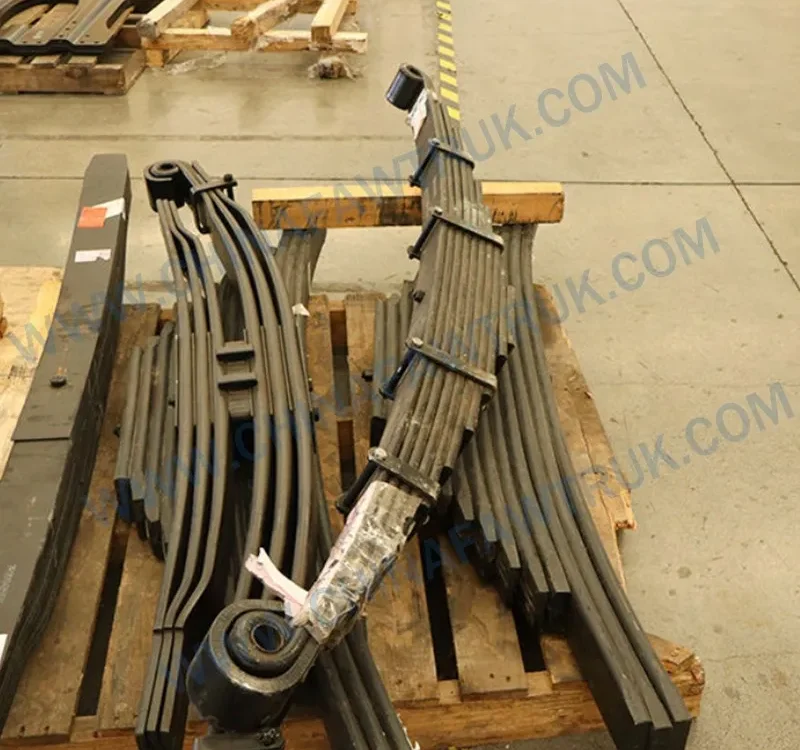
Peças FAW, incluindo o conjunto do bloco de cilindros, são embalados com cuidado para garantir uma entrega segura. Cada componente é protegido por materiais de proteção para evitar danos durante o transporte. A rede logística garante envios pontuais em todo o mundo, apoiando operações de manutenção eficientes. Abaixo está uma imagem ilustrando a embalagem padrão para peças de caminhão FAW, mostrando a atenção aos detalhes no manuseio e armazenamento.
Esta abordagem de embalagem minimiza o risco de corrosão ou danos por impacto, garantindo que peças como o conjunto do bloco de cilindros FAW cheguem em perfeitas condições. Os clientes podem confiar na logística da FAW para obter qualidade e confiabilidade consistentes.