Sistema de ventilação do cárter russo FAW: 11 Componentes vitais para uma respiração motora imbatível
O Sistema de ventilação do cárter russo FAW é o guardião respiratório do motor CA3250P66K24L1TE5Z, gerenciar pressões internas e reduzir emissões. Projetado para o frio extremo da Federação Russa, este conjunto evita bloqueios de gelo perigosos e rupturas de vedação. Este guia detalha a tecnologia do separador e a arquitetura da tubulação necessária para uma operação perfeita.

Sistema de ventilação do cárter russo FAW
O Separador de Petróleo-Gás: Lógica de Filtragem Avançada
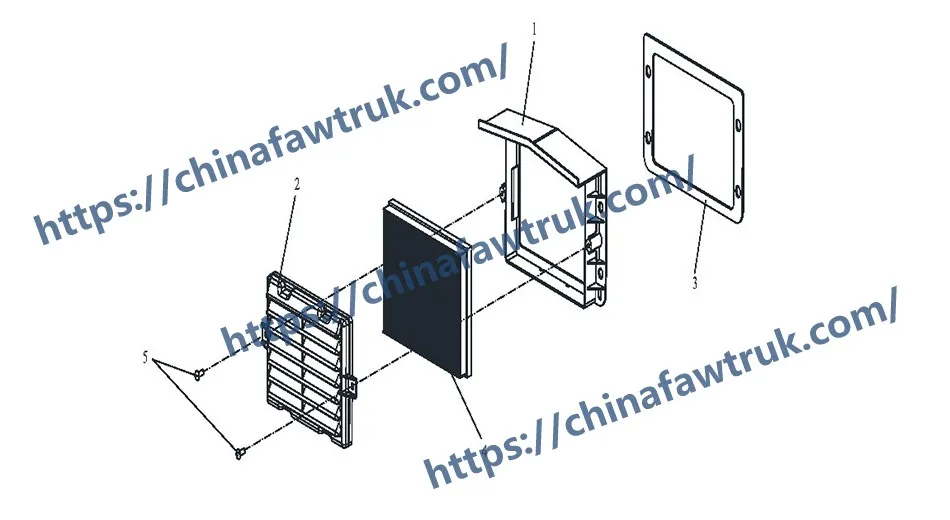
O núcleo funcional de toda a montagem é o Conjunto separador de gases de gás (Parte não. 1014010-81D). Dentro do Sistema de ventilação do cárter russo FAW, este componente tem uma função dupla crítica: ventilar gases de combustão enquanto recupera névoa de óleo suspensa. À medida que o motor funciona, de alta pressão “golpe” os gases escapam pelos anéis do pistão para o cárter. Sem extração, esses gases pressurizariam o motor, forçando o óleo para fora das vedações e juntas.
O separador utiliza tecnologia de impacto inercial para coalescer gotículas de óleo do fluxo de gás. No Ártico Russo, este processo é complicado pela condensação. O vapor de água criado durante a combustão pode misturar-se com o óleo para formar uma camada espessa., lama amarela conhecida como emulsão. O Sistema de ventilação do cárter russo FAW é projetado com grandes passagens internas e defletores específicos para evitar que esse lodo congele e bloqueie o fluxo de ar, que é uma causa comum de falha do motor no inverno.
Manter a eficiência do Conjunto separador de gases de gás é vital para o controle do consumo de óleo. Se o separador não conseguir capturar o óleo, é alimentado na admissão do motor, onde é queimado durante a combustão. Isto não só reduz o nível do óleo, mas também reveste a roda do compressor do turbocompressor e o intercooler com um resíduo pegajoso., reduzindo a eficiência térmica. O Sistema de ventilação do cárter russo FAW minimiza essa transferência, garantindo que apenas gás limpo seja recirculado ou ventilado.
A interface de montagem do separador é vedada pelo Junta – Respiradouro (Parte não. 1014027-53D). Esta junta deve suportar a agressão química do óleo de motor quente e o estresse físico da expansão térmica. No Sistema de ventilação do cárter russo FAW, um vazamento nesta junta resultaria em um vazamento de óleo externo confuso e potencialmente permitiria que ar não filtrado entrasse no cárter sob condições de vácuo, acelerando o desgaste interno.
Dinâmica de tubulação: Mangueiras e linhas de retorno
O transporte dos fluidos separados requer uma rede de mangueiras robustas, especificamente o Tubo de retorno de óleo (Parte não. 1014019-55R) e o Tubo de respiro (Parte não. 1014017-55R). No contexto do Sistema de ventilação do cárter russo FAW, a seleção de material para essas mangueiras não é negociável. As mangueiras de borracha padrão tornam-se quebradiças e semelhantes a vidro quando a temperatura cai para -40°C. A vibração do motor faria com que essas mangueiras quebrassem ou quebrassem, levando a vazamentos.
FAW utiliza um composto especializado de borracha sintética, muitas vezes reforçado com trança interna, para garantir que esses tubos permaneçam flexíveis em frio extremo. O Tubo de retorno de óleo é particularmente crítico; canaliza o óleo líquido recuperado de volta para o reservatório. Se este tubo ficar torcido ou bloqueado por gelo, o separador irá inundar, eventualmente forçando uma enorme quantidade de óleo na entrada. O desenho do Sistema de ventilação do cárter russo FAW garante um ângulo de drenagem por gravidade íngreme para evitar acúmulo.
O Tubo de respiro gerencia a ventilação dos gases limpos. Em sistemas abertos, direciona a fumaça para a atmosfera; em sistemas fechados, ele os encaminha para a entrada. Para o Sistema de ventilação do cárter russo FAW, garantir que este tubo esteja livre de obstruções é uma verificação de segurança primária. Um tubo de respiro bloqueado fará com que a vareta salte e o óleo espirre sobre o compartimento quente do motor devido ao acúmulo excessivo de pressão interna.
Proteger essas mangueiras é o Braçadeira de mangueira sem-fim tipo B (Números de peças. CQ67622B e CQ67650B). Ao contrário dos grampos de mola, que podem perder tensão com o tempo, braçadeiras de acionamento sem-fim permitem resultados positivos, torque ajustável. Isto é essencial para o Sistema de ventilação do cárter russo FAW onde os diâmetros das mangueiras podem encolher ligeiramente no frio. Os mecânicos devem garantir que essas braçadeiras estejam apertadas, mas não com torque excessivo a ponto de cortar a camada protetora da mangueira.
Estabilidade de montagem: Suportes e parafusos
Para evitar que as mangueiras longas se desgastem ou vibrem soltas, a montagem utiliza suportes específicos como o Suporte para tubo de retorno de óleo (Parte não. 1014027-81D) e o Suporte do tubo de respiro (Parte não. 1014018-81D). O Sistema de ventilação do cárter russo FAW opera em um ambiente de alta vibração. Sem esses suportes rígidos, a ressonância harmônica do motor diesel cansaria as conexões das mangueiras, levando à falha prematura.
Esses suportes são fixados usando Parafusos de flange hexágono (Números de peças. Q1841020 e Q1840820). O design da cabeça do flange é crucial para o Sistema de ventilação do cárter russo FAW pois elimina a necessidade de arruelas separadas, que pode ser descartado e perdido durante a manutenção de campo. O flange largo distribui a carga de fixação de forma eficaz, garantindo que os suportes permaneçam firmemente plantados contra o bloco do motor ou trilho do chassi.
A conexão do próprio separador geralmente usa o Parafuso de conexão (Parte não. 1014014-81D). Este é um parafuso oco especializado (parafuso de banjo) ou um pino de alta resistência projetado para lidar com o fluxo hidráulico ou carga estrutural. No Sistema de ventilação do cárter russo FAW, o torque adequado nesses parafusos é essencial. Parafusos soltos levam a vazamentos de vácuo, enquanto o aperto excessivo pode danificar as roscas nas caixas de alumínio, comuns nos componentes de ventilação modernos.
A proteção da superfície destas peças metálicas também é uma prioridade. Os suportes e parafusos no Sistema de ventilação do cárter russo FAW são tratados com zinco-níquel ou revestimento semelhante para resistir à forte salinidade das estradas russas. A corrosão aqui pode levar ao rompimento do suporte, permitindo que uma mangueira caia contra o coletor de escape quente, representando um risco significativo de incêndio para o veículo.
Lista detalhada de componentes
A tabela a seguir lista a divisão completa das peças para o Sistema de ventilação do cárter russo FAW. Os gerentes de frota devem usar esses números de peça específicos para garantir que as mangueiras e os separadores de reposição atendam às especificações para climas frios exigidas para o CA3250P66K24L1TE5Z.
| Não. |
Número da peça |
Nome da peça |
Quantidade |
| 1 |
1014027-53D |
Junta – Respiradouro |
1 |
| 2 |
1014010-81D |
Conjunto separador de gases de gás |
1 |
| 3 |
CQ67622B |
Braçadeira de mangueira sem-fim tipo B |
2 |
| 4 |
1014019-55R |
Tubo de retorno de óleo |
1 |
| 5 |
1014027-81D |
Suporte para tubo de retorno de óleo |
1 |
| 6 |
Q1841020 |
Parafuso de flange hexadecimal (Grosso/Padrão) |
1 |
| 7 |
1014014-81D |
Parafuso de conexão |
2 |
| 8 |
CQ67650B |
Braçadeira de mangueira sem-fim tipo B |
1 |
| 9 |
1014017-55R |
Tubo de respiro |
1 |
| 10 |
1014018-81D |
Suporte do tubo de respiro |
1 |
| 11 |
Q1840820 |
Parafuso de flange hexadecimal (Grosso/Padrão) |
1 |
Diagnóstico: Prevenção de bloqueios de gelo e lama
O modo de falha mais perigoso para o Sistema de ventilação do cárter russo FAW está congelando. No inverno, a umidade dos ciclos curtos condensa no separador e nas mangueiras. Se esta água congelar, bloqueia o caminho de ventilação. Os mecânicos devem inspecionar regularmente o Tubo de retorno de óleo para sinais de lama amarela ou gelo. Aquecer o tubo ou isolá-lo pode ser necessário em latitudes extremas ao norte para manter o fluxo.
Verifique o estado do Conjunto separador de gases de gás diafragma (se equipado internamente). Se o separador estiver entupido com depósitos de carbono, a pressão do cárter aumentará. Isso pode ser diagnosticado verificando se há excesso “golpe” pressão na tampa de abastecimento de óleo. Um saudável Sistema de ventilação do cárter russo FAW deve manter um leve vácuo ou pressão neutra; soprar fumaça indica um bloqueio ou anéis do motor desgastados.
Finalmente, verifique o aperto de todos Braçadeiras de mangueira de acionamento sem-fim. O fluxo frio das mangueiras de borracha pode fazer com que as conexões se soltem com o tempo. Uma mangueira solta no lado de sucção pode aspirar poeira, enquanto uma mangueira solta no lado da pressão vazará vapores oleosos na cabine. O reaperto periódico garante a Sistema de ventilação do cárter russo FAW permanece um circuito fechado, protegendo o motor e o meio ambiente.
Conclusão: Essencial para operações no Ártico
O Sistema de ventilação do cárter russo FAW é mais do que apenas equipamento de emissões; é um sistema crítico de sobrevivência para o motor em climas frios. Ao separar eficazmente o óleo dos gases e evitar o aumento de pressão, protege as vedações principais e o turbocompressor contra danos. Cada componente, desde as mangueiras resistentes ao congelamento até o separador inercial, desempenha um papel vital.
Para operadores de frota, compreender as necessidades de manutenção deste sistema é fundamental para evitar avarias no inverno. Negligenciando o Sistema de ventilação do cárter russo FAW pode levar a respiradores congelados e perda catastrófica de óleo. Usando peças genuínas da FAW e realizando inspeções regulares de lodo e gelo, você garante que seu caminhão basculante CA3250P66K24L1TE5Z permaneça confiável e eficiente, não importa o quão baixo o mercúrio caia.
Embalagem e Logística
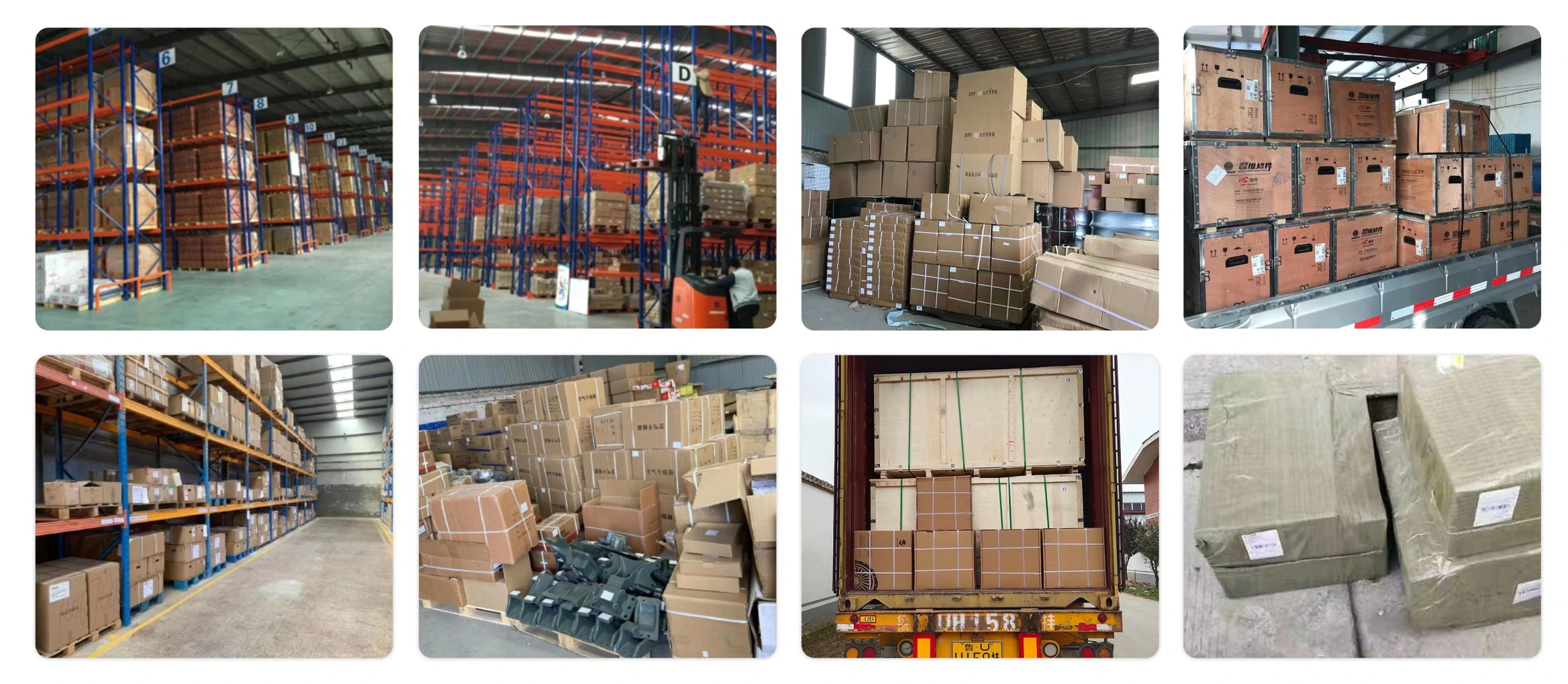
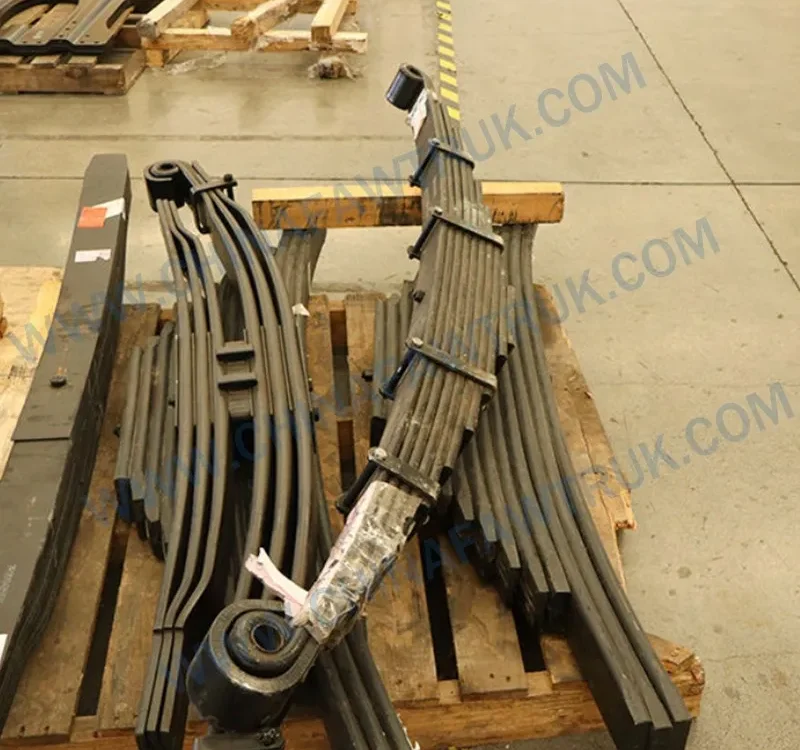
Peças FAW, incluindo o conjunto do bloco de cilindros, são embalados com cuidado para garantir uma entrega segura. Cada componente é protegido por materiais de proteção para evitar danos durante o transporte. A rede logística garante envios pontuais em todo o mundo, apoiando operações de manutenção eficientes. Abaixo está uma imagem ilustrando a embalagem padrão para peças de caminhão FAW, mostrando a atenção aos detalhes no manuseio e armazenamento.
Esta abordagem de embalagem minimiza o risco de corrosão ou danos por impacto, garantindo que peças como o conjunto do bloco de cilindros FAW cheguem em perfeitas condições. Os clientes podem confiar na logística da FAW para obter qualidade e confiabilidade consistentes.