por 


Bem-vindo a esta análise de componentes críticos do Molas e suportes a gás FAW conjunto (Conjunto 641). Este é o completo, 4-papel “levantar e segurar” sistema para o ‘Painel Externo Frontal’ (Conjunto 638) no FAW Jiefang CA4251P66K24T1A3E5 6×4 trator semirreboque diesel. Esta assembléia “lógica” é duplo: ele fornece o “músculo” para levantar o pesado painel frontal e o “segurança” para mantê-lo aberto com segurança, tudo isso enquanto está ancorado por um conjunto de robustos, colchetes dedicados.

O Molas e suportes a gás FAW montagem é o núcleo da fáscia “lógica de serviço.” O painel frontal deve ser aberto para acessar itens críticos de verificação diária, como o 'Limpador de pára-brisa’ (Conjunto 629) motor e o 'purificador’ (Conjunto 631) reservatório de fluido. Este sistema substitui o antigo, pesado, e hastes mecânicas perigosas com um sofisticado, seguro, e quase sem esforço movido a gás “lógica.”
Este guia detalhado é essencial para técnicos, gerentes de peças, e especialistas em colisões. Vamos desconstruir todo Molas e suportes a gás FAW montagem em seu 4 Unidade mínima utilizável distinta (Universidade Estadual de Moscou) tipos. Iremos analisar o “gás sobre petróleo” lógica das fontes principais, o “âncora estrutural” lógica dos colchetes, e o “antivibração” lógica das porcas de fixação de alta resistência.
O ‘conjunto de mola a gás – painel frontal’ (5302410-A01) é a tecnologia central do Molas e suportes a gás FAW sistema. A lista de peças pede dois (2) destes, um para cada lado. Esta MSU é selada, unidade não reparável que fornece o “elevador” e “segurar” lógica. Muitas vezes é chamado de “amortecedor a gás.”
Este componente “lógica” é um sofisticado “gás sobre petróleo” projeto, combinando dois princípios.
1. O “Lógica de Levantamento” (Gás Nitrogênio):
O corpo principal do suporte (o “cilindro”) é preenchido com alta pressão, gás nitrogênio inerte (Por exemplo, 200-500N). Este gás *quer* expandir, constantemente empurrando o mais fino “haste” *fora* do cilindro. Esse “empurrando” força é a “lógica” do elevador.
Quando a ‘Fáscia Frontal’ (Conjunto 638) é destravado através do 'Alça de liberação’ (Conjunto 639), esta pressão do gás, agindo em ambos os lados do painel, fornece o “músculo.” Automaticamente, e com o mínimo esforço do motorista, levanta o painel frontal pesado para sua posição totalmente aberta.
Esta pressão do gás também é a “mantendo a lógica.” Quando totalmente estendido, a pressão é o que mantém o painel aberto com segurança, agindo como um recurso de segurança crítico que evita que o painel pesado se feche, mesmo em condições de vento.
2. O “Lógica de Amortecimento” (Óleo Hidráulico):
Uma fonte cheia apenas de gás seria perigosa; seria “voar aberto” violentamente. Para controlar isso, o suporte também contém uma pequena quantidade de óleo hidráulico. Um pistão na extremidade da haste é forçado a se mover *através* deste óleo.
Esse “lógica de amortecimento de óleo” é o que torna o movimento suave e seguro. O óleo é forçado através de um pequeno, furo calibrado (um “orifício”) no pistão. Esse “hidráulico” ação retarda o movimento da haste, garantindo que o painel frontal abre e fecha em um controle, velocidade segura, não como um “com mola” catapulta.
3. Facilidade de manutenção (Universidade Estadual de Moscou):
O ‘conjunto de mola a gás’ é um MSU de alto desgaste. Seu interno, vedações de alta pressão se desgastam com o tempo, tipicamente 5-7 anos. O “lógica” A falha é que o gás nitrogênio vaza lentamente pela vedação.
Os sintomas são progressivos: primeiro, o painel irá parar de levantar *totalmente* por conta própria. Então, não vai levantar *de jeito nenhum*. Finalmente, e mais perigosamente, ele *não vai ficar acordado*, apresentando um grande risco à segurança. Como um MSU selado, não pode ser “re-gaseificado.” O Molas e suportes a gás FAW deve ser substituído, e é obrigatório substituí-los *como um par* para garantir uma força de elevação uniforme e evitar a torção do painel frontal.
O Molas e suportes a gás FAW requerem uma base sólida. Este é o “lógica” do ‘Conjunto do suporte inferior esquerdo’ (5302445-A01) e o 'conjunto do suporte inferior direito’ (5302450-A01).
Estas duas MSUs são as dedicadas, serviço pesado “pontos de ancoragem” para a extremidade inferior das molas a gás. As extremidades superiores são fixadas em colchetes (Conjunto 638, P/N 5302220-D03) no próprio painel frontal.
Lógica de Construção: Estes não são simples, placas planas. Eles são complexos, fabricado (soldado) suportes feitos de material pesado, Aço de alta resistência. Deles “lógica” é ser imensamente forte, pois eles devem suportar a constante “empurrando” força das molas a gás quando o painel está fechado, e o “puxando” (tração) força enquanto as molas seguram o peso do painel quando aberto.
Eles são imagem espelhada, “esquerda” e “certo” peças, projetado para ser aparafusado com segurança à antepara principal da cabine ou à estrutura do chassi do caminhão. Eles apresentam um furo perfurado com precisão ou um pino esférico integrado para aceitar o “olho” da mola a gás.
Facilidade de manutenção (Universidade Estadual de Moscou): Esses suportes são itens que não podem ser usados. São MSUs que só são substituídas após uma colisão frontal que tenha dobrado, rachado, ou deformá-los. Um suporte danificado irá desalinhar todo o Molas e suportes a gás FAW sistema, fazendo com que o painel frontal feche de maneira irregular ou “vincular” de um lado.
Este MSU final é o “lógica” que detém o Molas e suportes a gás FAW montagem em conjunto em um ambiente de alta vibração. O ‘Tipo 1 porca sextavada de inserção não metálica’ (032806F6) é um componente crítico de segurança.
O “Nyloc” Lógica: Este é um “Nyloc” ou “torque predominante” contraporca. Isso é “lógica” vem do “inserção não metálica”—um anel de náilon resistente embutido na coroa da noz.
À medida que a porca é apertada no pino esférico da mola a gás (ou o pino de montagem do suporte), os fios *cortados* neste náilon. Isto cria uma intensa, 360-grau de fricção “pegada” isso é *imune à vibração*.
Por que isso é “Lógica” essencial? Uma mola a gás vibra constantemente com o motor e a estrada. Uma porca padrão *vibraria* solta, recue seus fios, e cair. Isso faria com que a mola a gás se soltasse (muitas vezes violentamente), potencialmente quebrando o painel frontal ou fazendo com que ele se feche. O “lógica” desta noz Nyloc é evitar esta falha catastrófica.
Facilidade de manutenção (Universidade Estadual de Moscou): A quantidade de quatro (4) é a chave. Isso fornece duas porcas para cada mola a gás: um para o ponto de montagem superior (na fáscia) e um para o ponto de montagem inferior (no suporte). Essas nozes são **MSUs estritamente de uso único**. Uma vez removido, a inserção de náilon é “corte” e comprometido. Perdeu sua capacidade de travamento. A reutilização destas porcas é um erro crítico de segurança. Um novo conjunto *deve* ser usado toda vez que o Molas e suportes a gás FAW são atendidos.
A tabela a seguir fornece o completo, detalhamento de todos 4 tipos de componentes identificados no Molas e suportes a gás FAW montagem para o trator FAW CA4251P66K24T1A3E5.
| Marca | Parte não. | Nome da peça | Quantidade |
|---|---|---|---|
| 1 | 5302410-A01 | Conjunto de mola a gás – painel frontal | 2 |
| 2 | 5302445-A01 | Conjunto do suporte inferior esquerdo – mola a gás (este 5302451-A01) | 1 |
| 3 | 5302450-A01 | Conjunto do suporte inferior direito – mola a gás | 1 |
| 4 | 032806F6 | Tipo 1 porca sextavada de inserção não metálica | 4 |
As especificações para o Molas e suportes a gás FAW são definidos por sua função como um produto crítico para a segurança “levantar e segurar” sistema para o painel frontal.
| Aplicação em veículos | FAW Jiefang CA4251P66K24T1A3E5 6×4 Trator |
| Grupo de Componentes | Molas e suportes a gás FAW |
| Tipo de sistema | Sistema de mola amortecida gás sobre óleo |
| Lógica Primária | Elevação Assistida, Movimento amortecido, e retenção de segurança aberta |
| Universidade Estadual de Moscou 1 (Primavera) | 'Conjunto de mola a gás’ (5302410-A01) – Quantidade 2 |
| Universidade Estadual de Moscou 2 (Suporte) | ‘Conjunto do suporte inferior esquerdo’ (5302445-A01) – Quantidade 1 |
| Universidade Estadual de Moscou 3 (Suporte) | ‘Conjunto do suporte inferior direito’ (5302450-A01) – Quantidade 1 |
| Universidade Estadual de Moscou 4 (Fixador) | '…porca sextavada’ (032806F6) – Quantidade 4 |
| Lógica do Fixador | Antivibração (Porca de bloqueio de inserção de nylon) |
| Facilidade de manutenção | Todos os componentes são MSUs. Nozes (Universidade Estadual de Moscou 4) são **de uso único**. Molas (Universidade Estadual de Moscou 1) deve ser substituído em pares. |
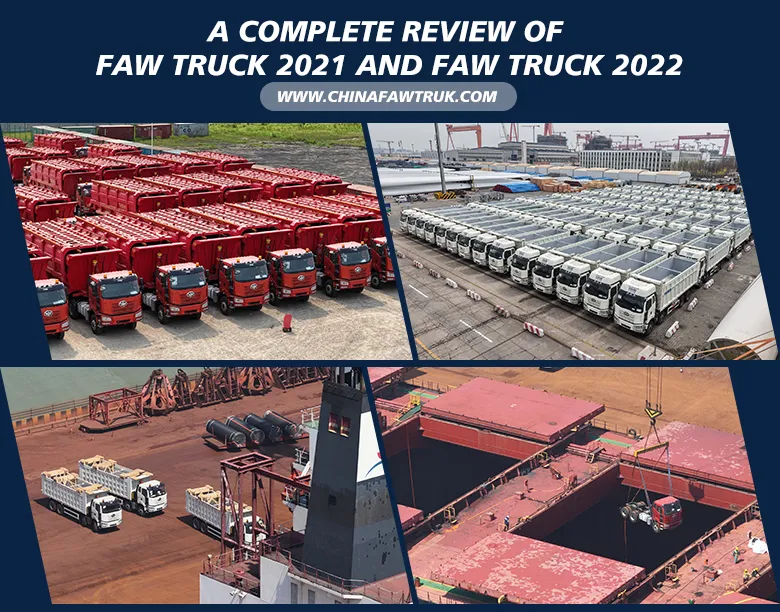
Peças FAW, incluindo o conjunto do bloco de cilindros, são embalados com cuidado para garantir uma entrega segura. Cada componente é protegido por materiais de proteção para evitar danos durante o transporte. A rede logística garante envios pontuais em todo o mundo, apoiando operações de manutenção eficientes. Abaixo está uma imagem ilustrando a embalagem padrão para peças de caminhão FAW, mostrando a atenção aos detalhes no manuseio e armazenamento.
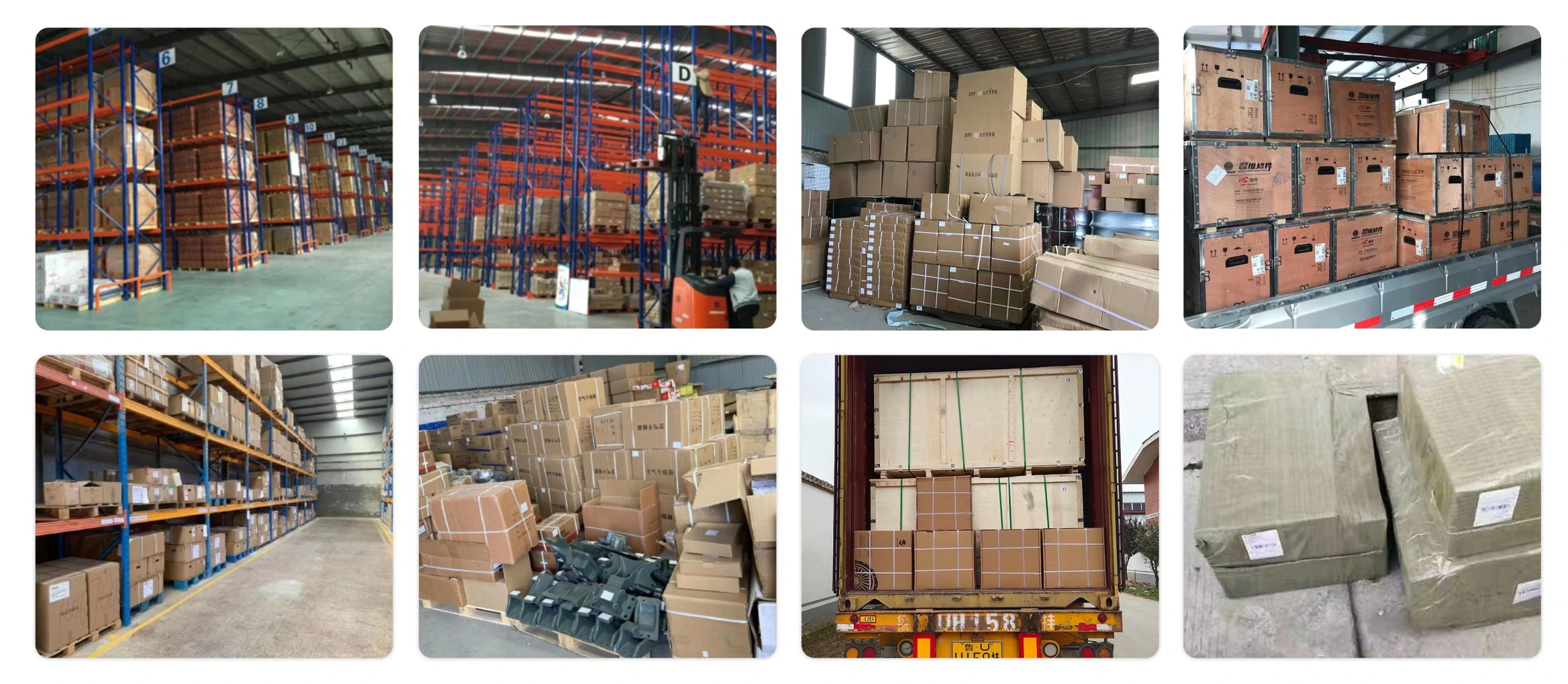
Esta abordagem de embalagem minimiza o risco de corrosão ou danos por impacto, garantindo que peças como o conjunto do bloco de cilindros FAW cheguem em perfeitas condições. Os clientes podem confiar na logística da FAW para obter qualidade e confiabilidade consistentes.