par 


Bienvenue dans cette critique “logique de confort” analyse de la Assemblage logique FAW pour canalisations de climatisation et de chauffage (Assemblée 716). C'est le complet, 9-type de composant, “système circulatoire” pour la moitié *chauffage* du système CVC sur le FAW Jiefang CA4251P66K24T1A3E5 6×4 tracteur. Cette assemblée est la “logique” système qui transporte en toute sécurité le liquide de refroidissement chaud du moteur (antigel) du bloc moteur au « noyau de chauffage » de la cabine’ (Assemblée 709).

Le “logique” de la Assemblage logique FAW pour canalisations de climatisation et de chauffage est d'agir comme un durable, étanche, et résistant à la chaleur “plomberie” réseau. Il est conçu pour résister à des températures de 90 à 100°C, 15-20 PSI de pression, et constante, vibration du moteur à haute fréquence. Ce système est la clé pour fournir un chauffage fiable de la cabine pour le confort du conducteur et des capacités de dégivrage vitales pour le « pare-brise avant ».’ (Assemblée 630).
Ce guide détaillé est essentiel pour les techniciens CVC et les gestionnaires de pièces.. Nous déconstruirons l'ensemble Assemblage logique FAW pour canalisations de climatisation et de chauffage dans son 9 types de composants réparables distincts. Nous analyserons le “multicouche” logique des principaux « Tuyaux d’entrée/sortie », le “joint anti-fumée” logique des « Articulations », et la critique “anti-frottement” logique de la pince 17 pièces, support, et système de fixation.
Le “artères” de la Assemblage logique FAW pour canalisations de climatisation et de chauffage sont ses deux durites principales. Ce sont les principaux composants réparables de ce système.
1. Composant 1: « Tuyau d'arrivée’ (8116711-90U)
C'est le “fournir” doubler. C'est “logique” consiste à puiser dans le système de refroidissement du moteur (Par exemple, au niveau de la culasse ou de la pompe à eau) et transport *chaud* (90°C+) liquide de refroidissement *vers* le « noyau de chauffage’ (Assemblée 709) à l'intérieur de la cabine.
“Multicouche” Logique: Ce n'est pas un simple tube en caoutchouc. C'est un “multicouche” tuyau composite, généralement constitué d'un EPDM intérieur (Monomère d'éthylène propylène diène) caoutchouc, une centrale “rayonne” ou “aramide” tresse de renfort en fibres, et un dur, Revêtement extérieur en EPDM résistant à l'abrasion. Ce “logique” est critique pour:
2. Composant 2: « Tuyau de sortie’ (8116712-90U)
C'est le “retour” doubler. Une fois le liquide de refroidissement “abandonné” sa chaleur dans le « Heater Core »’ (709), ce tuyau est “logique” est de transporter le (maintenant plus cool) liquide de refroidissement *retour* au système de refroidissement du moteur (Par exemple, au radiateur ou à la pompe à eau) être réchauffé.
3. Le “Ajustement moulé” Logique (Les deux tuyaux):
Le plus critique “logique” de ces tuyaux est leur forme. Ils ne sont pas hétéros. Ils sont “pré-moulé” à l'usine dans un, 3Forme D. Ce “logique” est essentiel pour une sécurité, installation fiable. Les coudes prémoulés sont conçus pour acheminer *parfaitement* le tuyau autour du collecteur d'échappement chaud.’ (Assemblée 132), la colonne de direction mobile, et le bloc moteur vibrant.
Facilité d'entretien: Les tuyaux sont les #1 point de défaillance dans un système de chauffage. Après 5-10 années, le caoutchouc EPDM durcit, devient cassant, et “fuites à froid” aux « Pinces »’ (Composant 3), ou développe “points faibles” et renflements, ce qui peut conduire à une explosion catastrophique. Un tuyau de chauffage éclaté videra rapidement le moteur du liquide de refroidissement, conduisant à une surchauffe. Cela fait de ces tuyaux un élément essentiel, pièce réparable à forte usure.
Ce groupe de composants est le “infrastructure” de la Assemblage logique FAW pour canalisations de climatisation et de chauffage.
Composants 5 & 7: « Joint de conduite d'eau’ (8116061-90U & 8116703-590): Ce sont les “interface” logique. Ce sont les “passages de pare-feu.”
Leur “logique” est de fournir un “cloison” connexion, permettant aux tuyaux d'entrée/sortie en caoutchouc’ passer en toute sécurité à travers le pare-feu métallique de la cabine (« Assemblage de cabine soudé’ 617). Ils sont fabriqués en polymère ou en laiton résistant à la corrosion. Leur plus critique “logique” est l'intégré “passe-fil,” ce qui crée un 100% joint hermétique. Ce “joint anti-fumée” la logique est un dispositif de sécurité qui empêche les fumées du compartiment moteur (CO) d'être “sucé” dans la prise CVC de la cabine.
Composant 8: « Support fixe de conduite d'eau de chauffage’ (8116074-91W): C'est le “ancre” logique. Le long de, 1-tuyau de compteur, plein d'eau lourde et vibrant avec le moteur, est un “incontrôlé” composant. Ce support est “logique” est d'être le “ancre,” fixer solidement les tuyaux (via des pinces) au châssis. Ce “anti-frottement” la logique empêche les flexibles de frotter contre le châssis, qui finirait par porter un trou.
Ce dernier groupe de 11 les composants sont les “logique de fixation” pour le Assemblage logique FAW pour canalisations de climatisation et de chauffage.
Composants 3 & 6: « Collier de serrage à vis sans fin’ (CQ67627B / CQ67635B) – Quantité 4 total: C'est le “joint haute pression” logique. Ce ne sont *pas* de simples pinces à ressort. UN “entraînement à vis sans fin” (à vis) la pince offre une vue à 360 degrés, couple élevé “serrage” forcer. Ce “logique” est ce qui scelle les tuyaux en caoutchouc’ (1 & 2) sur les «Joints» métal/plastique’ (5 & 7), assurant un ajustement étanche sous 15+ PSI de pression.
Composant 4: « Sangle de retenue en plastique’ (T67427946) – Quantité 6: C'est le “anti-frottement” logique. Ces 6 sangles (attaches zippées) sont des pièces réparables critiques. Leur “logique” est de regrouper les “entrée” et “sortie” flexibles ensemble et/ou fixez-les *loin* des autres composants (comme l'arbre de direction). Une sangle manquante est la principale cause d'un “frotter” fuite de tuyau.
Composant 9: « Boulon combiné’ (CQ1460620) – Quantité 1: C'est le “anti-vibration” logique. Ce boulon unique est utilisé pour monter le « support fixe »’ (Composant 8) au châssis. Le “Combinaison” (combinaison) la logique est sa *rondelle de blocage captive*, ce qui empêche le support de vibrer de manière lâche.
Le tableau suivant fournit l'intégralité, ventilation détaillée de tous 9 types de composants identifiés dans le Assemblage logique FAW pour canalisations de climatisation et de chauffage pour le tracteur FAW CA4251P66K24T1A3E5.
| Marque | Partie no. | Nom de la pièce | Quantité |
|---|---|---|---|
| 1 | 8116711-90U | Tuyau d'arrivée | 1 |
| 2 | 8116712-90U | Tuyau de sortie | 1 |
| 3 | CQ67627B | Collier de serrage à vis sans fin B | 3 |
| 4 | T67427946 | Sangle de retenue en plastique | 6 |
| 5 | 8116061-90U | Joint de conduite d'eau | 1 |
| 6 | CQ67635B | Collier de serrage à vis sans fin B | 1 |
| 7 | 8116703-590 | Joint de tuyau d'eau de chauffage | 1 |
| 8 | 8116074-91W | Support fixe de tuyau d'eau de chauffage | 1 |
| 9 | CQ1460620 | Boulon combiné | 1 |
Les spécifications pour le Assemblage logique FAW pour canalisations de climatisation et de chauffage sont définis par sa fonction de système haute pression, haute température “système circulatoire” pour le chauffage de la cabine.
| Demande de véhicule | FAW Jiefang CA4251P66K24T1A3E5 6×4 Tracteur |
| Groupe de composants | Assemblage logique FAW pour canalisations de climatisation et de chauffage |
| Type de système | Système de transport du liquide de refroidissement du noyau de chauffage |
| Logique primaire | Transport de liquide de refroidissement chaud (Entrée/Sortie) |
| Logique secondaire | Anti-frottement (Supports/sangles), Anti-fuite (Pinces), Joint de fumée (Articulations) |
| Composant 1 (Tuyaux) | « Tuyau d'arrivée’ (8116711-90U) & « Tuyau de sortie’ (8116712-90U) |
| Matériau du tuyau | Pré-moulé, Caoutchouc EPDM renforcé (Résistant au glycol) |
| Composant 2 (Pinces) | « Collier de serrage à vis sans fin’ (CQ67627B / CQ67635B) – 4 Total |
| Composant 3 (Montures) | '…Support fixe’ (8116074-91W) & « Boulon combiné’ (CQ1460620) |
| Composant 4 (Articulations) | « Joint de conduite d'eau’ (8116061-90U) & 'Chauffage… articulation’ (8116703-590) |
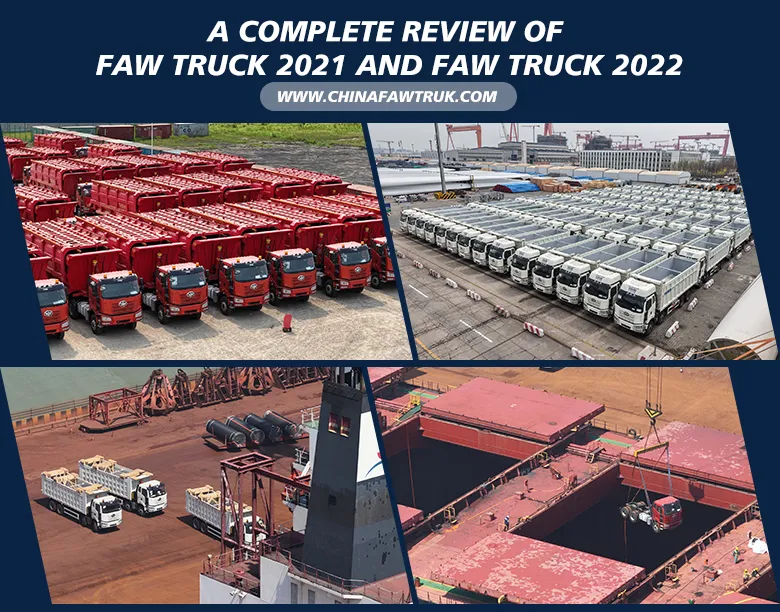
Pièces FAW, y compris l'ensemble bloc-cylindres, sont emballés avec soin pour garantir une livraison en toute sécurité. Chaque composant est sécurisé dans des matériaux de protection pour éviter tout dommage pendant le transport. Le réseau logistique garantit des expéditions ponctuelles dans le monde entier, soutenir des opérations de maintenance efficaces. Vous trouverez ci-dessous une image illustrant l'emballage standard des pièces de camion FAW., mettant en valeur l’attention portée aux détails dans la manipulation et le stockage.
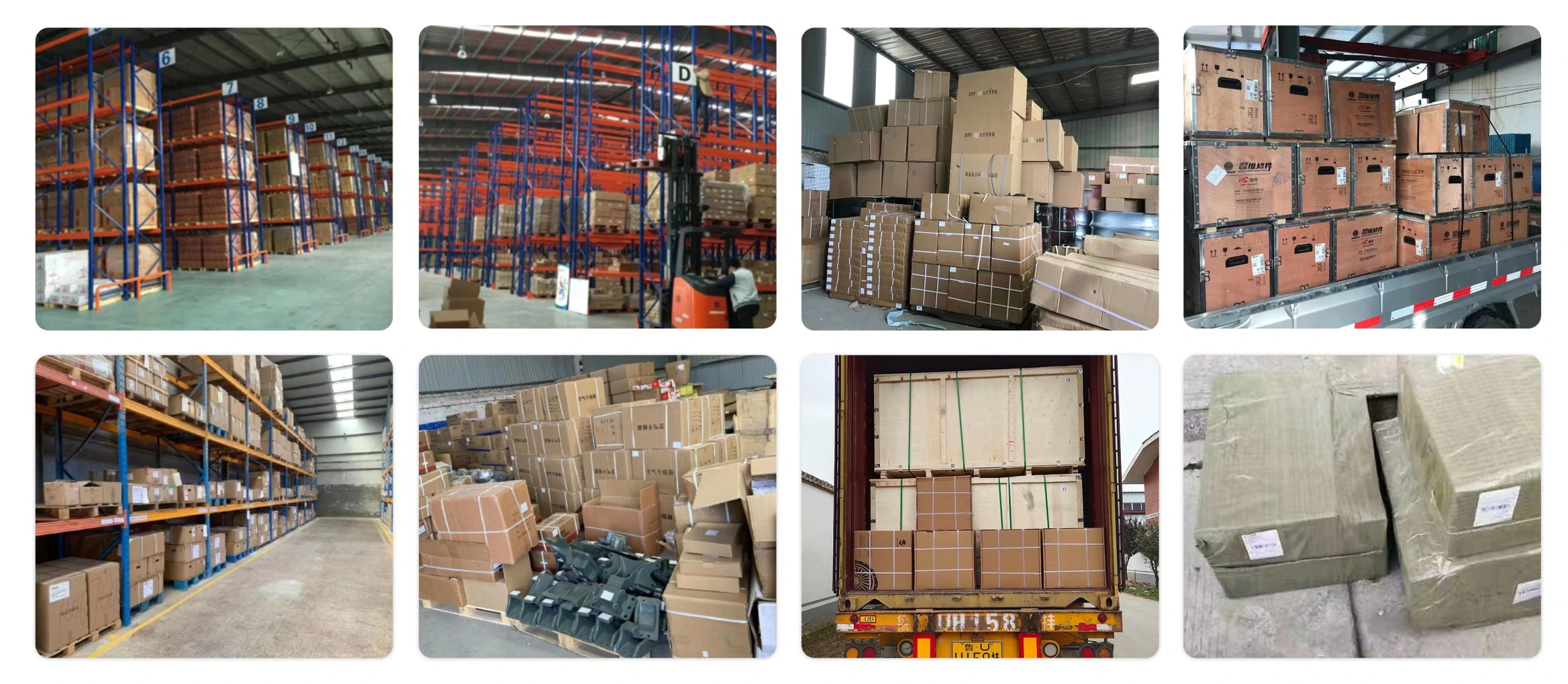
Cette approche d'emballage minimise le risque de corrosion ou de dommages causés par les chocs., s'assurer que les pièces comme l'ensemble bloc-cylindres FAW arrivent en parfait état. Les clients peuvent compter sur la logistique de FAW pour une qualité et une fiabilité constantes.