by 


Welcome to this in-depth engineering analysis of the FAW Soundproofing And Heat Insulation Pad assembly. This is the complete, 5-piece, multi-component kit for the FAW Jiefang CA4251P66K24T1A3E5 6×4 diesel semi-trailer tractor. This is not an optional trim; it is a critical engineering system designed with a dual “logic”: to create a quiet, comfortable, and safe operating environment for the driver by aggressively managing Noise, Vibration, and Harshness (NVH).

The FAW Soundproofing And Heat Insulation Pad assembly is a set of pre-molded, die-cut panels that line the cab’s “body-in-white” (the bare metal shell). It lines the firewall, floor, and rear wall. Its primary “logic” is to isolate the driver from the three main sources of discomfort: 1) low-frequency engine/drivetrain noise, 2) high-frequency road/tire/wind noise, and 3) intense heat soak from the engine, transmission, and exhaust.
This in-depth guide is essential for technicians, cab & chassis specialists, and parts managers. We will deconstruct the entire FAW Soundproofing And Heat Insulation Pad kit, breaking it down into its three distinct Minimum Serviceable Unit (MSU) types (A, B, and C). We will analyze the material science, acoustic logic, and thermal logic of each component.
The first function of the FAW Soundproofing And Heat Insulation Pad is acoustic management. A cab-over-engine truck places the driver directly on top of the primary noise source. Without this assembly, the in-cab noise level would be deafening, leading to rapid driver fatigue and potentially violating occupational health regulations.
The “logic” of these pads is not to *absorb* sound, but to *block* it. This is a common misconception. The pads are a “limp mass barrier.”
1. Mass-Loaded Vinyl (MLV): The core of the FAW Soundproofing And Heat Insulation Pad is a thin, heavy layer of Mass-Loaded Vinyl (MLV). This material is a high-density, flexible polymer. Its “logic” is simple physics: when sound waves (which are just pressure waves in the air) hit this heavy, “dead” mass, they do not have enough energy to move it. The sound wave’s energy is reflected back towards the source (the engine bay) or dissipated as a tiny amount of heat.
2. Decoupling Foam Layer: The MLV layer is attached to a layer of closed-cell foam. This foam’s “logic” is “decoupling.” It creates an air gap that isolates the MLV barrier from the cab’s metal floor. This is critical. Without it, the vibrations from the engine would travel *through* the metal floor and cause the MLV to vibrate, turning *it* into a speaker. The foam layer breaks this path of “structure-borne” noise.
This combined-material “logic” is what allows the FAW Soundproofing And Heat Insulation Pad to effectively block the two worst types of noise: the low-frequency “drone” of the diesel engine (managed by the MLV) and the high-frequency “whine” of the transmission and road/tires (managed by the foam).
The second, equally critical function of the FAW Soundproofing And Heat Insulation Pad is thermal management. The cab floor sits directly above the engine, transmission, and the main exhaust system, all of which can reach hundreds of degrees.
This creates a “heat soak” that makes the cab floor dangerously hot, overwhelms the air conditioning system, and can even melt the glue holding the cab’s vinyl flooring. The “logic” of the insulation is to fight all three types of heat transfer.
1. Reflective Foil Layer (Radiant Heat): Many of these pads, especially ‘Pad A’, will have a reinforced, heat-reflective foil layer on the side facing the engine/exhaust. The “logic” of this layer is to reflect *radiant heat*. The exhaust system, like a red-hot ember, radiates intense infrared energy. This foil layer acts like a mirror, reflecting up to 95% of this radiant energy back *away* from the cab floor.
2. Fibrous Mat Layer (Conductive/Convective Heat): The bulk of the FAW Soundproofing And Heat Insulation Pad is a thick, fibrous mat (made of jute, synthetic fibers, or fiberglass). The “logic” of this layer is to trap air. Trapped, unmoving air is one of the best insulators in the world. This layer effectively stops *conductive* heat (heat transferring directly from the hot transmission tunnel to the pad) and *convective* heat (hot air rising from the engine bay).
By combining these layers, the FAW Soundproofing And Heat Insulation Pad assembly keeps the cab floor cool and comfortable, reduces the load on the A/C system (saving fuel), and protects all interior plastics and wiring from thermal damage.
The FAW Soundproofing And Heat Insulation Pad assembly is a “kit” of 5 total pads, broken into 3 distinct MSU part numbers. This “logic” is for manufacturing and service.
MSU 1: ‘Soundproofing/insulation pad A’ (5109631-A01) – Qty 1
The “logic” of this being a single, unique part (Qty 1) means it is the largest, most complex pad. This is the **Firewall Pad**. It is a single, large, 3D-molded piece that contours perfectly to the complex shape of the cab’s firewall. It will have precision-cut, reinforced holes for the steering column, pedal assembly, and main electrical harness pass-through. This is the most important pad for blocking engine noise and heat.
MSU 2: ‘Soundproofing/insulation pad B’ (5109632-A01) – Qty 2
The “logic” of this part being a pair (Qty 2) means it is a “Left” and “Right” set. These are the **Floor Pan Pads**. They are die-cut to fit the floor pan on either side of the transmission tunnel, running from the firewall back to the seat mounts. They are the primary barrier against transmission heat/noise and road/tire noise.
MSU 3: ‘Soundproofing/insulation pad C’ (5109633-A01) – Qty 2
The “logic” of this second pair (Qty 2) is to cover the remaining areas. These are almost certainly the **Rear Cab Wall Pads**. The large, flat rear wall of the cab can act like a drum, resonating with chassis and wind noise. These pads are die-cut to fit this rear wall, absorbing this vibration and blocking noise from the chassis and trailer, completing the “acoustic cell” for the driver.
The FAW Soundproofing And Heat Insulation Pad is a “fit-and-forget” component, but it is a critical MSU. It is typically only replaced during a major cab refurbishment or after a specific type of damage.
Failure 1: Water Saturation (The #1 Killer): The most common reason for replacement. If a cab develops a water leak (from a bad windshield seal, door seal, or roof light), water will migrate under the vinyl flooring and saturate the FAW Soundproofing And Heat Insulation Pad. The fibrous layer acts like a sponge, trapping the water against the metal floor. This “logic” of failure leads to two massive problems: 1) a persistent mold/mildew smell, and 2) hidden, catastrophic rust-out of the cab floor pan. The pad *cannot* be dried; the fibers will clump and the anti-microbial treatments are washed away. It must be replaced.
Failure 2: Contamination: During a service, a fluid leak (diesel, oil, hydraulic fluid) can saturate a pad. This instantly destroys its acoustic properties (turning it from a “limp” mass to a “solid” mass) and creates a serious fire hazard. A contaminated FAW Soundproofing And Heat Insulation Pad must be replaced immediately.
Failure 3: Physical Damage: During a major service (like removing the dashboard to replace an HVAC core), a technician may be forced to cut or tear the ‘Pad A’ (Firewall Pad). A torn pad is acoustically useless, as sound will “leak” through the tear. The “logic” of service dictates that the damaged MSU be replaced to restore the cab’s quiet environment.
The following table provides the complete, detailed breakdown of all 3 component types (5 total pieces) identified in the FAW Soundproofing And Heat Insulation Pad assembly for the FAW CA4251P66K24T1A3E5 tractor.
| Mark | Part No. | Part Name | Quantity |
|---|---|---|---|
| 1 | 5109631-A01 | Soundproofing/insulation pad A | 1 |
| 2 | 5109632-A01 | Soundproofing/insulation pad B | 2 |
| 3 | 5109633-A01 | Soundproofing/insulation pad C | 2 |
The specifications for the FAW Soundproofing And Heat Insulation Pad are defined by its function as a multi-layered barrier against noise and heat, critical for driver comfort and safety.
| Vehicle Application | FAW Jiefang CA4251P66K24T1A3E5 6×4 Tractor |
| Component Group | FAW Soundproofing And Heat Insulation Pad |
| System Type | Cab NVH (Noise, Vibration, Harshness) Control Kit |
| Total Components | 5 Pads (in 3 MSU Types) |
| Logic 1 (Acoustic) | Mass-Loaded Vinyl (MLV) Barrier, Closed-Cell Foam Decoupler |
| Logic 2 (Thermal) | Reflective Foil (Radiant Barrier), Fibrous Mat (Insulator) |
| MSU 1 (Qty 1) | ‘Pad A’ (5109631-A01) – 3D Molded Firewall Pad |
| MSU 2 (Qty 2) | ‘Pad B’ (5109632-A01) – L/R Die-Cut Floor Pan Pads |
| MSU 3 (Qty 2) | ‘Pad C’ (5109633-A01) – L/R Rear Cab Wall Pads |
| Serviceability | Replacement of individual MSUs after water/oil contamination or physical damage. |
FAW parts, including the Cylinder Block Assembly, are packaged with care to ensure safe delivery. Each component is secured in protective materials to prevent damage during transit. The logistics network guarantees timely shipments worldwide, supporting efficient maintenance operations. Below is an image illustrating the standard packaging for FAW truck parts, showcasing the attention to detail in handling and storage.
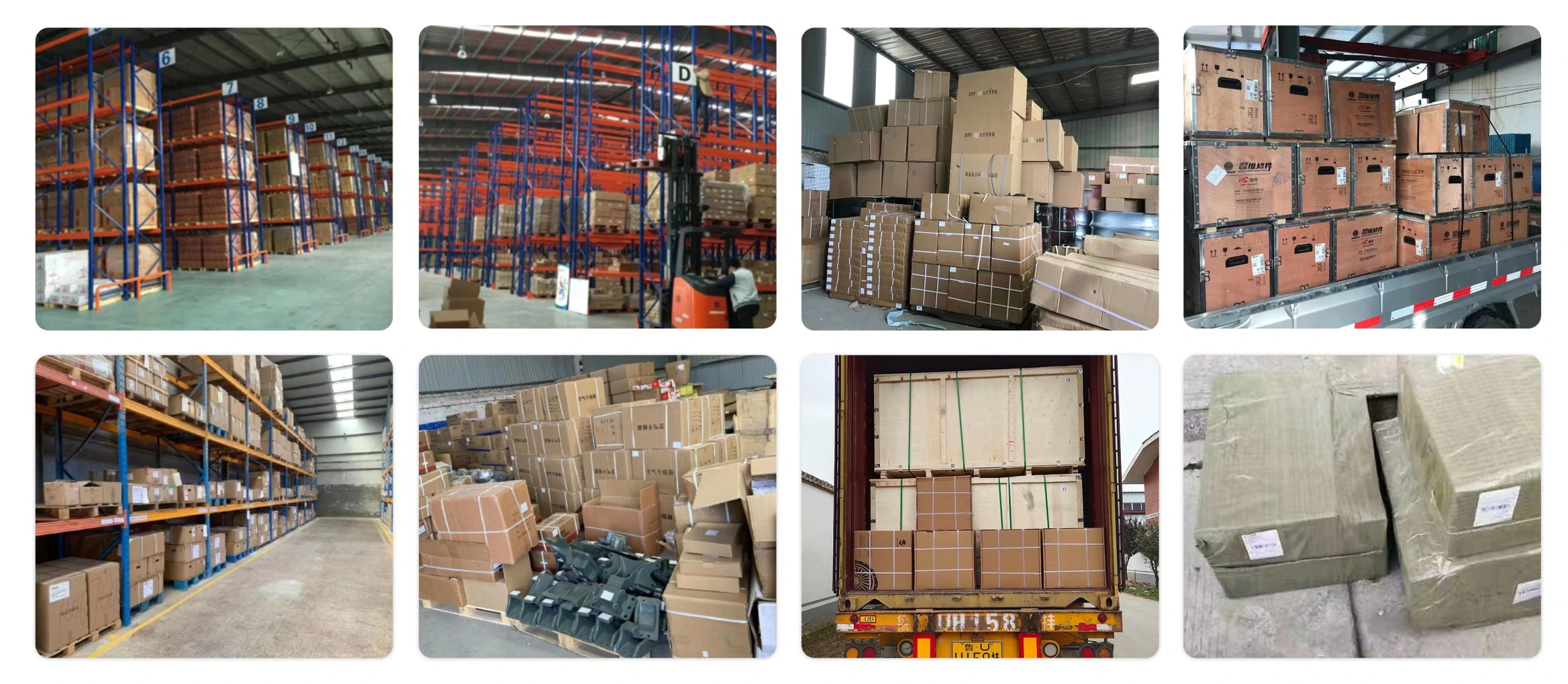
This packaging approach minimizes the risk of corrosion or impact damage, ensuring that parts like the FAW Cylinder Block Assembly arrive in perfect condition. Customers can rely on FAW’s logistics for consistent quality and reliability.