por 


Bienvenido a este análisis de ingeniería en profundidad del Almohadilla de insonorización y aislamiento térmico FAW asamblea. este es el completo, 5-pedazo, kit multicomponente para FAW Jiefang CA4251P66K24T1A3E5 6×4 tractor semirremolque diésel. Este no es un ajuste opcional.; Es un sistema de ingeniería crítico diseñado con un doble “lógica”: para crear un silencio, cómodo, y entorno operativo seguro para el conductor mediante una gestión agresiva del ruido, Vibración, y dureza (Nvh).

El Almohadilla de insonorización y aislamiento térmico FAW El conjunto es un conjunto de piezas premoldeadas., Paneles troquelados que recubren la cabina. “cuerpo en blanco” (la cáscara de metal desnudo). Alinea el firewall, piso, y pared trasera. su principal “lógica” es aislar al conductor de las tres principales fuentes de malestar: 1) Ruido de baja frecuencia del motor/tren de transmisión., 2) ruido de alta frecuencia de la carretera/neumáticos/viento, y 3) intenso calor absorbido por el motor, transmisión, y escape.
Esta guía detallada es esencial para los técnicos., taxi & especialistas en chasis, y gerentes de repuestos. Deconstruiremos todo Almohadilla de insonorización y aislamiento térmico FAW equipo, dividiéndolo en sus tres unidades mínimas de servicio distintas (Universidad Estatal de Michigan) tipos (A, B, y C). Analizaremos la ciencia de los materiales., lógica acústica, y lógica térmica de cada componente.
La primera función del Almohadilla de insonorización y aislamiento térmico FAW es la gestión acústica. Un camión con cabina sobre motor coloca al conductor directamente encima de la fuente principal de ruido.. Sin esta asamblea, El nivel de ruido en la cabina sería ensordecedor., lo que provoca una rápida fatiga del conductor y potencialmente viola las normas de salud ocupacional.
El “lógica” de estos pads no es para *absorber* el sonido, pero para *bloquearlo*. Este es un error común. Las almohadillas son un “barrera de masa flácida.”
1. Vinilo cargado en masa (MLV): El núcleo de la Almohadilla de insonorización y aislamiento térmico FAW es un delgado, capa pesada de vinilo cargado en masa (MLV). Este material es de alta densidad., polímero flexible. Es “lógica” es física simple: cuando las ondas sonoras (que no son más que ondas de presión en el aire) golpea tan fuerte, “muerto” masa, no tienen suficiente energía para moverlo. La energía de la onda sonora se refleja hacia la fuente. (el compartimiento del motor) o disiparse como una pequeña cantidad de calor.
2. Capa de espuma de desacoplamiento: La capa MLV está unida a una capa de espuma de células cerradas.. esta espuma “lógica” es “desacoplamiento.” Crea un espacio de aire que aísla la barrera MLV del piso metálico de la cabina.. esto es critico. Sin él, las vibraciones del motor viajarían *a través* del piso de metal y harían que el MLV vibre, convirtiéndolo *en un altavoz. La capa de espuma rompe este camino de “transmitido por la estructura” ruido.
Este material combinado “lógica” es lo que permite al Almohadilla de insonorización y aislamiento térmico FAW para bloquear eficazmente los dos peores tipos de ruido: la baja frecuencia “zumbido” del motor diesel (gestionado por el MLV) y la alta frecuencia “gimoteo” de la transmisión y carretera/neumáticos (gestionado por la espuma).
el segundo, función igualmente crítica de la Almohadilla de insonorización y aislamiento térmico FAW es la gestión térmica. El piso de la cabina se encuentra directamente encima del motor., transmisión, y el sistema de escape principal, todo lo cual puede alcanzar cientos de grados.
Esto crea un “remojo en calor” eso hace que el piso de la cabina esté peligrosamente caliente, Abruma el sistema de aire acondicionado., e incluso puede derretir el pegamento que sujeta el piso de vinilo de la cabina.. El “lógica” del aislamiento es luchar contra los tres tipos de transferencia de calor.
1. Capa de lámina reflectante (Calor radiante): Muchas de estas almohadillas, especialmente 'Pad A', tendrá un refuerzo, capa de lámina termorreflectante en el lado que mira hacia el motor/escape. El “lógica” de esta capa es reflejar *calor radiante*. El sistema de escape, como una brasa al rojo vivo, irradia intensa energía infrarroja. Esta capa de aluminio actúa como un espejo., reflejando hasta 95% de esta energía radiante regresa *lejos* del piso de la cabina.
2. Capa de estera fibrosa (Calor conductivo/convectivo): El grueso de los Almohadilla de insonorización y aislamiento térmico FAW es un grueso, estera fibrosa (hecho de yute, fibras sintéticas, o fibra de vidrio). El “lógica” de esta capa es para atrapar el aire. atrapado, El aire inmóvil es uno de los mejores aislantes del mundo.. Esta capa detiene eficazmente el calor *conductivo* (Transferencia de calor directamente desde el túnel de transmisión de calor a la almohadilla.) y calor *convectivo* (aire caliente saliendo del compartimento del motor).
Combinando estas capas, el Almohadilla de insonorización y aislamiento térmico FAW El montaje mantiene el piso de la cabina fresco y cómodo., Reduce la carga en el sistema de aire acondicionado. (ahorrando combustible), y protege todos los plásticos interiores y el cableado contra daños térmicos.
El Almohadilla de insonorización y aislamiento térmico FAW el montaje es un “equipo” de 5 almohadillas totales, irrumpido en 3 números de pieza MSU distintos. Este “lógica” es para fabricación y servicio.
Universidad Estatal de Michigan 1: «Almohadilla de insonorización/aislamiento A’ (5109631-A01) – Cantidad 1
El “lógica” de que este sea un solo, parte única (Cantidad 1) significa que es el más grande, pad más complejo. Este es el **Controlador de firewall**. es un solo, grande, 3Pieza moldeada en D que se adapta perfectamente a la compleja forma del cortafuegos de la cabina. Tendrá un corte de precisión, Orificios reforzados para la columna de dirección., conjunto de pedales, y paso del arnés eléctrico principal. Esta es la almohadilla más importante para bloquear el ruido y el calor del motor..
Universidad Estatal de Michigan 2: «Almohadilla de insonorización/aislamiento B’ (5109632-A01) – Cantidad 2
El “lógica” de que esta parte sea un par (Cantidad 2) significa que es un “Izquierda” y “Bien” colocar. Estas son las **Almohadillas para piso**. Están troquelados para adaptarse a la placa del piso a ambos lados del túnel de transmisión., corriendo desde el firewall hasta los soportes del asiento. Son la barrera principal contra la transmisión de calor/ruido y el ruido de la carretera/neumáticos..
Universidad Estatal de Michigan 3: «Almohadilla de insonorización/aislamiento C’ (5109633-A01) – Cantidad 2
El “lógica” de este segundo par (Cantidad 2) es cubrir las áreas restantes. Es casi seguro que estas sean las **Almohadillas de pared traseras de la cabina**. el grande, La pared trasera plana de la cabina puede actuar como un tambor., resonando con el chasis y el ruido del viento. Estas almohadillas están troqueladas para adaptarse a esta pared trasera., Absorbiendo esta vibración y bloqueando el ruido del chasis y el remolque., completando el “celda acustica” para el conductor.
El Almohadilla de insonorización y aislamiento térmico FAW es un “encajar y olvidar” componente, pero es una MSU crítica. Por lo general, solo se reemplaza durante una renovación importante de la cabina o después de un tipo específico de daño..
Falla 1: Saturación de agua (El #1 Asesino): La razón más común para el reemplazo.. Si una cabina tiene una fuga de agua (por un mal sello del parabrisas, sello de puerta, o luz del techo), El agua migrará debajo del piso de vinilo y saturará el Almohadilla de insonorización y aislamiento térmico FAW. La capa fibrosa actúa como una esponja., atrapando el agua contra el piso de metal. Este “lógica” del fracaso conduce a dos problemas enormes: 1) un olor persistente a moho/hongos, y 2) oculto, oxidación catastrófica del piso de la cabina. La almohadilla *no* se puede secar; Las fibras se aglutinarán y los tratamientos antimicrobianos se eliminarán.. debe ser reemplazado.
Falla 2: Contaminación: durante un servicio, una fuga de fluido (diesel, aceite, fluido hidraulico) puede saturar una almohadilla. Esto destruye instantáneamente sus propiedades acústicas. (convirtiéndolo de un “cojear” masa a un “sólido” masa) y crea un grave riesgo de incendio. Un contaminado Almohadilla de insonorización y aislamiento térmico FAW debe ser reemplazado inmediatamente.
Falla 3: Daño físico: Durante un servicio importante (como quitar el tablero para reemplazar un núcleo HVAC), un técnico puede verse obligado a cortar o rasgar la 'Almohadilla A'’ (Almohadilla de cortafuegos). Una almohadilla rota es acústicamente inútil, como lo hará el sonido “filtración” a través de la lágrima. El “lógica” de servicio dicta que se reemplace la MSU dañada para restaurar el ambiente silencioso de la cabina.
La siguiente tabla proporciona la información completa, desglose detallado de todos 3 tipos de componentes (5 piezas totales) identificado en el Almohadilla de insonorización y aislamiento térmico FAW Conjunto para el tractor FAW CA4251P66K24T1A3E5..
| Marca | Número de pieza. | Nombre de la pieza | Cantidad |
|---|---|---|---|
| 1 | 5109631-A01 | Almohadilla de insonorización/aislamiento A | 1 |
| 2 | 5109632-A01 | Almohadilla de insonorización/aislamiento B | 2 |
| 3 | 5109633-A01 | Almohadilla de insonorización/aislamiento C | 2 |
Las especificaciones para el Almohadilla de insonorización y aislamiento térmico FAW se definen por su función como barrera multicapa contra el ruido y el calor, fundamental para la comodidad y seguridad del conductor.
| Solicitud de vehículo | FAW Jiefang CA4251P66K24T1A3E5 6×4 Tractor |
| Grupo de componentes | Almohadilla de insonorización y aislamiento térmico FAW |
| Tipo de sistema | Cabina NVH (Ruido, Vibración, Dureza) Equipo de control |
| Componentes totales | 5 Almohadilla (en 3 Tipos de MSU) |
| Lógica 1 (Acústico) | Vinilo cargado en masa (MLV) Barrera, Desacoplador de espuma de celda cerrada |
| Lógica 2 (Térmico) | Lámina reflectante (Barrera radiante), Estera fibrosa (Aislante) |
| Universidad Estatal de Michigan 1 (Cantidad 1) | 'Almohadilla A’ (5109631-A01) – 3Almohadilla de cortafuegos moldeada en D |
| Universidad Estatal de Michigan 2 (Cantidad 2) | 'Almohadilla B’ (5109632-A01) – Almohadillas troqueladas para piso L/R |
| Universidad Estatal de Michigan 3 (Cantidad 2) | 'Almohadilla C’ (5109633-A01) – Almohadillas de pared de cabina trasera L/R |
| Utilidad | Reemplazo de MSU individuales después de contaminación por agua/aceite o daño físico. |
piezas FAW, incluido el conjunto del bloque de cilindros, Se empaquetan con cuidado para garantizar una entrega segura.. Cada componente está asegurado con materiales protectores para evitar daños durante el transporte.. La red logística garantiza envíos puntuales en todo el mundo., apoyando operaciones de mantenimiento eficientes. A continuación se muestra una imagen que ilustra el embalaje estándar de las piezas de camiones FAW., mostrando la atención al detalle en el manejo y almacenamiento.
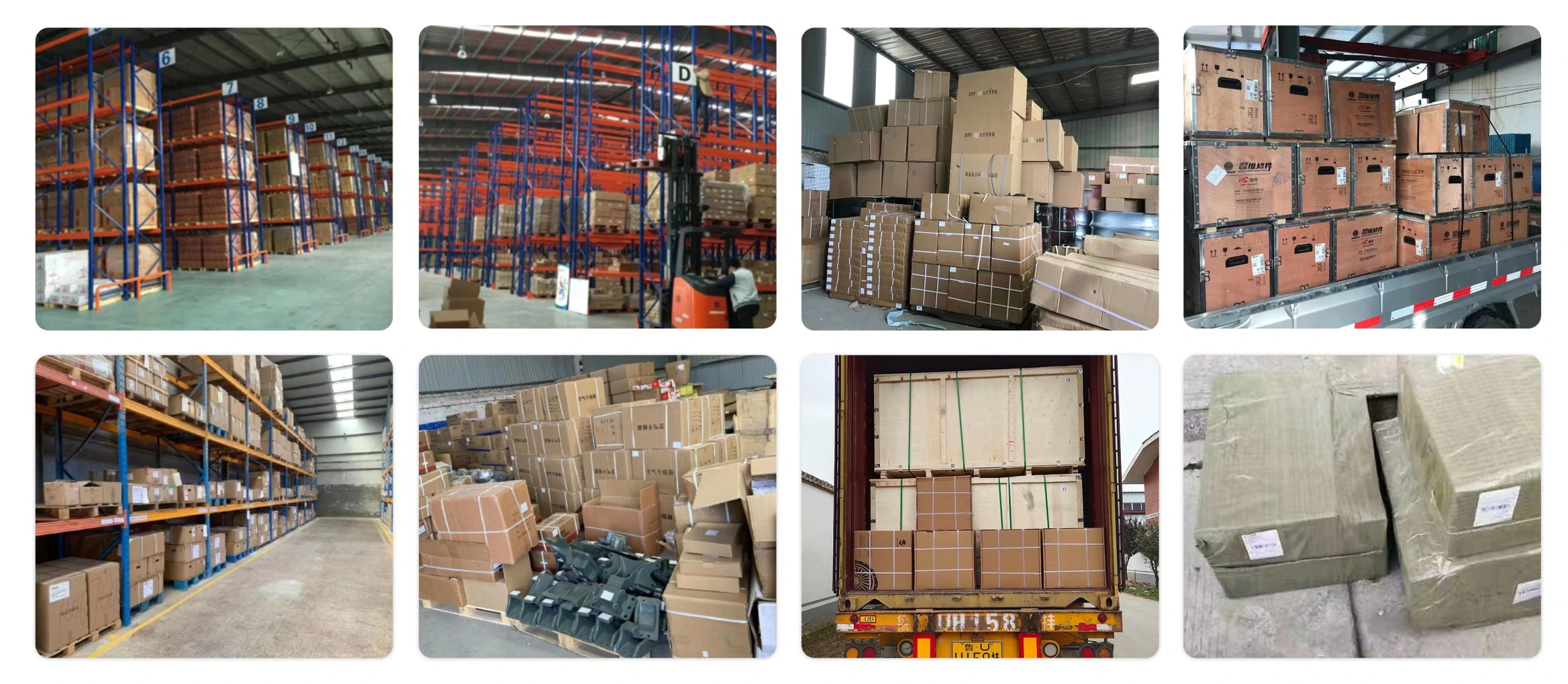
Este enfoque de embalaje minimiza el riesgo de corrosión o daños por impacto., asegurando que piezas como el conjunto de bloque de cilindros FAW lleguen en perfectas condiciones. Los clientes pueden confiar en la logística de FAW para obtener calidad y confiabilidad constantes.