Lógica de bloqueo del diferencial ruso FAW: 35 Componentes estratégicos para una tracción ártica imparable
El Bloqueo del diferencial ruso FAW El conjunto lógico es la solución definitiva de gestión de tracción para el camión volquete de servicio pesado CA3250P66K24L1TE5Z.. Diseñado para navegar por los traicioneros caminos de hielo del sector minero siberiano., Este sistema neumático-mecánico garantiza que el par se entregue por igual a ambas ruedas cuando la tracción se ve comprometida.. Anulando la acción diferencial estándar, este conjunto transforma el eje en un carrete sólido, proporcionando el agarre necesario para subir pendientes congeladas a -50°C. Esta guía técnica analiza la interacción crítica entre el cilindro neumático, la horquilla de cambio mecanica, y las mangas deslizantes.

Bloqueo del diferencial ruso FAW
Actuación neumática en frío extremo
La secuencia de activación del Bloqueo del diferencial ruso FAW comienza con el sistema neumático. A diferencia de las cerraduras hidráulicas que pueden volverse lentas a medida que los fluidos se espesan con el frío, Este sistema depende del aire comprimido entregado a través del codo. – Junta de tubería cónica (Número de pieza. CQ63505). Este accesorio canaliza aire a alta presión directamente al cilindro. – Bloqueo del diferencial entre ruedas (Número de pieza. 2406011-A0E). La geometría interna de este cilindro está pulida hasta obtener un acabado de espejo para minimizar la fricción., asegurando que el pistón – Bloqueo del diferencial entre ruedas (Número de pieza. 2406013-A0E) puede viajar sin problemas incluso cuando la temperatura ambiente cae muy por debajo del punto de congelación.
El punto crítico de falla en la mayoría de los sistemas neumáticos árticos es el sello.. El Bloqueo del diferencial ruso FAW soluciona esto utilizando una junta tórica especializada – Pistón de bloqueo del diferencial (Número de pieza. 2406014-55R). El “55R” el sufijo indica una formulación de elastómero de baja temperatura. Las juntas tóricas de goma estándar se endurecen y encogen en condiciones de frío extremo., creando fugas de aire que inutilizan la cerradura. Este componente especializado conserva su elasticidad., Mantener un sello hermético contra la pared del cilindro.. Esto asegura que cuando el conductor acciona el interruptor, toda la fuerza de la presión del aire se traduce en movimiento mecánico sin pérdida.
Para proteger estos sensibles componentes internos del duro entorno externo, el conjunto queda sellado con la tapa – Cilindro (Número de pieza. 2406016-A0E) y la junta – Tapa del cilindro (Número de pieza. 2406017-A0E). Esta junta evita que la humedad y la salmuera del camino entren en la carcasa del cilindro.. En el invierno ruso, cualquier entrada de agua se congelaría inmediatamente, bloquear el pistón en su lugar y potencialmente causar que el bloqueo del diferencial falle en la posición activada, lo cual es peligroso para conducir en carretera.
La integridad estructural de la carcasa neumática está asegurada por el perno. – Fijación de la tapa del cilindro de bloqueo del diferencial entre ruedas (Número de pieza. 2406018-A0E). Estos tres pernos deben apretarse con precisión para comprimir la junta de manera uniforme sin deformar la tapa.. La confiabilidad del Bloqueo del diferencial ruso FAW Depende de este conjunto hermético., ya que incluso una fuga menor puede reducir la fuerza de compromiso, lo que provoca el deslizamiento del engranaje y daños catastróficos en los manguitos deslizantes.
Engranaje mecánico y transferencia de par
Una vez que el pistón neumático se extiende, el Bloqueo del diferencial ruso FAW transiciones a la acción mecánica. La fuerza lineal del pistón empuja la horquilla de cambio. – Bloqueo del diferencial entre ruedas (Número de pieza. 2406024-A0E). Esta horquilla es una pieza fundida de alta resistencia diseñada para soportar la resistencia del collar de compromiso.. Se monta en el conjunto del eje de la horquilla de cambio. (Número de pieza. 2406025-A0E), que proporciona una guía precisa para garantizar que la horquilla se mueva en una línea perfectamente recta, evitando que se atasquen o se carguen fuera del eje.
La horquilla mueve físicamente la funda móvil. – Bloqueo del diferencial entre ruedas (Número de pieza. 2406032-A0E). Este manguito está estriado en el semieje y se desliza axialmente para acoplarse con el manguito fijo. – Bloqueo del diferencial entre ruedas (Número de pieza. 2406033-A0E), que está atornillado a la caja del diferencial. Cuando estas dos mangas se entrelazan, la acción diferencial está físicamente bloqueada. Los dientes de estas fundas están tratados térmicamente hasta alcanzar una dureza extrema para resistir “redondeando” si el conductor intenta activar el bloqueo mientras las ruedas giran a diferentes velocidades, un error común del operador en situaciones de pánico.
Asegurar los componentes fijos es el anillo de retención de alambre de acero. – Manguito fijo de bloqueo del diferencial (Número de pieza. 2406034-A0E). Este anillo simple pero vital garantiza que el manguito fijo no pueda salirse de su posición bajo las inmensas cargas de torsión generadas cuando un camión de 30 toneladas completamente cargado intenta subir una pendiente.. El Bloqueo del diferencial ruso FAW El diseño prioriza la retención positiva de todos los componentes., ya que la holgura interna conduciría a la destrucción de todo el conjunto diferencial.
La sincronización de estas partes permite Bloqueo del diferencial ruso FAW transmitir 100% del par disponible a la rueda con tracción. En un diferencial abierto estándar, El par sigue el camino de menor resistencia. (la rueca sobre hielo). Uniendo mecánicamente los semiejes a través de estos manguitos, El sistema obliga a ambas ruedas a girar a la misma velocidad., sacar eficazmente el vehículo de nieve profunda o barro.
Lógica de seguridad: El mecanismo de retorno
Activar la cerradura es fundamental para la tracción., pero desconectarlo es vital para la seguridad.. El Bloqueo del diferencial ruso FAW emplea un robusto resorte de retorno – Bloqueo del diferencial entre ruedas (Número de pieza. 2406028-A0E). Cuando el conductor apaga el interruptor y la presión de aire sale del cilindro., este resorte es responsable de empujar el pistón y la horquilla de cambio a la posición neutral. Si este resorte fallara debido a fatiga o corrosión, el camión permanecería bloqueado. Conducir un vehículo bloqueado sobre pavimento seco provoca “cuerda del eje,” que puede cortar los semiejes o hacer explotar el portadiferencial.
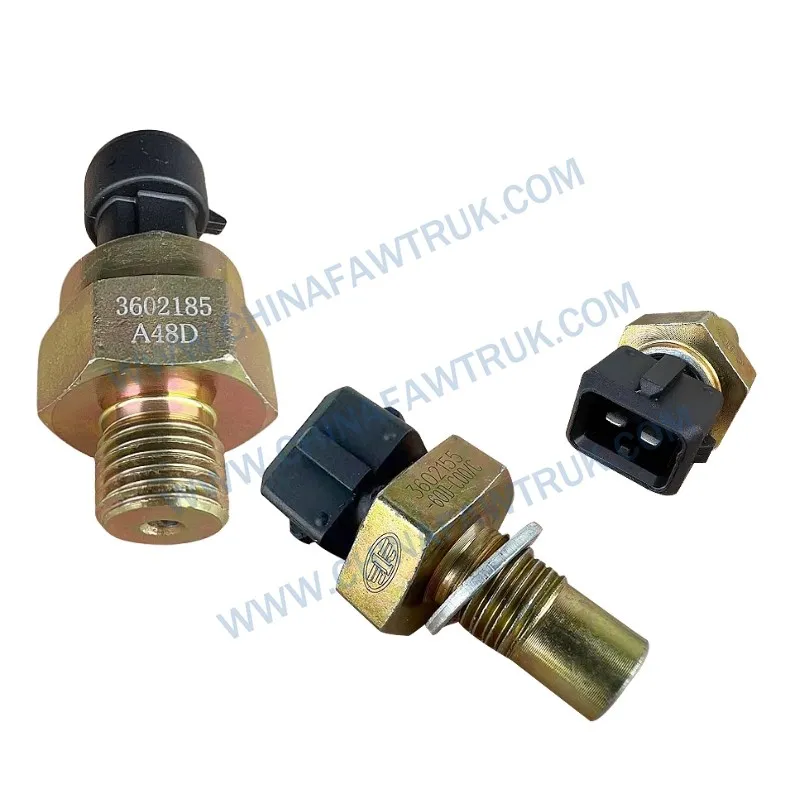
Para evitar fallos tan catastróficos, el sistema incluye el conjunto del interruptor de bloqueo del diferencial entre ruedas (Número de pieza. 3834050-A0E). Este sensor detecta la posición física del mecanismo de bloqueo y envía una señal al tablero.. Esto proporciona al conductor una confirmación positiva de que el Bloqueo del diferencial ruso FAW está realmente comprometido o desconectado, en lugar de simplemente confiar en la posición del interruptor del tablero. en el ruidoso, ambiente de alta vibración de un camión minero, Esta retroalimentación visual es una característica de seguridad esencial..
La interacción entre la fuerza neumática y la tensión del resorte se equilibra cuidadosamente en el Bloqueo del diferencial ruso FAW diseño. El resorte debe ser lo suficientemente fuerte como para desenganchar el bloqueo incluso si los casquillos deslizantes están bajo una ligera carga de torsión., pero no tan fuerte como para que el cilindro de aire no pueda superarlo durante el acoplamiento. Este equilibrio garantiza tiempos de respuesta rápidos en ambas direcciones., permitiendo al conductor modular el sistema a medida que las condiciones del terreno cambian rápidamente.
Además, la longevidad del mecanismo de retorno está respaldada por una lubricación limpia. Mientras que el mecanismo de bloqueo comparte aceite con el conjunto de engranajes principal, el movimiento de la horquilla y del resorte debe permanecer libre de lodos y virutas de metal. El diseño de la carcasa reductora. (Número de pieza. 2502015-A6E) Incluye galerías de aceite internas que garantizan que el lubricante fresco llegue al eje de la horquilla de cambio., evitando que el mecanismo se atasque por falta de aceite, incluso cuando el aceite para engranajes es espeso y viscoso en climas fríos.
Asamblea Integración y Vivienda
todo el Bloqueo del diferencial ruso FAW la lógica está alojada dentro del Reductor Shell & Conjunto de tapa de cojinete de diferencial (Número de pieza. 2502015-A6E). Esta gran pieza de fundición es la columna vertebral estructural del eje medio.. Debe ser lo suficientemente rígido para mantener la alineación de los cojinetes del diferencial mientras absorbe las enormes fuerzas de reacción generadas cuando se activa el bloqueo.. La carcasa con especificaciones rusas utiliza una aleación de hierro dúctil que resiste la fractura frágil a bajas temperaturas., Un problema común con piezas fundidas de calidad inferior en el Ártico..
El conjunto se fija a la carcasa del eje mediante un perno de alta resistencia. – Reductor de fijación (Número de pieza. 2402016-1h). Estos 12 Los pernos proporcionan la fuerza de sujeción necesaria para evitar que el reductor se mueva bajo carga.. Además, el pasador de soporte – Carcasa reductora & Carcasa del eje (Número de pieza. 2402021-A0E) actúa como una clavija de corte. Cuando el bloqueo del diferencial se activa y el par aumenta, la carcasa intenta girar; Estos pasadores absorben esa carga de corte., protegiendo los pernos para que no se rompan.
Mantenimiento adecuado de la Bloqueo del diferencial ruso FAW Implica comprobar el tapón magnético de cono hexagonal. (Número de pieza. T62106). Dado que los manguitos deslizantes crean partículas metálicas a medida que se desgastan, El tapón magnético atrapa estos residuos antes de que puedan dañar el sello del pistón de bloqueo o raspar las paredes del cilindro.. La inspección periódica de este tapón proporciona a los administradores de flotas una advertencia temprana sobre el estado del mecanismo de bloqueo..
Finalmente, la gorra – Rodamiento diferencial (Número de pieza. 2402019-A0E) asegura el conjunto diferencial dentro de la carcasa. La rigidez de estas tapas es crucial porque si el portadiferencial se desvía bajo la carga del bloqueo, los dientes del engranaje se desalinearán. El diseño robusto del Bloqueo del diferencial ruso FAW La carcasa garantiza que todos los componentes internos permanezcan en perfecta alineación., garantizando fiabilidad temporada tras temporada.
Desglose de componentes: 137. Lógica de bloqueo del diferencial & Conjunto reductor
| No. |
Número de pieza |
Nombre de la pieza |
Cantidad |
| – | 2502010-55R | Conjunto del reductor principal del eje medio (i=1.500) | 1 |
| 1 | 2402069-A0E | Tuerca – Brida de engranaje cónico activo | 1 |
| 2 | 2502108-A6E | Equipo cilíndrico conducido | 1 |
| 3 | 32314 | Rodamiento de rodillos cónicos | 1 |
| 4 | 2402081-A0E | Arandela de ajuste – Rodamiento de engranaje cónico activo | 1 |
| 5 | 2502088-A0E | Espaciador – Rodamiento de engranaje cónico activo | 1 |
| 6 | 2402016-1h | Tornillo – Reductor de fijación | 12 |
| 7 | 2502049-A6E | Asiento del cojinete | 1 |
| 8 | 2502097-A6E | Ajuste de la cuña – Asiento de rodamiento de engranaje cónico activo | Como se requiere |
| 9 | 2402048-A0E | Escudo de aceite – Asiento de rodamiento de engranaje cónico activo | 1 |
| 10 | 32315 | Rodamiento de rodillos cónicos | 1 |
| 11 | 2502036Ba6e | Engranaje cónico activo | 1 |
| 12 | T62106 | Tapón magnético de cono hexagonal | 1 |
| 13 | 2402017-1h | Tornillo – Reductor de fijación | 18 |
| 14 | 2403071-A0E | Anillo de ajuste – Rodamiento diferencial | 2 |
| 15 | 2503010Ba6e | Conjunto diferencial | 1 |
| 16 | 2403072-A0E | Placa de bloqueo – Anillo de ajuste | 2 |
| 17 | CQ1500812S | Perno piloto de cabeza hexagonal | 2 |
| 18 | 2402023-A0E | Tornillo – Fijación de la tapa del cojinete del diferencial | 4 |
| 19 | 2402021-A0E | Pasador de soporte – Carcasa reductora & Carcasa del eje | 2 |
| 20 | 2406034-A0E | Anillo de retención de alambre de acero – Manguito fijo de bloqueo del diferencial | 1 |
| 21 | 2406033-A0E | Manga fija – Bloqueo del diferencial entre ruedas | 1 |
| 22 | 2406032-A0E | Manga móvil – Bloqueo del diferencial entre ruedas | 1 |
| 23 | 2402016-A0E | Tornillo – Reductor de fijación | 2 |
| 24 | 2406028-A0E | Resorte de retorno – Bloqueo del diferencial entre ruedas | 1 |
| 25 | 2406024-A0E | Horquilla de cambio – Bloqueo del diferencial entre ruedas | 1 |
| 26 | 2406025-A0E | Conjunto del eje de la horquilla de cambio | 1 |
| 27 | 2406014-55R | junta tórica – Pistón de bloqueo del diferencial | 1 |
| 28 | 2406013-A0E | Pistón – Bloqueo del diferencial entre ruedas | 1 |
| 29 | 2406011-A0E | Cilindro – Bloqueo del diferencial entre ruedas | 1 |
| 30 | 2406017-A0E | Empaquetadora – Tapa del cilindro | 1 |
| 31 | 2406016-A0E | Cubrir – Cilindro | 1 |
| 32 | 2406018-A0E | Tornillo – Fijación de la tapa del cilindro de bloqueo del diferencial entre ruedas | 3 |
| 33 | CQ63505 | Ajuste del codo – Junta de tubería cónica | 1 |
| 34 | 3834050-A0E | Conjunto de interruptor de bloqueo del diferencial entre ruedas | 1 |
| 35 | 2502015-A6E | Carcasa reductora & Conjunto de tapa de cojinete de diferencial | 1 |
| 35-1 | 2502018-A6E | Carcasa reductora – Eje medio | 1 |
| 35-2 | 2402019-A0E | Tapa – Rodamiento diferencial | 1 |
| 35-3 | 2502019-A0E | Tapa – Rodamiento diferencial | 1 |
Conclusión: Garantizar la seguridad de la tracción
El Bloqueo del diferencial ruso FAW es más que una simple característica auxiliar; es el componente estratégico que garantiza la movilidad en los entornos más implacables de la Tierra. Desde la dosificación neumática precisa del cilindro de aire hasta el robusto engrane mecánico de los casquillos deslizantes, Cada pieza está diseñada para funcionar perfectamente a -50 °C.. Para operadores de flotas, comprender los requisitos de mantenimiento de los sellos del cilindro, resortes de retorno, y accesorios de aire es la clave para evitar costosos tiempos de inactividad.
Al invertir en piezas originales FAW para el Bloqueo del diferencial ruso FAW ensamblaje lógico, Los operadores garantizan que sus vehículos conservan el manejo del torque y los márgenes de seguridad especificados en fábrica.. La capacidad de bloquear los ejes a pedido transforma el CA3250P66K24L1TE5Z de un camión volquete estándar a una potencia logística todo terreno., capaz de ofrecer resultados independientemente del hielo y la nieve que definen el teatro de operaciones de Siberia.
Embalaje y Logística
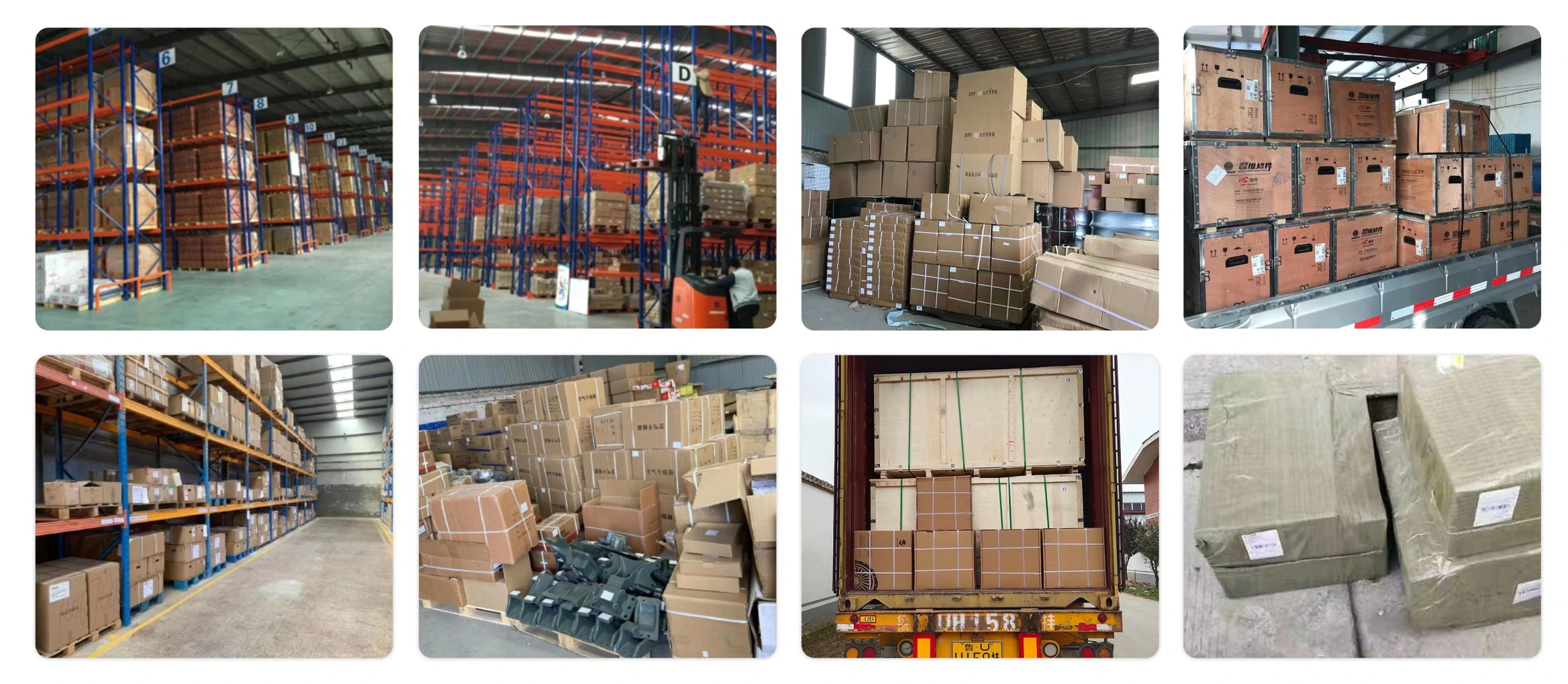
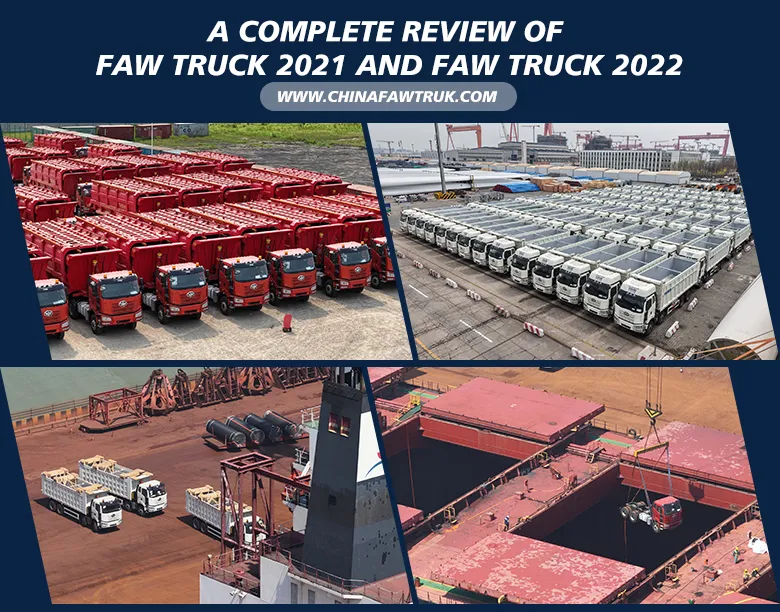
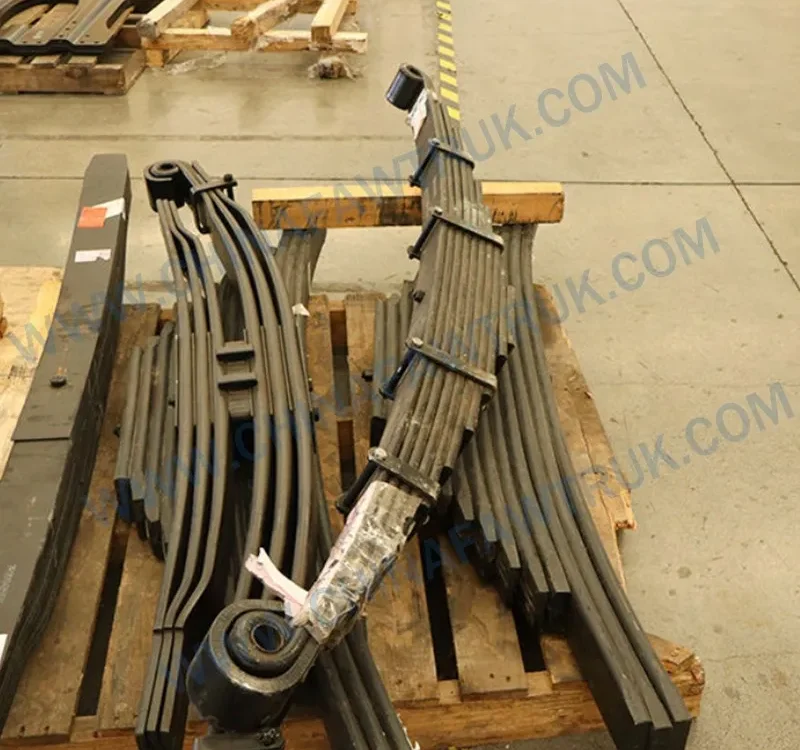
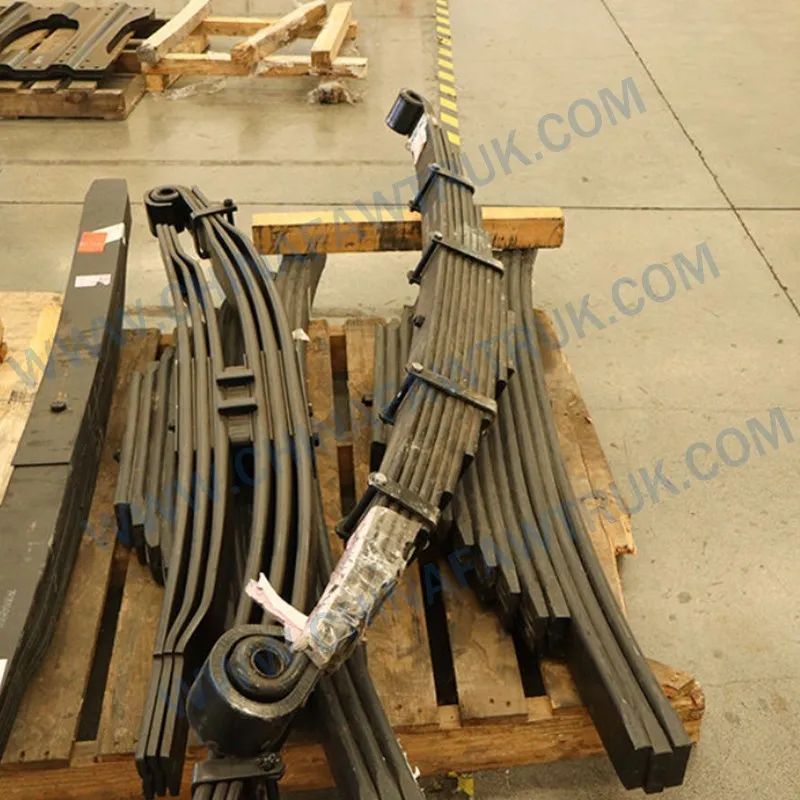
piezas FAW, incluido el conjunto del bloque de cilindros, Se empaquetan con cuidado para garantizar una entrega segura.. Cada componente está asegurado con materiales protectores para evitar daños durante el transporte.. La red logística garantiza envíos puntuales en todo el mundo., apoyando operaciones de mantenimiento eficientes. A continuación se muestra una imagen que ilustra el embalaje estándar de las piezas de camiones FAW., mostrando la atención al detalle en el manejo y almacenamiento.
Este enfoque de embalaje minimiza el riesgo de corrosión o daños por impacto., asegurando que piezas como el conjunto de bloque de cilindros FAW lleguen en perfectas condiciones. Los clientes pueden confiar en la logística de FAW para obtener calidad y confiabilidad constantes.