by 


Welcome to this in-depth technical analysis of the FAW Fleet Management Module (FMM). This component is the dedicated business and logistics “brain” for the FAW Jiefang CA4251P66K24T1A3E5 6×4 diesel semi-trailer tractor. It is a specialized Electronic Control Unit (ECU) that operates at a higher level than a standard telematics box. Its “logic” is to acquire raw vehicle data and transform it into actionable business intelligence.

The FAW Fleet Management Module (P/N: 7925070-91W-C00) is the key to unlocking advanced logistical control. While a standard telematics unit (like a T-Box) simply reports *what* is happening (GPS location, speed), this FMM is designed to analyze *how* it’s happening. It builds driver profiles, creates automated maintenance alerts, and enforces company-specific rules (like geofencing).
This expert guide is an essential resource for fleet operators and technicians. This assembly is simple, consisting of only two component types. We will deconstruct the powerful “5-in-1” logic of the main ‘Fleet management module assy’ itself, identifying it as the primary Minimum Serviceable Unit (MSU). We will also analyze the critical ‘Combination nut’ (CQ32206) used to ensure its reliability.
This component is the “longer” and most complex part of the assembly. The ‘Fleet management module assy’ is a sealed, “black box” computer and the primary Minimum Serviceable Unit (MSU). It is not field-repairable; if it fails, the entire module is replaced.
This FMM’s “logic” can be deconstructed into five powerful functions that go far beyond simple tracking, providing a true return on investment (ROI) for the fleet owner.
1. Logic One: CAN Bus Data Acquisition (The “Listener”)
The FMM is connected directly to the truck’s J1939 CAN bus. This is the “firehose” of raw data. The module’s first logic is to “listen” to this data stream and extract the key performance indicators (KPIs) that a fleet manager needs, including Vehicle Speed, Engine RPM, Engine Hours, Odometer reading, Fuel Level, Accelerator Pedal Position, and all Diagnostic Trouble Codes (DTCs).
2. Logic Two: Driver Behavior Scoring (The “Analyst”)
This is the FMM’s most powerful “logic.” It doesn’t just *report* the data; it *analyzes* it in real-time. It is programmed with fleet-specific parameters to build a “Driver Scorecard.”
It actively logs and flags negative events:
3. Logic Three: Geofencing & Custom Alerts (The “Enforcer”)
The FAW Fleet Management Module stores a list of “geofences”—virtual boundaries set by the manager. The “logic” is to trigger an instant alert when the truck (tracked via its GPS connection) crosses one of these boundaries.
This allows for powerful automation:
4. Logic Four: Proactive Maintenance (The “Mechanic”)
This logic function saves fleets millions in downtime. The FMM tracks Engine Hours and Odometer data. The service manager can program maintenance intervals (e.g., “Oil Change every 20,000 km,” “Grease every 500 Engine Hours”). The FMM will automatically send a “Service A Due in 1,000 km” alert to the manager, allowing them to schedule service *before* it’s overdue. It also instantly transmits DTCs (fault codes) from the engine, turning unscheduled breakdowns into scheduled repairs.
5. Logic Five: Data Integration (The “Hub”)
The FAW Fleet Management Module acts as the high-level “hub” that makes sense of all the other data. It is designed to work *with* the other telematics systems. It takes the HOS logs from the ‘Tachograph’ (7914010-61B) and the event footage from the ‘Video Surveillance System’ (7917050-84R). When a “Harsh Braking” event is logged, this module’s “logic” can automatically request the video file and the driver’s HOS status for that *exact* moment, presenting a complete, unified incident report to the manager.
The second component type is the ‘Combination nut’ (CQ32206). The parts list calls for two (2) of these, which are the final MSUs for this assembly.
Mounting Logic: The use of a “nut” (螺母) instead of a “screw” (螺钉) is a key detail. This “logic” implies that the FAW Fleet Management Module itself is designed with two fixed, threaded *studs* that pass through its mounting bracket. This design is superior for a “blind” installation, as the technician doesn’t need to align a screw; they simply push the module’s studs through the holes and secure it from the front with these nuts.
Combination Logic: The “Combination” (组合) designation is the most critical feature. This nut has a captive (pre-attached and non-removable) serrated lock washer.
This washer’s “logic” is vibration resistance. A sensitive ECU like an FMM cannot be allowed to vibrate; doing so will damage its internal solder joints and loosen its connectors. A standard nut *will* vibrate loose. The combination nut’s serrated lock washer bites into the mounting bracket, creating constant tension and ensuring the nut cannot back off. This guarantees two things:
The following table provides the complete, detailed breakdown of all 2 component types identified in the FAW Fleet Management Module diagram for the FAW CA4251P66K24T1A3E5 tractor.
| Mark | Part No. | Part Name | Quantity |
|---|---|---|---|
| 1 | 7925070-91W-C00 | Fleet management module assy | 1 |
| 2 | CQ32206 | Combination nut | 2 |
The specifications for the FAW Fleet Management Module are defined by its function as a high-level data processor for business and logistics. It is a “black box” MSU that translates raw vehicle data into actionable fleet intelligence.
| Vehicle Application | FAW Jiefang CA4251P66K24T1A3E5 6×4 Tractor |
| Component Group | FAW Fleet Management Module (FMM) |
| Main Assembly P/N | 7925070-91W-C00 |
| System Type | Logistics & Business Logic ECU |
| System Voltage | 24V DC (Nominal) |
| Data Interface | CAN Bus (J1939) |
| Key Logic Functions | Driver Behavior Scoring, Geofencing, Proactive Maintenance Alerts, Data Integration |
| MSU 1 (Main) | ‘Fleet management module assy’ (Sealed Unit) |
| MSU 2 (Hardware) | ‘Combination nut’ (CQ32206) |
| Hardware Quantity | 2 |
| Serviceability | Module is a “black box” replacement. Nuts are serviceable. |
FAW parts, including the Cylinder Block Assembly, are packaged with care to ensure safe delivery. Each component is secured in protective materials to prevent damage during transit. The logistics network guarantees timely shipments worldwide, supporting efficient maintenance operations. Below is an image illustrating the standard packaging for FAW truck parts, showcasing the attention to detail in handling and storage.
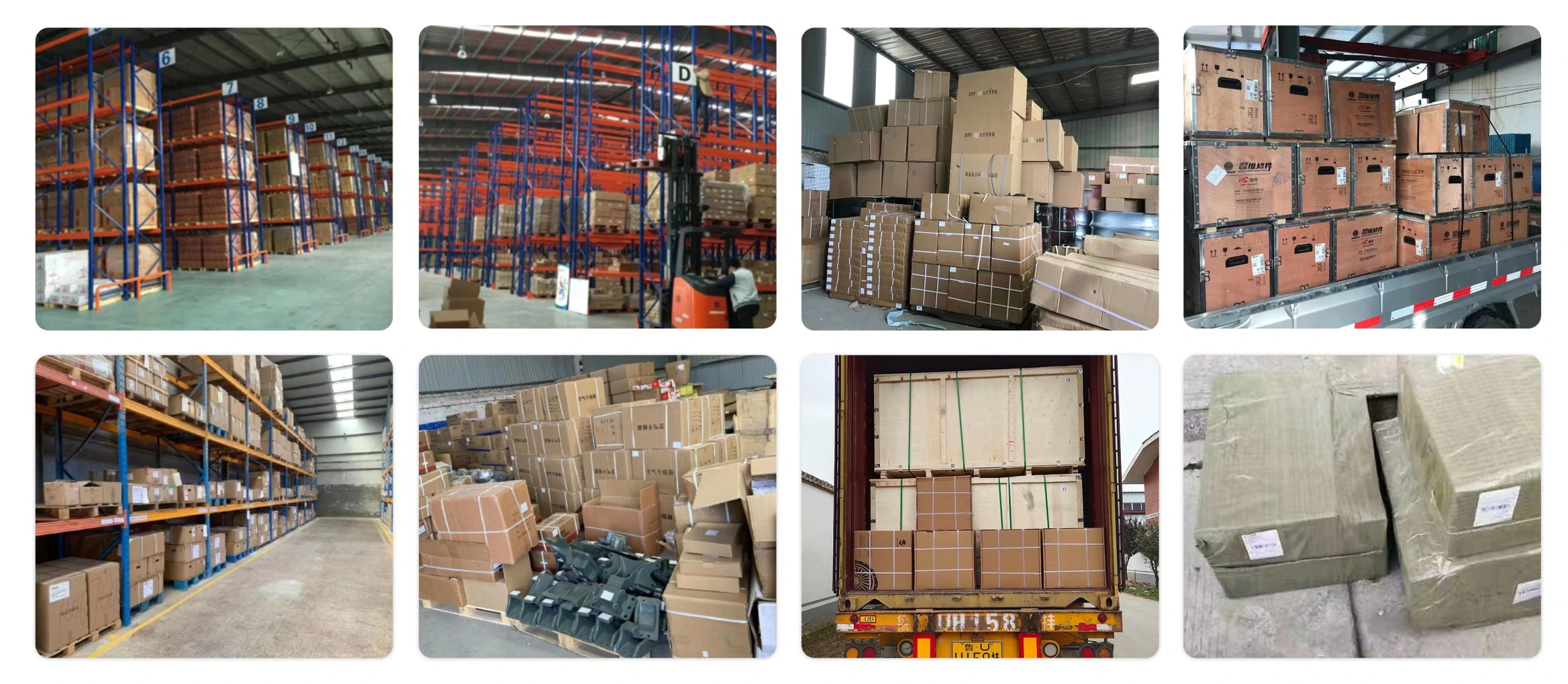
This packaging approach minimizes the risk of corrosion or impact damage, ensuring that parts like the FAW Cylinder Block Assembly arrive in perfect condition. Customers can rely on FAW’s logistics for consistent quality and reliability.