por 


Bienvenidos a este análisis estructural crítico de la Componentes del panel FAW (Asamblea 647). Este es el fundamento “esqueleto” de toda la interfaz hombre-máquina del lado del conductor (HMI) Para FAW Jiefang CA4251P66K24T1A3E5 6×4 tractor semirremolque diésel. Esta asamblea no es lo visible. “panel de ajuste”; es el trabajo pesado, interno “chasis” del tablero.

El “lógica” del Componentes del panel FAW es doble. Primero, sirve como principal “estructural” lógica, formando una rígida “viga transversal” que conecta los pilares A de la cabina, que es un elemento crítico para la seguridad en caso de impacto lateral y la integridad en caso de vuelco.. Segundo, es el “lógica de montaje” base, Proporcionar puntos de anclaje ubicados con precisión para todos los demás componentes interiores., incluido el “Grupo de Instrumentos’ (589), el 'Conjunto lógico del interruptor de función’ (587), la 'Caja de fusibles de la cabina’ (585), y la columna de dirección.
Esta guía detallada es esencial para los especialistas en reparación de colisiones y administradores de repuestos.. Deconstruiremos todo Componentes del panel FAW montaje en su 6 unidad mínima útil distinta (Universidad Estatal de Michigan) tipos. Analizaremos el “estructural” lógica del conjunto soldado del tablero principal’ (Universidad Estatal de Michigan 1), el “apoyo” lógica de sus corchetes (MSU 3 & 4), el “almacenamiento” lógica de la 'Caja de almacenamiento central’ (Universidad Estatal de Michigan 2), y el critico “anti-sonajero” Lógica de su sistema de fijación de 13 piezas..
El conjunto soldado del tablero’ (5310030-B27) es el componente principal y MSU 1. Este es el “chasis” del tablero, un complejo, Estructura multipieza de tubos soldados de acero o aluminio y soportes estampados.. Es el fundamento oculto de todo. Componentes del panel FAW.
1. Lógica de seguridad (Viga transversal):
El principal componente de este “lógica” es seguridad. Funciona como estructural “viga transversal,” conectando rígidamente los pilares A izquierdo y derecho de la cabina. En una colisión de impacto lateral, esta viga “lógica” es transferir la energía del impacto *a través* de la estructura de la cabina, lejos de los ocupantes, y activar la fuerza del lado no impactado. Es una parte fundamental del "conjunto de cabina soldada".’ (617) celda de seguridad y es esencial para mantener la integridad de la cabina.
2. Nvh & Lógica de rigidez:
el segundo “lógica” es para ruido, Vibración, y dureza (Nvh) control. A “endeble” el tablero es el #1 fuente de chirridos, zumba, y sonajeros. Este conjunto *soldado* está diseñado para una rigidez extrema.. Este “anti-flexión” La lógica proporciona una base sólida para todos los demás componentes.. Evita que el conjunto del tablero de más de 20 kg se sacuda, lo que a su vez impide “zumbido en el tablero” y le da al taxi un silencio, de primera calidad, y paseo sin fatiga. es el solido “barrera” que 'Bloques de goma’ (Asamblea 638) están diseñados para presionar contra.
3. Lógica de montaje:
Este subchasis soldado es el “adaptador universal” para toda la HMI. Es “lógica” es proporcionar docenas de preroscados, Puntos de montaje ubicados con precisión para *cada* componente interior.. la columna de dirección, el 'Grupo de Instrumentos’ (589), el climatizador (calentador/aire acondicionado) centro, la 'Caja de fusibles de la cabina’ (585), y todos los 'Interruptores de función’ (587) atornillar *directamente* a este marco. Este modular “lógica” agiliza la línea de montaje de la fábrica y garantiza que un reemplazo Componente del panel de control FAW encajará con precisión de fábrica.
Este grupo de MSU proporciona la funcionalidad “complementos” al marco estructural principal.
Universidad Estatal de Michigan 2: 'Caja de almacenamiento central’ (5310041-B27): Esta es la principal MSU ergonómica para el conductor.. es el “lógica” de conveniencia, proporcionando un seguro, ubicación incorporada para libros de registro, gafas de sol, y artículos personales. Está moldeado de duradero., plástico ABS texturizado, que tiene un “anti-sonajero” lógica propia. Es una MSU de alto desgaste., ya que los pestillos y las bisagras pueden fallar.
Universidad Estatal de Michigan 3: 'Soporte de conexión del conducto de aire’ (5310043-B27): este soporte “lógica” es para soportar los complejos conductos de plástico del sistema HVAC mientras serpentea a través del tablero, Dirigir el aire al parabrisas y a las rejillas de ventilación del suelo.. Evita que los conductos vibren o se suelten.
Universidad Estatal de Michigan 4: 'Conjunto de soporte de fijación del cajón central’ (5310085-B27): Este es el “submarco” para la 'Caja de almacenamiento central’ (Universidad Estatal de Michigan 2). Es “lógica” es proporcionar una rigidez, Punto de montaje de metal sobre metal para los rieles deslizantes del cajón., Asegurar que el cajón pueda soportar peso y funcionar sin problemas durante la vida útil del camión..
Este último grupo de MSU es el “lógica de fijación” para el Componentes del panel FAW. Este es un sistema de hardware mixto diseñado específicamente para unir “suave” (polímero) y “duro” (metal) componentes en un entorno de alta vibración.
Universidad Estatal de Michigan 5: '…Conjunto de tornillo autorroscante y arandela plana’ (002214216F6) – Cantidad 11
Este es el “seguro para polímeros” lógica. Estos 11 “autorroscante” Los tornillos están diseñados para cortar sus propias roscas en los salientes de montaje de plástico de componentes como la "Caja de almacenamiento central".’ (Universidad Estatal de Michigan 2) y conductos de aire.
El “conjunto de lavadora simple” parte del nombre es la más crítica “lógica.” La lavadora es *esencial*. Distribuye la fuerza de sujeción de la cabeza del tornillo sobre una amplia superficie.. sin lavadora, la cabeza del tornillo crearía un punto de tensión y *agrietaría* el jefe de plástico, conduciendo a un sonajero.
Universidad Estatal de Michigan 6: '…Tornillo combinado’ (Q2360620F6) – Cantidad 2
Este es el “metal con metal” lógica. A “Combinación” (combinación) el tornillo tiene un *cautivo, arandela de seguridad preinstalada*. Este es el “antivibración” lógica. estos dos (probablemente más grande) Los pernos se utilizan para alta tensión., soportes de metal a metal, como por ejemplo la fijación del ‘Soporte de fijación del cajón central’ (Universidad Estatal de Michigan 4) al 'Conjunto soldado del tablero’ (Universidad Estatal de Michigan 1), asegurándose de que *no puedan* vibrar sueltos.
La siguiente tabla proporciona la información completa, desglose detallado de todos 6 tipos de componentes identificados en el Componentes del panel FAW Conjunto para el tractor FAW CA4251P66K24T1A3E5..
| Número de pieza. | Nombre de la pieza | Cantidad |
|---|---|---|
| 5310030-B27 | Conjunto soldado del tablero | 1 |
| 5310041-B27 | Caja de almacenamiento central | 1 |
| 5310043-B27 | Soporte de conexión del conducto de aire | 1 |
| 5310085-B27 | Conjunto de soporte de fijación del cajón central | 1 |
| 002214216F6 | Conjunto de tornillo autorroscante de cabeza plana empotrado en cruz y arandela plana | 11 |
| Q2360620F6 | Tornillo combinado de cabeza redonda plana empotrado en cruz | 2 |
Las especificaciones para el Componentes del panel FAW se definen por su función como subchasis estructural para todos los HMI, seguridad, y sistemas de confort en la cabina.
| Solicitud de vehículo | FAW Jiefang CA4251P66K24T1A3E5 6×4 Tractor |
| Grupo de componentes | Componentes del panel FAW |
| Tipo de sistema | Submarco del tablero estructural (Viga transversal) |
| Lógica primaria | Seguridad estructural (Impacto lateral), Nvh (Anti-sonajero) |
| Lógica secundaria | Montaje de componentes modulares, Almacenamiento ergonómico |
| Universidad Estatal de Michigan 1 (Marco) | 'Conjunto soldado del tablero’ (5310030-B27) |
| Universidad Estatal de Michigan 2 (Almacenamiento) | 'Caja de almacenamiento central’ (5310041-B27) |
| Universidad Estatal de Michigan 3 & 4 (Soportes) | 'Conducto de aire… soporte’ (5310043-B27), '…soporte de fijación del cajón’ (5310085-B27) |
| Lógica de sujetadores (Universidad Estatal de Michigan 5) | Seguro para polímeros (Tornillo autorroscante + Lavadora) – Cantidad 11 |
| Lógica de sujetadores (Universidad Estatal de Michigan 6) | Antivibración (Tornillo combinado) – Cantidad 2 |
piezas FAW, incluido el conjunto del bloque de cilindros, Se empaquetan con cuidado para garantizar una entrega segura.. Cada componente está asegurado con materiales protectores para evitar daños durante el transporte.. La red logística garantiza envíos puntuales en todo el mundo., apoyando operaciones de mantenimiento eficientes. A continuación se muestra una imagen que ilustra el embalaje estándar de las piezas de camiones FAW., mostrando la atención al detalle en el manejo y almacenamiento.
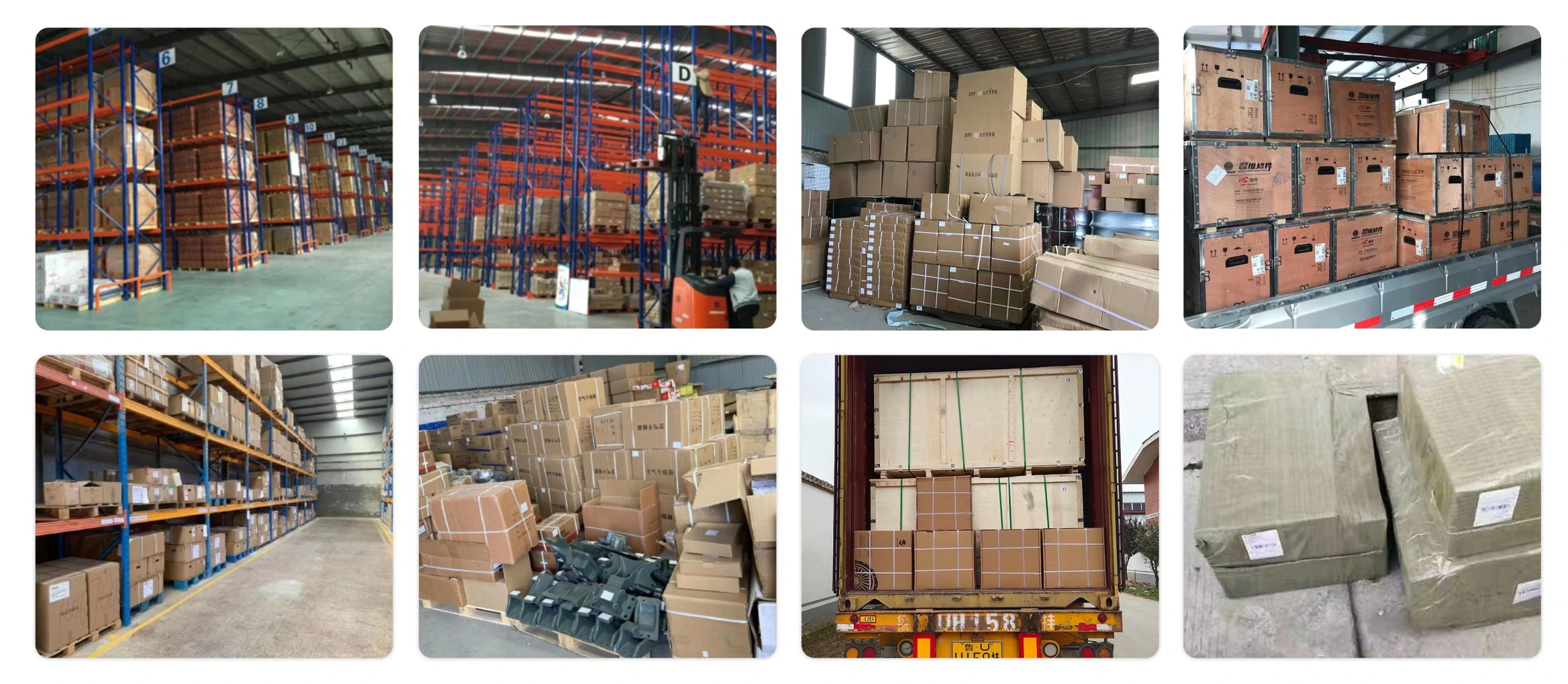
Este enfoque de embalaje minimiza el riesgo de corrosión o daños por impacto., asegurando que piezas como el conjunto de bloque de cilindros FAW lleguen en perfectas condiciones. Los clientes pueden confiar en la logística de FAW para obtener calidad y confiabilidad constantes.