por 


Bem-vindo a esta análise de componentes críticos do Conjunto do painel de revestimento traseiro FAW (Conjunto 673). Este é o completo, peça única “Barulho, Vibração, e aspereza” (Nvh) solução para a antepara traseira do FAW Jiefang CA4251P66K24T1A3E5 6×4 trator semirreboque diesel. Este componente, o 'Algodão amortecedor de som surround traseiro’ (5602401-B27), é uma parte crítica da cabine “lógica do conforto.”
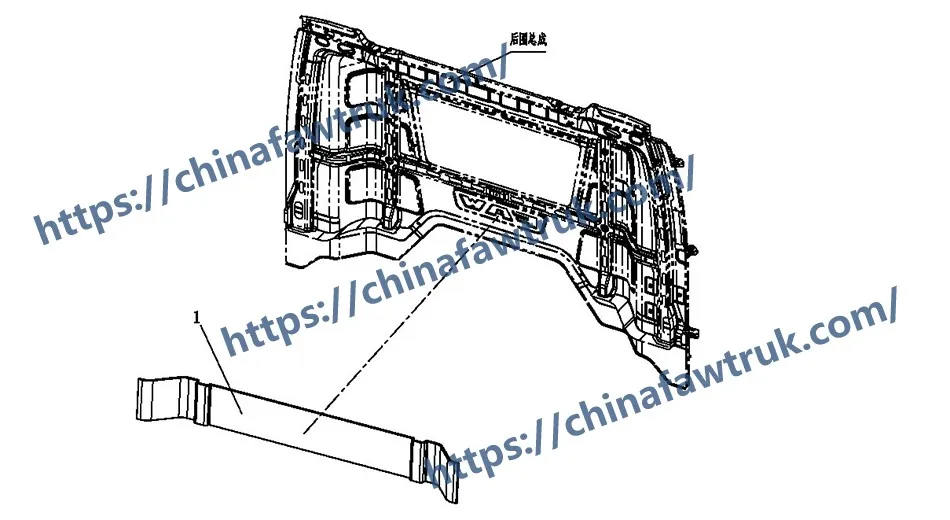
O “lógica” do Conjunto do painel de revestimento traseiro FAW é criar um silêncio, isolado, e ambiente de cabine com sensação premium. Não é o final, painel de acabamento visível, mas sim o alto desempenho “base” que é instalado diretamente contra o 'Conjunto Soldado da Cabine' da cabine’ (Conjunto 617) antepara metálica. Este único pedaço de “algodão insonorizante” tem um sofisticado, multifuncional “lógica” isso é essencial para o conforto do motorista.
Este guia detalhado é um recurso crucial para técnicos de cabine, especialistas em oficinas, e gerentes de peças. Vamos desconstruir toda esta parte única Conjunto do painel de revestimento traseiro FAW. Analisaremos seu “Lógica de Absorção Acústica” (como isso mata o barulho), isso é “Lógica de Barreira Térmica” (como economiza combustível), isso é “Lógica Anti-Rattle” (como isso para os guinchos), e seus modos de falha críticos (saturação de água).
O principal “lógica” do Conjunto do painel de revestimento traseiro FAW é “amortecimento sonoro” (silêncio). Um design de cabine sobre motor coloca o motorista em uma grande, metal “caixa” (o táxi) que fica diretamente sobre o motor e a transmissão, e está conectado a um chassi vibratório. Esta caixa de metal é, essencialmente, um tambor gigante.
O 'Algodão amortecedor de som surround traseiro’ (5602401-B27) é a MSU que “amortece” este tambor. Isso é “lógica” é duplo: absorção sonora e amortecimento sonoro.
1. Lógica de Absorção (Ruído de alta frequência):
Este componente não é um “bloqueador de som” como um tapete de borracha denso. É um “absorvedor de som.” É fabricado a partir de uma espessura, fibroso, material de célula aberta (como sintético de má qualidade, juta, ou fibras acústicas especializadas).
O “lógica” é que ondas sonoras de alta frequência (como “apito do vento” da 'Grade Superior’ (637) ou “pneu chiado” da estrada) não são forças sólidas. Eles são energia. Quando essas ondas penetram no tapete fibroso do Conjunto do painel de revestimento traseiro FAW, eles são forçados a viajar através de um “labirinto” de milhões de pequenas fibras.
Com cada “quicar” fora de uma fibra, a onda sonora perde energia, que é convertido em um pequeno, quantidade inofensiva de calor (um processo chamado “perda por atrito”). Esse “armadilha acústica” a lógica é extremamente eficaz em “absorvendo” os sons de alta frequência que são mais irritantes e cansativos para o ouvido humano.
2. Lógica de Amortecimento (Ruído de baixa frequência):
O segundo “lógica” é parar “ressonância.” O grande, plano, conjunto de cabine soldada de metal’ (617) parede traseira tem um “frequência natural.” Quando o motor ou o sistema de transmissão vibra na mesma frequência, a parede vai “ressoar”-começará a vibrar e amplificar esse ruído, como uma pele de tambor gigante.
Esse Conjunto do painel de revestimento traseiro FAW atua como um “camada restritiva” ou “amortecedor.” Por ser “colado” (ou cortado) para o metal, sua massa e suavidade, propriedades não ressonantes “morto” o painel. Altera a frequência ressonante do metal e impede fisicamente que vibre. Esse “lógica de amortecimento” é o que interrompe a baixa frequência “drone” e “estrondo” isso é comum em grandes, veículos de tela plana.
O segundo “lógica” do Conjunto do painel de revestimento traseiro FAW é isolamento térmico (isolamento térmico). O material fibroso é, pela sua própria natureza, a “lógica” isolador. Isso é “lógica de isolamento” é baseado em “ar preso.”
O “lógica” de todo o isolamento (de um casaco de inverno a fibra de vidro para casa) não é o material em si, mas o *ar* que ele prende. Os milhões de pequenas bolsas de ar presas nas fibras desta MSU são “ainda ar.” Ainda assim, o ar é um péssimo condutor de calor.
Lógica de verão (Bloqueio de calor): No verão, o sol bate na grande cabine, parede traseira metálica, transformando-o em um “radiador” que “absorve” calor no dorminhoco. Esse Conjunto do painel de revestimento traseiro FAW atua como uma ruptura térmica, evitando que este calor radiante e condutivo chegue ao interior da cabine. Esse “lógica” de isolamento reduz drasticamente a carga no sistema A/C, o que por sua vez economiza combustível.
Lógica de Inverno (Retenção de Calor): No inverno, isso mesmo “lógica” funciona ao contrário. Torna-se um “manta térmica.” Ele prende o dinheiro conquistado com dificuldade pelo motorista “aquecimento da cabine” (do HVAC) e evita que ele escape através do grande, frio, parede de metal não isolada. Esse “retenção de calor” a lógica é crítica para o conforto do dorminhoco e reduz o tempo de funcionamento do aquecedor.
A final “lógica” do Conjunto do painel de revestimento traseiro FAW (5602401-B27) é servir como “buffer” ou “junta.”
Lógica de Amortecimento NVH: Este MSU é o componente que é “imprensado” entre a parede metálica *estrutural* da cabine (Conjunto 617) e o painel de acabamento de plástico interno *cosmético* (vendido separadamente).
O “lógica” deste bloco é fornecer um “macio” interface entre essas duas superfícies duras. Esse “buffer” a lógica evita que a guarnição de plástico rígido vibre contra a parede de metal duro. Este é o #1 causa de “rangido do painel” ou “zumbido do painel.” A função anti-chocalho desta almofada simples é um contribuidor fundamental para um silêncio, passeio sem fadiga.
Facilidade de manutenção & Lógica de falha:
O 'Algodão amortecedor de som surround traseiro’ é um único, MSU cortado. Isso é “lógica” é um perfeito, ajuste direto. No entanto, é altamente suscetível a uma falha crítica: **saturação de água**.
Se o ‘Vidro da janela traseira’ (Conjunto 635) selo falha, ou a 'Grade Superior’ (Conjunto 637) selo falha, a água vazará *atrás* da guarnição e penetrará neste Conjunto do painel de revestimento traseiro FAW. O material fibroso agirá como uma esponja gigante.
Uma vez saturado, *não* pode ser seco. Ele irá reter essa umidade contra a parede metálica da cabine, levando a uma catástrofe, ferrugem escondida. Também criará mofo e bolor, arruinando a qualidade do ar na cabine. O “lógica de serviço” é claro: uma almofada danificada pela água *deve* ser substituída. Um rasgado ou “corte” almofada (de um anterior, reparo preguiçoso) também é inútil, pois perde a sua acústica e térmica “lógica.”
A tabela a seguir fornece o completo, discriminação detalhada do componente único identificado no Conjunto do painel de revestimento traseiro FAW para o trator FAW CA4251P66K24T1A3E5.
| Marca | Parte não. | Nome da peça | Quantidade |
|---|---|---|---|
| 1 | 5602401-B27 | Algodão com isolamento acústico surround traseiro | 1 |
As especificações para o Conjunto do painel de revestimento traseiro FAW são definidos por sua função como um componente NVH multilógico para a antepara traseira da cabine.
| Aplicação em veículos | FAW Jiefang CA4251P66K24T1A3E5 6×4 Trator |
| Grupo de Componentes | Conjunto do painel de revestimento traseiro FAW |
| Tipo de sistema | Absorvedor Acústico, Isolador Térmico, e almofada de amortecimento |
| Lógica 1 (Acústico) | Absorção de ondas sonoras de alta frequência (Anti-silvo) |
| Lógica 2 (Térmico) | Barreira térmica de ar retido (Isolamento térmico/frio) |
| Lógica 3 (Nvh) | Tampão anti-chocalho, Amortecimento de ressonância (Antidrone) |
| Material | Algodão fibroso/juta/tapete sintético (Célula Aberta) |
| Universidade Estadual de Moscou 1 (Principal) | ‘Algodão amortecedor de som surround traseiro’ (5602401-B27) |
| Fator de forma | Peça única, 3D moldado / Cortado |
| Modo de falha | Saturação de Água (de vazamentos), Rasgando, Contaminação |
| Facilidade de manutenção | Alto. MSU única, deve ser substituído se estiver molhado, rasgado, ou contaminado. |
Peças FAW, incluindo o conjunto do bloco de cilindros, são embalados com cuidado para garantir uma entrega segura. Cada componente é protegido por materiais de proteção para evitar danos durante o transporte. A rede logística garante envios pontuais em todo o mundo, apoiando operações de manutenção eficientes. Abaixo está uma imagem ilustrando a embalagem padrão para peças de caminhão FAW, mostrando a atenção aos detalhes no manuseio e armazenamento.
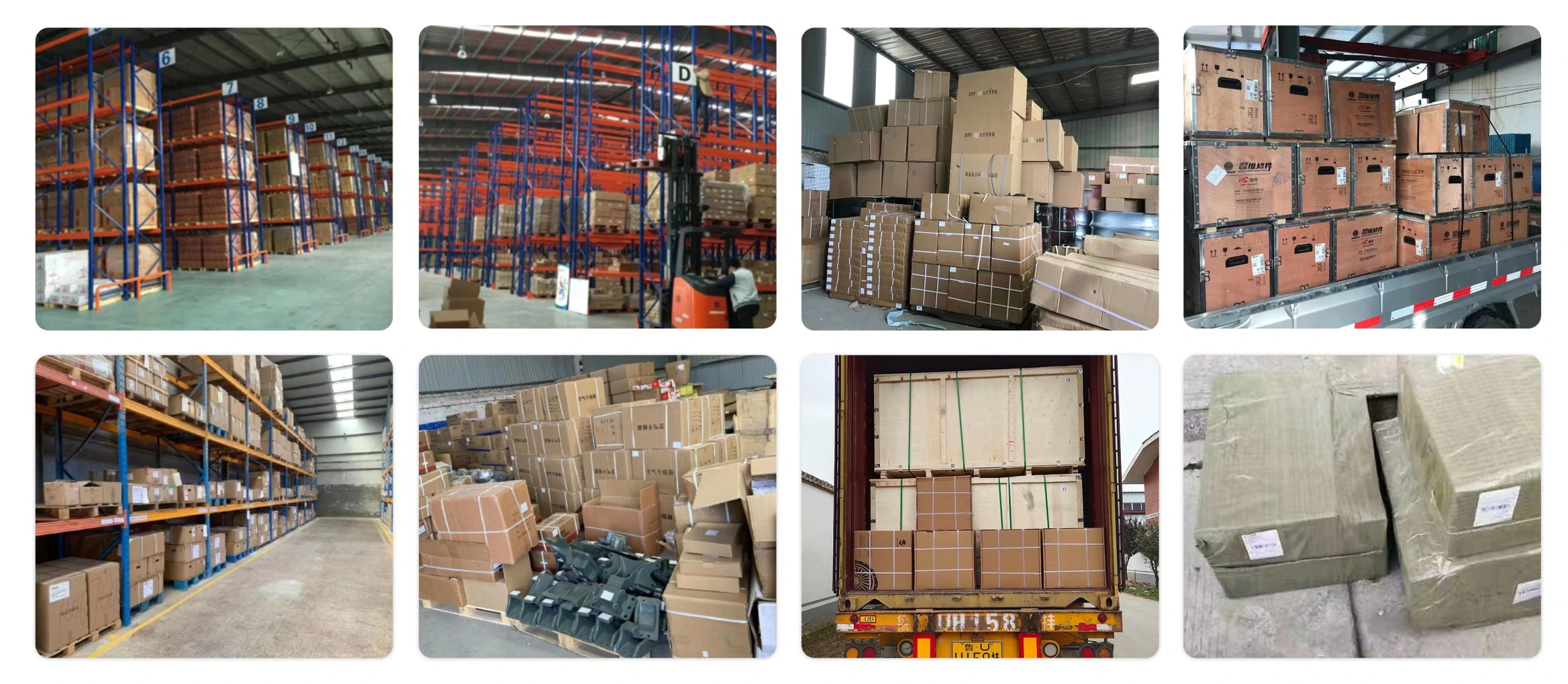
Esta abordagem de embalagem minimiza o risco de corrosão ou danos por impacto, garantindo que peças como o conjunto do bloco de cilindros FAW cheguem em perfeitas condições. Os clientes podem confiar na logística da FAW para obter qualidade e confiabilidade consistentes.