by 


Welcome to this in-depth structural analysis of the FAW Elevated Container Assembly. This is the complete, 3-component-type, structural “riser” system for the high-roof cab on the FAW Jiefang CA4251P66K24T1A3E5 6×4 diesel semi-trailer tractor. This assembly is the foundational “box” that the upper cab and sleeper module (sold separately) mount to. Its “logic” is to provide two critical, simultaneous functions:
1. **Structural “Riser” Logic:** It physically elevates the cab, creating the “high-roof” profile and enabling a flat floor inside for superior driver comfort and walk-through access to the sleeper.
2. **Storage “Logic”:** It creates a massive, enclosed, and often externally-accessible storage compartment, vital for stowing tools, chains, and personal gear.

The FAW Elevated Container Assembly (also known as a “Riser Box” or “Sleeper Subframe”) is a core part of the cab’s structural integrity. It is the “adapter” that connects the ‘Welded Cab Assembly’ (617) to the cab’s suspension and the chassis. Its design is critical for both safety and driver ergonomics.
This expert guide is an essential resource for collision repair specialists, body shop technicians, and parts managers. We will deconstruct the entire FAW Elevated Container Assembly into its 3 distinct Minimum Serviceable Unit (MSU) types. We will analyze the “structural” logic of the main ‘Body Assy’ (MSU 1), the “load-bearing” logic of the ‘Base Plate’ (MSU 2), and the critical “anti-vibration” logic of the 10-piece fastener system (MSU 3).
The ‘Elevated container body assy’ (5315020AA02) is the primary MSU and the “skeleton” of the entire FAW Elevated Container Assembly. This is the three-dimensional, welded “shell” of the riser box.
1. Structural “Riser” Logic:
This component’s primary “logic” is structural. It is a load-bearing spacer. It is designed to be the rigid foundation that bolts *onto* the ‘Cab Rear Suspension’ (Assembly 602) and *under* the main sleeper cab structure. It must be strong enough to support the entire static weight of the sleeper and driver, *and* withstand the dynamic torsional (twisting) and shear (side-to-side) forces transmitted from the chassis.
To achieve this, the ‘Body Assy’ is a precision-welded (likely robotic) component made from high-strength steel, just like the ‘Welded Cab Assembly’ (617). It is, in effect, a lower extension of the cab’s “safety cell.”
2. Ergonomic “Flat Floor” Logic:
The “logic” of this riser box is the key to the Jiefang’s high-roof, “flat floor” design. By elevating the entire sleeper module, this FAW Elevated Container Assembly creates a “walk-through” cab. It eliminates the intrusive “engine tunnel” (or “doghouse”) that plagues traditional cab-over-engine designs. This allows the driver to stand up fully and walk directly from the driver’s seat into the sleeper bunk, a “logic” that provides a massive improvement in ergonomics, comfort, and long-haul livability.
3. Serviceability (MSU):
The ‘Body Assy’ is the primary structural MSU. It is not repaired. In a severe collision (especially a side-impact or rollover), this box is designed to absorb and deform, protecting the main cab structure above. A collision repair specialist will unbolt and replace this entire “riser box” (MSU 1) along with its floor (MSU 2).
The ‘Base plate assy-elevated container’ (5315030AA02) is the second critical MSU of the FAW Elevated Container Assembly. This is the “floor” of the ‘Body Assy’ (MSU 1), and it serves two main functions.
1. Load-Bearing Logic: This is the “floor” of the external storage compartment. Its “logic” is to be a rigid, load-bearing surface. It must be strong enough to support hundreds of pounds of cargo (tools, chains, luggage, etc.) without “sagging” or “drumming” (vibrating). It is likely stamped from heavy-gauge steel with integrated ribs to provide this stiffness.
2. Sealing Logic: This plate is the “bottom” of the box, exposed to the elements. Its “logic” is to provide a weatherproof seal, protecting the contents from the high-pressure spray of water, mud, and road salt thrown up by the truck’s drive wheels. This plate is what makes the FAW Elevated Container Assembly a secure, dry storage space.
Serviceability (MSU): This is a separate MSU from the main body. This “modular logic” is for serviceability. If the base plate is damaged (e.g., punctured by road debris or corroded from trapped salt), a technician can replace *only* the base plate, without needing to replace the entire, more complex ‘Body Assy’ (MSU 1).
The final MSU is the “fastening logic” for the FAW Elevated Container Assembly. The parts list calls for ten (10) ‘Cross recessed flat round head combination screws’ (Q2360616F6).
Mounting Logic: The 10-point fastening pattern is the “logic” for structural integrity. These 10 screws are used to secure the ‘Base plate’ (MSU 2) to the ‘Body Assy’ (MSU 1). This large number of fasteners ensures a rigid, tight, and weatherproof seal between the two components.
Combination “Logic”: The key word is “Combination” (组合). These are not standard screws. A “combination screw” is an MSU that has a *captive, pre-attached lock washer* (e.g., a serrated or spring washer) under its head.
This “anti-vibration” logic is essential. The FAW Elevated Container Assembly is subject to constant, high-frequency vibration from the road and engine. A standard screw *would* vibrate loose, allowing the base plate to rattle and, eventually, allowing water and dust to penetrate the storage compartment. The “lock washer” on this combination screw provides constant tension, making the connection immune to vibration and ensuring the box remains sealed and silent.
The following table provides the complete, detailed breakdown of all 3 component types identified in the FAW Elevated Container Assembly diagram for the FAW CA4251P66K24T1A3E5 tractor.
| Mark | Part No. | Part Name | Quantity |
|---|---|---|---|
| 1 | 5315020AA02 | Elevated container body assy | 1 |
| 2 | 5315030AA02 | Base plate assy-elevated container | 1 |
| 3 | Q2360616F6 | Cross recessed flat round head combination screw | 10 |
The specifications for the FAW Elevated Container Assembly are defined by its function as a structural, load-bearing “riser box” and integrated storage unit for the high-roof cab.
| Vehicle Application | FAW Jiefang CA4251P66K24T1A3E5 6×4 Tractor |
| Component Group | FAW Elevated Container Assembly |
| System Type | Structural Cab Riser Box & Storage Module |
| Primary Logic | Load-Bearing Structural Foundation (for High Roof) |
| Secondary Logic | Ergonomic “Flat Floor” Enabler, Integrated Storage |
| Material | High-Strength, Welded Steel Assembly |
| MSU 1 (Body) | ‘Elevated container body assy’ (5315020AA02) |
| MSU 2 (Floor) | ‘Base plate assy-elevated container’ (5315030AA02) |
| MSU 3 (Fasteners) | ‘…combination screw’ (Q2360616F6) – Qty 10 |
| Fastener Logic | 10-Point System, Anti-Vibration (Captive Lock Washer) |
| Serviceability | Modular: Body and Base Plate are separate MSUs. |
FAW parts, including the Cylinder Block Assembly, are packaged with care to ensure safe delivery. Each component is secured in protective materials to prevent damage during transit. The logistics network guarantees timely shipments worldwide, supporting efficient maintenance operations. Below is an image illustrating the standard packaging for FAW truck parts, showcasing the attention to detail in handling and storage.
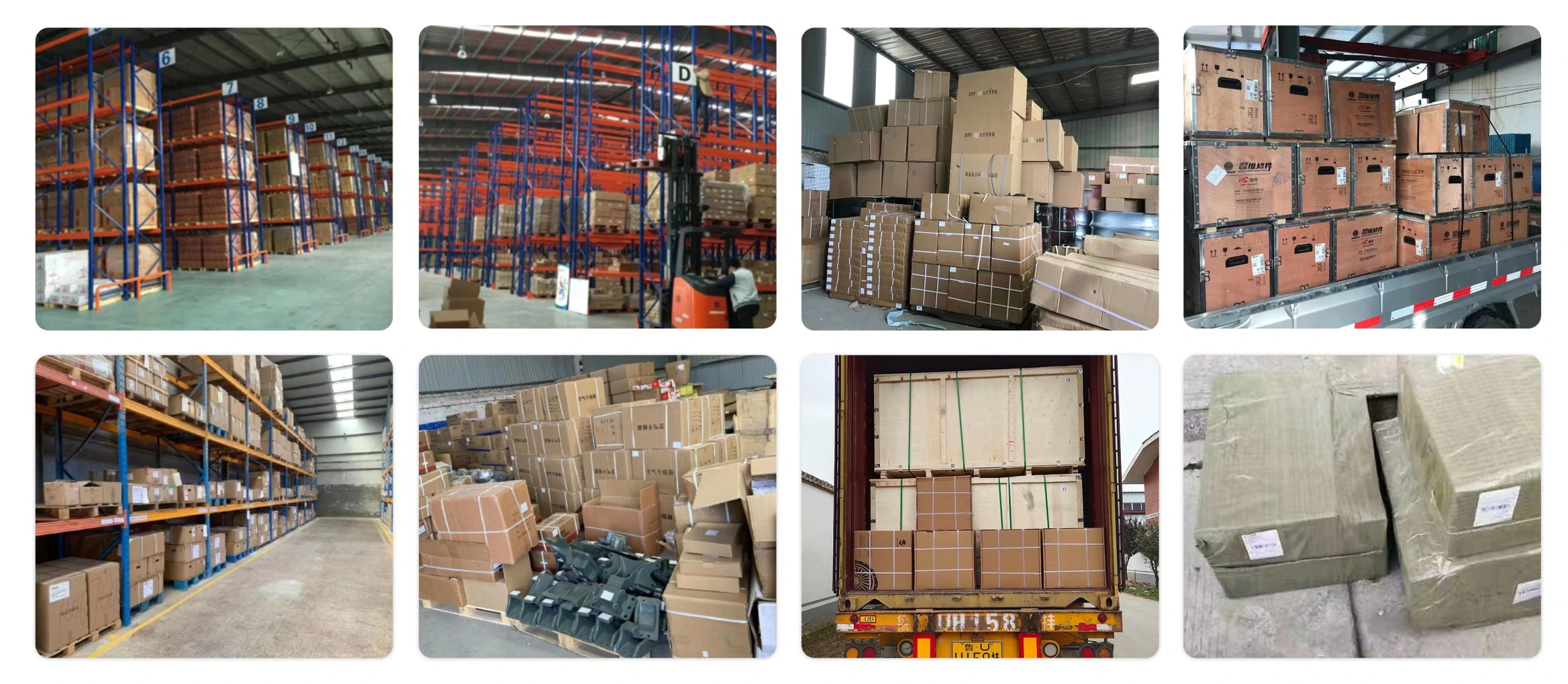
This packaging approach minimizes the risk of corrosion or impact damage, ensuring that parts like the FAW Cylinder Block Assembly arrive in perfect condition. Customers can rely on FAW’s logistics for consistent quality and reliability.